@rednalasni С таким королём и правительственным аппаратом государство обречено, и в ближайшей перспективе. Так что принцесса явно сделала правильную инвестицию на будущее.
@SA61W Стоило бы отобрать ребёнка у отца, вставляющего половые органы после каждого третьего слова при высказывании своего мнения... Возможно, ребёнок ещё не испорчен.
Стою в очереди на Фонтанке, поставить подпись за Надеждина, людей очень много. Выходит сотрудник штаба, и говорит, что часть людей может пойти на другие точки, которые недалеко, чтобы не мёрзнуть тут.
Чел из очереди:
- Ну, мы 24 года ждали, ещё часик как-нибудь подождём)
На стенах главного храма Вооруженных Сил РФ сделана мозаика с изображением Сталина. И это не шутка...
А это Николаевский портовый элеватор на 41 тыс. тонн. В 1932-33 годах был до верху заполнен и постоянно отгружал зерно на экспорт, пока крестьяне, у которых это зерно ⬇️
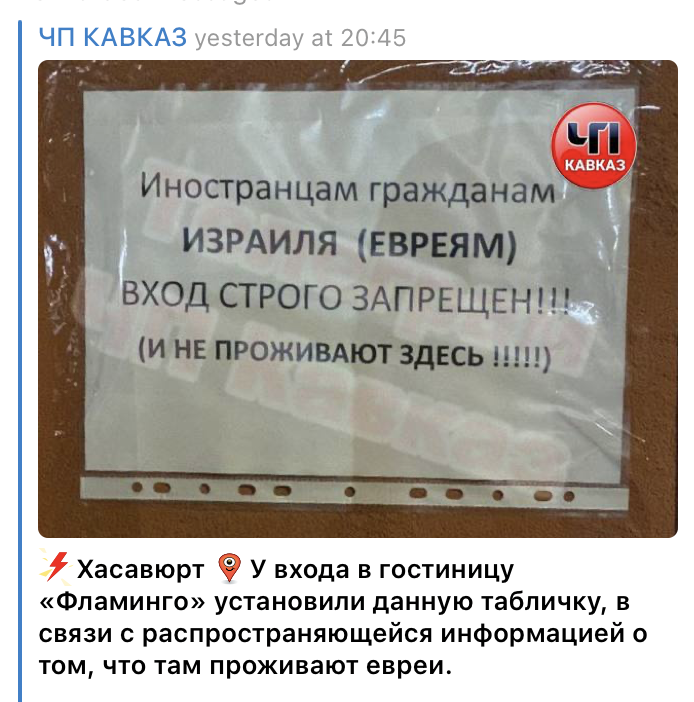
В самой прекрасной стране, где все народы живут в мире и согласии, полиция пустила разъяренных жителей в гостиницу, чтобы те убедились, что в ней не живут евреи. А все потому, что они увидели в канале видео с «лицом внешне схожем с гражданином Израиля»
Россия будет отстаивать правду о Великой Отечественной войне, противостоять любым попыткам пересмотреть ее вклад в победу — Путин
Поэтому архивы ВОВ засекречены до 2040 года?
"Dogor" is an 18,000-year-old puppy unearthed from the Siberian permafrost, and his level of preservation is remarkable, with his nose and whiskers mostly intact.
Allow me to introduce you to Dogor, the ancient puppy interred in Russia's permafrost for over 18,000 years. This adorable pup, believed to have passed away at two months of age, was found entombed in frozen mud in Yakutsk, an eastern Siberian port city. Although experts speculate it could be one of the oldest dogs in existence, its features remain astoundingly well-preserved.
Nikolai Androsov, the director of the private museum Northern World, which is safeguarding Dogor's remains, noted, "This puppy has all its limbs, pelage [or] fur, even whiskers. The nose is visible. There are teeth."
In the year leading up to the revelation, scientists from around the world delved into studying Dogor. The first crucial question they tackled was the puppy's age. Love Dalén, a professor of evolutionary genetics at the Center for Palaeogenetics in Stockholm, Sweden, stated, "The first step was, of course, to send the sample for radiocarbon dating to determine its age, and when we received the results, it turned out to be approximately 18,000 years old."
The next important inquiry revolved around whether the specimen was a dog or a wolf. Extensive DNA testing has not definitively resolved this question. Dalén explained, "Normally, when you have a two-fold coverage genome, which is what we have, you should be able to relatively easily determine whether it's a dog or a wolf, but we still can't say for certain, and that adds to the intrigue." Preparations are underway for a third round of genome sequencing to further explore this mystery.











![historyinmemes's tweet photo. "Dogor" is an 18,000-year-old puppy unearthed from the Siberian permafrost, and his level of preservation is remarkable, with his nose and whiskers mostly intact.
Allow me to introduce you to Dogor, the ancient puppy interred in Russia's permafrost for over 18,000 years. This adorable pup, believed to have passed away at two months of age, was found entombed in frozen mud in Yakutsk, an eastern Siberian port city. Although experts speculate it could be one of the oldest dogs in existence, its features remain astoundingly well-preserved.
Nikolai Androsov, the director of the private museum Northern World, which is safeguarding Dogor's remains, noted, "This puppy has all its limbs, pelage [or] fur, even whiskers. The nose is visible. There are teeth."
In the year leading up to the revelation, scientists from around the world delved into studying Dogor. The first crucial question they tackled was the puppy's age. Love Dalén, a professor of evolutionary genetics at the Center for Palaeogenetics in Stockholm, Sweden, stated, "The first step was, of course, to send the sample for radiocarbon dating to determine its age, and when we received the results, it turned out to be approximately 18,000 years old."
The next important inquiry revolved around whether the specimen was a dog or a wolf. Extensive DNA testing has not definitively resolved this question. Dalén explained, "Normally, when you have a two-fold coverage genome, which is what we have, you should be able to relatively easily determine whether it's a dog or a wolf, but we still can't say for certain, and that adds to the intrigue." Preparations are underway for a third round of genome sequencing to further explore this mystery.](https://pbs.twimg.com/media/F8sEdjSXkAA1SJx.jpg)


