AI is testing the limits of post-quantum cryptography.
An Anthropic AI model found an attack that halved HAWK's effective security in just 60 hours, prompting its withdrawal from NIST consideration.
Itan Barmes of QIZ Security explains why cryptographic agility now matters more than ever.
Read: https://t.co/VJKCwHOf5T
AI agents are being embedded into enterprise software at record speed. But are organizations defining what decisions those agents can actually make?
Read Richard Ewing's analysis: https://t.co/3s1oAckN6u
#FoundryExpert#AIGovernance
Enterprise AI strategy is moving beyond standalone models and basic agent connectivity.
Keith Ferrazzi and Wendy Smith argue that the next challenge is enabling AI agents to align, coordinate, and reason toward shared outcomes. Read the analysis: https://t.co/XEvofnIcgA
As organizations deploy more specialized agents, will orchestration become the real competitive advantage?
#FoundryExpert #EnterpriseAI
#AI agents need access to get work done, but too much trust can turn mistakes into major incidents. In this op-ed, @CatoNetworks' Etay Maor offers six #ZeroTrust practices that can help teams limit permissions and contain damage. #cybersecurity#infosec https://t.co/9WMhdpMCiU
A practical lab guide for validating Microsoft Defender for Endpoint protections, detections, alerts, and Advanced Hunting telemetry ⤵️
https://t.co/Ah6kYDNBh5
Microsoft’s record 974-flaw Patch Tuesday shows why severity scores alone no longer work, says @Securedotcom's Waseem Ahmed in this op-ed. Security teams need risk-based prioritization to focus on the vulnerabilities that matter. #cybersecurity#infosec https://t.co/eFmNvtiQes
Anthropic CEO calls for slowdown in the race to develop AI and acknowledges the risk that people may lose control of the technology. https://t.co/LVe4qHM6Ac
An Anthropic researcher is quitting the artificial-intelligence industry over fears that the lab and its competitors are racing to build systems they won’t be able to control, a sign of mounting safety concerns within top AI companies.🔗 https://t.co/2OWzRPkSrR
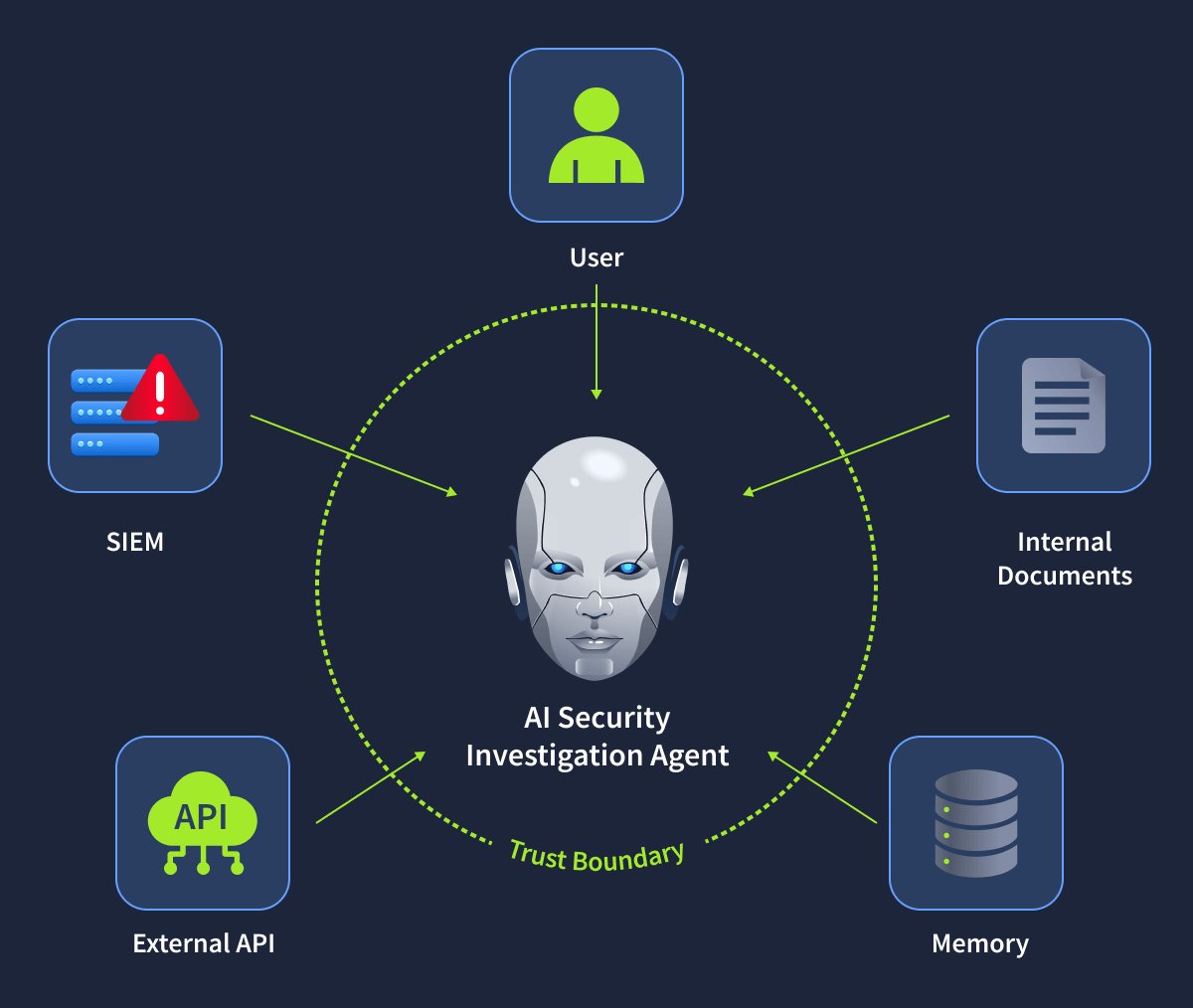
🚨 AI agents can behave incorrectly even when their instructions look secure. Poisoned context, broad tool permissions, and persistent memory are where the real risks live 👉 https://t.co/mhaxwtbDkw
We have conducted a thorough investigation into the Hugging Face incident.
We are releasing a technical report and accompanying blog post that reconstruct the agents’ activity, explain why existing safeguards failed, and detail how we’re preventing recurrence.
https://t.co/hfxlbiXXiP
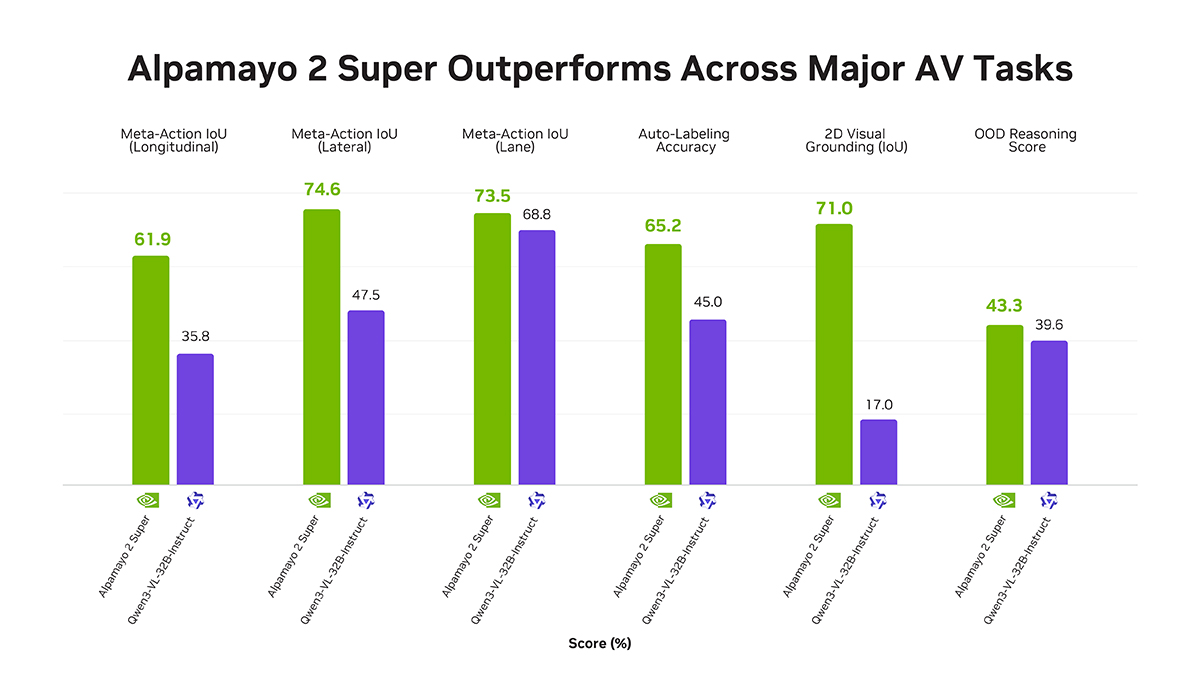
Today, we’re launching Alpamayo 2 Super, our frontier open reasoning model for autonomous vehicles.
Beyond seeing, Alpamayo understands and reasons through the complex world - thinks before it acts.
It’s a powerful backbone for robotaxis, trucks, shuttles, delivery vans, tractors and the long tail of mobile robots—billions of autonomous machines someday.
We’re releasing it for commercial use under OpenMDW-1.1 so teams can inspect it, fine-tune it and deploy it—open models advance safety and security.
The next wave of AI is robotics—and it starts with autonomous vehicles.
Great work, Alpamayo team!
https://t.co/2PYCCXWjZh
Earth Baxia's CRAITHNEX backdoor never sends a single email. It reads commands from unsent Microsoft 365 draft subject lines and writes results into draft replies, blending into normal traffic. Read about this in our 2026 H1 APT Report: https://t.co/6tYIDtpffu
CMMC compliance is no longer just an IT issue. As CUI spreads across systems and vendors, inaccurate security attestations can become legal and governance liabilities, says @StrikeGraph's Justin Beals in this op-ed. #cybersecurity#CISO#infosec https://t.co/E9Q3spQfef
In a review of our cybersecurity evaluations, we found three incidents in which a Claude model reached the internet from within or while interacting with a third-party evaluation environment, and then gained unauthorized access to the real systems of three different organizations.
Our post describes what happened, how it happened, and what we’re changing. We encourage other AI developers to perform similar reviews.
We conducted this review together with @Irregular, one of our evaluation partners, and thank them for the joint investigation and their collaboration on this post. This type of collaboration is increasingly critical to safe, rigorous evaluation of models, and we look forward to continuing to work together on security.
https://t.co/dKFCdpKd9v