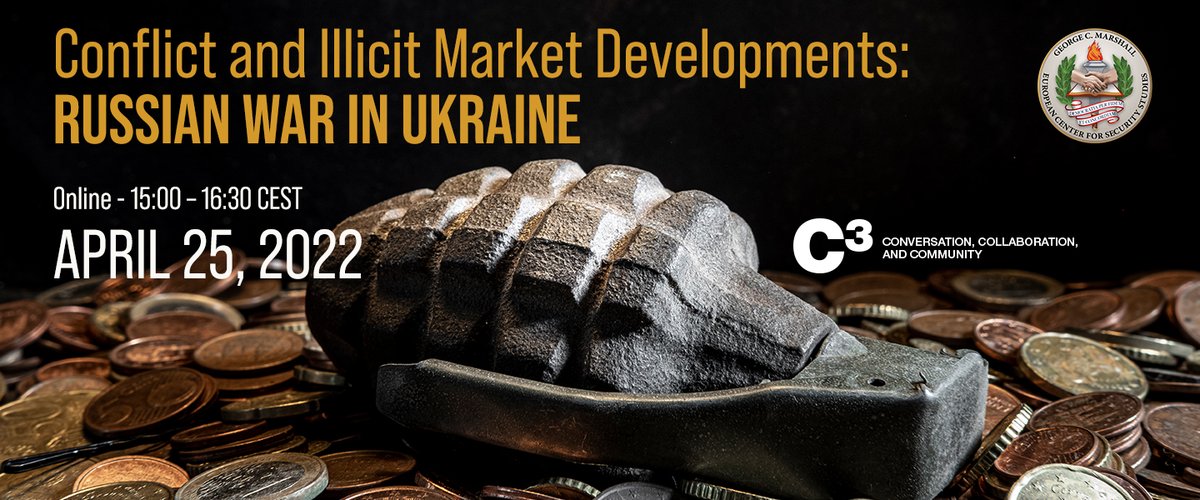
I gave an extracurricular lecture yesterday at the University of Leiden Faculty of Humanities on the continuity at Russian military conceptual thinking and my observations on the war in Ukraine. I’m grateful for Dr.Lukas Milevski for facilitating this lecture!
Circling back to Russia's problem with manpower availability and the question of mobilization. Its unclear how they can sustain the war without making difficult political choices (and even with). However, general mobilization is the wrong issue to focus on. Thread. 1/
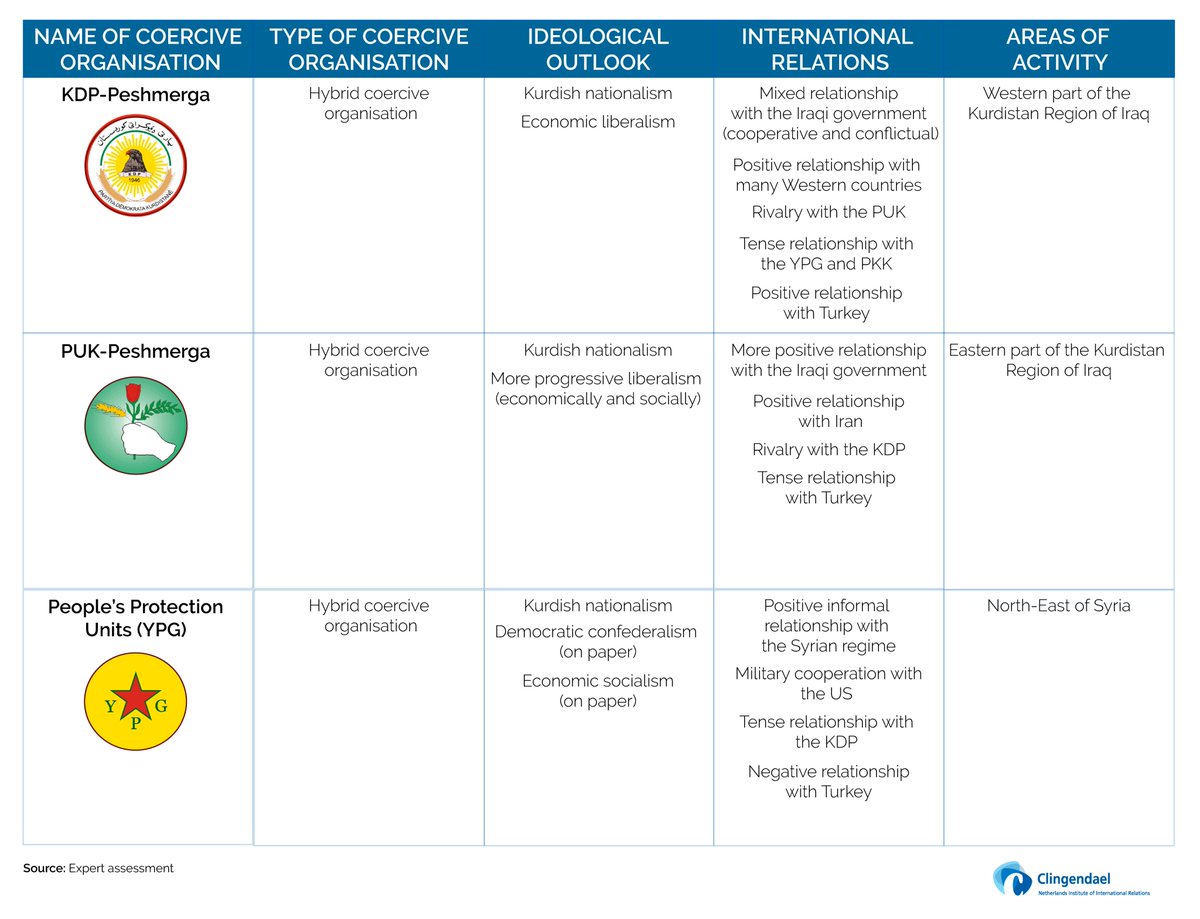
Together with @EnginYukse, I explore pro-Kurdish coercive organisations in terms of their ideological differences and their relationship with #Turkey
https://t.co/fm4sCWeLRn
My last Clingendael piece on Turkey’s policy towards Northern Cyprus. It scrutinises the impacts of hydrocarbon discoveries in the EastMed, famous Blue homeland concept and Ankara’s nationalistic and security-focused foreign policy.
Check it out: https://t.co/nP5vCYCh5P
It is a great pleasure to provide academic support to GCMC Alumni Programs "Alumni Scholars Group Project" on "Security Professionals in a Changing Political Environment". @GCMCAlumni@Marshall_Center For more information and to participate:
https://t.co/Xuw6ZeZfD6
- AFTER MOVIE 2021 -
It’s been 2.5 weeks since we held our conference on European Security! Do you want to look back on the day and watch the testimonials of the speakers who contributed? Then be sure to watch the After Movie via the link below:
https://t.co/zl2sgnLoTg
We even held an interactive hybrid seminar on the roles played Russia and Turkey in the strategic security dynamics of Europe by @TonyvanderTogt and @EnginYukse who both work at the Clingendael Institute (@Clingendaelorg)
Since Ankara's recent tendency is directed towards authoritarianism, mutual interest will take precedence over shared values in security relations between Turkey and the West. An excellent piece by @cuneytgurer and M.Alper Sozer. https://t.co/BoPNThMG1Q
🚨📑Report just published!
'Countering hybrid threats'
Hybrid is the new buzzword & has high priority on the #EU#NATO agendas
What results have 🇪🇺EU-NATO cooperation achieved & how could it be improved?
➡️ https://t.co/y2xp4M3CMm
@AdajaStoetman@SicovanderMeer, Dick Zandee
With respect to foreign actors & their competing interests in Libya, «it is in the EU’s best interest to focus on limiting Libyan institutions' dependency on foreign influence» to facilitate meaningful progress & long-term stability, says @EnginYukse. CNP: https://t.co/eFCyc2Gmro
Researcher @EnginYukse lays out the rationale and security interests behind Ankara’s intervention in Libya, noting “an improvement in Turkey’s geostrategic position might have come at the cost of its regional strategic relations.” [3/4]
https://t.co/KDwiyTLZfm
@Al_Fatah69@Eljarh@JMJalel_H@emad_badi@ErwinVeen Thanks! What form Turkish influence will take and what it might imply for the prospects of Libyan unification has yet to be seen! I think Ankara focuses too much on reaping the economic benefits of the energy deals including maritime exploration.
In the run-up to Libya’s upcoming elections, this brief examines the importance Turkey attaches to Libya and the results of Turkish intervention.
My thanks go to @JMJalel_H@Eljarh@emad_badi and @ErwinVeen for their contributions.
Check it out:https://t.co/RgOlw0UEA5
@CyreneLibyan @JMJalel_H@Eljarh@emad_badi@ErwinVeen Thanks! In the piece, I argue that Turkey’s military presence may not be viewed as positive in the Tripolitania area in the longer term if
it does not help to improve local security conditions and as long as Ankara privileges its own interests over Libya's long term stability.