MOC-263003 "Strong Science Teacher," a Ryland Grace figure with a subtle resemblance to @RyanGosling, is a modification of LEGO set 43015 Lionel Messi. And check out MOC-257725 “Scary Space Monster” by The_Astral_J
#AndyWeir#RylandGrace#RyanGosling#ProjectHailMary#LEGO
@andyweirauthor "Meanwhile, a new generation of Earthlings also receives the signal and dispatches The Lazarus, an updated version of the Hail Mary, to render aid."
@andyweirauthor "The Hail Mary has been ready for its return trip to Earth for a while, but Grace and Rocky continue to make excuses causing delays. But then a distress signal is received from a neighboring star system. Our intrepid heroes suit up for a rescue mission.
@andyweirauthor "The Hail Mary and a companion Eridian ship head out together, but the Eridians run into their own trouble and don't make the rendezvous.
Contracts Update!
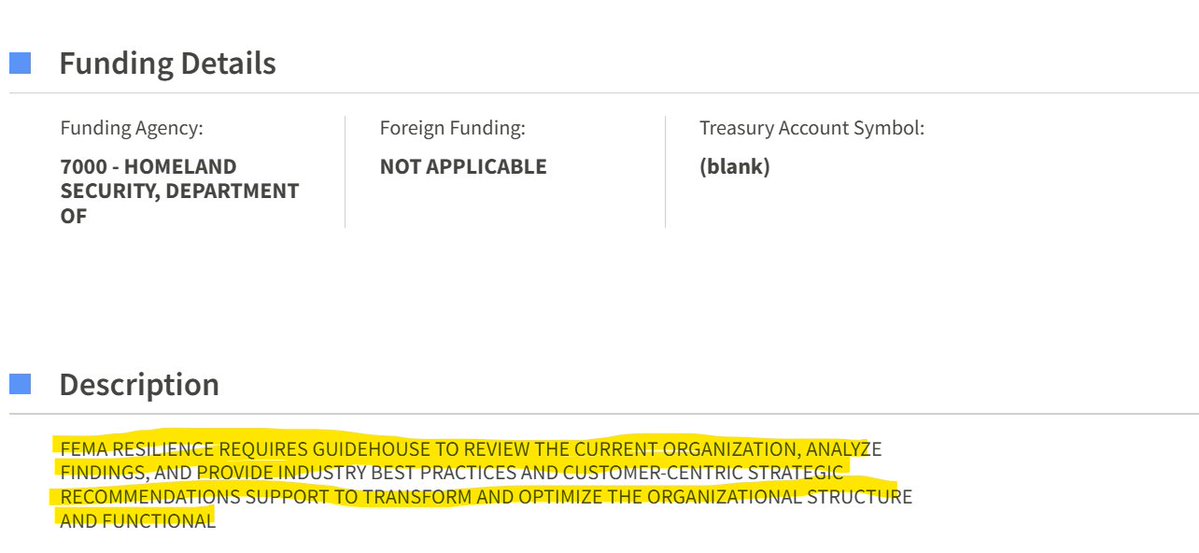
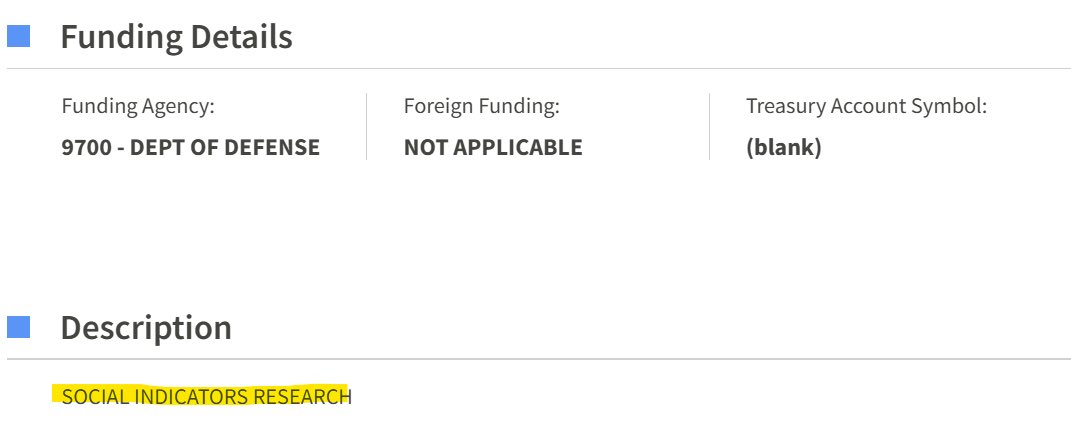
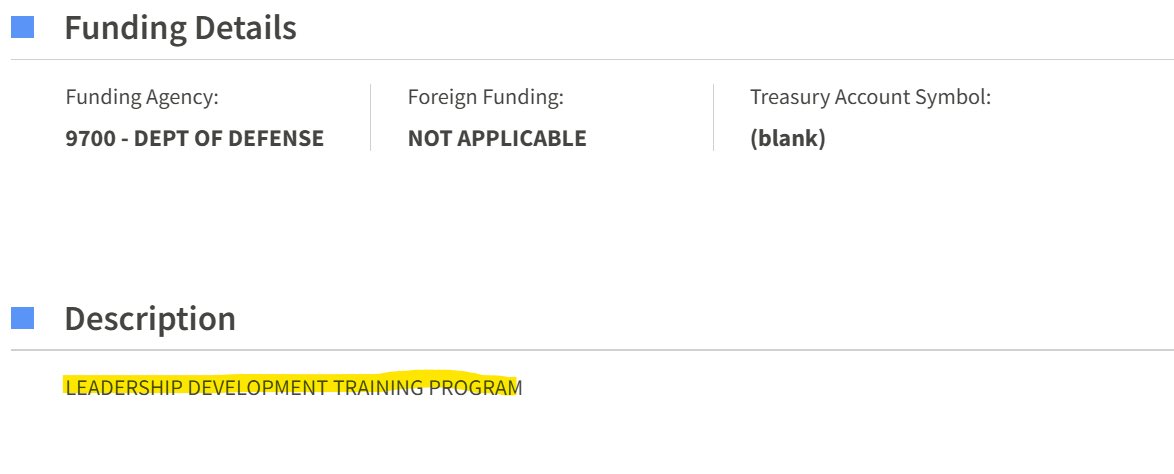
Over the last 4 weeks, agencies terminated or descoped 273 wasteful contracts with a ceiling value of $5.1B and savings of $1.4B, including a $6.7M DHS consulting contract to “review the current organization, analyze findings, and provide industry best practices and customer-centric strategic recommendations support to transform and optimize the organizational structure and function”, a $968k DoW professional services contract for “leadership development program training”, a $10.2M DoW administrative management contract for “outward mindset training”, and an $11k DoW consulting contract for “social indicators research”.
Contracts Update!
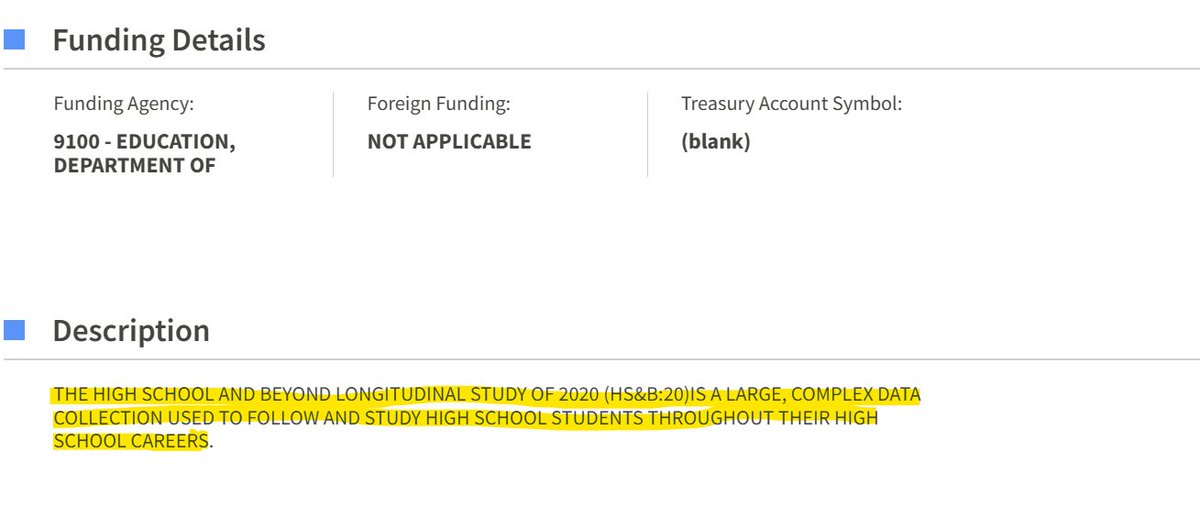
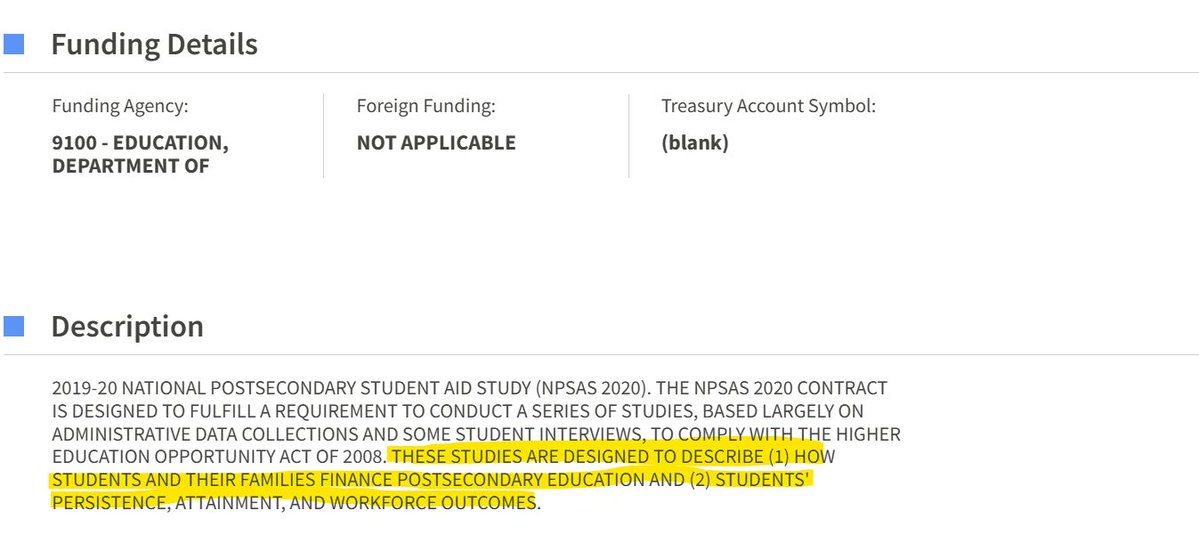
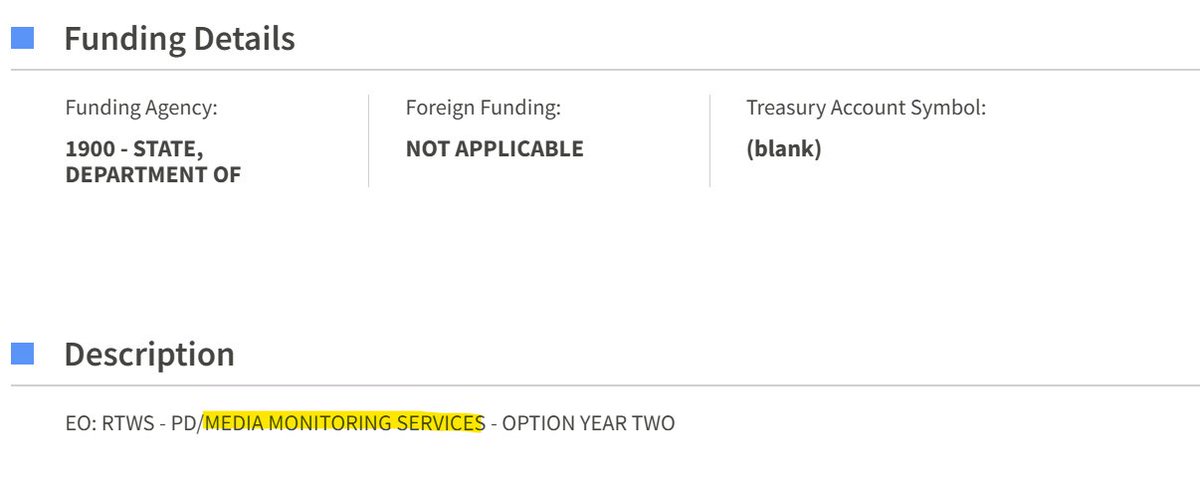
Over the last 4 weeks, agencies terminated or descoped 95 wasteful contracts with a ceiling value of $2B and savings of $757M, including a $75.4k State Dept. media contract for “media monitoring services”, a $45.6M OPM services contract for “talent acquisition support”, a $98.5M Dept. of Education research contract “to follow and study high school students throughout their high school careers”, and a $76.4M Dept. of Education research contract for “how students and their families finance post-secondary education, and students’ persistence, attainment and workforce outcomes.”
VALAR ATOMICS IN ONE POST
The mission of Valar Atomics is to make the world’s energy.
In order to make the world’s energy, you need to make it cheaper.
The cheapest form of energy humanity has ever experienced came from nuclear fission reactors in the 60s and 70s.
Fission reactors cost 10x more than they did in the 60s and 70s. Nothing changed about physics. Everything changed about policy. Most of this cost increase comes at the nuclear site and project level—also called “indirect cost”—and the other increases comes from higher safety requirements of the reactor itself.
You can get around the “higher indirect cost” problem by making your sites much bigger, thereby spreading indirect costs (which do not scale linearly with site size) across more revenue. Also, by building the same exact unit over and over again on the same site, you get to verticalize and systematize the nuclear components and processes that have a high idiot index.
You can get around the second problem by taking advantage of fundamentally safer designs that were left behind in the nuclear tech tree in favor of standardization around the US Navy nuclear program.
The reactor design which sits at the nexus of safe and scalable is the HTGR. The fastest way to get to scale is to create a small one, as quickly and simply as you can, and turn it on. Then make a slightly bigger one. Then make many of them.
This will leave you with a “Gigasite”— a massive reactor campus where you’ve built 100 of the same simple reactor over and over with diminishing marginal cost each time, yielding energy as cheaply as we got it in the 60s and 70s.
But there’s a problem: as your cheap power climbs into the gigawatts, you exhaust the capacity of the grid to transport it to customers. So instead, you attract data centers and heavy industrial partners to develop alongside your Gigasite and sell power to them on a microgrid.
But you don’t stop there. Soon, you graduate from electricity altogether, because it turns out chemical energy is about 10 times cheaper and easier to transport than electricity.
You can make hydrogen from water using nuclear energy—everyone knows this. But hydrogen is also hard to transport, like electricity.
What few know is that if your hydrogen becomes cheap enough, it actually becomes economical to bond it with point captured CO2, turning it into jet fuel, diesel, gasoline, and other hydrocarbons. If your hydrogen is cheap enough, the end product will be cheaper than refining oil.
This is incredible, because being able to make gas profitably unlocks a nearly unlimited distribution channel to a $4 trillion market. The largest oil refineries in the world approach 100GW of continuous chemical energy distribution.
That means your nuclear Gigasite has the demand to grow to many thousands of units all in one place, further unlocking the economics of scale. Incidentally, you are also selling carbon neutral fuel.
Most importantly, you now have the test bed which allows you to begin tuning and refining your reactor design, pushing costs even lower and margins even higher.
Now you are on the track to making the world’s energy.
This is the Valar Atomics plan.
https://t.co/lJabuq3k1x
The most upliftingly hilarious trick-shot funny boys from Australia made a serious (but also fun) video about rescue efforts, preventing the trafficking of young girls between Nepal and India.