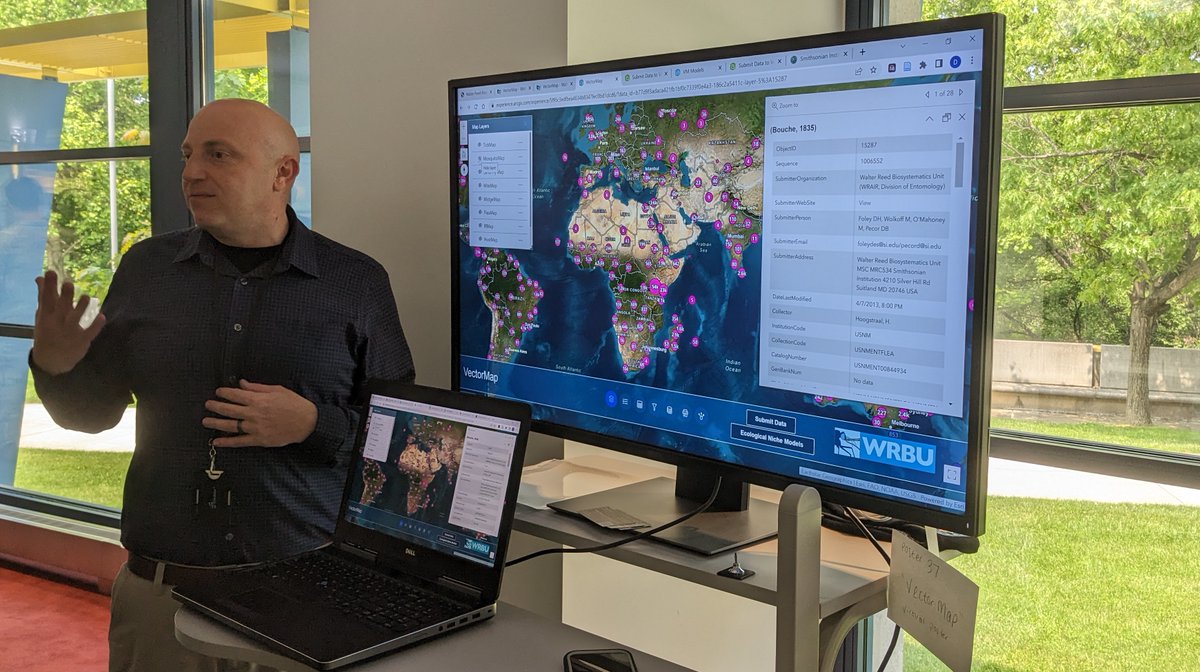
VectorMap is back, again! The new data portal features an enhanced user experience and the ability to submit your data directly to the VM team. Submit your data today and help us reach 1 million records in 2023! #vectormap#biosurveillance#wrair#nmnh#mosquito
Check out our latest publication documenting a novel Sulina virus clade in Latvia and novel Tacheng tick virus 1 clade in Poland! #wrbu#wrair#onehealth
https://t.co/hHtIPHhKVb
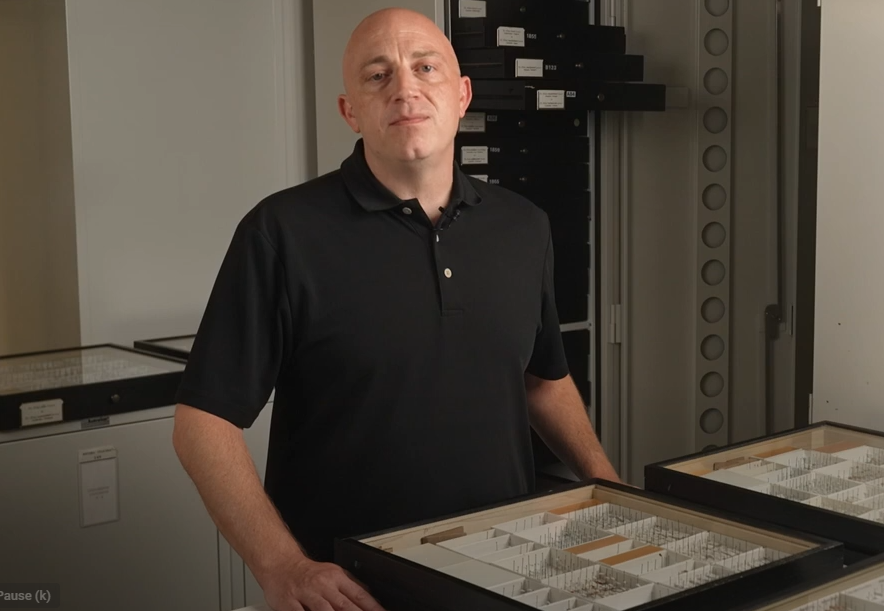
Discover the art of preserving #sandflies for research with the @smithsonian's latest video 🎥. Vital for studying vector threats, these protocols are key to protecting military personnel from diseases worldwide. 🌍 #Entomology@ento_wrbu
https://t.co/clos5WJIYX
REDI-NET SOPs for environmental and invertebrate surveillance, processing, testing, storage, and shipping are now publicly available on https://t.co/N9aV62OYfc!!! For more information on the REDI-NET, visit our website https://t.co/yQ7GNWu48O
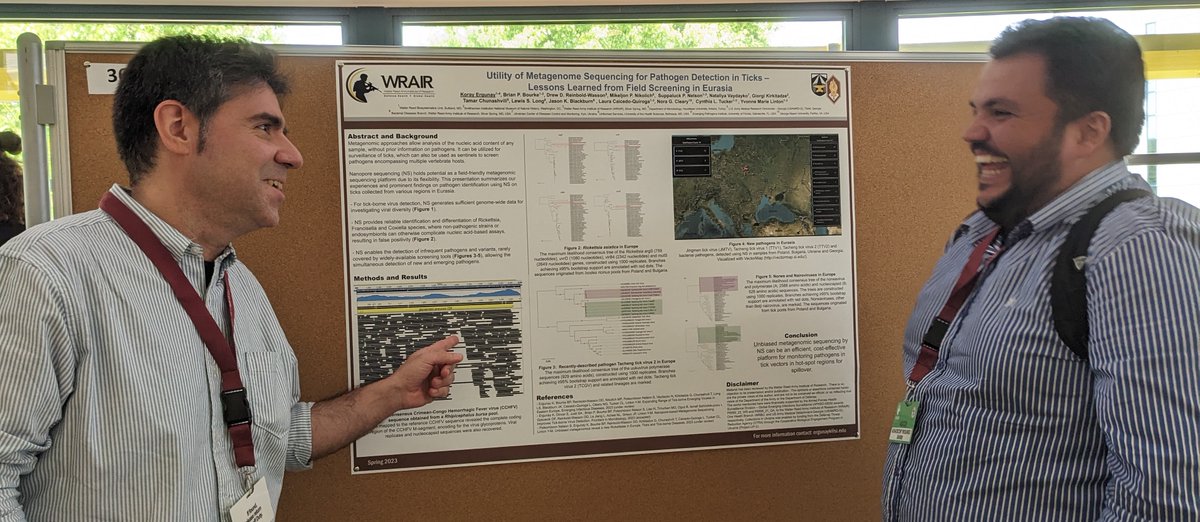
Metagenomic sequencing of European ticks revealed 21 viruses, an expansion of two newly documented pathogenic tick-borne viruses—Tacheng Tick Virus 2, Jingmen Tick Virus—and Tacheng Tick Virus 1 identified on the continent for the first time. https://t.co/EeWbveJMnw #wrair#wrbu
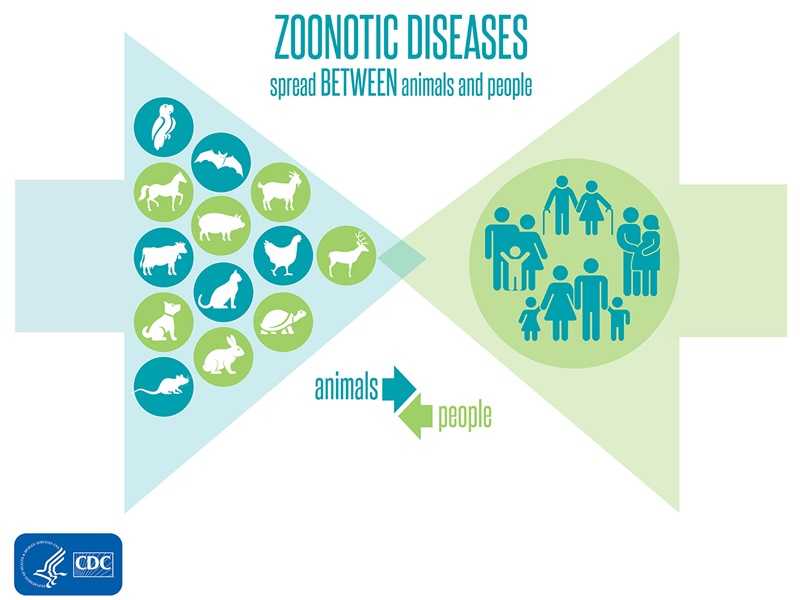
Did you know July 6 is World Zoonoses Day? Zoonoses are disease which can be transmitted from animals to humans. REDI-NET aims to detect, predict, and control zoonoses through next-gen sequencing, custom technology, & global collaboration. @NavalMedicalRC @wrbu_wrair @DoD_DHA
If you’re a mosquito control expert working to prevent these tiny pests from causing big problems in your community, check out CDC’s resources:
https://t.co/dpE32hM7AG
We are excited to be part of the DTRA-NK project funded by @doddtra for the prevention and response to vector-borne diseases! #OneHealth
More: https://t.co/izknTYpdMe
Illnesses that jump from animals to people, known as zoonotic diseases, cause roughly three-quarters of infectious diseases affecting human health. Keeping close tabs on these pathogens is essential to safeguarding human health globally.
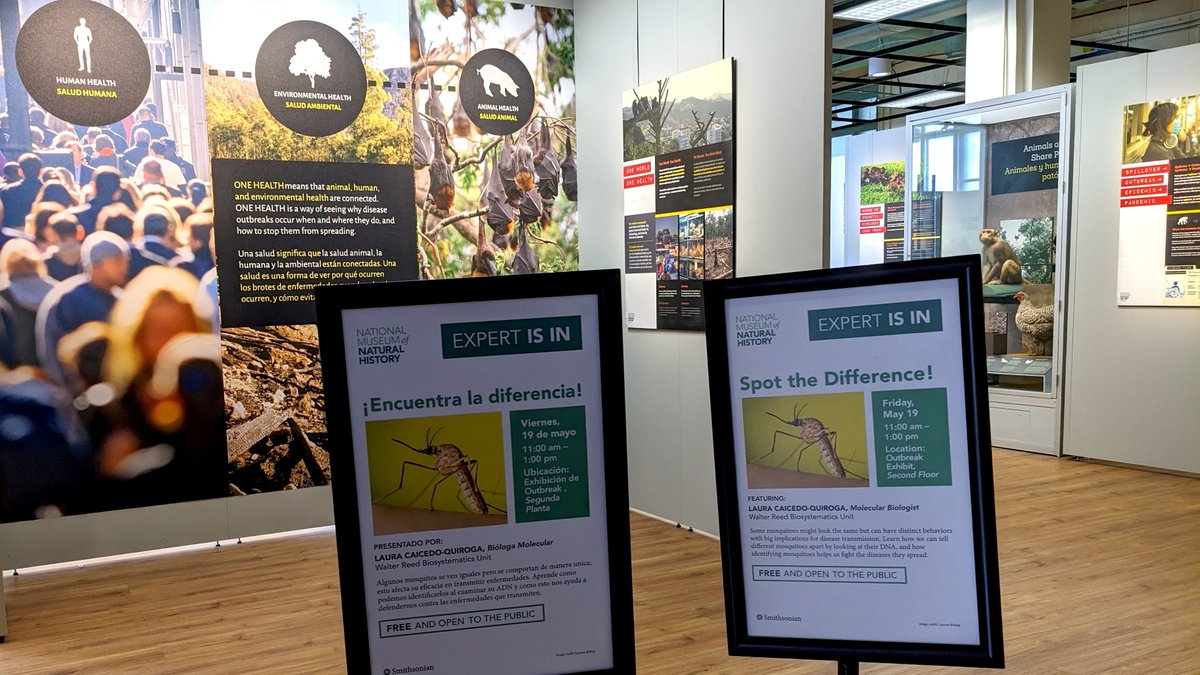
Our own Laura Caicedo-Quiroga, was the visiting expert @NMNH Outbreak Exhibit last Friday. It was 2 hours of lively discussion with the public about the Culex pipiens complex in USA and West Nile Virus! #expertisin#mosquito#westnilevirus#wrbu
Yesterday WRBU presented 3 posters at the One Health Research Symposium organized by @wrair and @smithsonian! @REDINET_Program research from Dr. Koray Ergunay, Dr. Hsiao-Mei Liao and Dr. Suppaluck Nelson and the launch of VectorMap by David Pecor and Alex Potter. #OneHealth
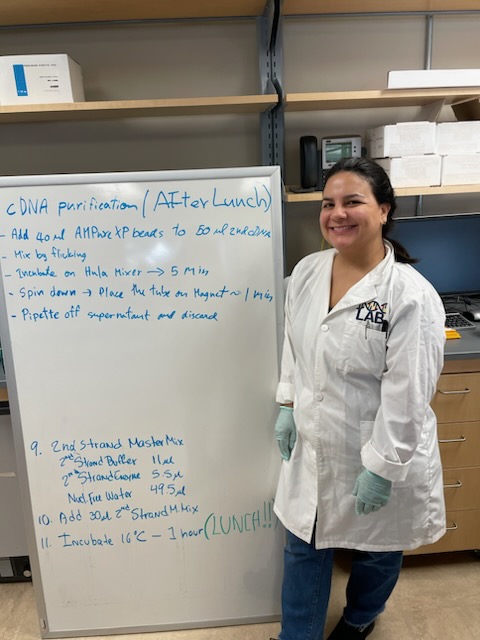
Last week we hosted our collaborators from the @mpala_rc for the @REDINET_Program Phase II SOPS workshop at WRBU. Thank you Hsiao-Mei Liao from @NavalMedicalRC for guiding us, and all who attended! It was a fun one! #wrbu#nmnh#redinet
Opinion piece: Urban #malaria may be spreading via the wind, which has potential implications for how we mitigate the #disease. https://t.co/W0gQ9LZIL8 #epidemiology#mosquito#Africa
Predicting the next vector-borne disease outbreak just became easier! 🦟🦟 Check out the relaunch of VectorMap––the world’s largest database of expertly curated arthropod vector collection data. https://t.co/FDe48kql5g
Happy #TaxonomistAppreciationDay!🎉🦟
WRBU’s Mosquitoes of the World is the global authority on mosquito taxonomy and summarizes the current classification, biology and distribution of over 3500 mosquito species. https://t.co/eiF3ZauSlP @NMNH
New WRBU paper describes transmission of feline leukemia virus (FeLV) and feline immunodeficiency virus (FIV) between domestic cats and guignas (Leopardus guigna)––a small felid––in human-occupied landscapes in Chile.
https://t.co/mvbyNx5HOJ
WRBU/@WRAIR paper presents a newly developed dual-phase process (comprising e-vouchering, and whole-genome sequencing with WRAIR's Illumina NovaSeq) for preservation of archive specimen data from two medically important insect subfamilies.
https://t.co/IolQmxo7WA
After lab-reared sand flies were fed artificial blood meals containing live attenuated Ebola virus (rVSV-EBOV) vaccine, no rVSV-EBOV levels were detected 7–15 days post-feed, suggesting low potential for transmission after feeding from a vaccinated person. https://t.co/AGeVXyrlwx
New WRBU paper: Two-year vector surveillance study finds combined indoor residual spraying and long-lasting insecticidal net use has caused substantial reductions in human exposures to malaria vectors in Mozambique.
Read the study: https://t.co/LwUJEEubVT