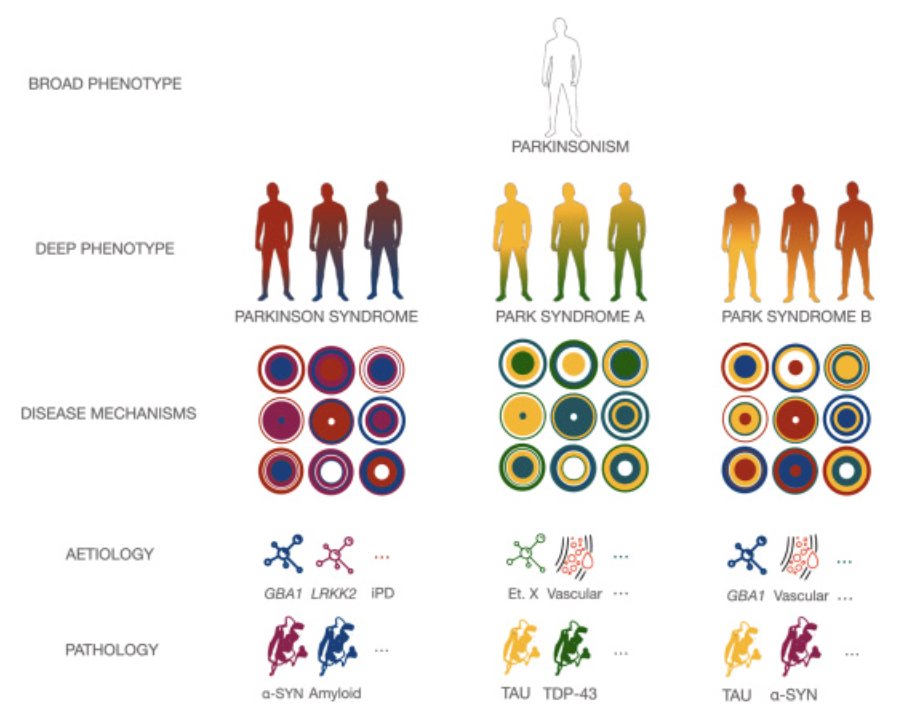
Is ‘Parkinson's disease’ is better thought of as a syndrome? Are there biologic drivers of Parkinson's which are becoming increasingly defined? Could biologic definitions herald personalized and precision treatments. Mulroy and @MarkHallett007 ask all of these questions and have written a beautiful paper in @ParkinsonismD.
https://t.co/pVieazdyIX #fixelinstitute #parkinsondotorg #Parkinsons
Our latest on a new and enigmatic, diagnostic sign in nonfluent variant primary progressive aphasia, aka the 'Vicar of Dibley' phenomenon - work led by Eoin Mulroy with Chris Hardy, @volkmer_anna, @charl_marshall
and friends
https://t.co/El4e3240VN
@DrOKaneAgain Same here. Ballot hasn't arrived yet. Got in touch with @TheBMA multiple times-told today that people not receiving the ballot is a common issue, and that it will be sent 'manually' if requested. Probably a good idea to contact @TheBMA directly to ensure it's on the way!
You can now watch the @BMA_Consultants industrial action ballot presentation with a voiceover by @trentconsultant on YouTube 👇🏻
https://t.co/roMFaiVLlP
@sarahneuro@ajlees@MDCP_Journal With respect to dementia,@cjhardy and @profjasonwarren have shown the many limitations of these approaches. We shouldn't kid ourselves that this is providing people with already impaired communication abilities better care.
https://t.co/tl4HohtoUO
@ajlees@MDCP_Journal Arguments that telemedicine decreases inequalities are interesting and worthy of further probing, though when subjected to scrutiny, not sure this theory holds up https://t.co/icVXXSzSx6
https://t.co/vD4V75kHPb
@ajlees@MDCP_Journal Doctors who enjoy seeing patients generally hate telemedicine. Most patients (certainly in movement disorders) feel similarly.
https://t.co/De2SB37ytx
Remote consultations may have value for some e.g. those travelling long distances - no question - but indiscriminate adoption across the board is neither desired by, nor good for patients #backtotheclinic
The medical industrial complex and academic junta promote telemedicine as a superior care delivery model. Movement Disorder patients clearly feel very differently @ajlees@kailashbhatia@menozzi_elisa https://t.co/QIKYeN6sCZ
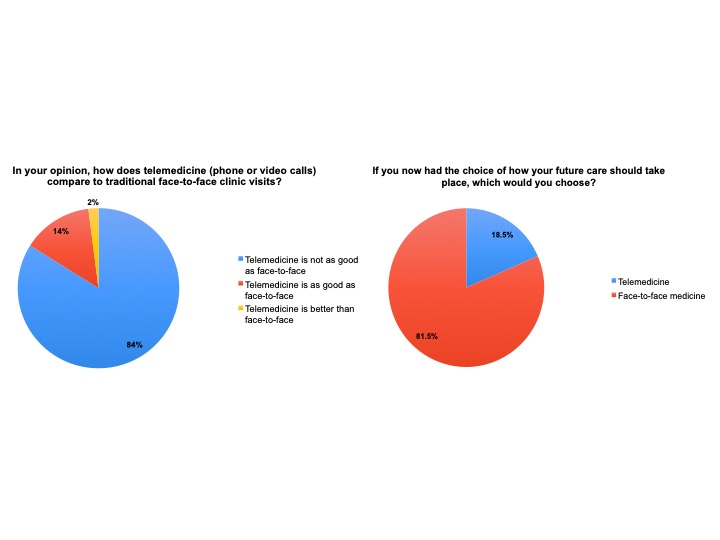
In our Queen Square cohort, 84% considered telemedicine inferior to face-to-face care, and 82% of patients would rather return to in-person consultations
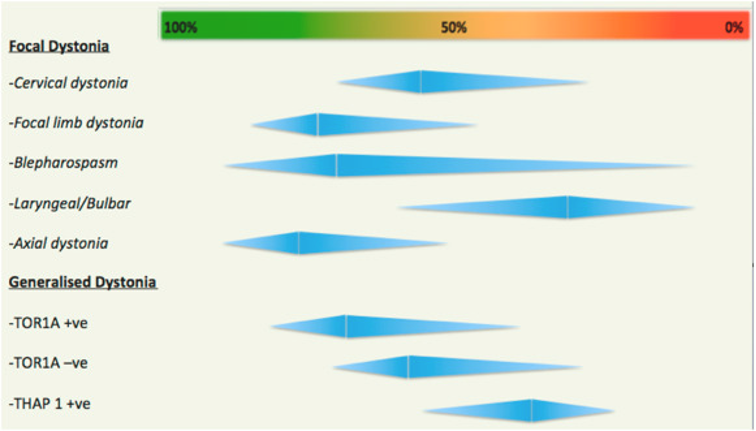
New in #PRDjournal by Mulroy and colleagues: A practical guide to troubleshooting pallidal deep brain stimulation issues in patients with dystonia. https://t.co/S3s5sZdbtL
#DBS#dystonia#globuspallidus
Virtual, transactional doctor-patient encounters are in danger of becoming the new normal. Our critical reflection on telemedicine for movement disorders articulates why we should resist 'second best' medicine for all.@ajlees@kailashbhatia@menozzi_elisa https://t.co/zinfgGOmNr