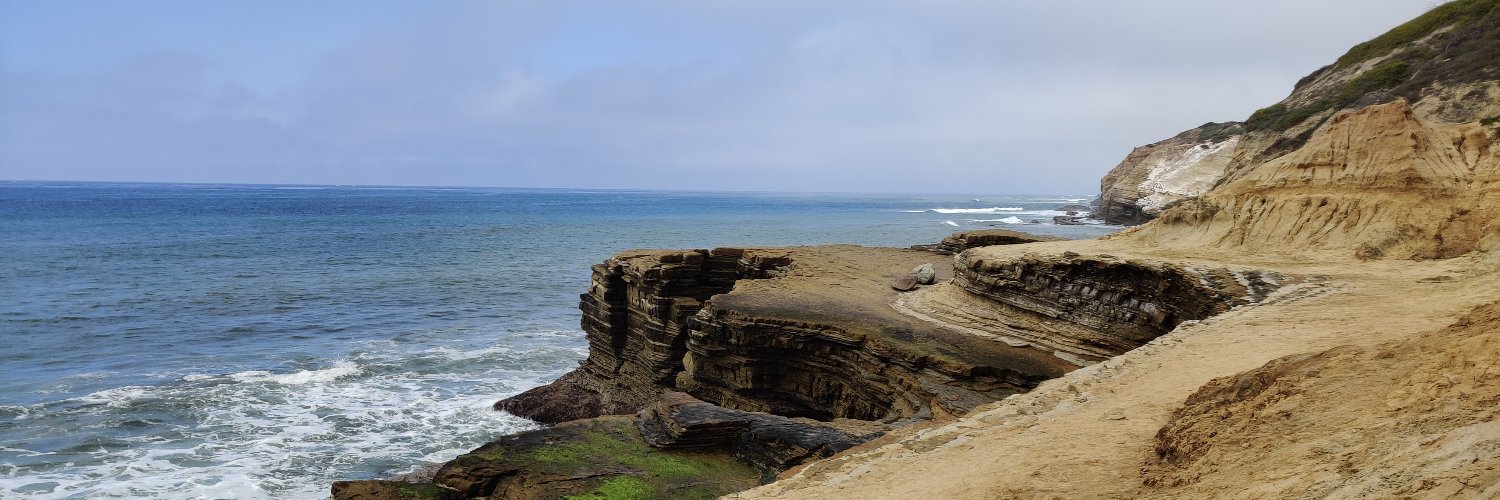
Debris from our recent hotfire anomaly may wash ashore in the coming days/weeks. If you encounter any debris, do not touch or approach it for your safety.
Please report the location immediately:
Call: 1-321-222-4355
Email: [email protected]
I've been coding for 40 years. Here are the top 5 things I wish I knew when I started.
1. 90% of the job is debugging and fixing, not creating new code. Which is still fun if you're good at it.
I used to think programming was mostly writing fresh, clever stuff. In reality, most of your time is spent in other people's (or your own past self's) messy code, chasing down why something that "should" work doesn't. Get really good at debugging early. Learn assembly reading, call stacks, and kernel debuggers. It pays off hugely. The best engineers I saw were absolute magicians at this.
2. Manage complexity from day one (ie: don't write slop and "fix it later" if it goes somewhere).
Very early on, I'd hammer out code and refactor afterward. Big mistake. Now I start with clean, skeletal structure (minimalism first) and flesh it out carefully, with AI or not.
Messy code compounds and becomes unfixable. Upfront discipline on architecture, naming, and simplicity saves enormous pain later, especially in large systems like Windows.
3. Tools and processes matter more than you think
We suffered with basic diff/manual deltas instead of modern source control like Git. Branching, testing, and good tooling would have made porting and collaboration way smoother. Invest in your environment, automation, and reproducible builds early. Good tools amplify your output; bad ones (or none) drag everything down.
4. Understand the problem and existing code deeply before writing
Don't jump straight to coding. Map out the problem, study what's already there (you'll inherit a lot), and plan. Low-level knowledge (hardware quirks, alignment issues on different architectures like MIPS/Alpha) was crucial. Also: assert early and often. It forces clarity.
5. People, politics, and "the right tool for the job" beat pure tech arguments.
Brilliant engineers still argue endlessly. Sometimes it's about ego, not merit. Learn to spot the difference and "steer" the conversation rather than "winning" it.
Bonus from experience: Side projects like Task Manager (started at home because I wanted the tool) can become your biggest hits. Ship small, useful things often. If you're just starting, focus on fundamentals, patterns over syntax, and building resilience for the long haul. It's going to be a wild ride, but the fundamentals still matter.
We’ve seen a lot of nonsensical CES trends over the years, but this year’s show is the one that felt most actively hostile to consumers. We’ve never felt more energized to deliver on our mission and fix this shit.
Surely no one could have ever foreseen that the copyright strike and DMCA system would be abused to take down our video. No one could have ever expected this. Thousands of viewers could never have downloaded the video in the event such a thing happened. We received a copyright strike overnight against our video, which has rendered it unviewable. We're working on legal pathways to reinstate it. More to share soon. But, seriously, surely no one could have seen this coming.
My 2024 spaceflight calendar is now available to pre-order with discounted pricing for pre-orders until late November → https://t.co/p2EOaFyoXj
Enjoy an out-of-this-world image each month, with photos of Starship, Falcon 9, Falcon Heavy, Terran 1, Atlas V, and Delta IV Heavy!
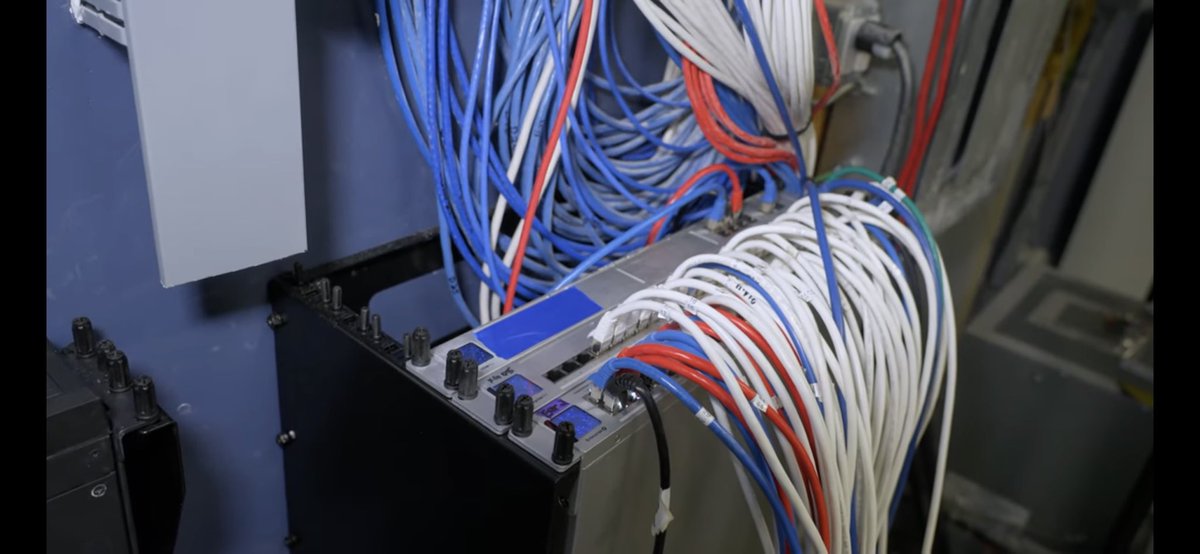
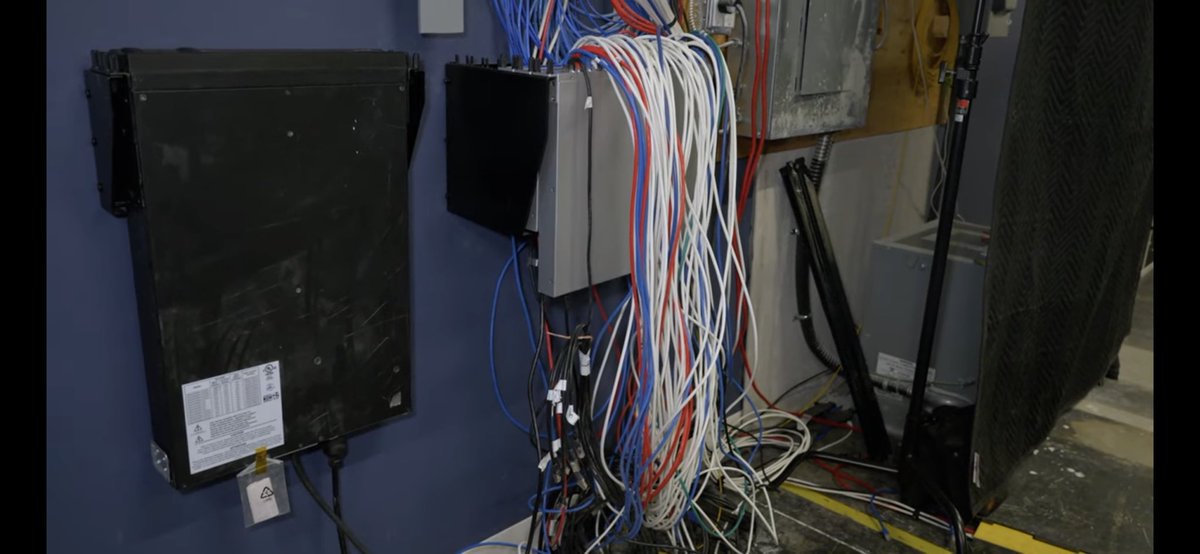
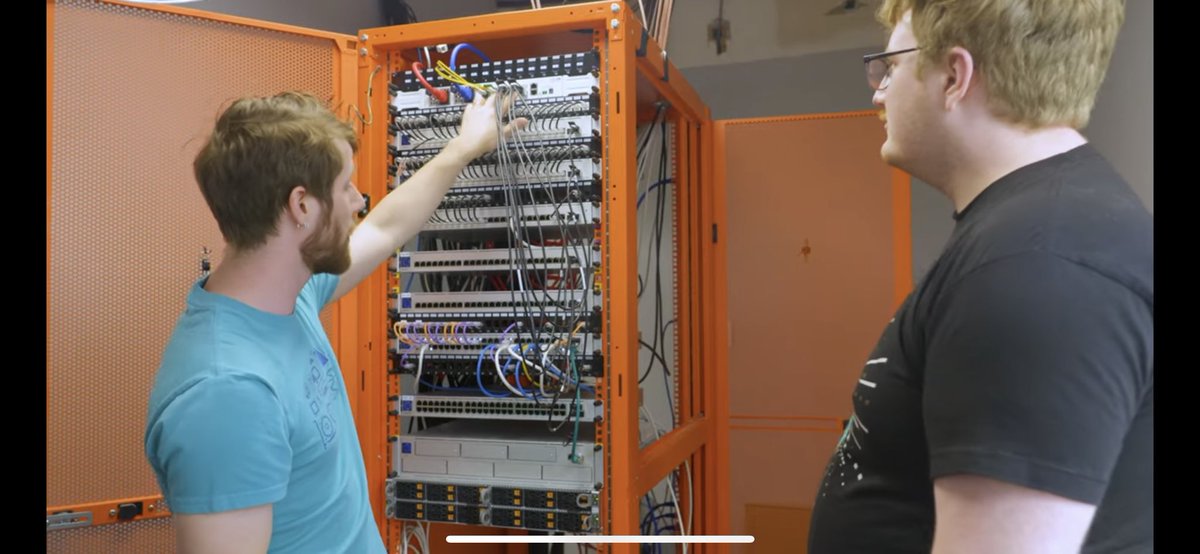
Alright @LinusTech absolutely love your content but please let me come fix your cable management for free 😅
The orange rack looks good ( at the front) but can be done better
After 17 years, today was my final day at EVGA as I have decided to pursue a new opportunity. I am forever grateful to be given the chance to make a career out of my passion for PC gaming and hardware. Looking forward to the next chapter and will have more details to share soon!