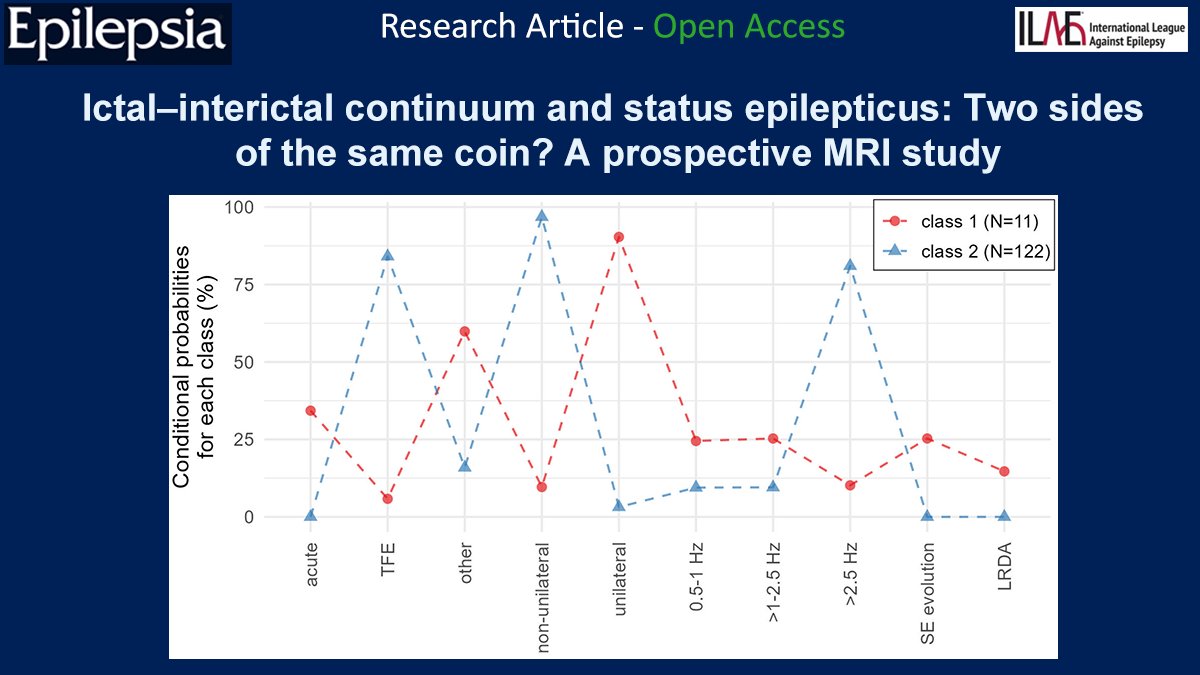
Early treatment prevents neuronal loss in experimental status epilepticus: A magnetic resonance spectroscopic imaging study https://t.co/QHXsOvGvRy #Neurology#Epilepsy
The neuropathology of "dementia epileptica"
Read the full OA article on "Hyperphosphorylated tau pathology in patients with epilepsy and dementia"
on
https://t.co/WPWA8tjK0V
Can non-invasive neuromodulation play a role in Super Refractory #StatusEpilepticus#SRSE ?
In a prospective series of 20 adults, adjunctive cathodal #tDCS was feasible and well tolerated; 4/20 showed short-term clinical + EEG improvement.
@BioMedCentral
https://t.co/FwEBzoOBLv
We recently discussed the need for OH data before extending rescue-treatment findings to #statusepilepticus. Here they are — 402 episodes meeting the >5-min definition. Encouraging observational data, although the lack of a control group still prevents efficacy claims.
Hyperphosphorylated tau pathology in patients with epilepsy and dementia - Neuropathological insights from a historical autopsy cohort https://t.co/3kMA2LbwvT #Neurology#Epilepsy
Major study on super-refractory #statusepilepticus. Even after >28 d of treatment, seizure cessation remained possible and mortality did not increase. Functional outcomes remain poor, but prolonged treatment should not automatically be considered futile. @JAMANeuro@epilepsiOUH
The main findings in this reprint are:
· seizure localisation and epilepsy duration are associated with the presence of pTau deposits.
· the extent of these deposits does not explain the clinical symptoms of dementia observed in the patients.
The neuropathology of “dementia epileptica”
An association between epilepsy and dementia is well established, but what is the link?
We here studied a historical cohort of patients that died between 1945-1982 with epilepsy and dementia
https://t.co/uWFt67ON1p
We should be moving to ketamine faster for refractory status. In this meta-analysis
1. Response rate was 64%
2. Median maintenance dose 2.5 mg/kg/hr,
3. Dose was the same between responders and non-responders. But... responders were started on KET earlier (3.2 vs 4.3 days)
4. Avg duration of KET 5 days
5. Minimal complications (<1%)
#curingcoma
https://t.co/fW7UQlmTDg
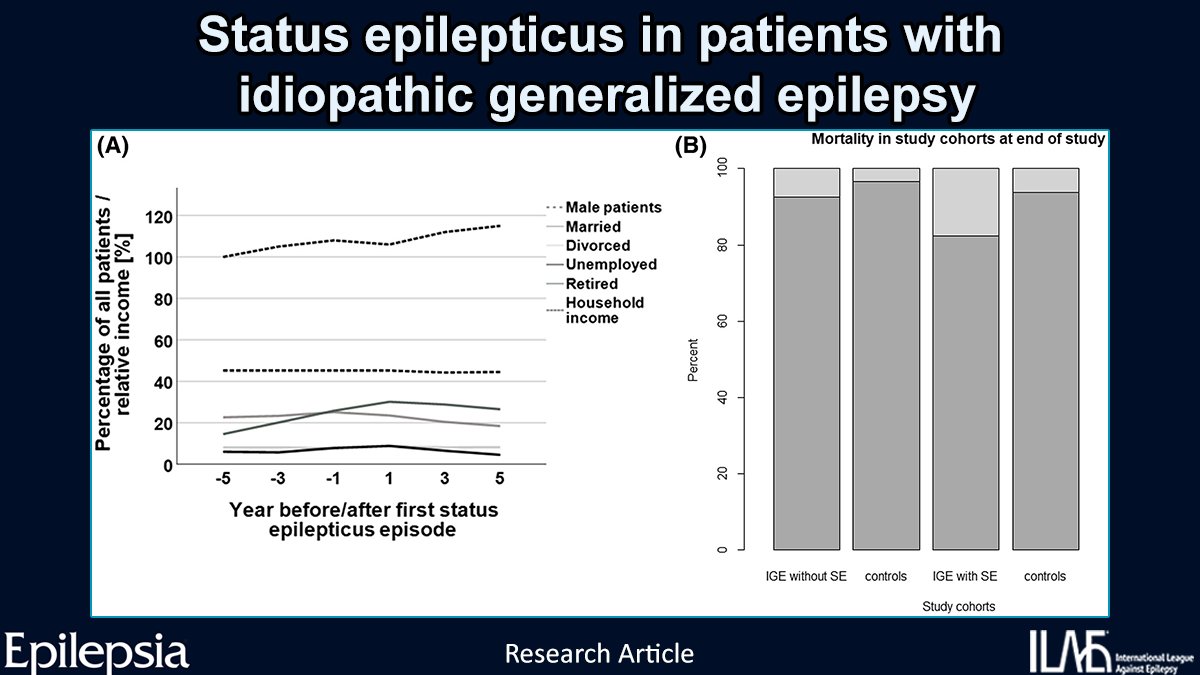
Status epilepticus = status epilepticus?
Are all status epilepticus equal? No!!!
In a population-based study in Denmark, all patients with, for example, juvenile myoclonic epilepsy or other idiopathic generalized epilepsy AND status epilepticus were examined.
All-cause mortality was nevertheless increased, albeit at a low level. The causes of death were all attributable to social disadvantage.
These results differ completely from other forms of status epilepticus, which have a mortality rate of over 50%!