https://t.co/a6foGtscta via @Hindawi
Our research, “Spatiotemporal Epidemiology And Evolutionary Dynamics of High Pathogenicity Avian Influenza (HPAI) H5N1 in Bangladesh”, has been published! Read it. @MarsKlaassen @EpsteinJon@Miladtwetter@Sharif_cvasu
Our research, "Potential risk areas and role meteorological variables on occurrence and persistence of H5N1 in the environment of LBM in Bangladesh," has been published; read it here @EpsteinJon@Sharif_cvasu@Miladtwetter
https://t.co/ok3INaEBHx
Thanks to the Asia-Pacific Biosafety Association for inviting me to present our work on proof-of-concept that One Health surveillance in EID hotspots can provide actionable public health data to reduce risk of disease spillover. @Biosaf_Hlth
Join ICMR in observing 'One Health Day', with a special webinar titled 'Nipah Virus Disease – A One Health Perspective.' This marks the kickoff of our monthly webinar series this November. Tune in at 5:00 PM via this link: https://t.co/qZeAq48GQe. #OneHealth#NipahVirusDisease
@MarionKoopmans It's most likely a sample size issue. Nipah infection typically occurs at a very low (<3%) incidence in Pteropus medius, the bat species that carries Nipah throughout India & Bangladesh, including Kerala. #PragyaYadav@icmr_niv previously found Nipah in these bats in Kerala.
It's most likely a sample size issue. Nipah infection typically occurs at a very low (<3%) incidence in Pteropus medius, the bat species that carries Nipah throughout India & Bangladesh, including Kerala. #PragyaYadav@icmr_niv previously found Nipah in these bats in Kerala.
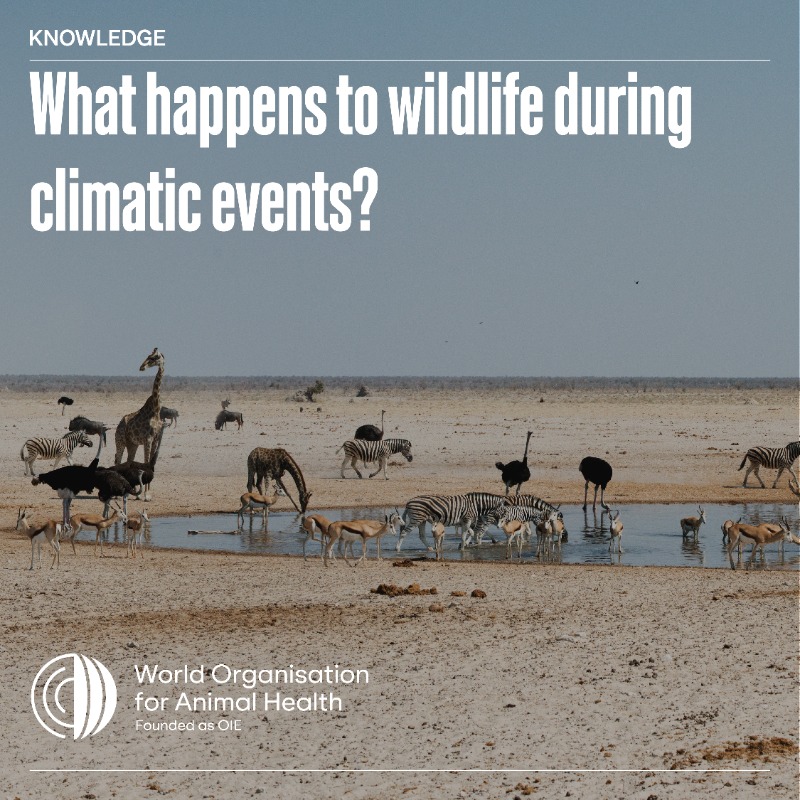
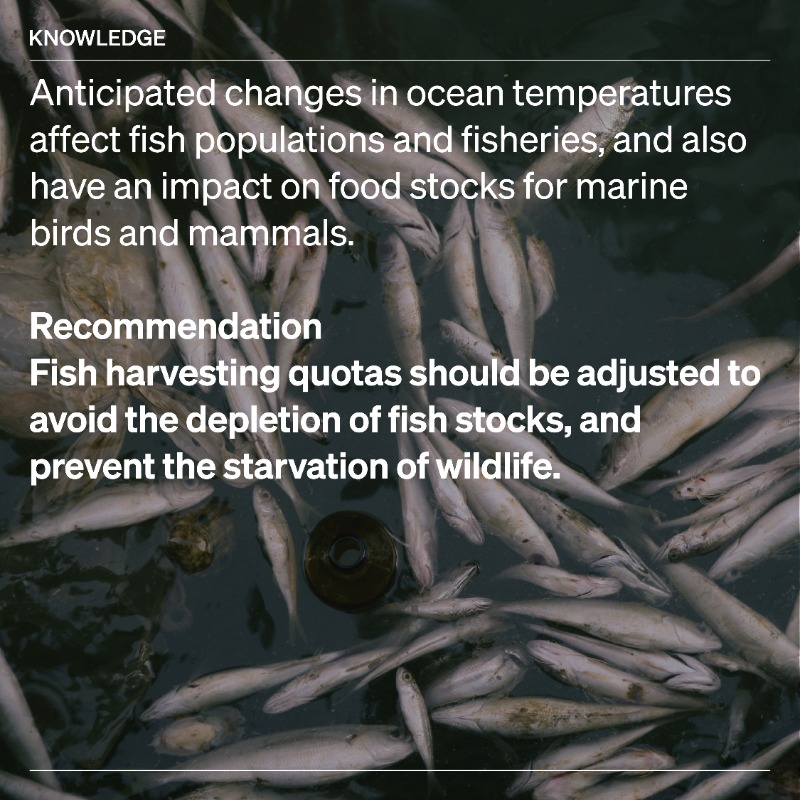
Climatic events like the ones induced by #ElNiño impact unmanaged wildlife populations too. Understanding the potential impact can help develop locally relevant plans and engage key agencies and community stakeholders in preparedness, and in designing communication strategiesClimatic events like the ones induced by #ElNiño impact unmanaged wildlife populations too. Understanding the potential impact can help develop locally relevant plans and engage key agencies and community stakeholders in preparedness, and in designing communication strategiesClimatic events like the ones induced by #ElNiño impact unmanaged wildlife populations too. Understanding the potential impact can help develop locally relevant plans and engage key agencies and community stakeholders in preparedness, and in designing communication strategies.
All thoughts with people of Bangladesh. With climate change, a mosquito adapted to urbanisation, dense populations, multiple serotypes circulating, late diagnosis, very demanding & difficult clinical care this will become increasingly frequent globally https://t.co/Jfo5jEyqdz
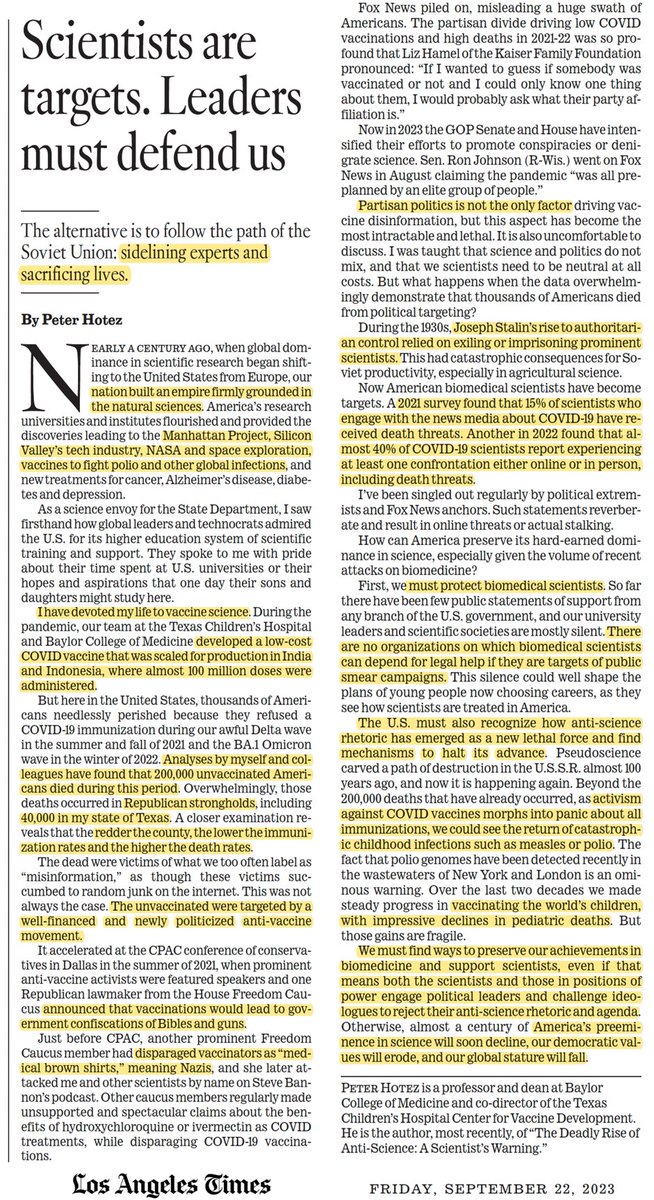
Many thanks again to the @latimes for rolling the dice with me on this opinion piece and standing up for science. Not long ago we took this for granted, but tragically for the nation this is no longer the case.
Coalition member @EpsteinJon from @EcoHealthNYC spoke about the need to invest in research to establish the frequency of spillovers in already mapped-out geographical hotspots globally.
World Resilience Summit: Public-Private Solutions to Feed into Pandemic Accord Negotiations. Glad that @EpsteinJon from @EcoHealthNYC could contribute to this! https://t.co/gwZIBHRC5N
We must learn from the past and work together across the human, animal and environmental sectors to shift the paradigm from rapid detection and response to prevention at the source.
Watch the conference live from April 3-5👇
https://t.co/aEe68EHOwO
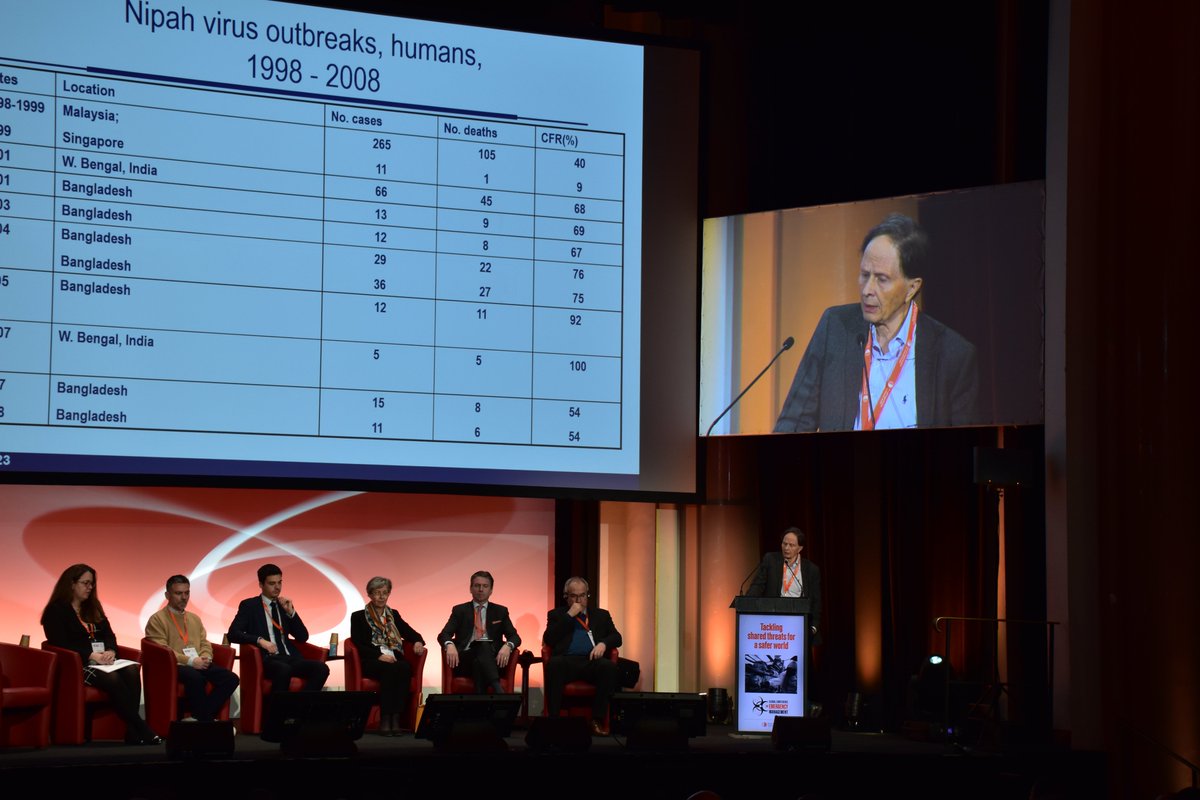
Infectious disease epidemiologist and public health expert David Heymann spoke at the #WOAHGlobalConference on #Emergency management about how pandemics over the past thirty years could have been prevented if the global community committed itself to the #OneHealth approach.
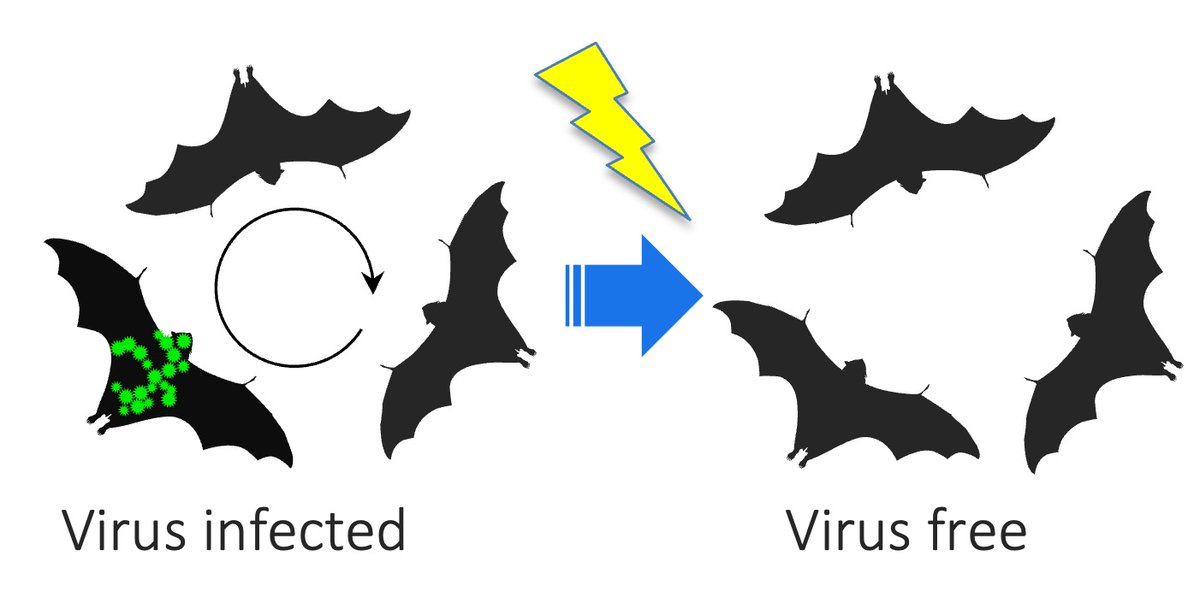
Big @batsgoviral week! In @PNASNews and @ScienceAdvances we test how to prevent zoonotic #spillover by interrupting virus transmission in bat reservoirs. Short story: culls didn’t reduce spillover but altered rabies spatial spread; transmissible vaccines may be a solution. A 🧵.
Bats, rodents and shrews have different beta diversity patterns in Africa. Find out more in our recent paper dealing with this exciting field:
https://t.co/88RC2HgNtQ
Many emerging disease events🦠 have been linked to wildlife, but human activities like ⭕️wildlife trade, ⭕️deforestation & ⭕️certain farm practices also drive interactions between humans & previously isolated species. Protecting wildlife, protects global health.
#EveryonesHealth