Bir yıl daha, hiç ayrılmak istemese bile zamanı gelince ağacından dökülmek zorunda kalan bir yaprak gibi gitti ömrümüzden. Tüm iyi insanlara bu yıl için dileğim, inancınızın umutsuzluğu hep yendiği bir yıl olması.
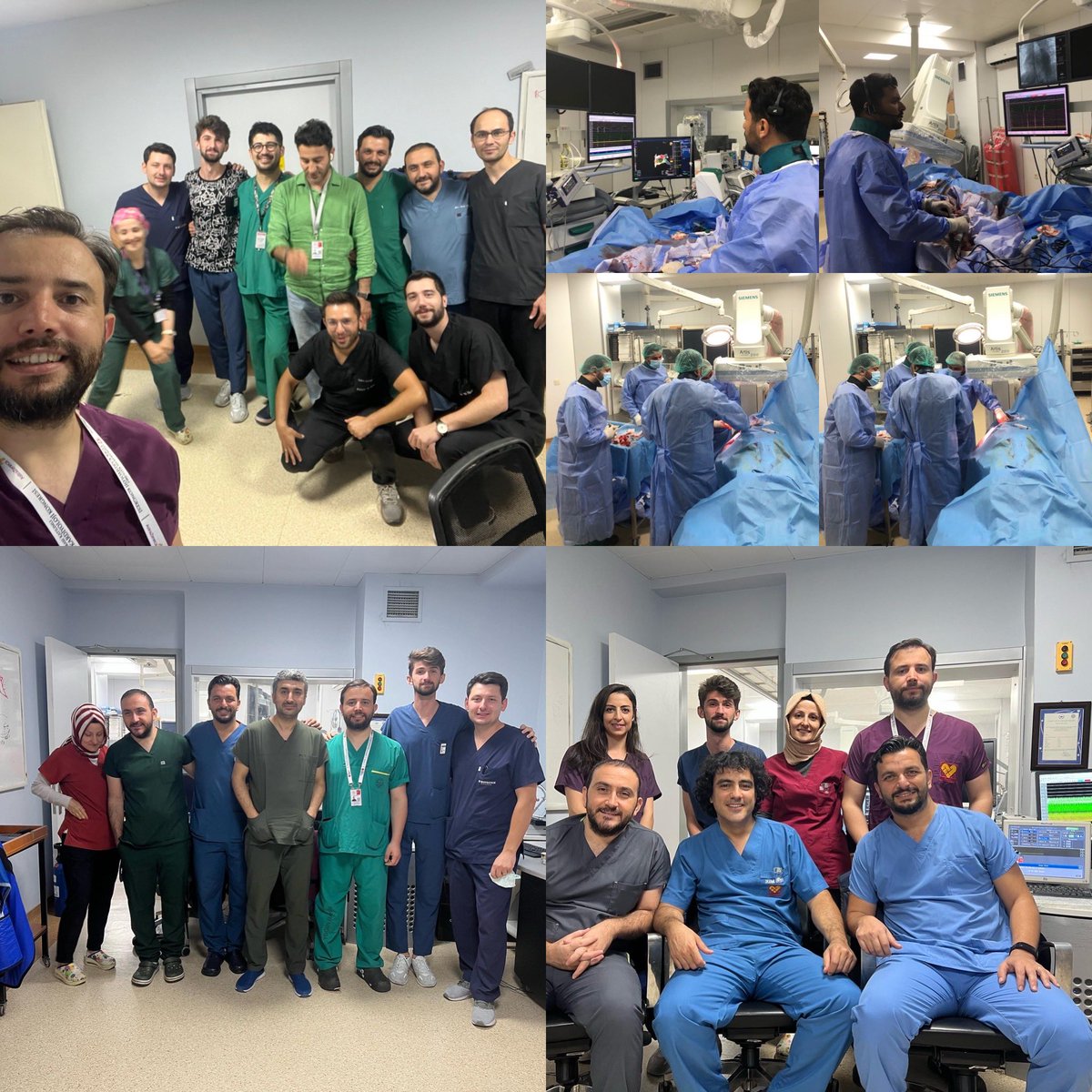
Akademik hayatım boyunca öğrencilerimize vermek istediğim tıbbi-insani değerlerin ülkemizin aydınlık geleceğine ufak da olsa katkı yapıp genç hekimlerimiz arasında yıllar sonra böyle güzel anılmak çok duygulandırdı beni ve sevgili @Sezerecee herşey gönlünce olsun sevdiklerinle😊
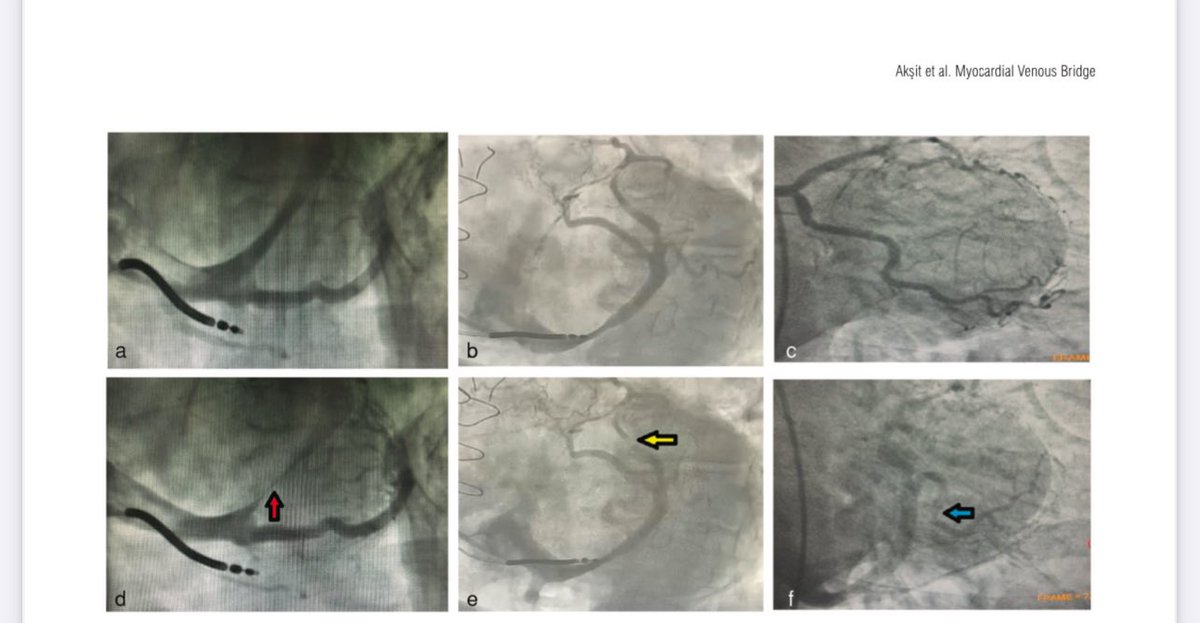
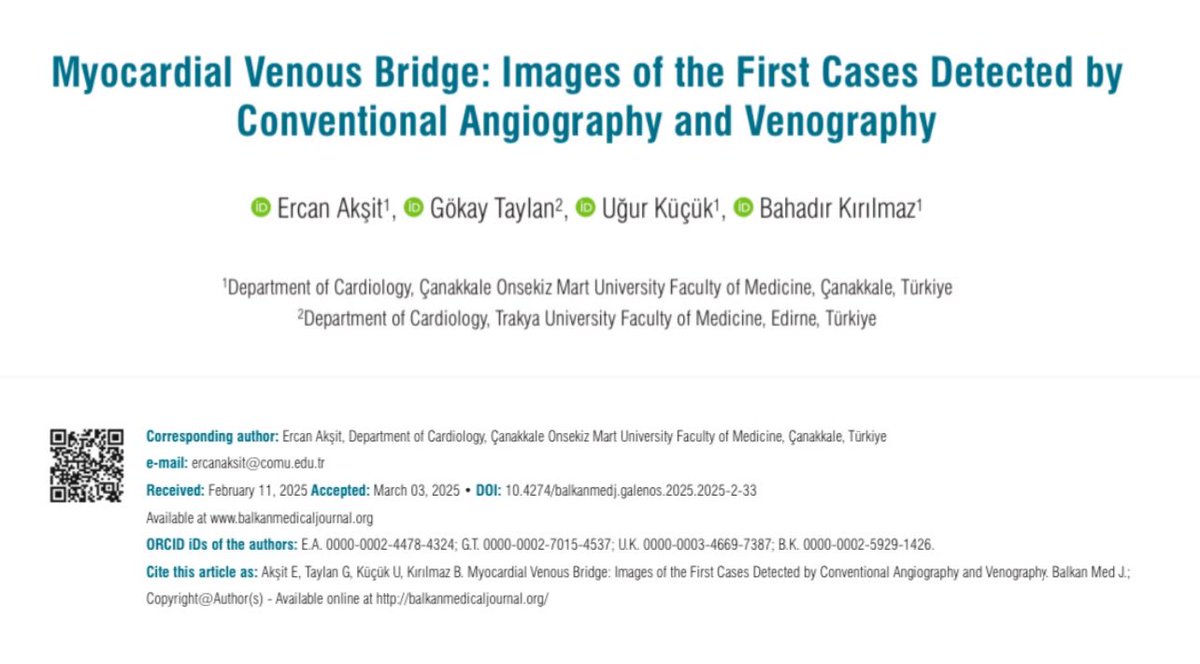
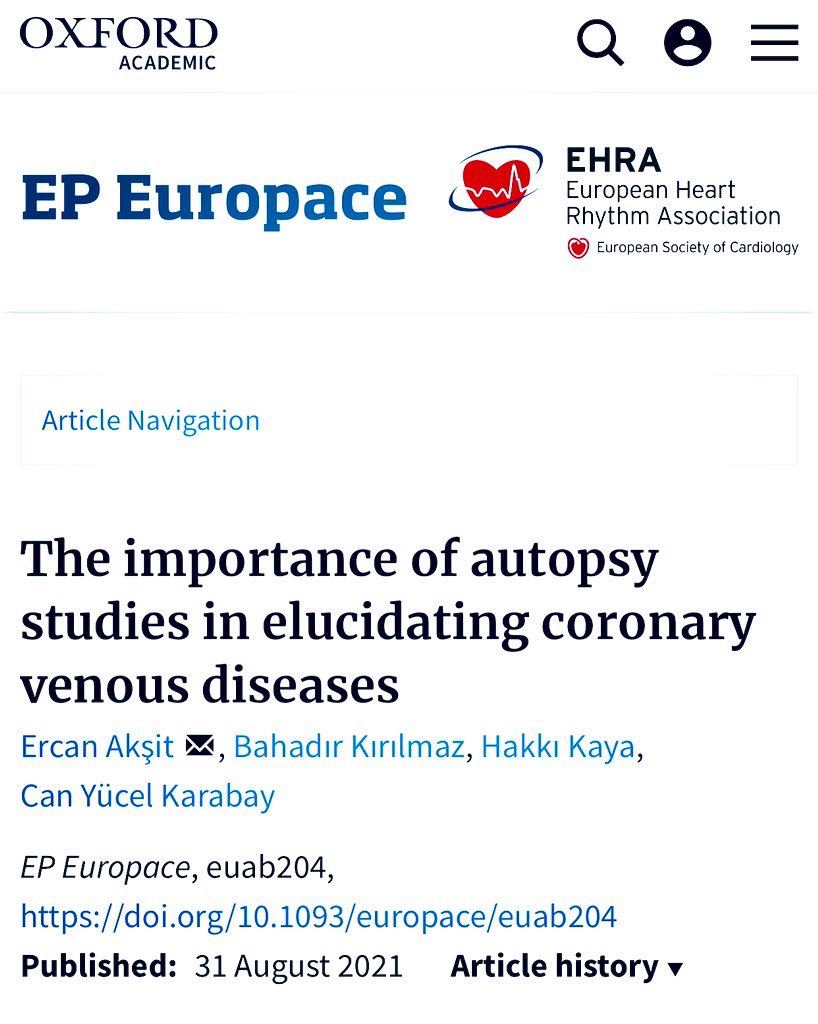
Imaging methods during the CRT is a unique tools for understanding coronary venous diseases. In addition, as a new entity, coronary muscular venous bridge and autonomic nerve bridges may explain the mechanism of VES in some patients @hfasgun@DrServetAltay@TKDResmi@escardio
Antifibrotic drugs are very important in ARVC patients, since ICD-related complications are common and their effectiveness is limited due to fibrous tissue @gokselcinier@canyucelkarabay@taylanakgun@TKDsosyal@escardio https://t.co/Ab5w24neVy
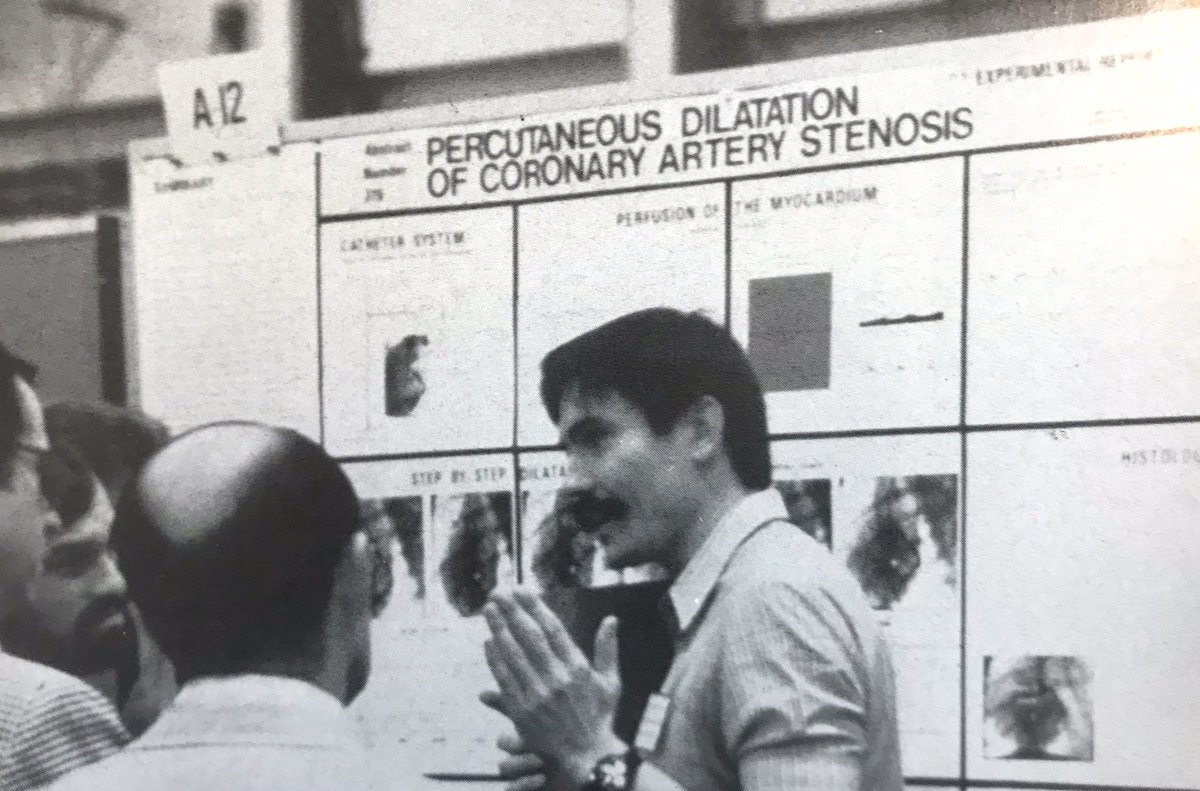
PTCA was reported first as a poster, then as a letter to the editor in The Lancet (1978): humble first steps of a revolution in treating CAD patients. I love this picture of a yet unknown Andreas Gruentzig, makes you resonate with enthusiasm. @cardio_red1 @shci_sec
A cardiologist proverb says: Behind every great artery is a great vein 😊The reverse is also possible so the next step is to define and classify coronary venous diseases @canyucelkarabay@bahkard@DrHKKKY@TKDsosyal@escardio
How Does Persistent Left Superior Vena Cava Affect Human Heart Health? for symptomatic patients a new hypothesis: Chronic coronary venous insufficiency @hfasgun@bahkard@EorduluGazi@escardio@ACCinTouch https://t.co/4Cg0tg9fYF