#thymictumors are rare, making collaboration and specialized care essential.
Drs. @StephenVLiu, @nicogirardcurie & @eripietroluongo discuss #thymoma and thymic carcinoma, from diagnosis and staging to treatment, emerging therapies & research.
🎧 https://t.co/9oqPfBhX9g
@Itmig_society #ITMIG #ThoracicOncology #LungCancer #LungCancerConsidered
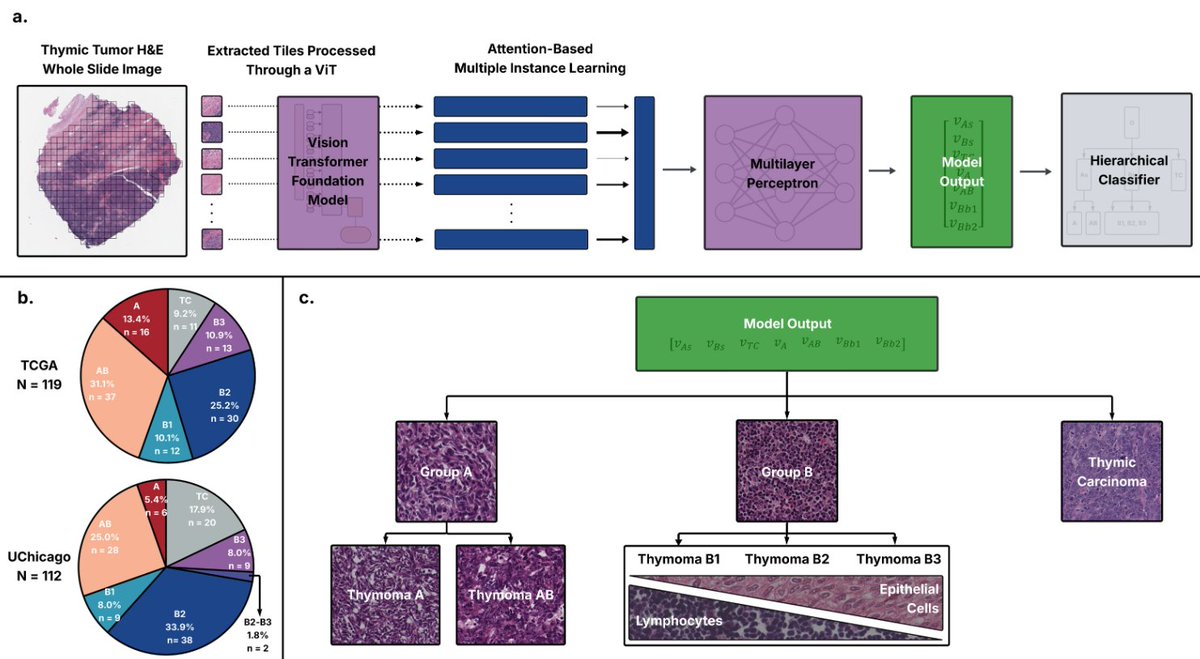
📰 New in ILCN: Drs. @eripietroluongo and @marinagarassino discuss the potential of deep learning models as a diagnostic tool for TET classification.
Read their insights now: https://t.co/vIV1x4kckk
#LCSM
Fantastic discussion on updates for thymic cancers - thymoma and thymic carcinoma - with Dr. @nicogirardcurie and Dr. @eripietroluongo for the @IASLC podcast, Lung Cancer Considered. Stay tuned for this episode next week!
Join us in Washington, DC on Saturday, October 10 for #DCLung26 - a one-day, comprehensive, multidisciplinary, discussion-based lung cancer CME update! Dr. @marinagarassino will join to discuss state of the art treatment for fusion positive NSCLC!
https://t.co/EGGHrShgD7
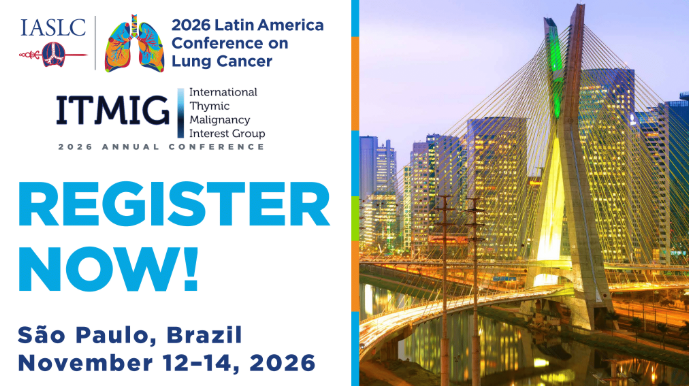
🚨 Registration is now open for #LALCA26!
Join the global thoracic oncology community in São Paulo, Brazil, Nov. 12–14, 2026, for cutting-edge science, collaboration, and networking. Register early and save your spot today.
Register now: https://t.co/ax2ftUYECx
#IASLC #LungCancer #ThoracicOncology
Our paper on integrated molecular profiling of thymic epithelial tumors (TETs) is now out in @JCOPO_ASCO!
We analyzed 138 TET samples using whole-exome + whole-transcriptome sequencing to map the genomic landscape of thymomas and thymic carcinoma (TC).
https://t.co/NhXpL9Mny8
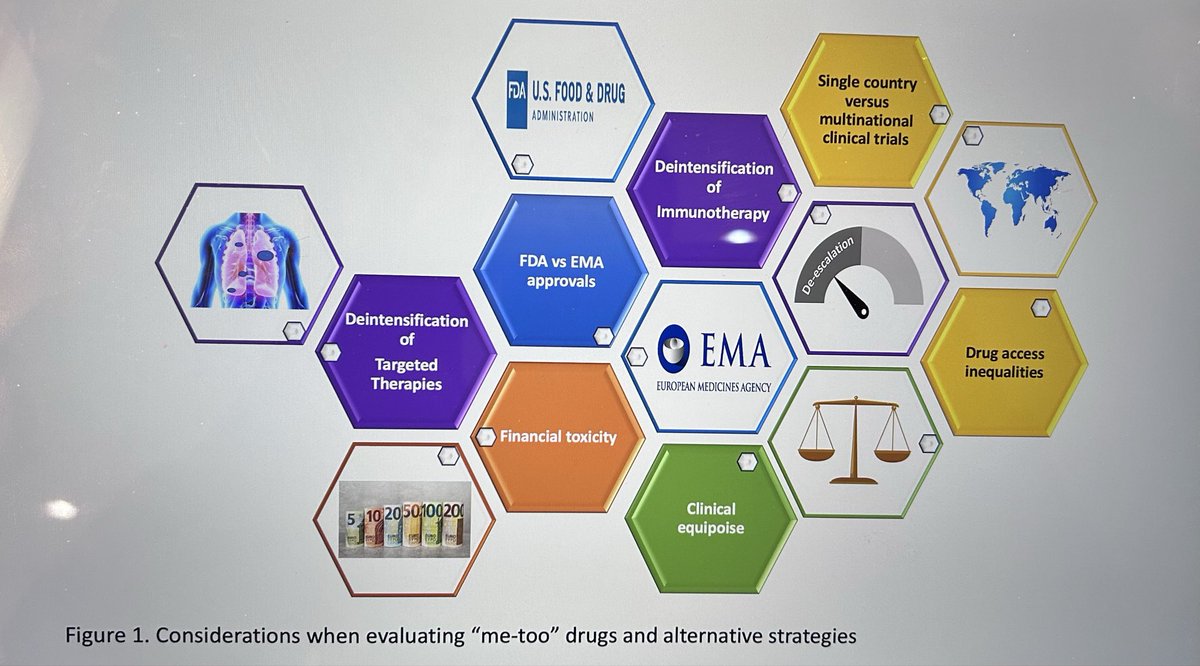
More drugs ≠ better access.Despite a crowded NSCLC landscape,global inequities persist—driven by cost, fragmented regulation,and trial design. Our publication argues dose optimization could be a path toward more sustainable and equitable cancer care.
doi:10.1200/EDBK-26-517100
Take a look at the latest research from @marinagarassino and colleagues showing how AI can help pathologists better classify a group of rare thymic tumors. @Annals_Oncology#CancerResearch
https://t.co/zYkg2YwqNa
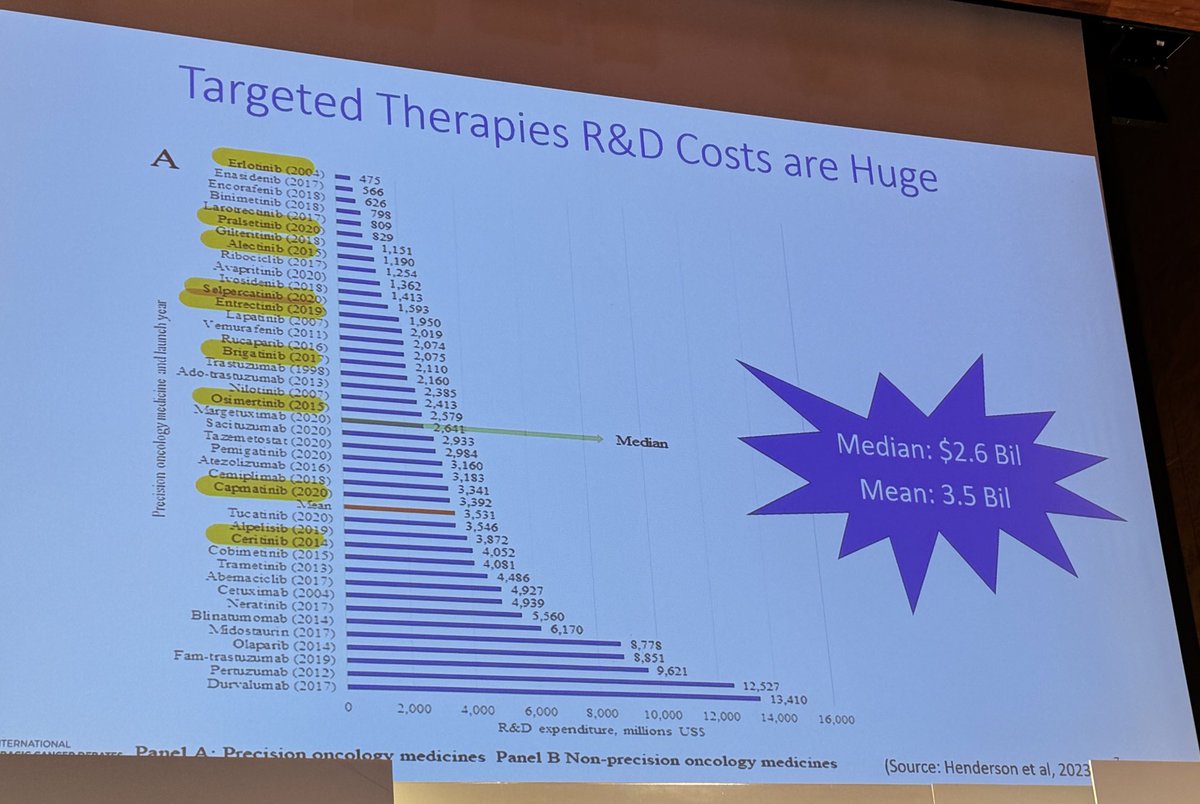
Brilliant talk at #ITSD2026 from Prof. @veronesi_pietro: the economic unfeasability of personalized medicine in lung cancer. R&D costs are in the billions for a single drug. Value of drug development dependent on incidence, competitive market, probability of success. There is no economic incentive to develop a drug if incidence is too low - with our current models. The future? Changing our process. Use of in silico modeling and AI to change how we use and how we approve drugs.
Dr. @marinagarassino breaks down TROP2 ADCs at #ITCD2026, comparing and contrasting competing agents. Impressive outcomes in EGFR+ but will the future be broader? NMR as an emerging biomarkers?
Perspective @NatureCancer on GLP-1 medicines and cancer risk. Reducing obesity can reduce cancer risk, but beyond that, GLP-1 receptors are expressed on certain cancer cells - could be good or bad. Real world studies suggest lower incidence of some cancers. Overall, impact on inflammation, TME, and cancer risk needs closer study.
https://t.co/EJyp6lBgAa
Helpful updated review on immune-related disorders associated with thymic tumors from Dr. @eripietroluongo including myasthenia gravis, pure red cell aplasia, and Good's syndrome. Prognostic implications remain unclear.
https://t.co/r7Z17AVzBp
Complete surgical resection remains the only potentially curative option for thymic epithelial tumors (TETs). Bang et al. found that perioperative pembrolizumab demonstrated promising rates of MPR, R0 resection, and long-term DFS in stage III to IV TETs. https://t.co/r0zSvfSmbC
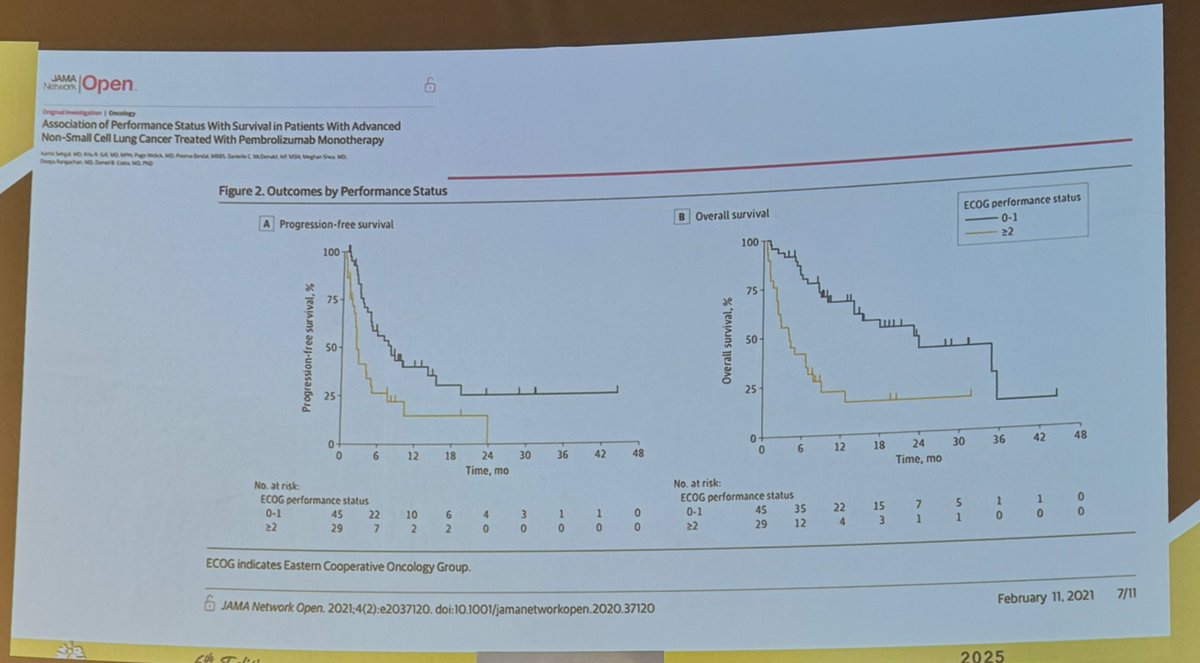
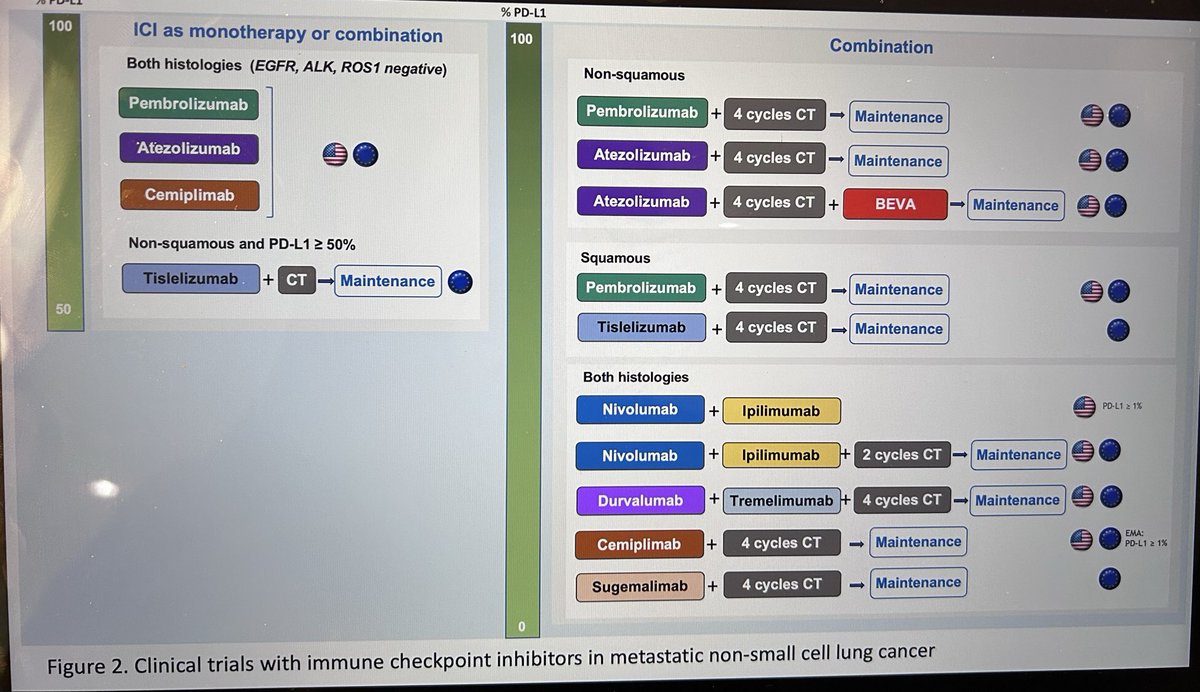
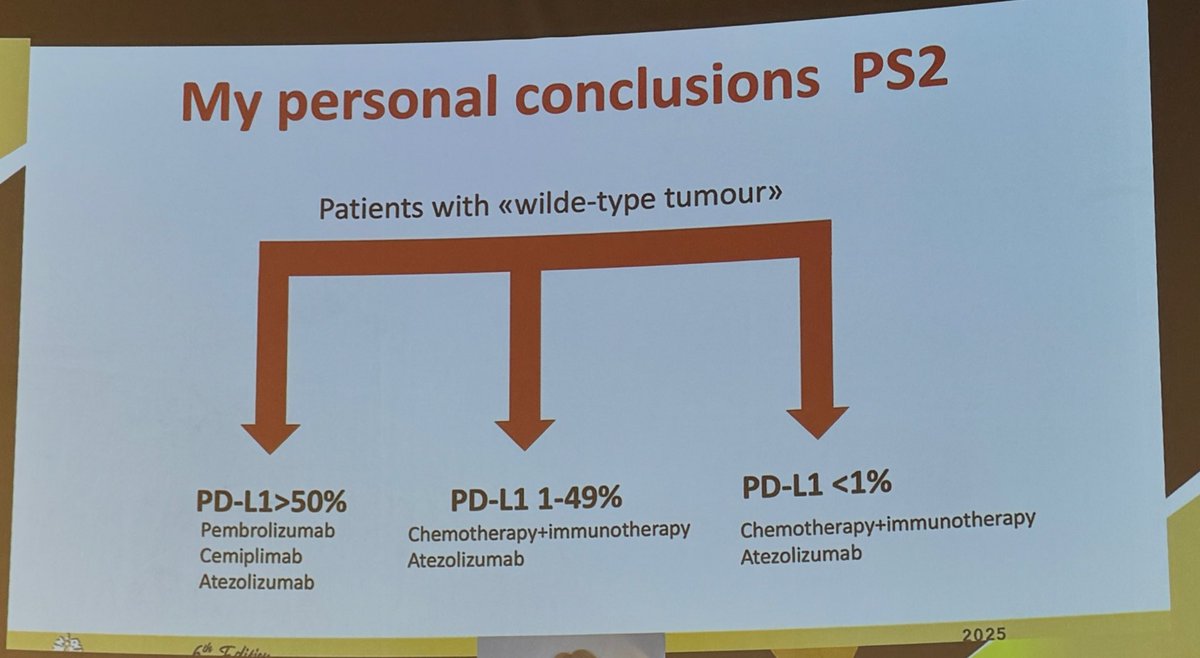
Dr. @marinagarassino joins Milano virtually to discuss immunotherapy in NSCLC and walks through her approach to PS2, an important substance guided by many studies including IPSOS by @ProfSiowMingLee, important to note the cause of the poor PS.
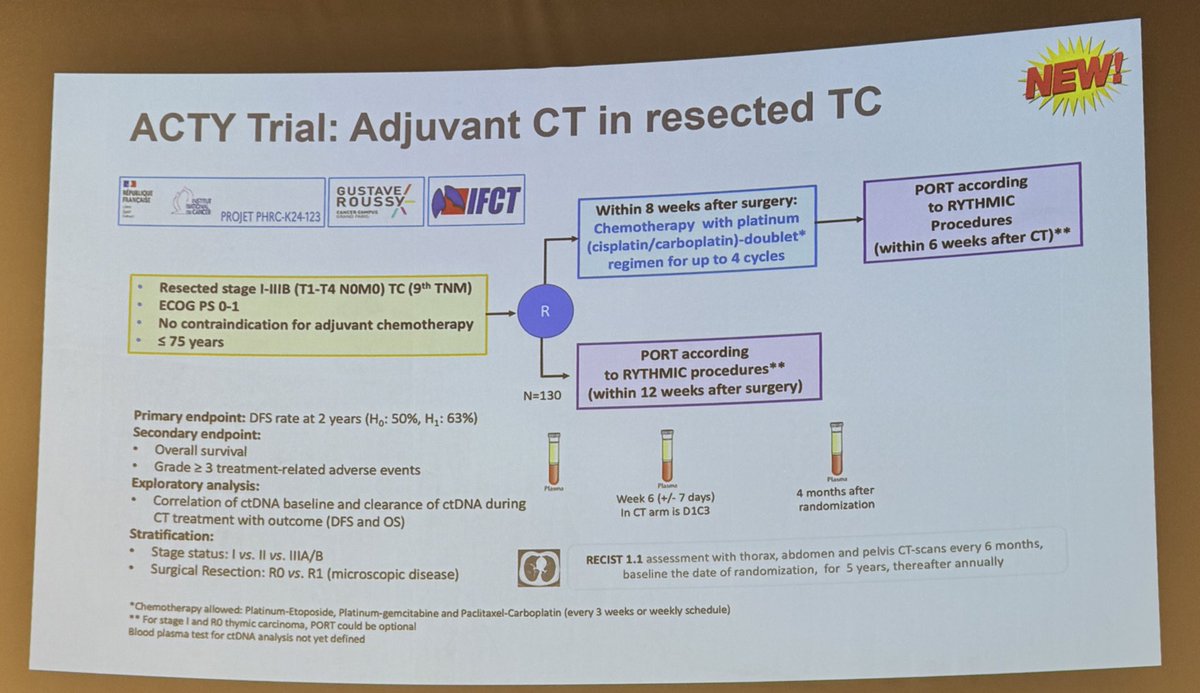
Dr. @JordiRemon with a masterful talk on thymus epithelial tumors. Pathology review important, as many are misclassified. Adjuvant therapy needs definitive studies - ongoing now. Immunotherapy can be active but will also have greater toxicity than in lung cancer.
New work from @UChicagoMed led by @GarassinoMarina 🇺🇸:
Routine H&E slides + deep learning enable reliable classification of thymic epithelial tumor subtypes, supporting digital pathology as a diagnostic aid in rare cancers.
Grateful for this outstanding team!
Well written review from Dr. @eripietroluongo on thymic neuroendocrine tumors @JTOonline. Limited prospective data but activity seen with everolimus, cabozantinib, radionuclide therapy. Surgery, chemoradiation preferred when possible
https://t.co/PyYXjKehY1