ESHCRU undertakes robust and policy-relevant research, based on the discipline of economics. Our aim is to address important policy questions about the funding, organisation and delivery of health and social care services.
Strengthen your decision-making in #HTA🚀
Join the Advanced Methods of Economic Evaluation for Health Technology Assessment 2026 short course for analysts, managers & policymakers.
📅 23 Feb - 24 April 2026
💻 Online learning with experts
🔗https://t.co/9HeoQejA7l
Our @eshcru research paper by @Idalo_lp and colleagues reached 9000 reads!
“Need, demand, supply in health care: working definitions, and their implications for defining access.”
https://t.co/zxrAq4QmRE
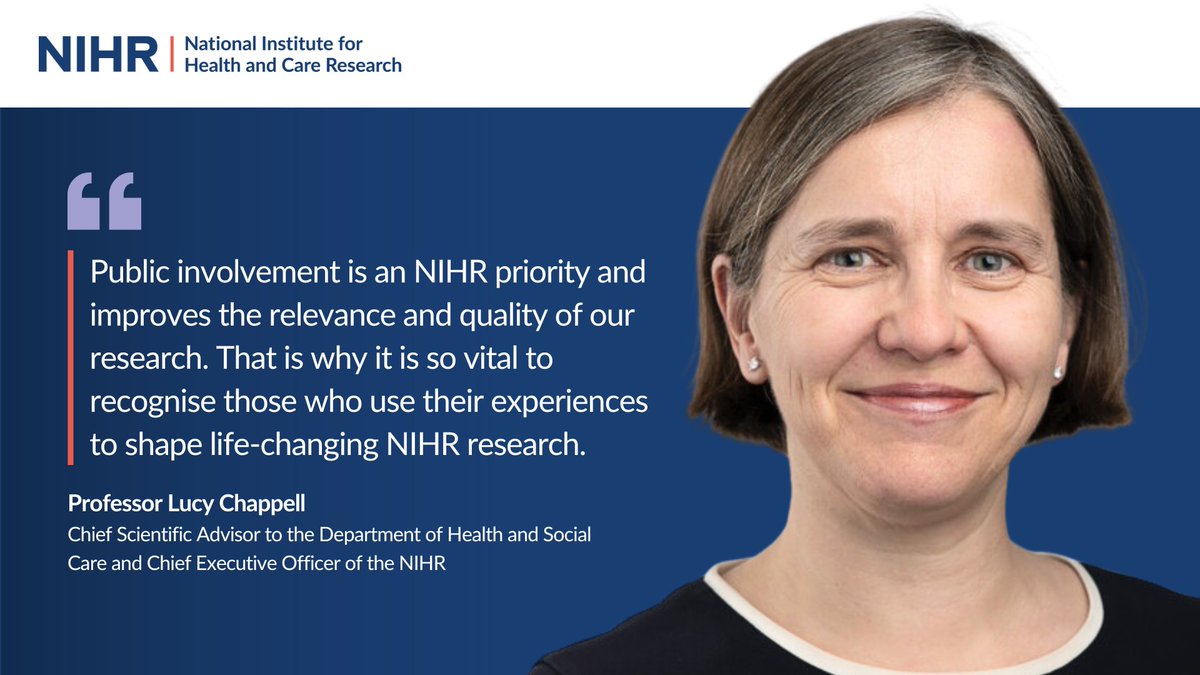
As part of our work to improve the reward and recognition of public contributors, we've increased the payment rate for public involvement within the organisation by 10%.
Find out more: https://t.co/5rF8YvL6Yr
The Stars of Social Care Awards are a duo of two glittering annual events for the home care and care home sector.
Closing date for nominations 1st May 2026
There is no cost to enter and all nominees will be entered into a PRIZE DRAW for a holiday for two! https://t.co/q0HDaeMrJQ
1/2 We’re still accepting applications for CHE’s 2026 PhD studentships 📢
Join one of the UK’s leading health economics research centres and shape real-world health policy.
Apply: https://t.co/MWOdDrwvbJ
Explore the research themes 👇
Can wearable technology improve health outcomes without placing additional strain on healthcare systems?
In our new blog, YHEC CEO Matthew Taylor reflects on his own life-saving diagnosis prompted by a smartwatch. He explores the clinical value, economic implications and potential unintended consequences of wearable health technologies. Drawing on evidence and personal experience, he considers when wearables add value and when they risk overdiagnosis, anxiety and inefficiency.
Read the full blog: https://t.co/e4KSODkeR4
#WearableTechnology #DigitalHealth #HealthTechnology
60% of the UK’s 60k annual hospital admissions for asthma are linked to improper use of medication. 🔍
New research shows that improving adherence could:
✔ Reduce >100,000 exacerbation events
✔ Improve symptom control
✔ Save the NHS ~£59m
🔗https://t.co/VXsmigEg5O
Patient & Public Involvement is central to the NIHR Policy Research Unit in the Economics of Health & Social Care Systems.
Recently, @JMGEcon delivered training in health econometrics to support public understanding of the methods used in our research. 👇
We've published our report: Reducing NHS waiting times for elective care
Billions of pounds of NHSE spending were approved by government without sufficient focus on what exactly it would deliver and without any focus on outcomes for patients.
Read more👇
https://t.co/up5slxyCAg
The large drop in immigration seen in today's ONS data will likely have huge consequences for social care.
The sector has been entirely reliant on care workers recruited from overseas to meet growing demand.
Read our statement 👇
https://t.co/oFOry2C0Hw
Do hospitals differ in how long renal transplant patients stay after surgery? And should that affect local prices?💡
Our study of 3,444 patients across 19 hospitals found few significant differences once hospital and patient factors were considered.
🔗https://t.co/EK5cJG9zpZ
The #NHSLongTermPlan proposes shifting resources from treatment to prevention. 🔄
EEPRU research shows this is evidence-based: public health spending delivers more #QALYs per £ than @NHS treatment.💡
Learn more👉 https://t.co/OzezV7njus
#HealthPolicy#NHS10YearPlan
Mental illnesses often begin in adolescence, costing ~4% of EU GDP (€600bn) in lost productivity, tax revenue & healthcare.💰
Prof Rowena Jacobs told @expresso why early intervention, evidence-based care & long-term investment matter. 👥
Read more: https://t.co/Uoa3vKA8ax
📢 Job alert – Researcher wanted!
We’re looking for a strong critical thinker with a good understanding of a range of qualitative research methods and an enthusiasm for high-quality analysis.
If you think this might be you, we'd love to hear from you: https://t.co/lkda8wOzyu
📣We're recruiting a Chair for the NIHR Policy Research Programme Funding Committee!
Lead the review of high-impact research that informs national health & care policy. We’re seeking a skilled leader with policy research expertise & experience engaging with decision-makers.
https://t.co/A4f4h2olJm
How does the movement of digital technology services to the community impact their value?
On 20 November, YHEC's Director of Digital Health Technologies Consulting, Hayden Holmes, will be presenting at the Methods for the Economic Evaluation of Diagnostics, Digital, Data and Devices (MEED) Research Forum 2025. Hayden will be presenting a case study to illustrate this challenge and will be outlining key factors to consider when considering the setting of health interventions.
To learn more about our work in digital health technologies, contact us: https://t.co/Aow5Ga5Z6Z
#Diagnostics #DigitalHealthTechnologies
What impact did our research have in 2024? 📊
CHE’s 2024 Annual Report showcases a year of innovative research and policy impact in #HealthEconomics in the UK and globally.
Includes research summaries, events, spotlights, courses & publications.
🔗https://t.co/jvSZDm21uZ