50 Sitios Web de los que No Podrás Salir Durante Horas Una Vez que Entres
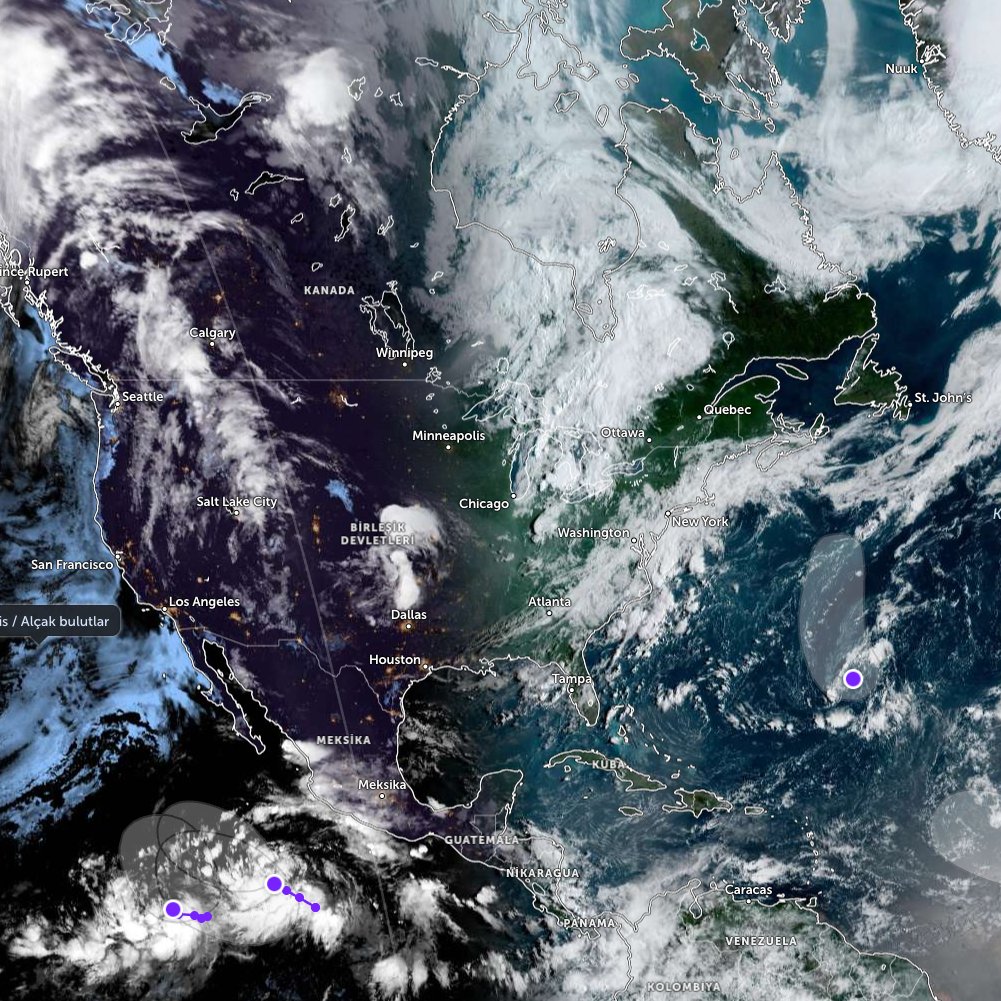
1.) 'https://t.co/jzL26i024b' — Observar el mundo con imágenes satelitales en vivo
2.) 'https://t.co/cqb8qJ5Dwy' — Ver todos los aviones en el cielo en este momento
3.) 'https://t.co/NTP5ebhGEc' — Academia de IA para todas las edades
4.) 'https://t.co/Ty7RCAhpA0' — Mapa en vivo de vientos y tormentas
5.) 'https://t.co/IPnWot81h2' — Observar en tiempo real los rayos que caen en el mundo
6.) 'https://t.co/Eeaa7SSR0h' — Lista en vivo de los últimos terremotos
7.) 'https://t.co/24WP7LoutN' — Cables submarinos que transportan internet
8.) 'https://t.co/O0MxoJtqW8' — Observar la deforestación de los bosques desde satélite
9.) 'https://t.co/ak5Bc2aoKM' — Estadísticas del mundo actualizadas segundo a segundo
10.) 'https://t.co/RFGnthoD9o' — Número de tweets y búsquedas en este momento
11.) 'https://t.co/yD9bEMzsEg' — Comparar los tamaños reales de los países
12.) 'https://t.co/zPpoBjTGLM' — Mapas de hace siglos
13.) 'https://t.co/NSUuRwyroP' — Archivo de 150 mil mapas históricos
14.) 'https://t.co/uVuaUGPjVh' — Mapa mundial dibujado por voluntarios
15.) 'https://t.co/6wPJdwNNa3' — Mirar el mundo desde la ventana de alguien al azar
16.) 'https://t.co/udPg7KiLo5' — Paseos virtuales por ciudades
17.) 'https://t.co/7Cln3yK2tT' — Teletransportarse a un punto aleatorio del mundo
18.) 'https://t.co/XXMio42dqU' — Catálogo de los lugares más extraños del mundo
19.) 'https://t.co/xxjISC6njF' — Experiencias interactivas de conocimiento
20.) 'https://t.co/9lqs8w5icr' — Viaje a escala desde el átomo hasta el universo
21.) 'https://t.co/IvXRNQsPRi' — Explorar el sistema solar en 3D
22.) 'https://t.co/qtSz0kXse7' — Mapa real del cielo en el navegador
23.) 'https://t.co/qQvk25UpID' — La foto astronómica del día de la NASA
24.) 'https://t.co/wOUDsYWRqG' — Todo el archivo visual de la NASA gratis
25.) 'https://t.co/yrDJD7RCoS' — Artículos visuales narrados con datos
26.) 'https://t.co/2P4sHiNeS6' — El estado del mundo con datos reales
27.) 'https://t.co/OfbmZ7T4kf' — Lo que creemos saber erróneamente sobre el mundo
28.) 'https://t.co/1KE8LKfmd9' — Visualizar datos complejos
29.) 'https://t.co/YjpLudEIDm' — Datos abiertos del Banco Mundial
30.) 'https://t.co/5ek9DPJKqZ' — Base de datos oficial de estadísticas de Turquía
31.) 'https://t.co/BmDGWDdPQC' — Archivo de millones de libros, películas y software
32.) 'https://t.co/22qRI6GdQ0' — 70 mil libros gratuitos con derechos de autor expirados
33.) 'https://t.co/aIkeBiAFEI' — Registro de todos los libros del mundo
34.) 'https://t.co/NrOvLdXIdR' — Archivo digital de la Biblioteca del Congreso de EE.UU.
35.) 'https://t.co/hnkGN9oQj3' — Archivo del patrimonio cultural de Europa
36.) 'https://t.co/QBSIMabP4g' — Colección de biblioteca digital de América
37.) 'https://t.co/M5kLMnpdji' — Recorrer museos desde casa
38.) 'https://t.co/CQgBLaPOBP' — Descargar obras de arte en alta resolución
39.) 'https://t.co/woOBcLVwAA' — Archivo de 250 mil obras de arte
40.) 'https://t.co/V0OWpA2M1h' — Tesoros visuales olvidados de la historia
41.) 'https://t.co/eiFR66pX21' — Archivo gratuito de cultura y educación
42.) 'https://t.co/ti5jKF3VXm' — Colección abierta del Museo Metropolitano
43.) 'https://t.co/sxiKxAe5EB' — Árbol genealógico de los géneros musicales
44.) 'https://t.co/SxZW8nULFp' — Seleccionar país y década para escuchar esa era
45.) 'https://t.co/GEDdbupuyg' — Convertir ediciones de Wikipedia a audio
46.) 'https://t.co/rWUJuFSpQO' — Pozo de conocimiento aleatorio
47.) 'https://t.co/RmfoqmuFVG' — Tiempo, amaneceres y eventos celestes
48.) 'https://t.co/TUlXyM03Vg' — Flujo actual de noticias científicas
49.) 'https://t.co/r8etB8il4H' — Preimpresiones gratuitas de artículos científicos
50.) 'https://t.co/yVyzNYjZIQ' — Visualizar datos con código en vivo
Internet no se limita a esos cinco sitios que el algoritmo pone frente a ti.
Rome handed out free grain to 40,000 citizens in 73 BC. By 46 BC, Julius Caesar found 320,000 people lining up for their monthly ration. That eight-fold expansion happened in under three decades, and it shows you how welfare states actually grow.
No Roman senator stood up and announced a plan to addict a third of the city to government bread. It happened incrementally, through political competition. Each magistrate who wanted votes expanded eligibility. Each expansion normalized the next one. The citizen who once considered the dole shameful eventually expected it, then demanded it, then organized politically to protect it.
This is the core mechanism free market thinkers have identified across every era: once you create a transfer program, you create a constituency for that program. Recipients vote. Administrators build careers. Grain merchants who supply the state develop a stake in keeping the contracts flowing. The political economy locks in.
Caesar, to his credit, actually cut the rolls back to 150,000 through verification audits. It was one of his more economically coherent moves, though the Senate still murdered him. His successors quietly let the numbers climb again.
What did the dole require? Massive grain imports from Sicily, Sardinia, and Egypt, organized through state logistics at state expense, funded by taxation and conquest. When the conquest revenue dried up, the obligation remained. Rome had written a check against future military success, and future military success eventually failed to arrive.
The lesson is not complicated. Distribute a benefit and you distribute dependency. Distribute dependency and you distribute political power to whoever controls the distribution. The grain dole didn't weaken Rome overnight, but it made every subsequent reform politically impossible.
This is Naval Ravikant.
One of the clearest thinkers alive on wealth and freedom.
Here are 15 of his ideas that will change how you think about money:
KOBE BRYANT’S 10 RULES:
Get better every single day
Prove them wrong
Work on your weaknesses
Execute what you practiced
Learn from greatness
Learn from both wins and losses
Practice mindfulness
Be ambitious
Believe in your team/yourself
Learn storytelling
"Ten years from now, you will surely become someone. The big question is, who?" — Jim Rohn
You don't get to opt out of becoming. You only get to choose the direction.
In my early days, I had to numb myself. There was so much work. The amount of work you can only measure by how much it weighs. And if I stopped to think about how “unfinishable” the amount of work I had to do was, I would’ve quit.
So I did the only thing I could do, I’d take the first thing off the stack and start…without thinking about how shitty & alone I felt. And how everyone I knew was enjoying their life in their perfect bubble of security following the path someone else put in front of them.
There’s a reason race horses wear blinders. Focus only on what’s in front of you.
You’ll get through it. Keep going.
Just a reminder that Elon's biography will teach you more about greatness than 99% of all other books. Every builder, founder, and entrepreneur should study his life and frameworks. This one man can, has, and will continue to shape The Greats for decades to come.
Marco Aurelio escribió esto hace más de 1800 años:
“Cuando te levantes por la mañana, piensa en el privilegio que es estar vivo, pensar, disfrutar, amar.”