Anyone else have a weird experience lately w/ @saks ? Placed an order last week and card was charged but no confirmation email. Getting a different answer from customer service every time I contact them and still don’t know whether my order exists. #needfortweed
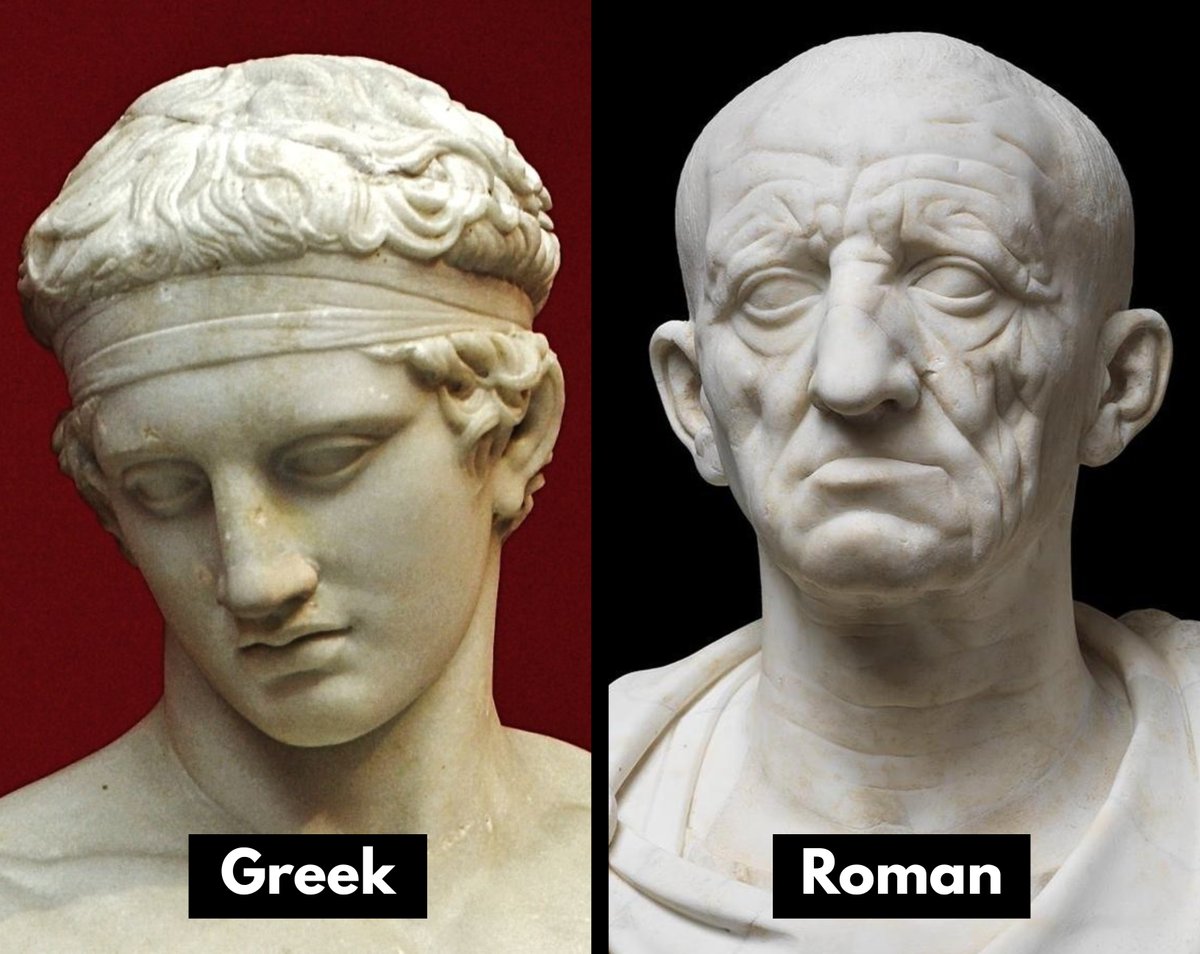
Want to know the difference between the Ancient Greeks and the Ancient Romans? Just look at their statues.
Art always tells you what a society wants to believe about itself.
So, from the Soviet Union to the Marvel Cinematic Universe, here's what art says about who we are...
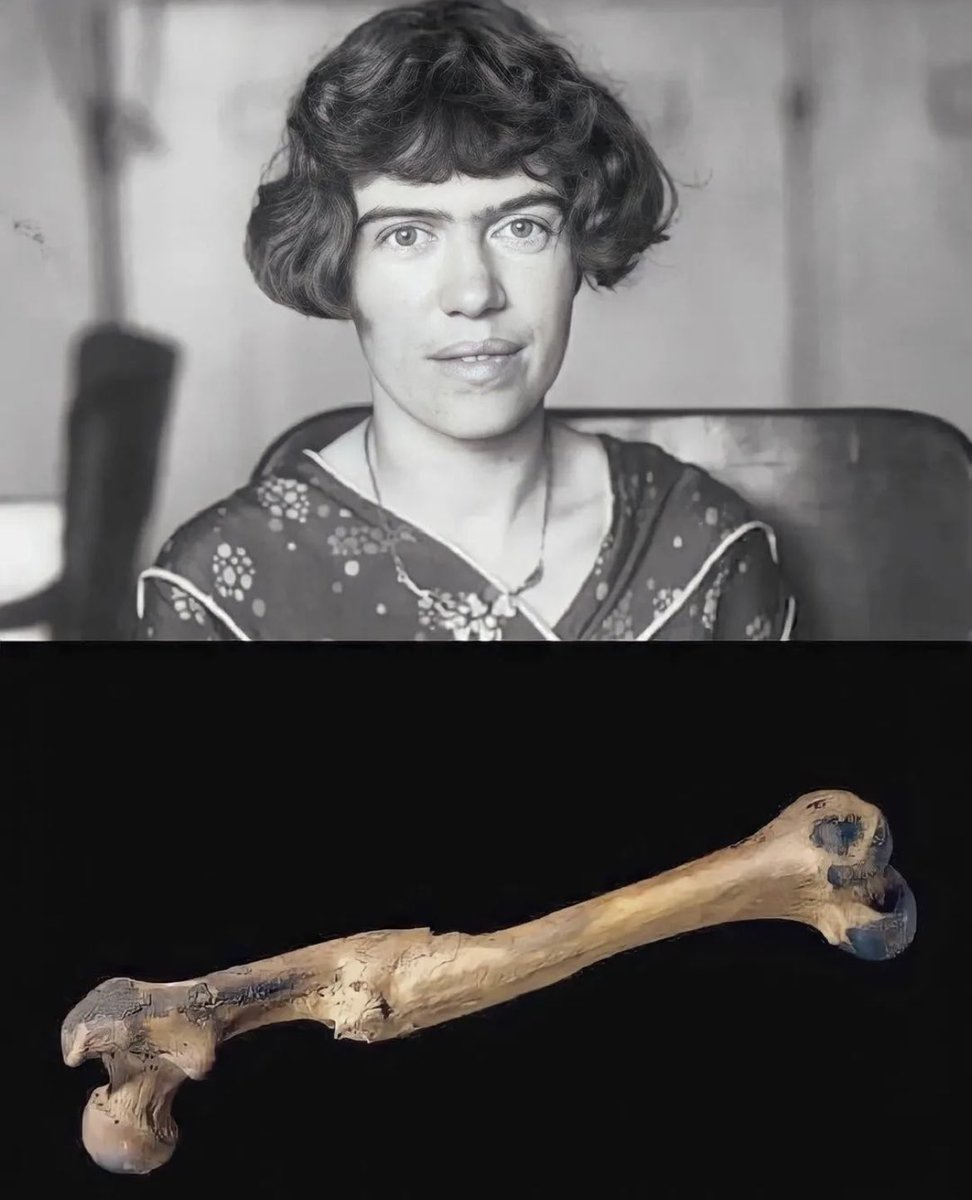
The concept of civilization is often associated with various tangible artifacts and advancements, such as tools, architecture, or systems of governance. However, anthropologist Margaret Mead presented a different perspective when she was asked about the first sign of civilization in a culture. Rather than focusing on material objects, she emphasized the significance of a healed femur bone.
In Mead's view, the animal kingdom provides a stark contrast to human civilization. When an animal breaks its leg, survival becomes nearly impossible. The inability to escape from danger, access water, or procure food renders the injured animal vulnerable to predators. Consequently, no animal lives long enough for a broken leg to heal naturally. Thus, the healing of a femur bone is a profound indication of civilization.
Why is a healed femur bone considered the first sign of civilization? Mead's explanation lies in the collective care and empathy demonstrated by a community. When someone breaks their leg, it is a moment of extreme vulnerability and danger. However, if the injured individual receives aid and support from others, they can overcome this critical period.
The act of caring for someone with a broken leg requires time, compassion, and a sense of responsibility towards others. Mead suggests that the healing process involves multiple steps. First, someone must have witnessed the accident and recognized the injured person's distress. Then, they would have provided immediate assistance, possibly by binding the wound and ensuring the person's safety. Finally, they would have stayed by their side, offering ongoing care and support during the recovery period.
By highlighting the significance of collective care, Mead emphasizes that civilization begins with the recognition of the suffering of others and the willingness to help. It is through acts of compassion and support that a community establishes its foundations of empathy, cooperation, and social cohesion. The healing of a broken femur, symbolizing the survival and recovery of an individual within a community, reflects the values and actions that underpin a civilized society.
Mead's perspective challenges the notion that civilization is solely determined by material progress or technological advancements. While such developments are undoubtedly important, they are built upon a deeper foundation of human connection and mutual aid. The healing of a broken femur bone serves as a metaphor for the care and support that individuals provide to one another, promoting the well-being and progress of society as a whole.
In conclusion, Margaret Mead's unconventional response to the question about the first sign of civilization reminds us of the fundamental importance of collective care. Civilization, she argues, is not solely defined by tangible artifacts or structures but by the empathy and support extended to those in need. The healing of a broken femur bone represents the compassion and responsibility that underpin a civilized society, highlighting the significance of human connection and mutual aid in fostering progress and well-being.
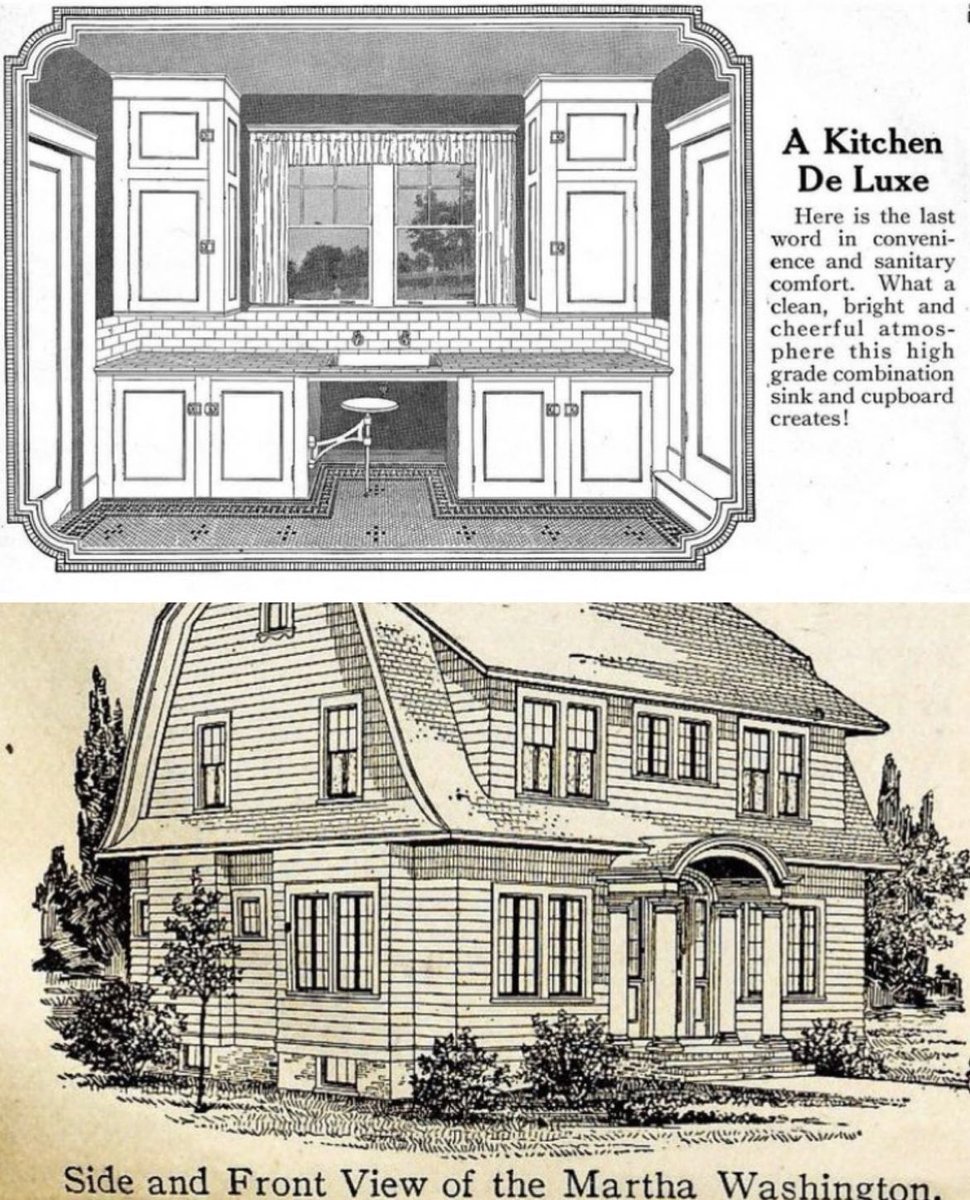
During a certain period, Sears offered complete houses in large do-it-yourself (DIY) kits through their catalogs. These kits were transported by train and encompassed around 30,000 components, including wiring, plumbing, and heating, which collectively weighed over 25 tons.
Customers had the option to choose from more than 370 designs, and each kit included a 75-page instruction manual. Sears asserted that an individual with "average" skills could construct the entire house within a span of 90 days.
Between 1908 and 1940, Sears managed to sell over 70,000 DIY homes at prices ranging from $600 to $6,000 (approximately equivalent to $8,400 to $84,000 in today's currency). One notable model, known as the Martha Washington (as depicted in the accompanying images), was sold for $3,028 (equivalent to $45,538 today) in 1921.
In 2016, the same Martha Washington model was purchased for $1.06 million in Washington D.C. Remarkably, almost 70% of these Sears DIY houses are still standing today.
@united maybe get some therapy for your agent Levi who just yelled at me over the phone and then hung up on me mid-call… talk about friendly skies for a premier status holder trying to sort out her honeymoon 😐
@VivekGRamaswamy What a ruckus. The idea that FFs can save us from the effects of climate change is egocentric/strained. Look at Jackson, MS. Maybe you can rest easy knowing it’d never happen *to you* but meanwhile poor people are running out of water *today* and they can’t drink fossil fuels
Playing the Succession theme song at ear-splitting volume as I print out a return label to mail back my ASOS order. “The deal is off” I mutter to myself
A truck loaded with thousands of copies of Roget's Thesaurus spilled its load leaving New York
Witnesses were stunned, startled, aghast, stupefied, confused, shocked, rattled, paralyzed, dazed, bewildered, surprised, dumbfounded, flabbergasted, confounded, astonished, and numbed.