@atb_angel Once she had completed her course at the RCA she simply stayed in London, but visited Bristol regularly. Maybe your drawing was done at Bristol zoo. That would be topical: it's in the news at the moment. If she ever based an etching or woodcut on your sketch, I've never seen it.
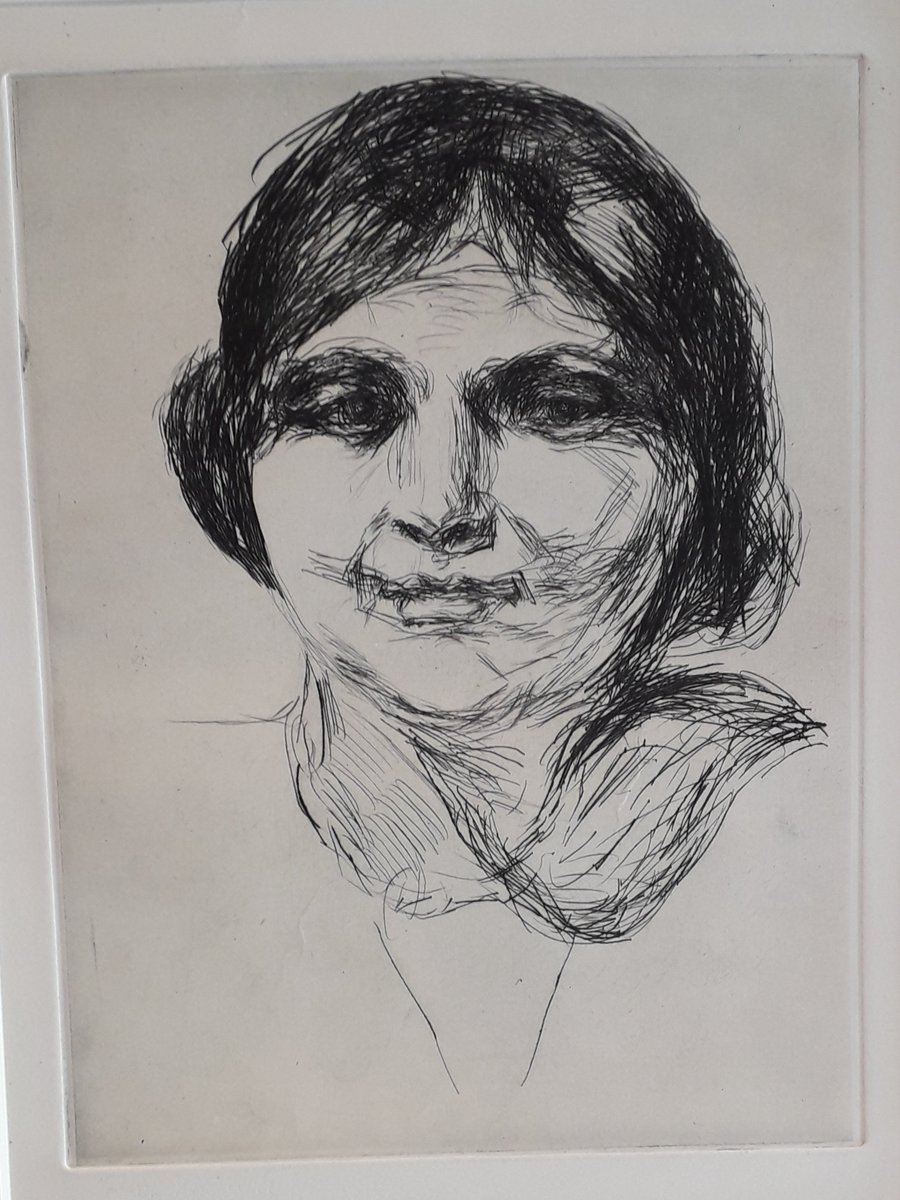
Sometimes original works from the Etching Revival period pop up in the most unexpected places. This drypoint by Edvard Munch (Celine without hat, 1914) is on display on the @VikingCruises Neptune cruise ship, as part of a permanent exhibition devoted to the Norwegian artist.
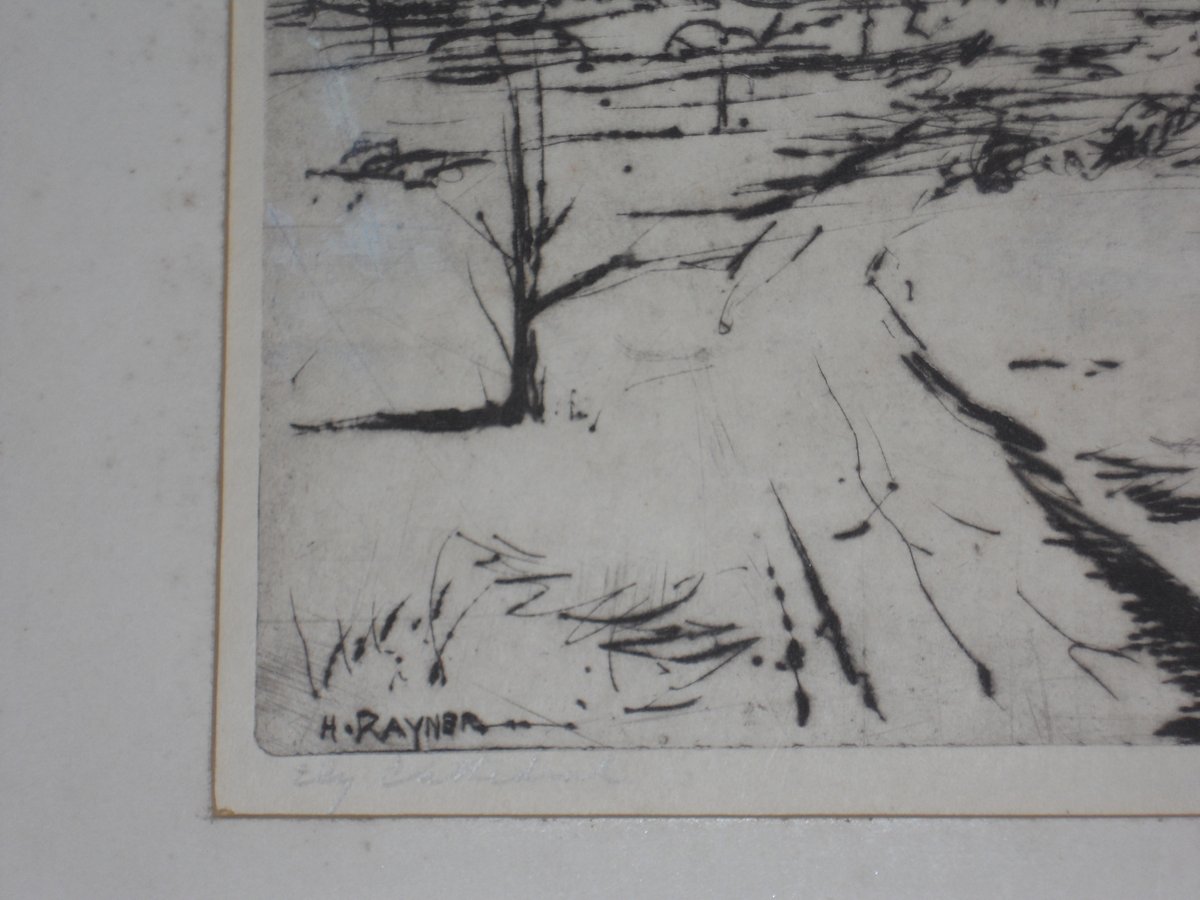
Nice to see this drypoint of Ely Cathedral by Australian-born Henry Rayner. In 1942 he spent some time with his family, who had been evacuated from London to a village called Sutton, near Ely. This is one of several etchings he did of fen country scenes.
One of the most extraordinary prints ever made, #EdvardMunch's lithograph 'Madonna' (1895/96) will be exhibited at David Tunick, Inc. during @IFPDA Print Fair, Javits Center, 27-30 October 2022. Don't miss it!
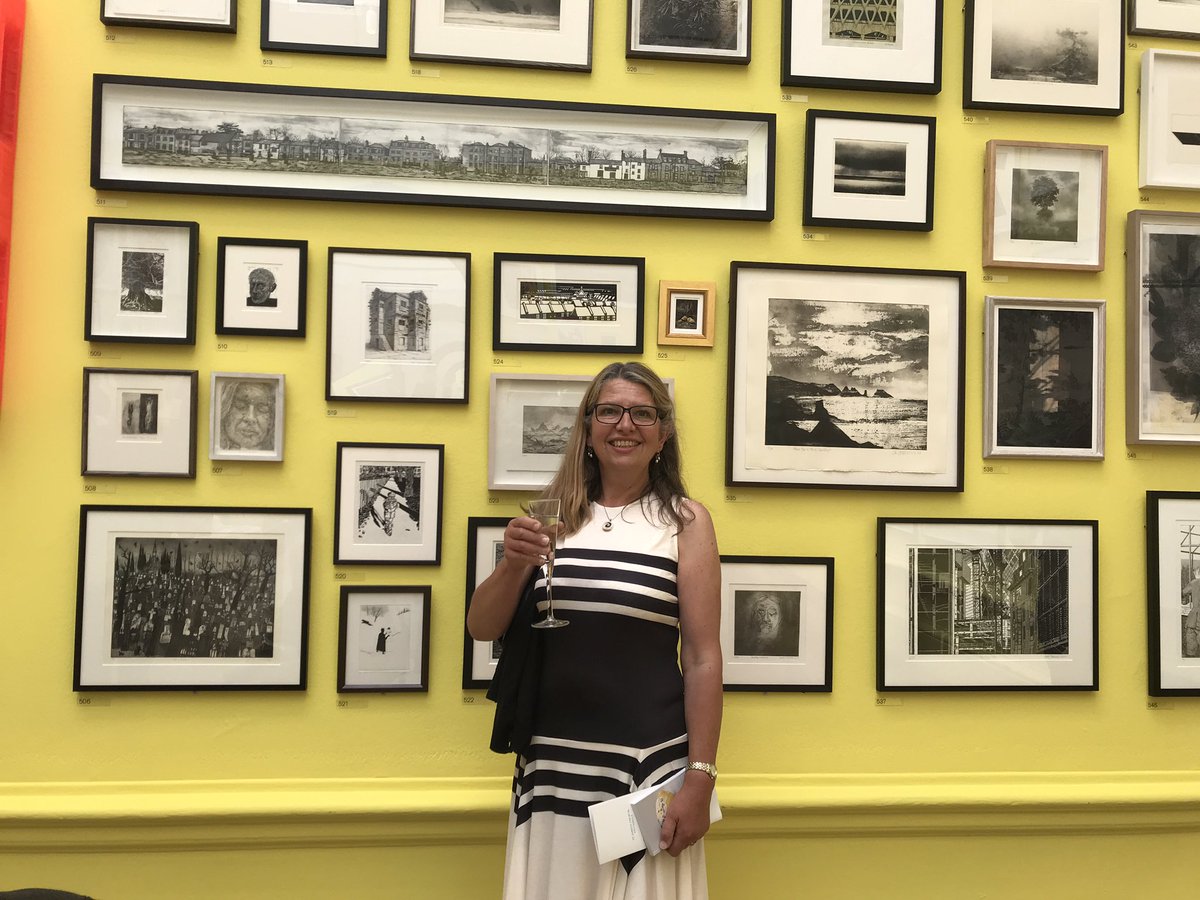
@PaulMellonCentr@royalacademy What a tremendous resource for anyone researching original etchings on show at RA exhibitions over the past 140 years or so. I wish this had been available when I wrote my 2008 biography of Dorothy Woollard (1886-1986).
@hannahcharley Yes. Just waiting for it to start, right now. I guess Mark Gatiss just couldn't resist the dramatic potential of early 20th century etchings.
Who'd have thought it ? A prime-time Christmas Eve slot on BBC2 for a ghost story about an etching.
'The mezzotint' is based on a 1904 short story by M.R. James, and written and directed by Mark Gatiss.
https://t.co/An4mjcXahf
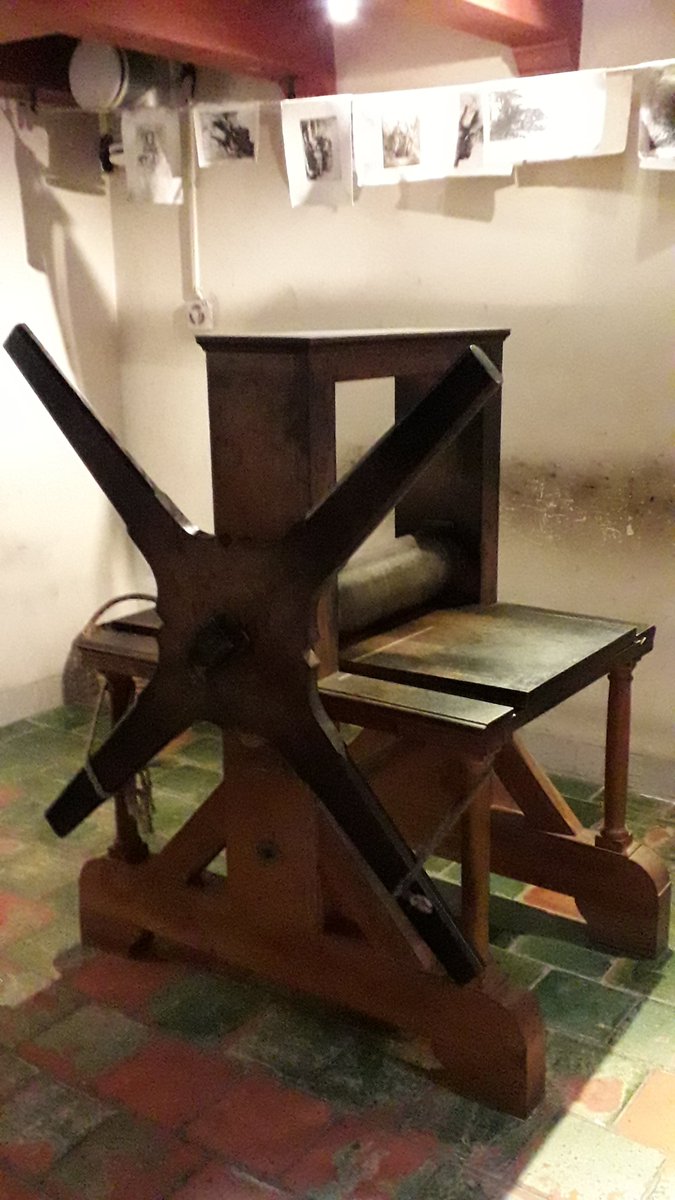
In Rembrandt's day, etching presses were made of wood. This isn't actually his - no-one knows what happened to that. It's part of a very effective recreation of what the print room in his house could have looked like in the 1640s.
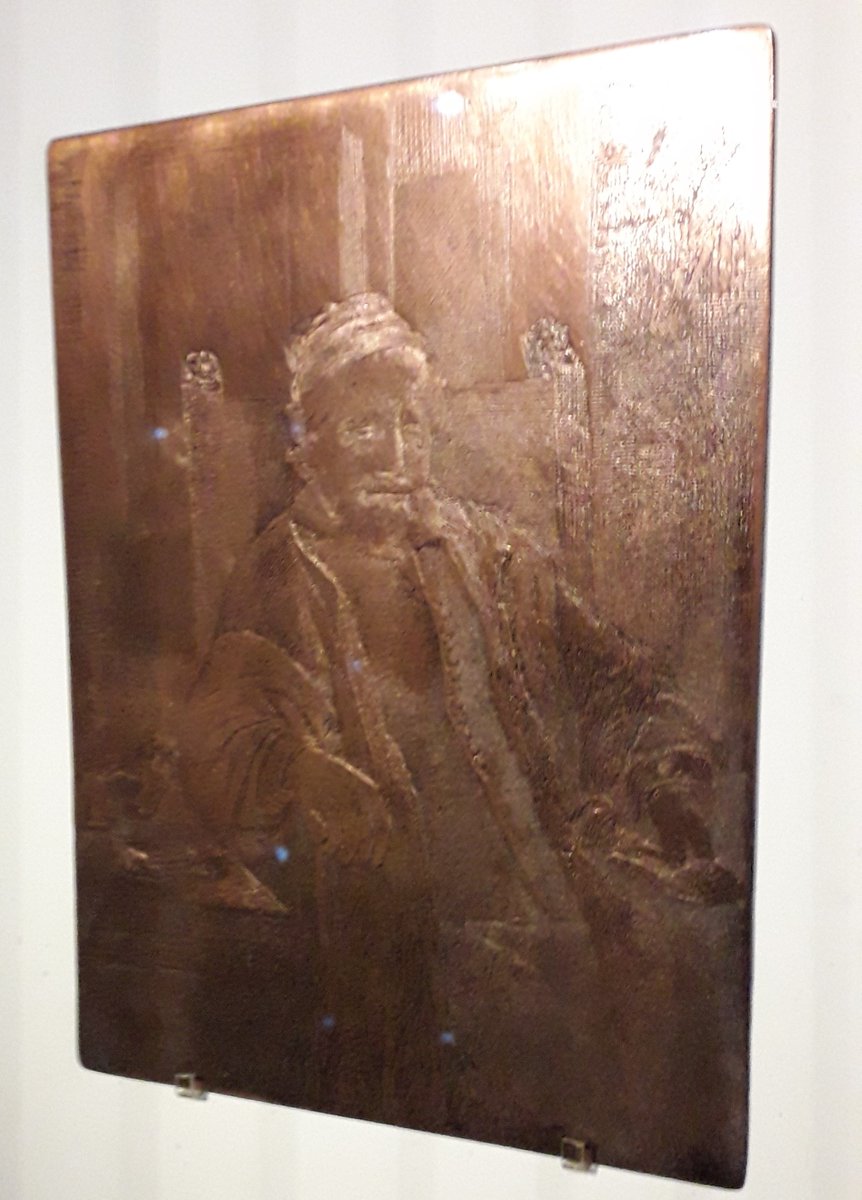
This is the original copper plate for his 1649 etching of Jan Lutma, a noted gold and silversmith in Amsterdam. How exciting to see this plate actually in the room where Rembrandt would have originally proofed it, 350 years ago in his Amsterdam home on Breestraat.
What happened to Rembrandt's etched copper plates immediately after his death in 1669 is a bit of a mystery. But it's known that many survived, because they were endlessly reprinted for the next century or more. And some still exist today.
Rembrandt was a prolific etcher, producing nearly 300 plates between c1625 and c1665. The Rembrandt House Museum (Amsterdam) has proofs of about 250 of them. This 172-page illustrated catalogue shows them all, with fascinating historical and technical background.
He signed his drawings, prints and paintings with just the word 'Rembrandt' from 1632 on.
The town of Leiden erected this statue of their most famous son in 1908, to celebrate the 300th anniversary of his birth.
Last week in Leiden, where Rembrandt van Rijn was born in 1606, I learnt something new (to me anyway) about his name. 'Rembrandt', it seems, was his first name, not his family name. The 'van Rijn' simply signals that the family came from the Rhine, which flows through Leiden.
This is not just any old house in Amsterdam. It's the house where Rembrandt (considered by some as the greatest etcher of all time) lived and worked from 1639 to 1658. It's been a museum since 1908. Definitely the highlight of my stay in the city last weekend. Sorry, van Gogh!