@ThePrimalDino This calls back to propulsive landing where one company was technically first but in the long run the winner by any metric was the one that developed a manufacturing/iteration pipeline that enabled execution at scale.
Maybe the tortoise/hare roles are reversed in that race?
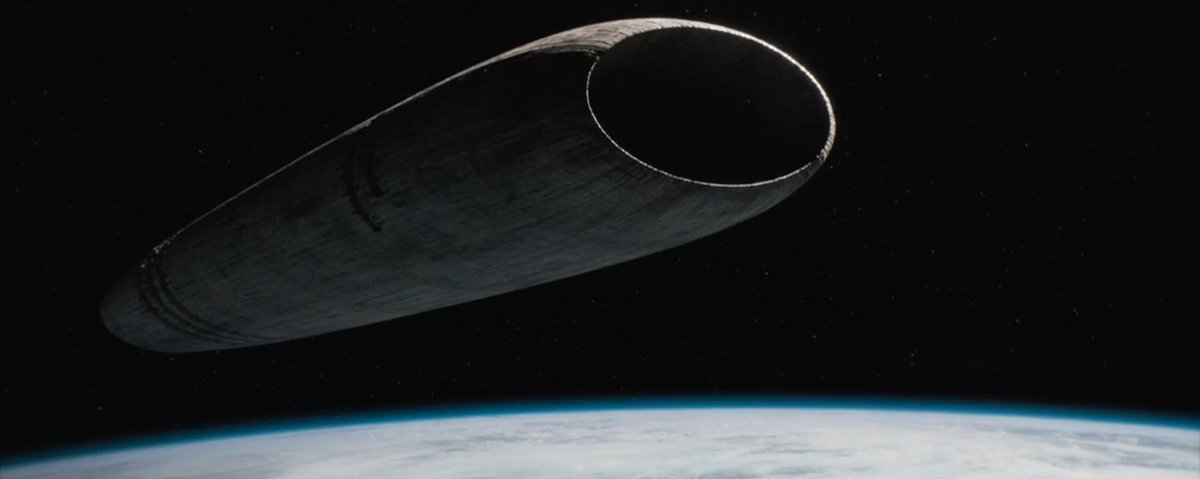
@DJSnM@elonmusk@aaronburnett Interesting concept.. imagining a hollow cylinder sitting in orbit similar to the space guild tubes from Dune where an object at escape velocity is captured into orbit via electromagnetic deceleration
@DJSnM@elonmusk@aaronburnett The transferred momentum would have to be dissipated via drag if over a planet with atmosphere, or by shooting objects out the other end. Maybe decelerations are free orbit raises!
I love the history of NASA as much as anyone, and I hate to see infrastructure that has been part of the skyline come down. I know many people previously worked in these buildings and have a real attachment to them. If there is a way to honor that history by collecting materials and using them for plaques or memorabilia, we should look into it.
That stated, we are carrying an enormous amount of dated infrastructure from decades ago. Much of it is in terrible condition. I walked through precision labs at GSFC yesterday with leaky roofs, and that is happening because dollars are still going toward trying to maintain infrastructure that has no demand, is falling apart, and in many cases is unsafe.
Our mission today is just as important as it was back then. But if we fund the past indefinitely, we will have very little left to invest in the mission of today. Clearing out old infrastructure, and anywhere else resources are not being efficiently allocated, is how we put more astronauts in space, build new space stations, and increase the rate of world-changing scientific discovery.
.@SpaceX’s Dragon cargo spacecraft fired its thrusters for over 19 minutes on Dec. 29, boosting the station’s orbit. This marks the fifth reboost of the station during the CRS-33 mission, with one more planned before Dragon returns to Earth in January. https://t.co/BP7nHMlSuH