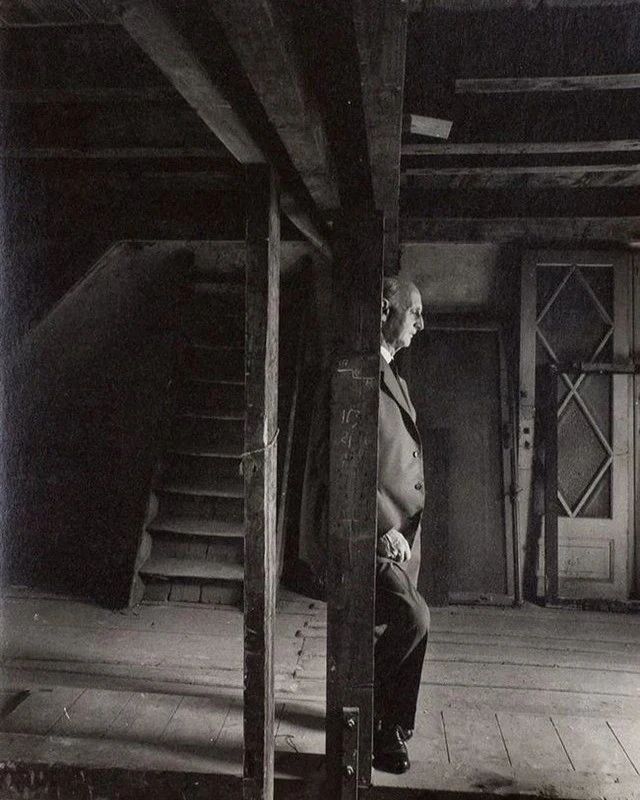
Anne Frank's father, Otto, visits the attic where they hid from the Germans in World War II. He stands alone as he is the only member of his family to have survived the Holocaust, 1960
This picture was taken in 1960 in the Netherlands, where the Frank Family hid from German troops. The Frank family were Jews during a time when Jews were sent away to be killed in concentration camps. The Franks are one of the most well-known Jewish families during the war due to Anne Frank (Otto's daughter) writing a diary about her experiences in hiding. Her diary has been republished and has sold more than 30 million copies and has been translated into 70 languages. In her diary, she talks about life in hiding, school, growing up and her fears about the German forces in the area.
At some point, the Franks were found. There are varying accounts as to how they were caught. Some say they were betrayed, and some say there were just found by German troops when they inspected the house they were hiding in. The door leading to the attic was hidden behind a bookcase, but it is not known for sure how the Germans knew it was a false door which led to the secret hiding spot. They were in hiding for 761 days.
Anne and her sister Margot were sent to the Bergen-Belsen concentration camp. They died there in March 1945 due to Typhus fever as the camp had a massive outbreak problem of Typhus at the time. They died two weeks before the camp was liberated. Anne was only 16, and Margot was 19. Their parents, Otto and Edith, were sent to Auschwitz Birkenau, the worst of the concentration camps. Edith would die of starvation three weeks before the camp was liberated. Otto survived and lived until he died in 1980. Edith would be buried with him 18 years later. Their daughter's bodies were never found.
Photographer: Arnold Newman
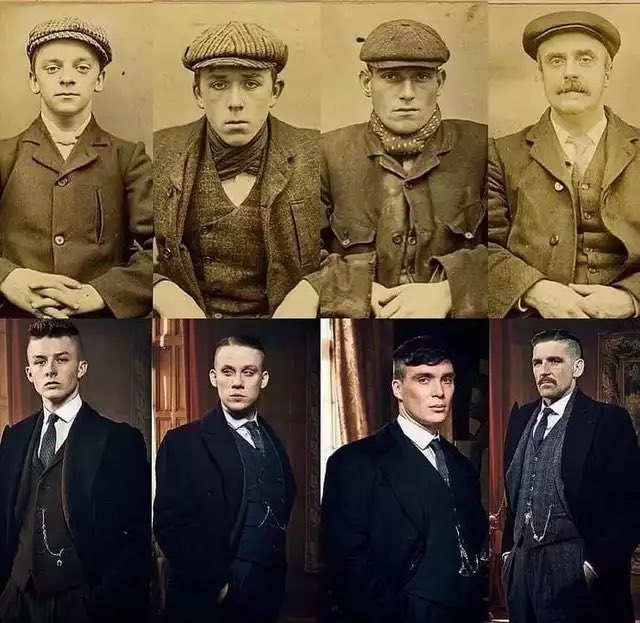
The real-life Peaky Blinders, 1910
The Peaky Blinders, an infamous street gang that operated in Birmingham, England, between the 1890s and 1920s, consisted of men from lower social classes who climbed the ranks of the gang hierarchy through fighting, gambling, evading the law, and committing murders. They specialized in robbery, violence, racketeering, murder, and controlling gambling activities. The gang's membership fluctuated around 50,000 individuals, with alliances changing based on their relationships with the Peaky Blinders. Shockingly, some members were as young as 12 years old.
The gang earned their name, "Peaky Blinders," through two possible origins. They were known for wearing flat peak caps, which they would modify by sewing razor blades into the front, turning them into concealed weapons. This dangerous headwear allowed them to blind their enemies by headbutting them in the eyes or slashing their foreheads when removing the cap, causing blood to impair their vision. Another explanation for their name stems from their method of robbing people. The Peaky Blinders would approach their victims from behind, pulling down their hats over their faces to obstruct their view while stealing from them.
In recent times, the Peaky Blinders have gained widespread popularity through a highly successful television show that shares the same name.
Regarding the picture, the individuals depicted are:
- Harry Fowles
- Ernest Bayles
- Stephen McNickle
- James Gilbert
Ormond Gigli, an American photographer, captured the renowned image known as "Girls in the Windows" in 1960. This photograph showcases a lineup of women positioned in the windows of an abandoned building in New York City. Each woman is adorned in vibrant attire, gazing out towards the camera.
The tale behind this photograph originates from Gigli's time as a freelance photographer. While exploring Manhattan's East 58th Street, he stumbled upon the building, which was slated for demolition within a few days. Intrigued by its distinctive architecture, Gigli seized the opportunity to create a remarkable image. He swiftly organized a photoshoot, gathering a group of models, arranging lights and a camera across the street, and instructing the models to pose in the windows.
This photograph swiftly became an emblem of New York City, symbolizing the fashion and style of that era. It has been showcased in museums and galleries worldwide and has been reproduced in numerous magazines and books.
Иракский солдат, сгоревший заживо, пытаясь выбраться из пылающего грузовика на Шоссе Смерти. Кувейт, 1991.
Подпись автора фото, Кеннета Джарека: "Если я не буду это снимать, то люди, как моя мать, будут думать, что война — это то, что они видят по телевизору".
Нет войне и Путинской оккупации!
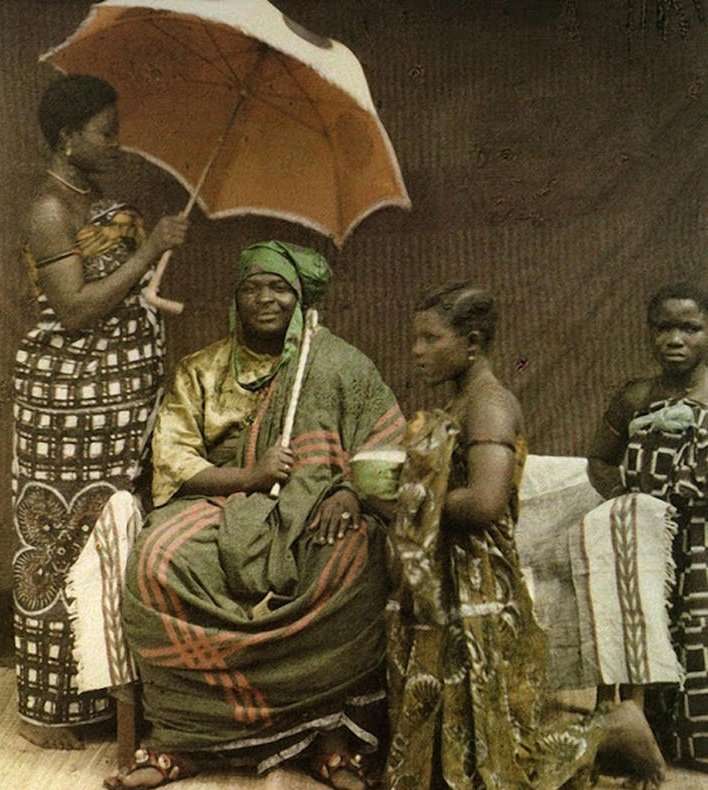
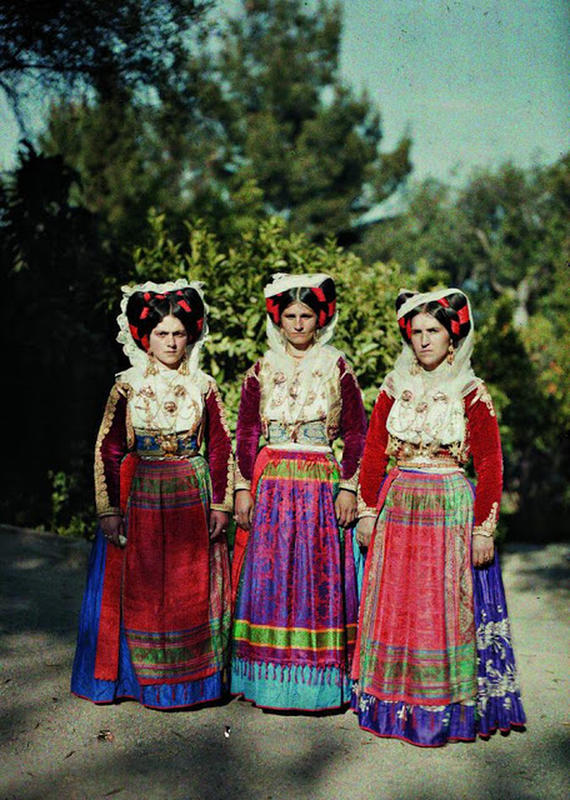
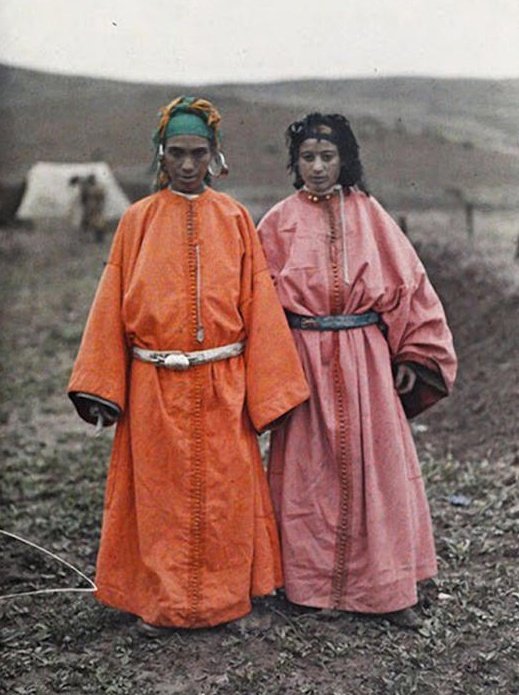
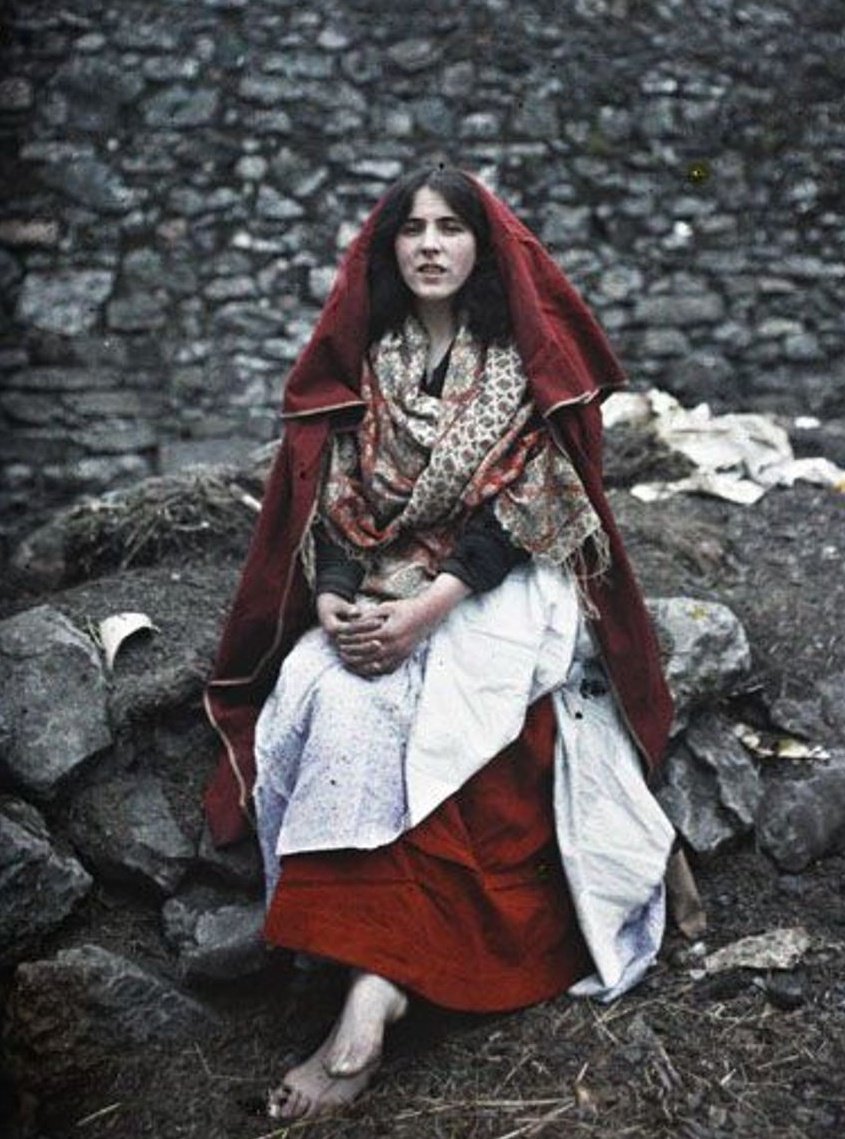
1. В 1909 г. Альбер Кан запустил проект «Архивы планеты». Он назвал его "противоядием от национализма и ксенофобии" и объяснял так: "на фоне того, как народы мира всё чаще вставали друг против друга в братоубийственной войне, а пропаганда обличала соседей в немыслимой грязи 👇
«…Осенью 1939 незадачливые руководители панской Польши по указке англо-французских империалистов затеяли войну против Германии…»
(Малая советская энциклопедия, т.10, 1940 г.)
Где-то я это слышал недавно.