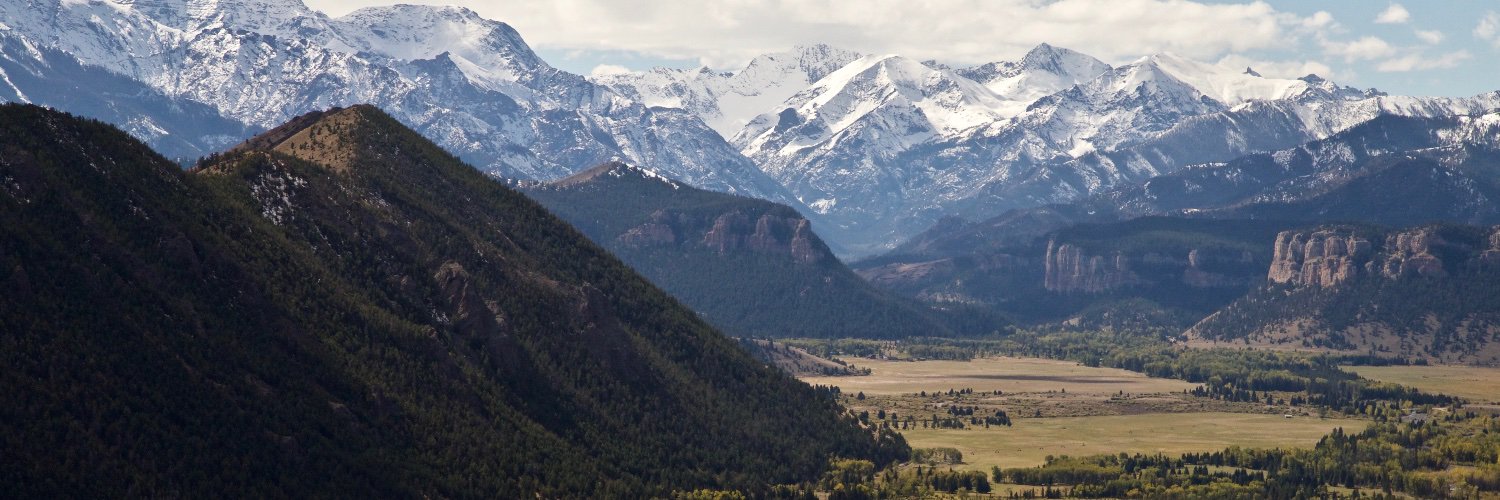
Very excited to have a new paper out in Science
today! We used satellites to see how most of the big rivers on earth have changed (or not) in the past half century.
Long story short: direct human activity is rapidly and dramatically altering rivers.
https://t.co/kSKHyfAEQQ
Astonishing landslide occurrence in Indonesia after Cyclone Senyar. Sentinel-2 satellite image from Nov. 29th shows 100s of landslides triggered on Sumatra.
comparison image from Oct. 27th.
Our paper on hillslope & channel recovery after Hurricane Irene, out early in @GSAPublications: https://t.co/A2IK75lzGB
We find erosion on Irene-triggered landslides persists, extending sediment impacts to the present. Let us know if you read it!
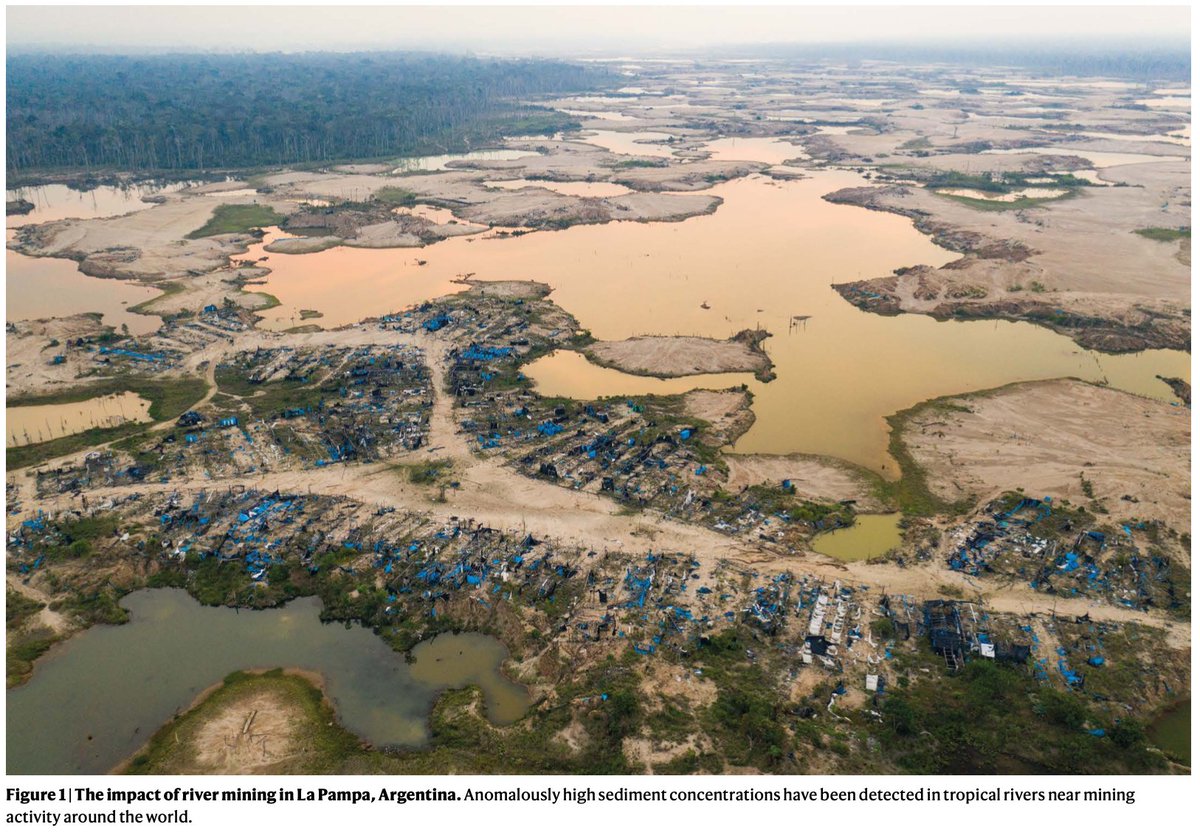
Happy to contribute to discussion of @NASAEarth’s image of the day showing the effects of mining on transnational rivers in South America.
Check out our research on mining and water quality (linked in the article) to learn more! https://t.co/wAPhhnDDLc
Gold costs over 7 times more today than in 2000. And its mining is taking a toll: 5-7% of the world's large tropical rivers are now murky with sediment.
Based on a study by @evandethier, @silmanmr, @LuisFernandez0 and others.
For @MongabayOrg: https://t.co/4eiWawGXub
Fantastic work about the impact of mineral mining (gold, diamonds and others) in tropical rivers showing strong evidence for a rapid rise in suspended sediment concentrations
Our paper out in @Nature yesterday, led by @evandethier! Mining taking place around the world is not only critical for sustaining local livelihoods but is also shaping biophysical processes at micro and macro-levels. Read more below and share widely!
https://t.co/v5d7d5VXrC
Pleased to share our new work mapping alluvial mining across the entire planet in today's issue of @Nature. The mining epidemic is global and threatens tropical biodiversity. Led by @evandethier and with @silmanmr@LuisFernandez0 via @LCLUCProgram.
https://t.co/KfNLYVLhCo
Excellent article by @MelinaWalling on climate change and irrigation from multiple perspectives: https://t.co/zyMDfASsxk, including ours from a new paper analyzing costs and benefits of irrigation by mid- and end-of-century: https://t.co/2QGITJOaof.
A major, 21st century mining boom is happening in rivers across the global tropics. Our new paper in @Nature documents the mostly unreported rise of mining in 49 countries, in more than 400 districts along 173 rivers.
Read here and please share! https://t.co/3C5fILSLct
The global prevalence of these mining activities is astonishing. Here's satellite images of mining in the Democratic Republic of the Congo, near the border of Senegal and Mali, in Indonesia, Venezuela, and Brazil. An environmental challenge/crisis across the world.
@DavidBoutt @nytimes@dartmouth@AHCG_Dartmouth And looking at trends, split out by season for the White River (avg. every 5 years). Not much evidence for change in the spring snowmelt (more precip. balancing out lower snowpacks??), but other seasons all on the rise.
Summer (dry season) flooding in the Northeast has become more common in the past few decades.
Great thoughts in the @nytimes from my PhD advisor Frank Magilligan on adaptation. Lots of colleagues working on this topic @dartmouth, including @AHCG_Dartmouth.
Regarding the #VTFlood2023, “You hope that every event like this keeps people alert, and thinking of the future,” says Frank Magilligan, a geography professor @dartmouth and expert on #floodhydrology via @nytimes by @jrusstimes.
https://t.co/9Wh5JVZ8ME
@DavidBoutt @nytimes@dartmouth@AHCG_Dartmouth Yes -- of course just drier in the rivers! This is my first lesson each fall in Hydrology.
Irene occurred on the lowest average river level, historically, for the White River (VT). Big enough on its own to affect a 100+ year average.
Our 2020 paper showed these changes, especially the shift toward extreme floods occurring during the summer or fall, not during spring snowmelt.
Summer/fall rain events are getting more potent, Winter snowpacks are waning!
https://t.co/lNFsNdxu0s