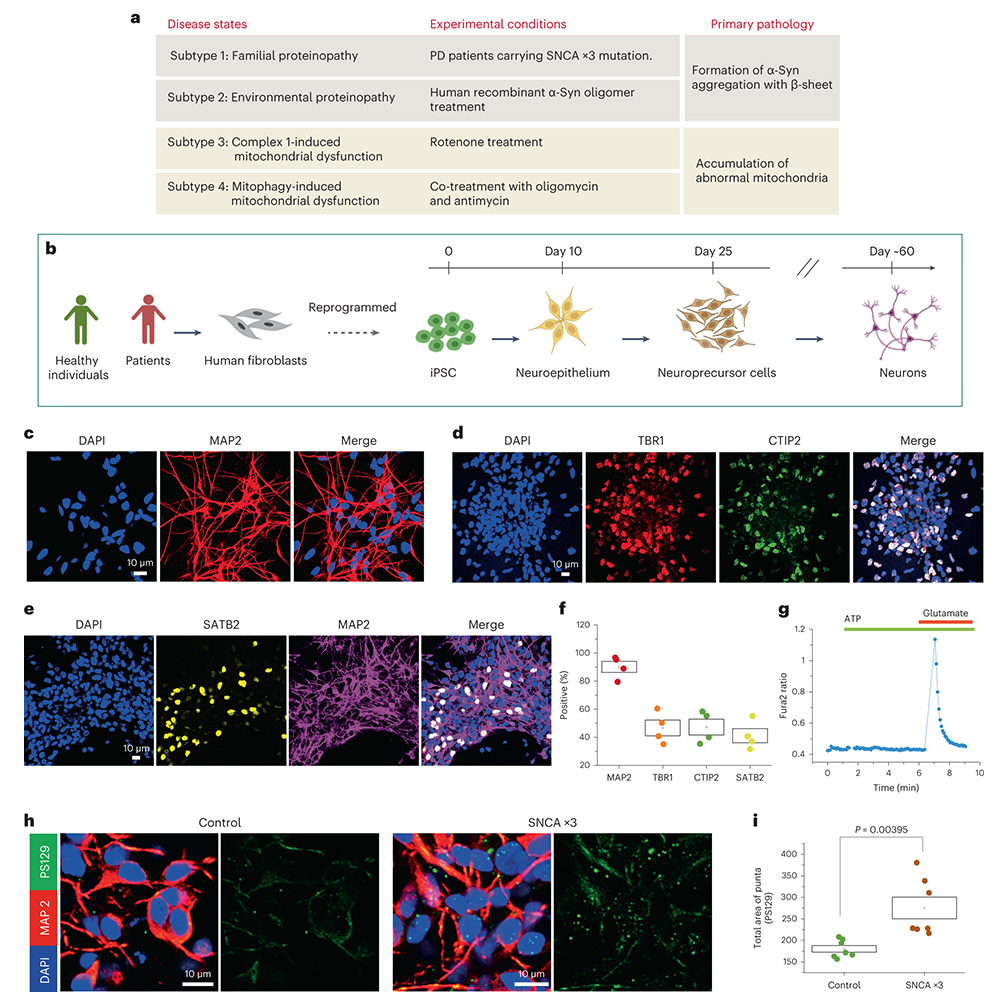
Very excited to share our latest work published in @NatMachIntell. We used ipsc-derived neurons, high-throughout imaging, and machine learning approaches to predict Parkinson’s disease subtypes.
https://t.co/g4R6L6adgo
The @LabGandhi team took part in an intensive coding course when the pandemic disrupted their research – and now they’ve published work with @faculty_ai showing that computer models can classify types of Parkinson’s from images of stem cells 🧠
@UCLIoN https://t.co/FkyZvrBFaC
Out now on biorxiv! Excited to share our latest collaborative work investigating the earliest stages of Parkinson’s disease.
https://t.co/CFDoYmYHq4
Thanks to all the amazing co-authors Melissa Grant-Peters Joseph Beckwith Steven Lee Mina Ryten @LabGandhi
VP-CLEM-Kit: An accessible pipeline for visual proteomics using super resolution volume correlative light and electron microscopy ... https://t.co/OxbydQPeZk #biorxiv_cellbio
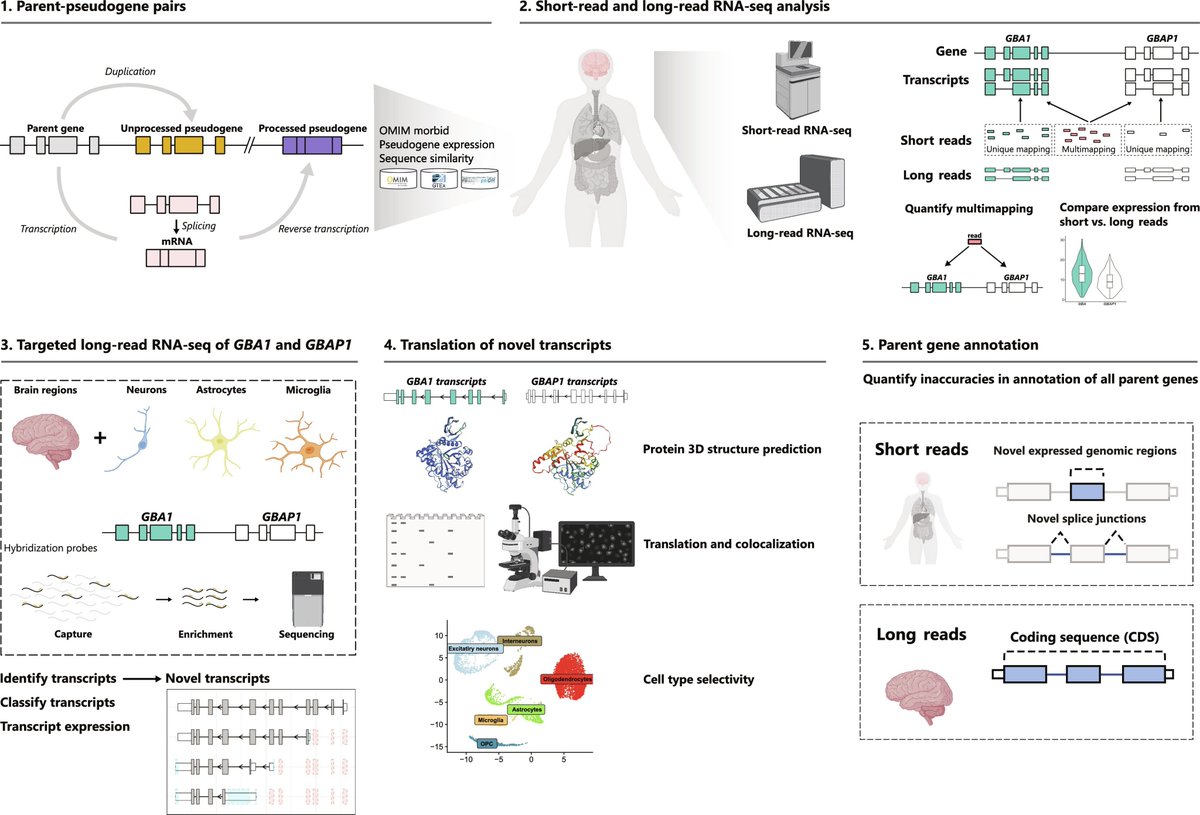
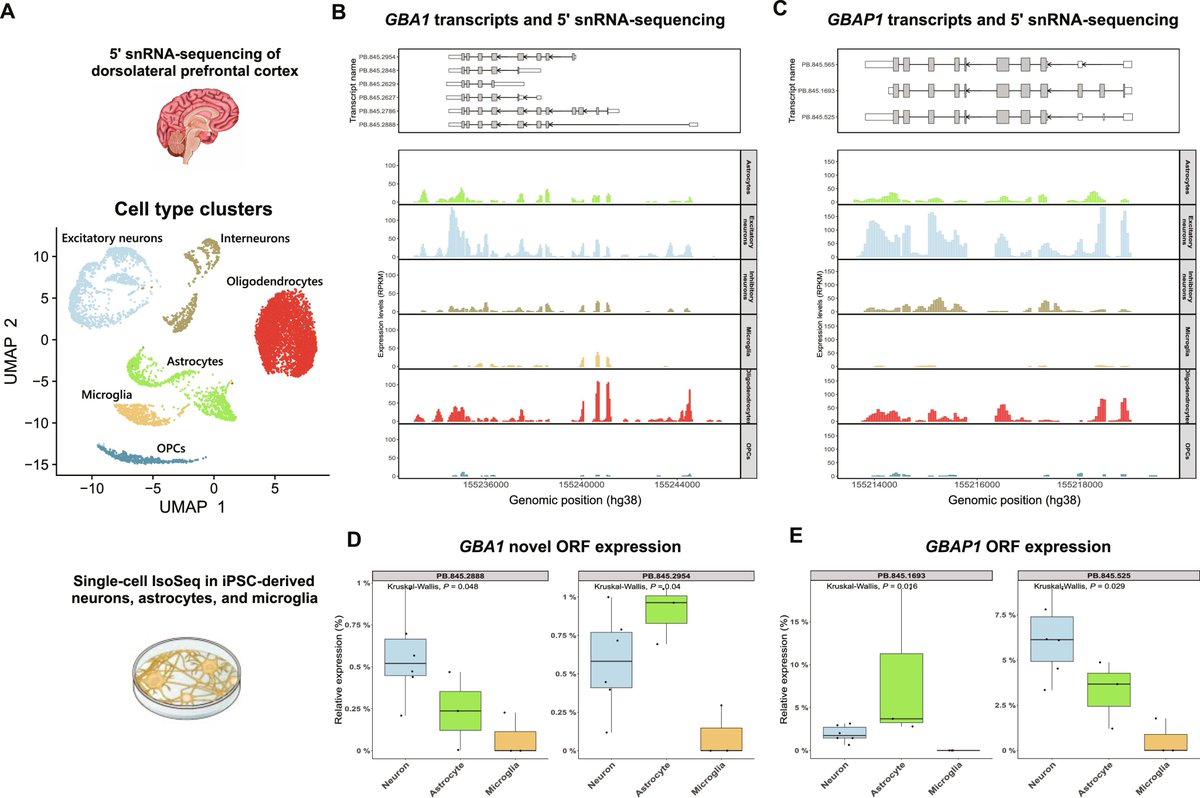
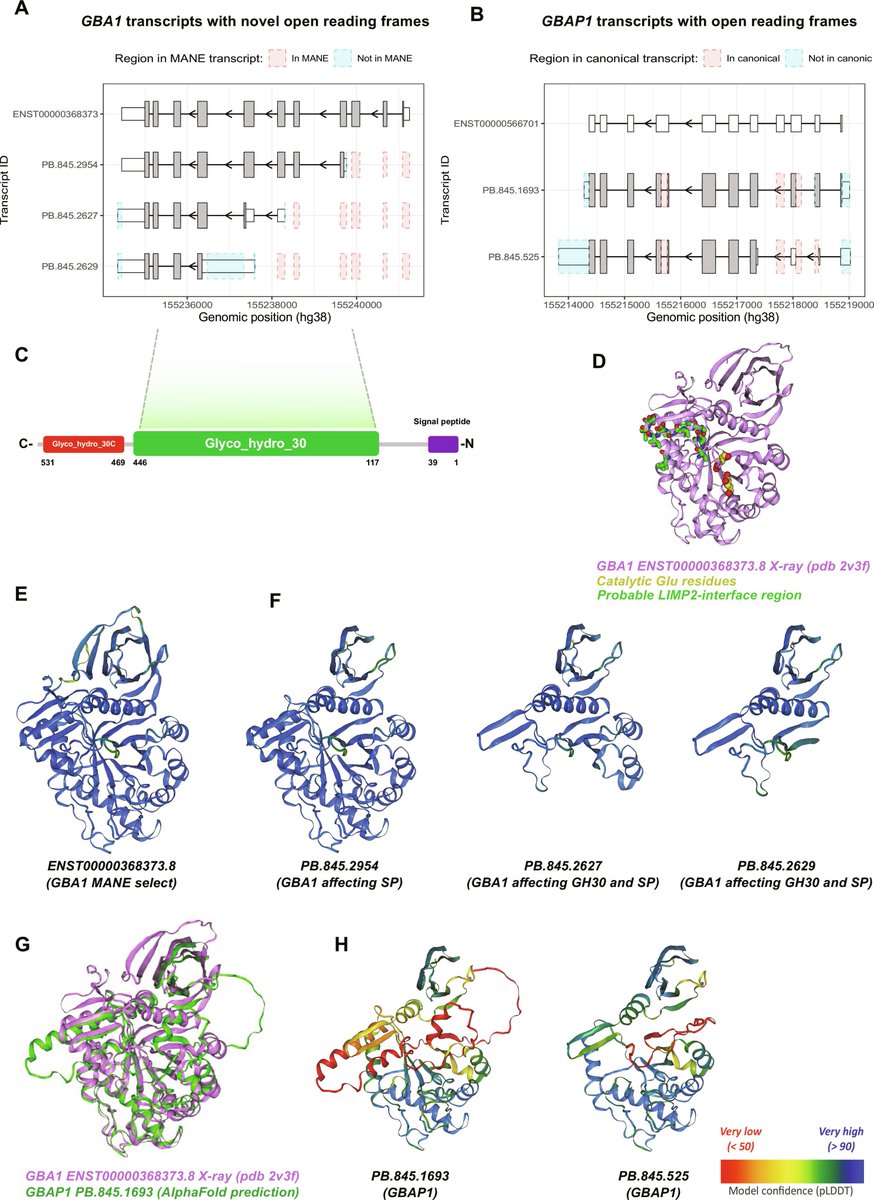
New research suggests nonlysosomal roles for #Parkinsons-associated GBA1 & its highly homologous pseudogene GBAP1 "with implications for our understanding of the role of GBA1 in health & disease" - from @em_ka_gu et al; Concealment of GBA1 by GBAP1
https://t.co/1aooz5W3Q6
Exciting multiscale post-doc opportunity in #Parkinsons @WCHN_UCL & @TheCrick:
Combining individual specific cell models @LabGandhi with longitudinal qMRI in the same person to define mechanisms of progression
See link for details:
https://t.co/cuuFkBDsiL
@OHBM#OHBM2024
Targeted @PacBio Iso-Seq identifies novel SNCA transcripts in human dopaminergic neurons, many with novel UTRs and encodes novel peptides, and used to design antisense oligonucleotides (ASO) leading to the effective reversal of Parkinson's Disease (PD) pathology
https://t.co/oAVjSb0yfO
A friend of mine is in San Francisco and paid a visit to the iconic independent bookstore @citylightsbooks… and spotted THE TOWER inside! 🏰
The shop is a city landmark and known for publishing Allen Ginsberg's ‘Howl’.
Machine learning can accurately predict subtypes of Parkinson’s disease using images of patient-derived stem cells, reports a study published in @NatMachIntell. https://t.co/E6bjsjPlqj
"We now hope to expand this approach to understand how these cellular mechanisms contribute to other subtypes of Parkinson’s."
James Evans @evansrjames (@UCLIoN) on a new study involving @LabGandhi and the @TheCrick.
Read in @Independent ⬇️ https://t.co/mupvsc88f8
Machine learning can accurately predict subtypes of Parkinson’s disease using images of patient-derived stem cells, finds a new study by researchers at UCL and the Francis Crick Institute.
@LabGandhi@evansrjames@UCLIoN@TheCrick
Read more ⬇️ https://t.co/jG5e9HgJAr
Very excited to share our latest work published in @NatMachIntell. We used ipsc-derived neurons, high-throughout imaging, and machine learning approaches to predict Parkinson’s disease subtypes.
https://t.co/g4R6L6adgo
The @LabGandhi team took part in an intensive coding course when the pandemic disrupted their research – and now they’ve published work with @faculty_ai showing that computer models can classify types of Parkinson’s from images of stem cells 🧠
@UCLIoN https://t.co/FkyZvrBFaC