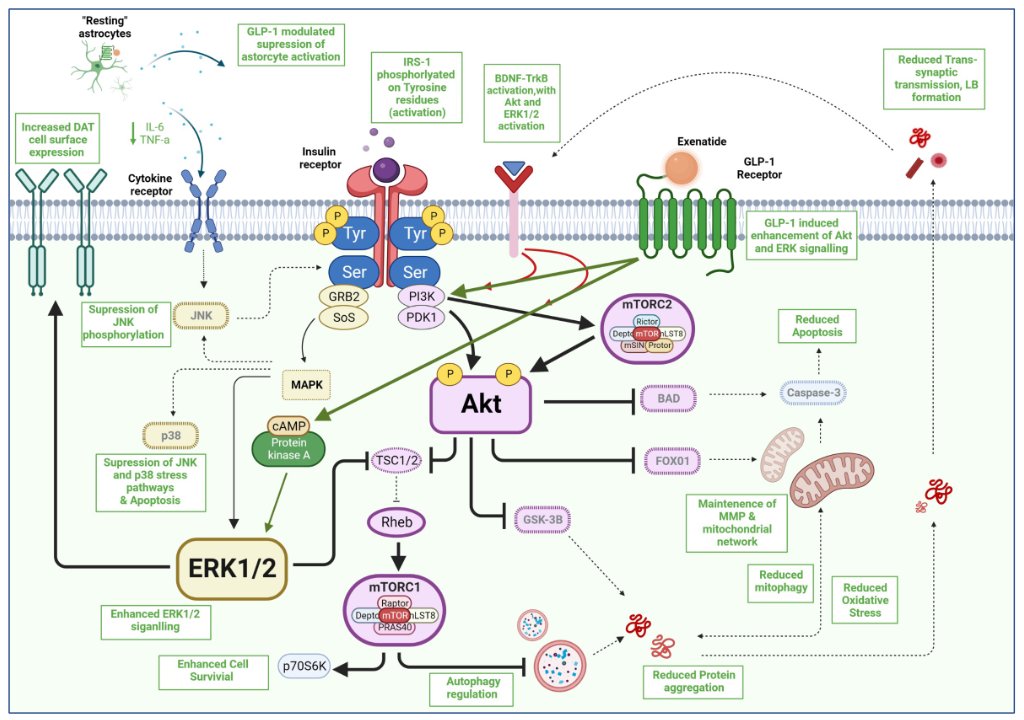
GLP-1 receptor agonists have transformed metabolic disease.
In neurodegeneration, results are promising but mixed.
We review mechanistic data, trial evidence, and the need for biologically informed patient stratification across PD, AD and related disorders.
Our @JCIJournal Review: https://t.co/IzJWEbfw9N
@foltynie@LabGandhi@UCLIoN@TheCrick@ScienceofPD
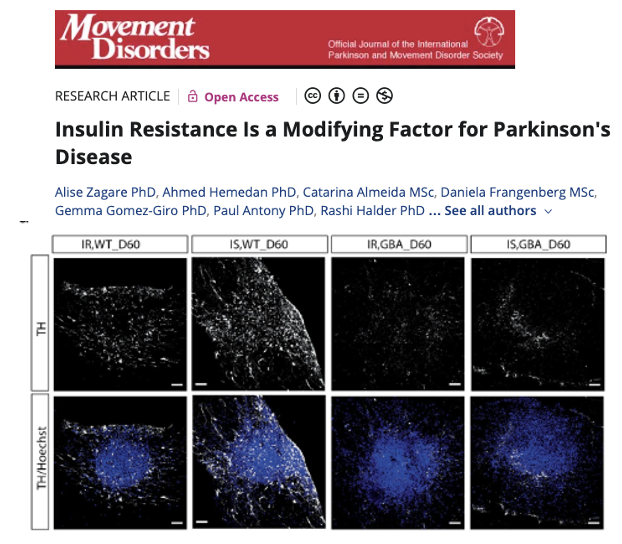
Is insulin resistance an early modifying factor for the later occurrence of Parkinson's disease? All the talk of GLP-1 diabetes drugs begs the question. Alise Zagare and colleagues write about their work in the latest issue of @MDJ_Journal.
Key Points:
- The authors point to studies showing that central insulin resistance might have big role in Parkinson's.
- Why does it emerge?
- They looked at insulin resistance and its role in GBA1 mutations.
- They used mini-brains in a dish (organoids).
- Insulin signaling pathway genes were dysregulated.
- They rescued some of the effect with a knockdown of FOXO1.
- They point to using the anti-diabetic drug Pioglitazone in GBA-PD.
My take: This is an interesting study and a fascinating question. Pioglitazone failed a clinical trial for Parkinson's disease in general; however maybe it needs to be personalized for those only w/GBA Parkinson's. It is really hard to pull off because of the ~10% penetrance of GBA, the difficulty in recruiting folks, and the heterogeneity of presentations. It will be interesting to see if the science holds up in human. Very cool! Are we getting closer to personalization of therapies?
https://t.co/dllYDbkqBX #Parkinson
@ScienceofPD@ADssx@foltynie Probably - GLP-1 agonists effect brain insulin resistance (and you can have brain IR without evidence of peripheral IR) in PD, but the relationship between peripheral IR and brain IR is uncertain…more work to be done
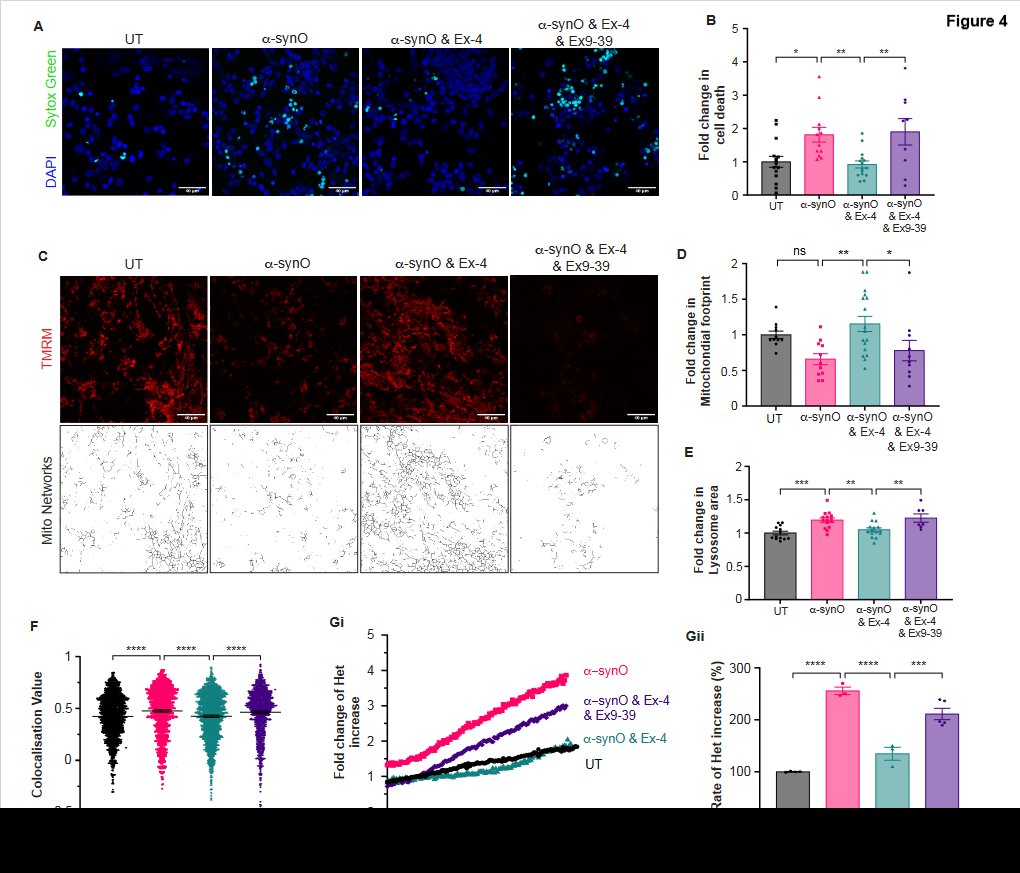
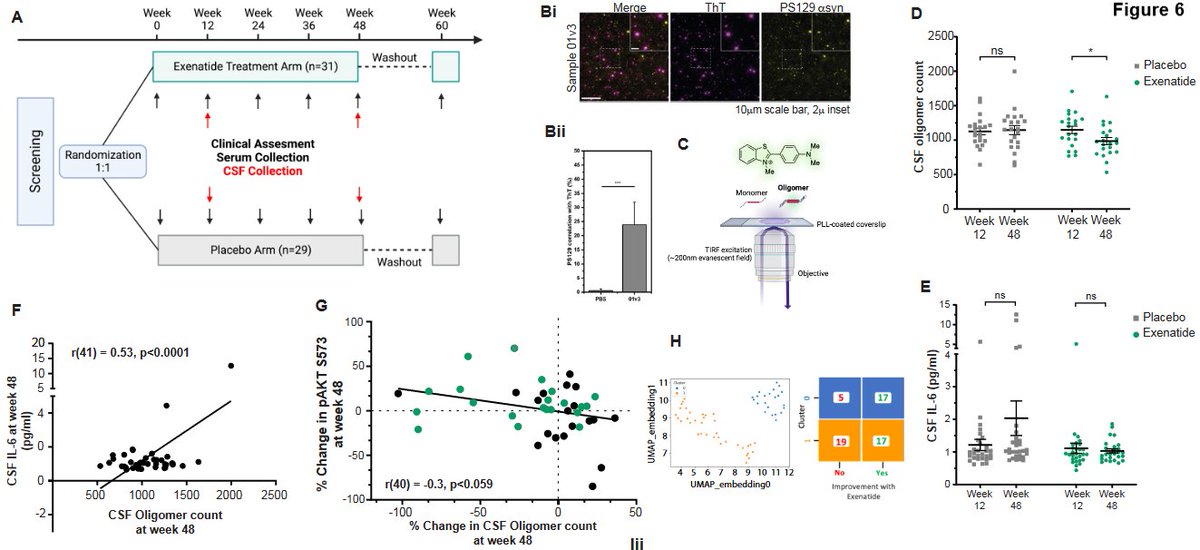
Interesting @biorxivpreprint from @DilanAthauda@LabGandhi & colleagues reports GLP-1R agonist exenatide restores insulin signalling (via restoration of Akt & suppression of MAPK pathways) & reverses synucleinopathy toxicity; Implications for #Parkinsons?
https://t.co/JOM6xhl9sL
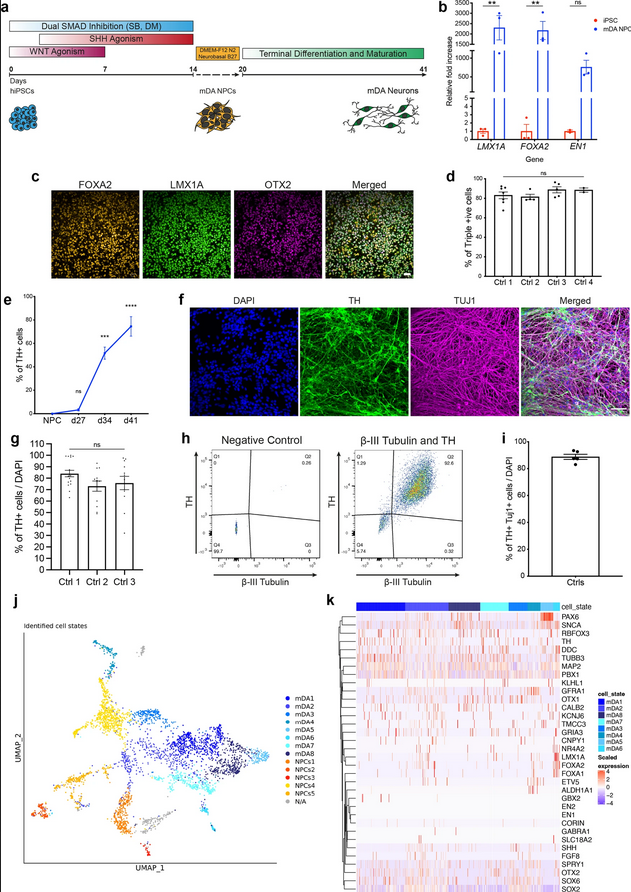
Identification of target cell types and mechanisms through which GLP-1R agonism may represent a disease modifying strategy in synucleinopathies #Parkinsons disease https://t.co/UrJYuzjJWC #insulin resistance
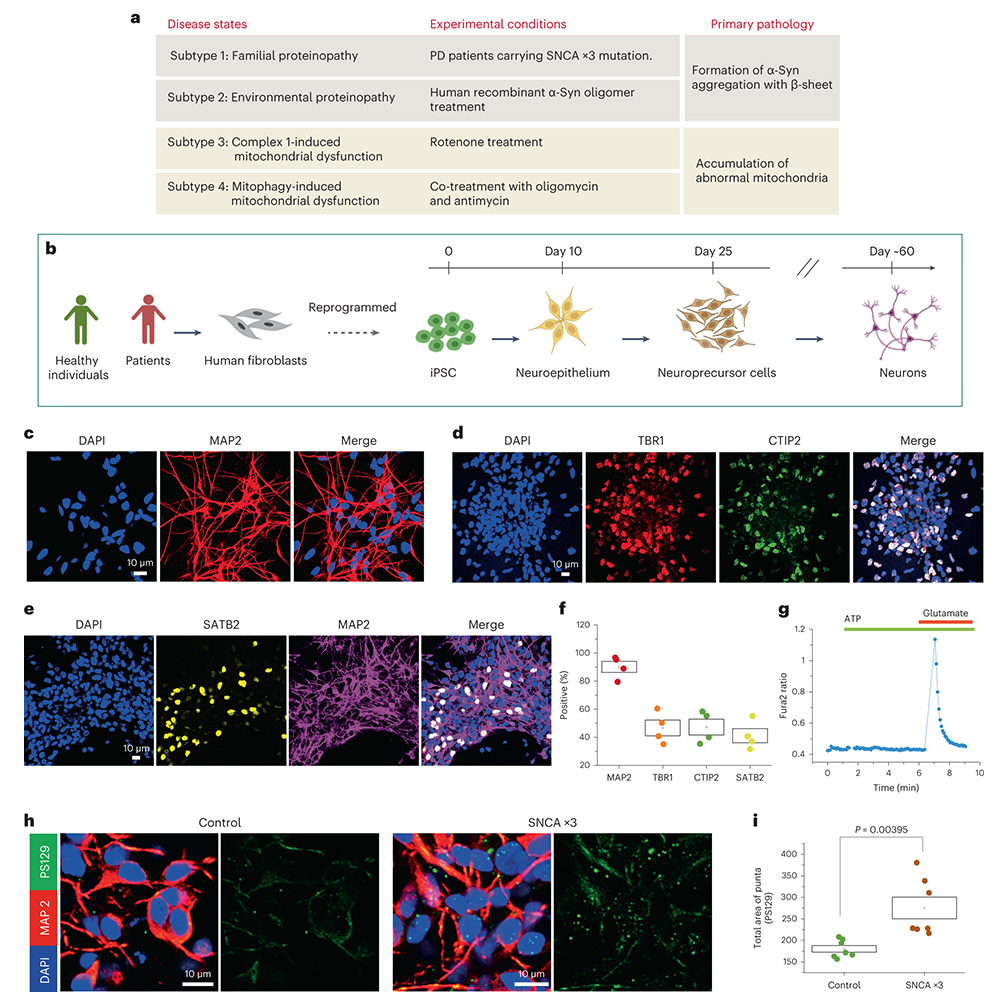
Machine learning can accurately predict subtypes of Parkinson’s disease using images of patient-derived stem cells, reports a study published in @NatMachIntell. https://t.co/E6bjsjPlqj
The @LabGandhi team took part in an intensive coding course when the pandemic disrupted their research – and now they’ve published work with @faculty_ai showing that computer models can classify types of Parkinson’s from images of stem cells 🧠
@UCLIoN https://t.co/FkyZvrBFaC
New research presents MAPKAPK2 as a potential early diagnostic biomarker of diseases associated with the aggregation of α-synuclein, such as #Parkinsons;
https://t.co/63t0RHzuD6
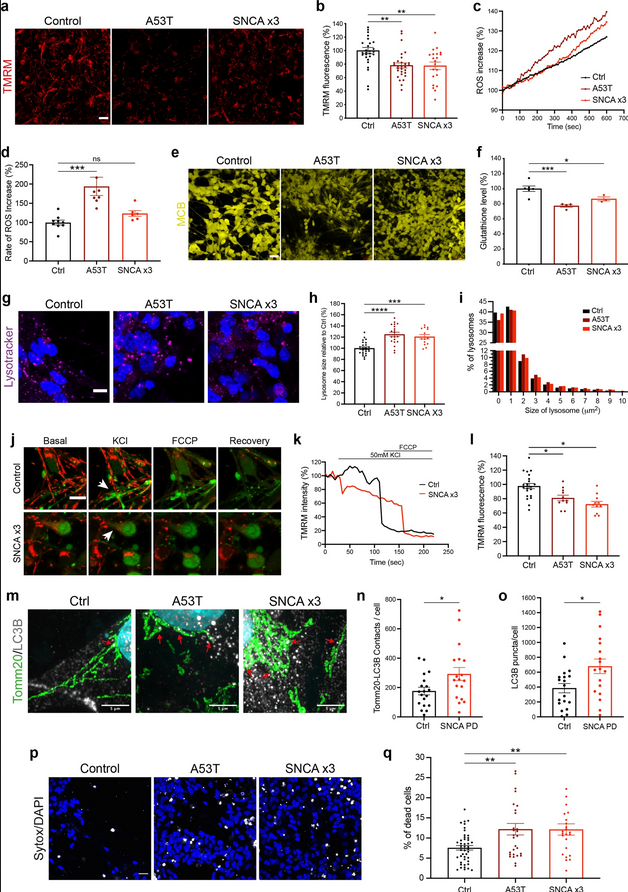
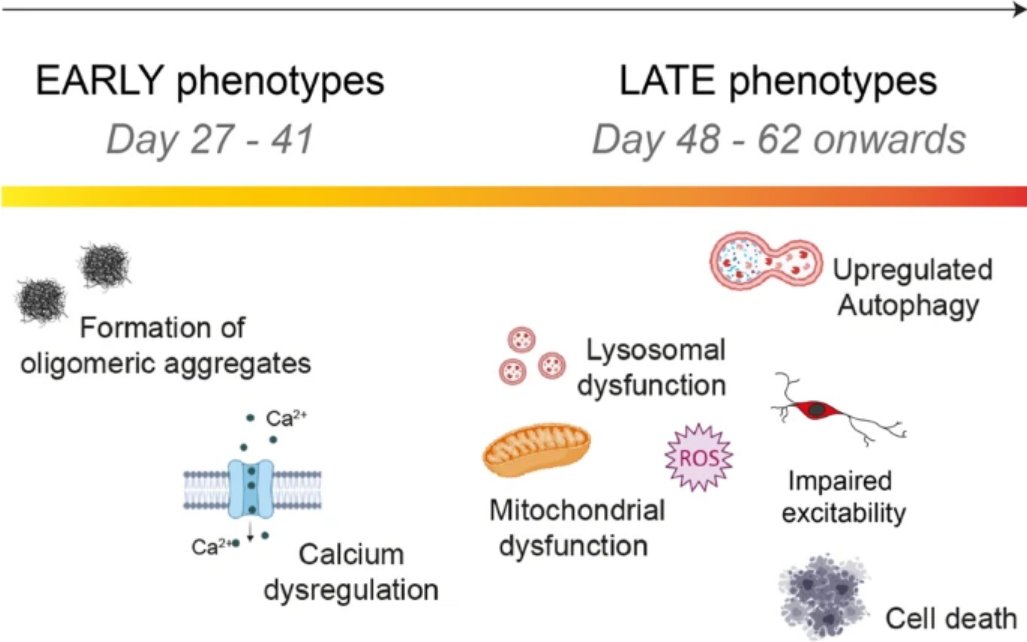
New paper from @GurvirVirdi@MineeChoi@LabGandhi & collaborators uses hiPSCs to delve into the "temporal sequence of SNCA-induced pathophysiological events in order to discover early, & likely causative, events" in #Parkinsons; A lot to unpack here!
https://t.co/EqiIt2crzq
📢Preprint alert 🚨
Protein aggregation and calcium dysregulation are the earliest hallmarks of synucleinopathy in human midbrain dopaminergic neurons. Go and check it out!
@GurvirVirdi@LabGandhi@MineeChoi@evansrjames@wernick_anna
https://t.co/35usHGbcFL
Ooooh, look at that:
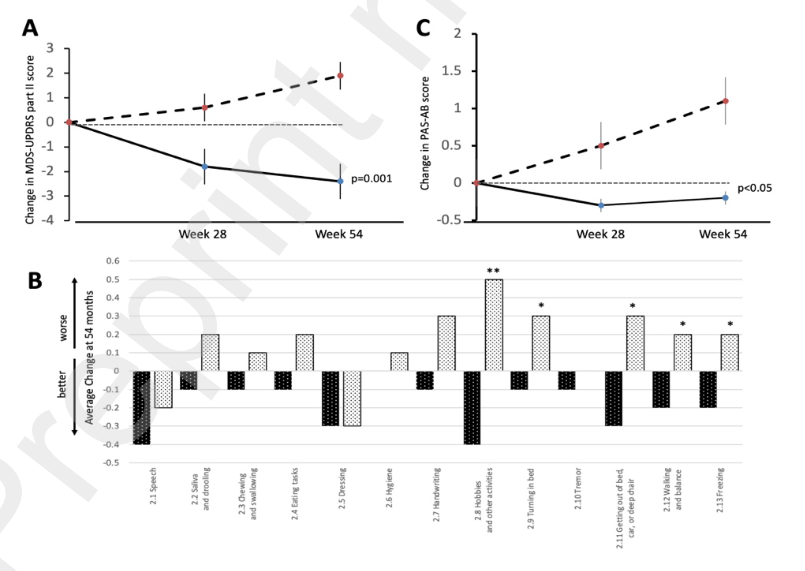
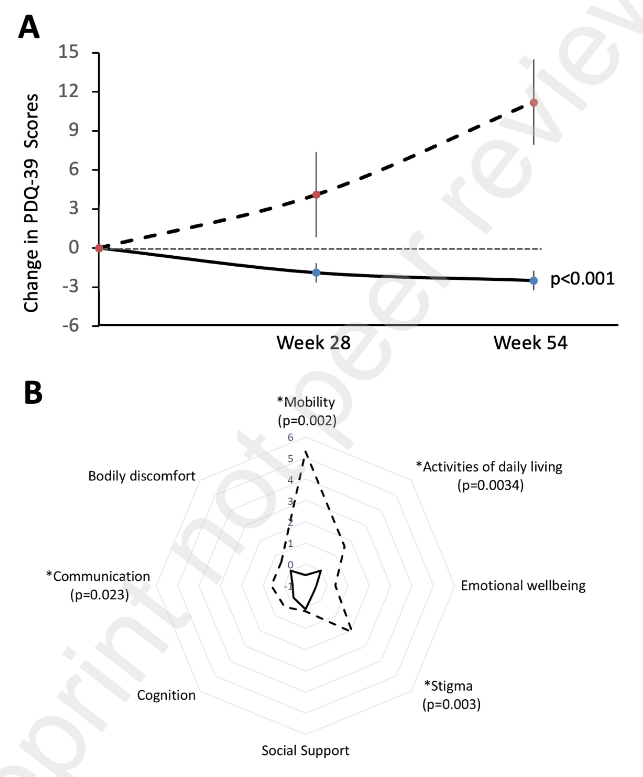
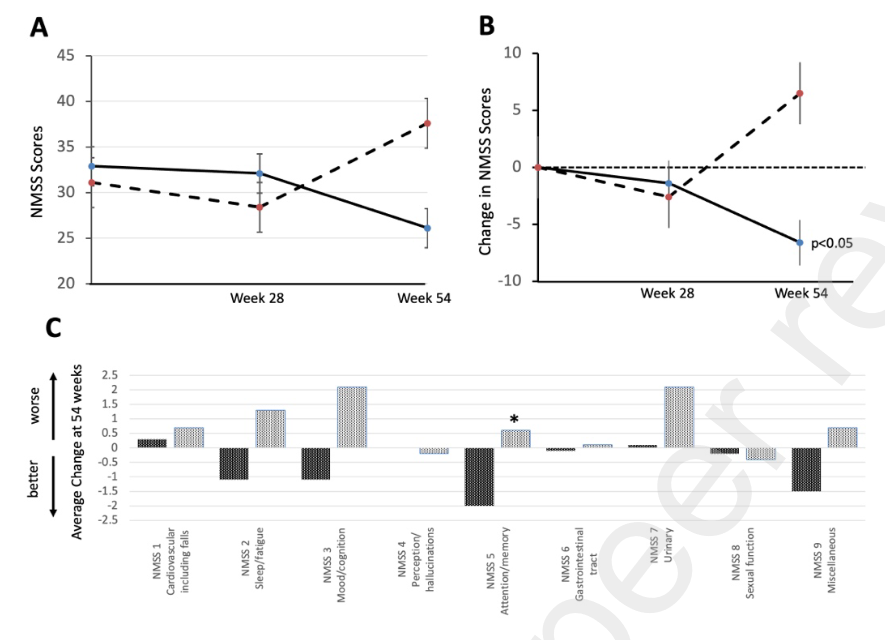
@MicheleTagliati & colleagues have made a preprint of results of the Phase II, randomized, double-blinded, placebo-controlled clinical trial of Liraglutide in #Parkinsons available - Study funded by @CureParkinsonsT
https://t.co/2F4XiKasdp
A brilliant meeting for ACORD fellows yesterday, chaired by @suvankarpal at @MRCCTU . A lot of exciting novel trial-related work going on across neurodegenerative diseases. And always incredible to hear the STAMPEDE trial success story from @MaxParmarMRCUCL .