Fix #6: Stop pretending teachers are only working when you can see them.
The grading, the planning, the calls home, the worrying about the kid who did not show up today. None of that happens between 7:30 and 2:45.
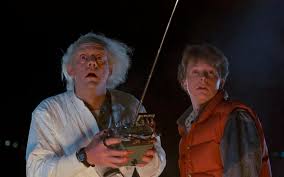
Retour vers le Futur est le plus grand film de philosophie jamais déguisé en blockbuster pour enfants. Et personne ne parle des leçons de vie qu'il contient.
🧵
En surface c'est un film sur une DeLorean et un ado qui embrasse presque sa mère par accident. En profondeur c'est un traité sur la nature humaine, le libre arbitre et la responsabilité individuelle.
Première leçon : l'homme peut devenir bon ou mauvais. C'est un choix, pas une fatalité.
George McFly. Dans la timeline originale c'est un loser. Soumis. Écrasé par Biff. Incapable de tenir tête à qui que ce soit. Sa vie entière est définie par un moment de lâcheté.
Même George McFly. Dans la timeline modifiée, il met un coup de poing à Biff. Un seul moment de courage. Et toute sa vie change. Il devient auteur. Confiant. Respecté. Heureux.
Le film ne dit pas que George était "génétiquement" un loser ou un gagnant. Il dit que George avait les deux en lui. Et qu'un seul moment de décision a déterminé lequel des deux prendrait le dessus.
C'est Dostoïevski en version pop. Le bien et le mal coexistent dans chaque homme. Le choix fait la différence.
Deuxième leçon : rien n'est jamais écrit d'avance.
"Your future hasn't been written yet. No one's has. Your future is whatever you make it. So make it a good one."
Doc Brown dit ça à la fin du troisième film. C'est la phrase la plus anti-déterministe du cinéma. Et c'est exactement le contraire de ce que le marxisme, la sociologie bourdieusienne et le déclinisme français racontent.
Le marxisme dit : ta classe sociale détermine ton destin. Bourdieu dit : ton capital culturel détermine ton destin. Le déclinisme dit : le système est foutu, rien ne changera.
Doc Brown dit : ton futur n'est pas encore écrit. C'est toi qui le crées.
Chaque timeline dans le film est la preuve que les petites décisions individuelles ont des conséquences massives. Un coup de poing change une vie. Un mot de trop détruit une famille. Un acte de courage crée un futur entièrement différent.
C'est l'effet papillon comme philosophie de vie. Et c'est profondément libéral au sens originel du terme : l'individu est souverain sur son destin.
Troisième leçon : le vrai ennemi c'est pas l'autre. C'est ta propre lâcheté.
Biff est le méchant apparent. Mais le vrai antagoniste du film c'est la lâcheté de George. Biff ne fait qu'occuper l'espace que George lui cède. Le jour où George décide de ne plus céder, Biff n'est plus rien. Un bully sans victime consentante c'est juste un mec pathétique qui crie dans le vide.
Combien de gens vivent dans la timeline où ils n'ont jamais mis le coup de poing ? Pas un coup de poing physique. Le coup de poing métaphorique. Dire non. Quitter le job. Lancer la boîte. Dire la vérité. Refuser le confort de la soumission.
Quatrième leçon : le futur se construit avec de l'énergie.
Le flux capacitor a besoin de 1.21 gigawatts. C'est pas un détail narratif. C'est une métaphore. Le voyage dans le temps, la capacité à changer son futur, demande une quantité d'énergie massive. Pas n'importe quelle énergie. Une énergie concentrée, focalisée, canalisée sur un seul point.
C'est exactement ce que demande l'entrepreneuriat. Ce que demande la création. Ce que demande n'importe quel changement de trajectoire de vie. Une quantité massive d'énergie focalisée sur un seul point de décision.
La majorité des gens n'ont pas 1.21 gigawatts. Pas parce qu'ils n'ont pas l'énergie. Parce qu'ils la dispersent. Un peu de plainte ici. Un peu de scroll là. Un peu de confort partout. L'énergie fuit de partout et il ne reste rien pour le flux capacitor.
Cinquième leçon : le passé t'explique mais ne te définit pas.
Marty découvre que son père était un loser. Que sa mère buvait. Que sa famille était dysfonctionnelle. La tentation aurait été de dire "je suis le produit de mon environnement". Le déterminisme social appliqué à la famille.
Mais Marty ne fait pas ça. Il intervient. Il change le cours des choses. Non pas en niant le passé mais en refusant d'en être prisonnier.
C'est la leçon la plus puissante pour quiconque vient d'un milieu difficile. Ton passé est réel. Tes circonstances sont réelles. Mais elles ne sont pas ton futur. Ton futur est le produit de tes décisions, pas de tes origines.
Sixième leçon : la technologie est un outil. L'humain est le pilote.
La DeLorean ne va nulle part sans quelqu'un au volant. La machine voyage dans le temps. L'humain choisit la destination. Doc Brown construit la machine. Marty décide quoi en faire.
C'est exactement la relation qu'on devrait avoir avec l'IA. La technologie est le véhicule. L'humain est la vision. Sans vision, la DeLorean est une voiture moche qui traîne dans un parking. Avec une vision, elle change l'histoire.
Robert Zemeckis a mis tout ça dans un film pour enfants en 1985. Pas dans un traité de philosophie. Pas dans un essai. Dans un film avec un skate, un ampli géant et un mec qui dit "Great Scott!".
C'est la définition du génie de la vulgarisation. Les vérités les plus profondes emballées dans le divertissement le plus pur.
Ton futur n'est pas écrit. Mets le coup de poing. Trouve tes 1.21 gigawatts. Et conduis.
Roads ? Where we're going, we don't need roads.
It’s not a straight shot to the far side of the Moon! 🌕
Over approximately 10 days, the Artemis II astronauts will orbit Earth twice before looping around the far side of the Moon in a figure eight and returning home.
Let me explain exactly why every new subdivision in America looks like the top photo, because the math is wild.
A mature tree increases a home's value by 7 to 19 percent. On a $400,000 house, that's $28,000 to $76,000. A single shade tree produces the cooling equivalent of ten room-size air conditioners running 20 hours a day. One tree on the west side of a house cuts energy bills by 12 percent within 15 years. The bottom photo is worth more, costs less to live in, and sells faster. This has been documented by the University of Washington, Clemson, Michigan State, and the USDA. The data is not in dispute.
Removing those trees saves the builder roughly $5,000 per lot. Concrete trucks need twice the dripline radius of every standing tree. Utility trenches need flat ground. A bulldozer flattens 200 lots in an afternoon. Preserving trees adds weeks and thousands per home.
So the developer pockets $5,000 in savings and the buyer eats $50,000 in lost value for the next two decades. The person making the decision and the person paying for it have never been in the same room.
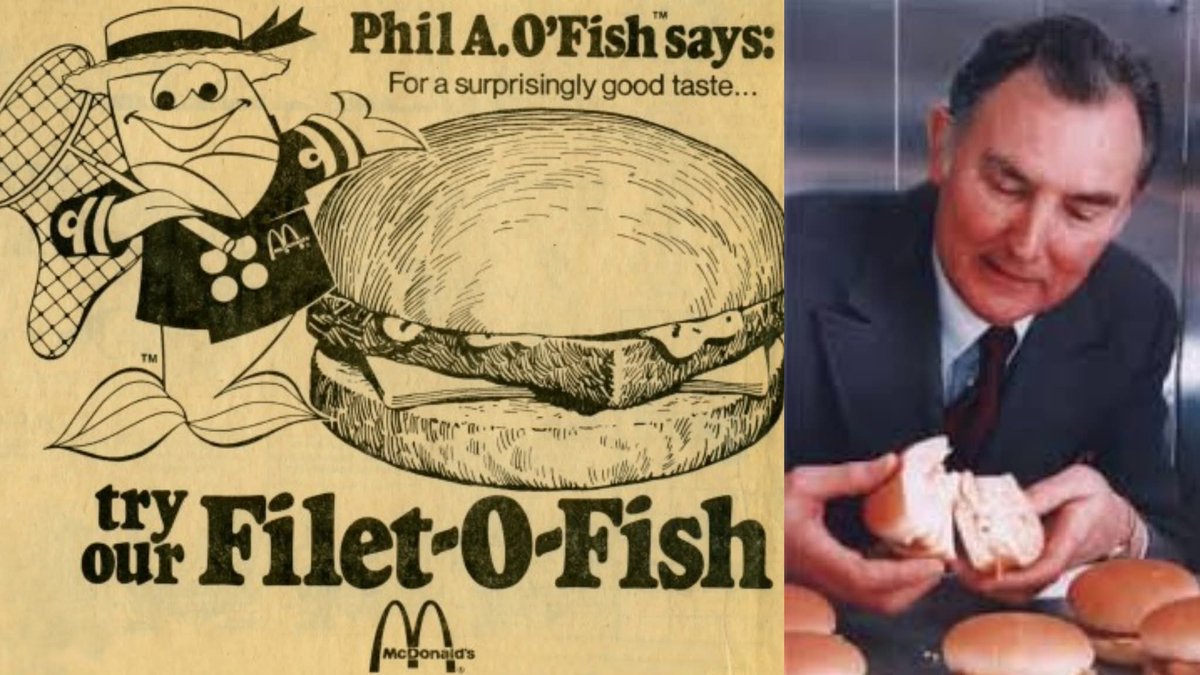
The Woodlands, Texas is the proof of what happens when they are. George Mitchell bought 28,000 acres of Houston timberland in 1974 and preserved 28% as permanent green space. He forced McDonald's to build behind the tree canopy. That McDonald's became one of the highest-volume locations in Texas. The first office building, designed to reflect the surrounding forest so you couldn't see it from the street, leased completely.
The Woodlands median home price today: $615,000. Katy, a comparable Houston suburb that clear-cut: $375,000. Named #1 community to live in America two years running.
Fifty years of data. The trees are worth more than removing them saves. Developers clear-cut anyway because they sell the house once and leave. You live in it for 30 years.
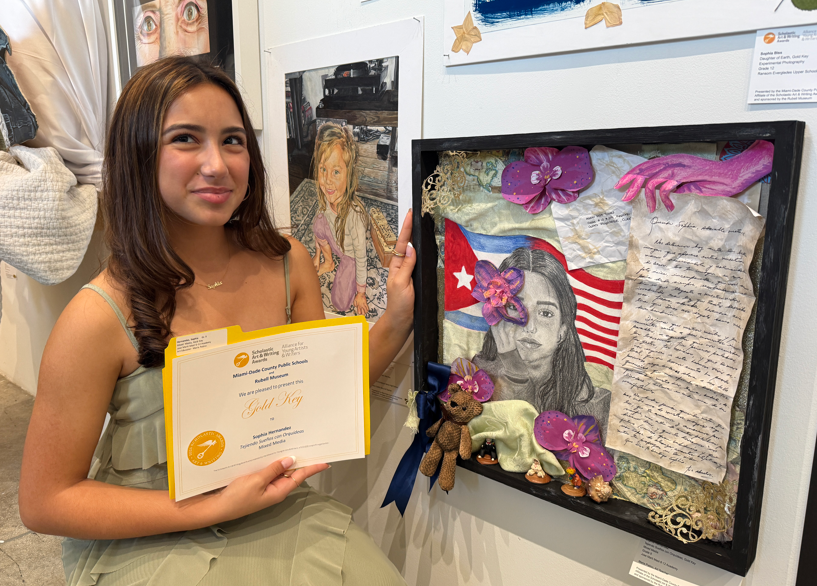
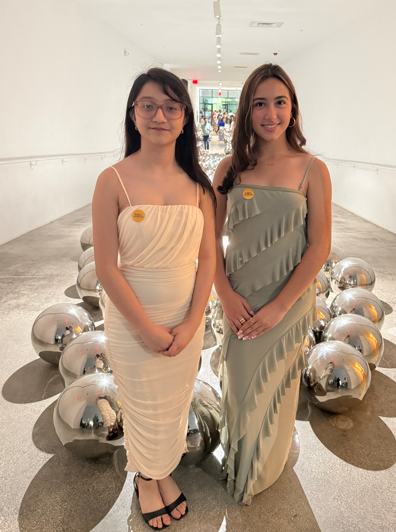
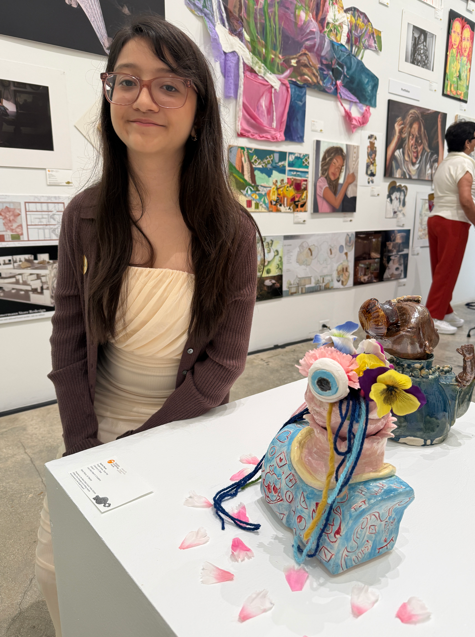
Congratulations goes to Sophia Hernandez and Sophia Reyes for representing JMMA this past weekend at the 2026 Scholastic Art Exhibit.
The Scholastic Art & Writing Awards are competitive and nationally recognized. They showcase exceptional student talent.
#YourBestChoiceMDCPS
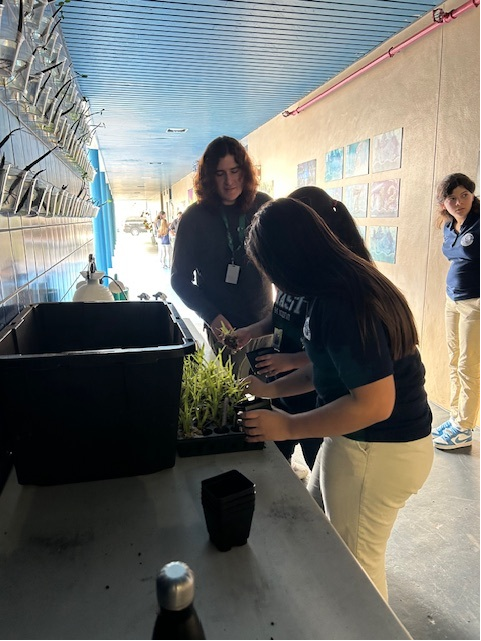
A moving experience for our @josemartimast students at the dress rehearsal for Turandot presented at the @ArshtCenter by Florida Grand Opera. March 5, 2026 #mast2526
Scientists put kids through 100 hours of reading, then scanned their brains. New wiring had physically grown inside the language regions. Communication between brain areas sped up by a factor of 10. Kids who didn't read showed zero change.
That was a 2009 Carnegie Mellon study. It gets wilder.
In 2013, Emory University scanned 19 students every morning for 19 straight days while they read one novel chapter each night. Mornings after reading, the brain areas responsible for understanding other people's emotions lit up with new connections. So did the region that processes physical sensation. Their brains were simulating what the characters felt, as if it were happening to them. Those changes stuck around for 5 days after they finished the book.
Now flip to scrolling. A massive review published in Psychological Bulletin last September pulled together 71 studies covering 98,299 people. Heavy short-form video use (TikTok, Reels, Shorts) showed a clear pattern: worse attention, weaker self-control, and more anxiety. Consistent across teenagers and adults, across every platform tested. Oxford didn't name "brain rot" its 2024 Word of the Year for nothing.
A 2024 brain wave study found that people hooked on short-form video had weaker activity in the front of the brain, the part that controls focus and impulse control. Separate brain scans showed the same thing: heavy scrollers had less activation in the exact regions that deep reading strengthens.
UCLA neuroscientist Maryanne Wolf has been studying this for decades. Humans were never born to read. There's no gene for it. Reading is something we invented, and it hijacked neurons that were originally meant for recognizing faces. Over time, it built entirely new brain circuits connecting language, vision, and emotion. But those circuits only survive if you use them. Stop reading, and they fade. Wolf's conclusion is simple: screens built for speed produce a speed-wired brain. Books built for depth produce a depth-wired brain.
One honest caveat: most of these studies are snapshots, not long-term tracking. People who already struggle to focus might just prefer short videos. But the same pattern showing up across nearly 100,000 people is hard to shrug off.
The tweet repeats the line seven times. The research backs it up with brain scans, EEG data, and white-matter imaging across tens of thousands of people.
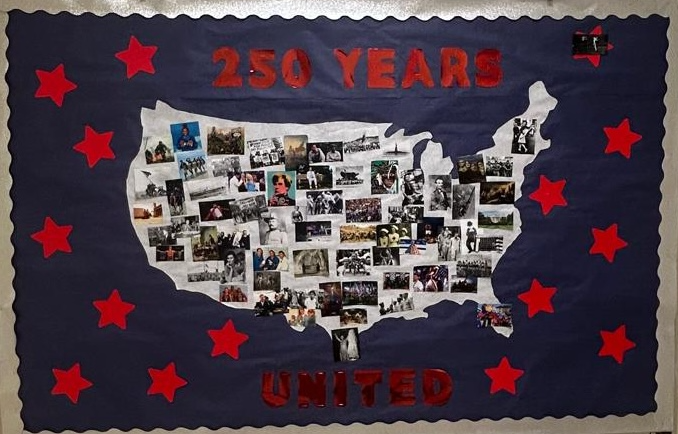
This morning students and staff raised the flag in honor of our country being 250 years old in 2026. We all sang Happy Birthday as the flag was raised to the top. #YourBestChoice@SuptDotres