Evolutionary Biomechanics lab @uni_greifswald | Diversity & evolution of function in biological materials and animal traits | PI @jonas_o_wolff | @ERC_Research
Did someone ever ask you why should we care about #spiders? Or maybe you wondered yourself? In https://t.co/v1vJ2VEMIq we delve into the diverse spectrum of spider #ecosystem#services and their potential to inspire #nature-based #solutions.
Figure by @jago_MO @CE3CResearch
Hot off the press:
From fibres to adhesives: #evolution of #spider capture threads from web anchors by radical changes in #silk gland function
https://t.co/TizkHEOhDD 🔓
1/4
Further, the organic salt betaine is present in the viscous glue in high quantities. It might bind water and help in keeping the proteinaceous secretion soft and sticky.
Another glue dries quickly and contains a silk protein with a modified end, so it cannot form fibres. 4/4
👀👀@jonas_o_wolff invited me to join him in writing a dispatch on the beautiful work on eye evolution in spiders🕷️by @KaylinChong, @Lauren_hSR and co-authors recently published in @CurrentBiology. This was a total pleasure to write!👀👀
https://t.co/g3Rgn4pBHY
It was a great pleasure to host @EvoBiomech David Labonte for a few days. We enjoyed inspiring discussions about arthropod biomechanics and generated new ideas.
Nature’s aquatic architects: Caddisfly larvae use specially adapted silk to construct portable cases and underwater shelters that provide protection and facilitate feeding. New #ProcB paper explores the evolutionary origins of this trait: https://t.co/R1BjKC9jsP
@paulbfrandsen
Spiders are masters in silk spinning and possess multiple different silk glands that produce fibres or glues with different properties.
Which gland is used for what - web, egg case, dispersal ...?
In a new preprint we give a summary on methods to find out:
https://t.co/8aZyFYDtQ2
The threads spun by the Southern house spider (Kukulcania) to capture prey are the most extensible fibre material found in nature due to a special loops-on-loops structure with regularly coiled fibres held together by straight connecting fibres.
👉 https://t.co/wXu4WhdHq5 👈🔓
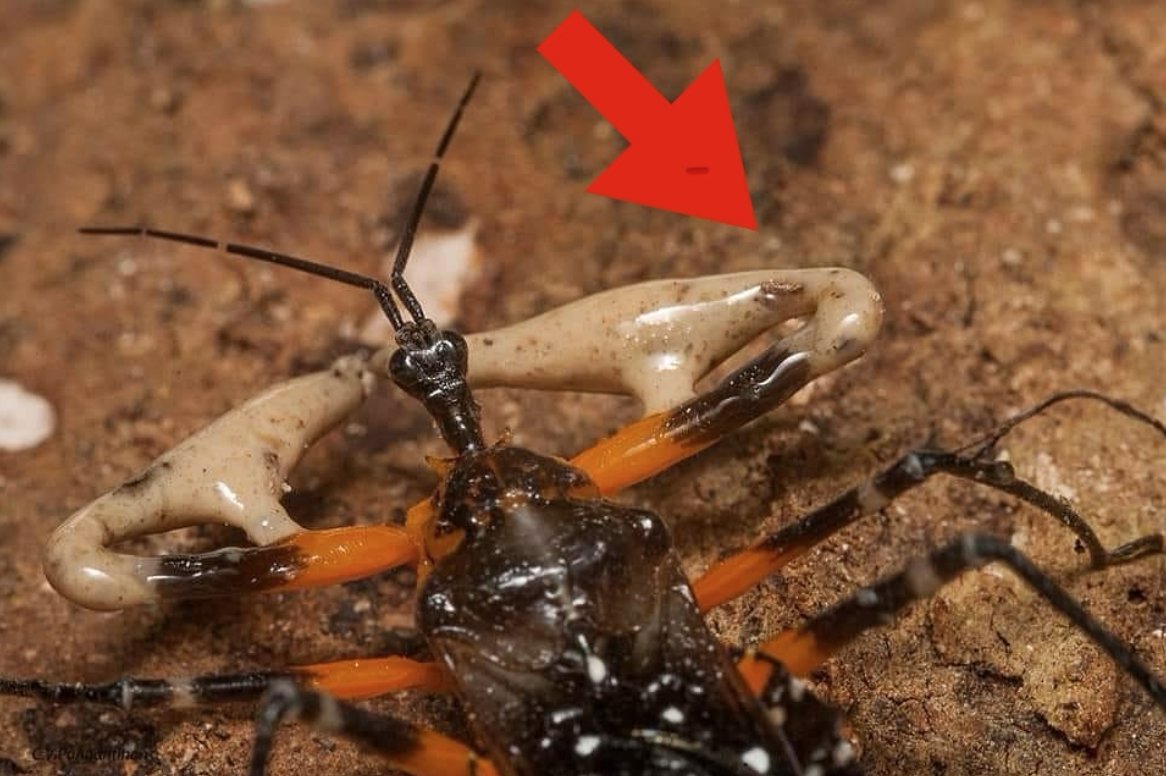
On our expedition to Borneo, we spotted an Amulius assassin bug that weaponises tree resin.
It coats its fore legs in it, and when a termite walks past, it gives it a sticky -- and deadly -- embrace and sucks out the prey's insides.
📷 Clister Pangantihon
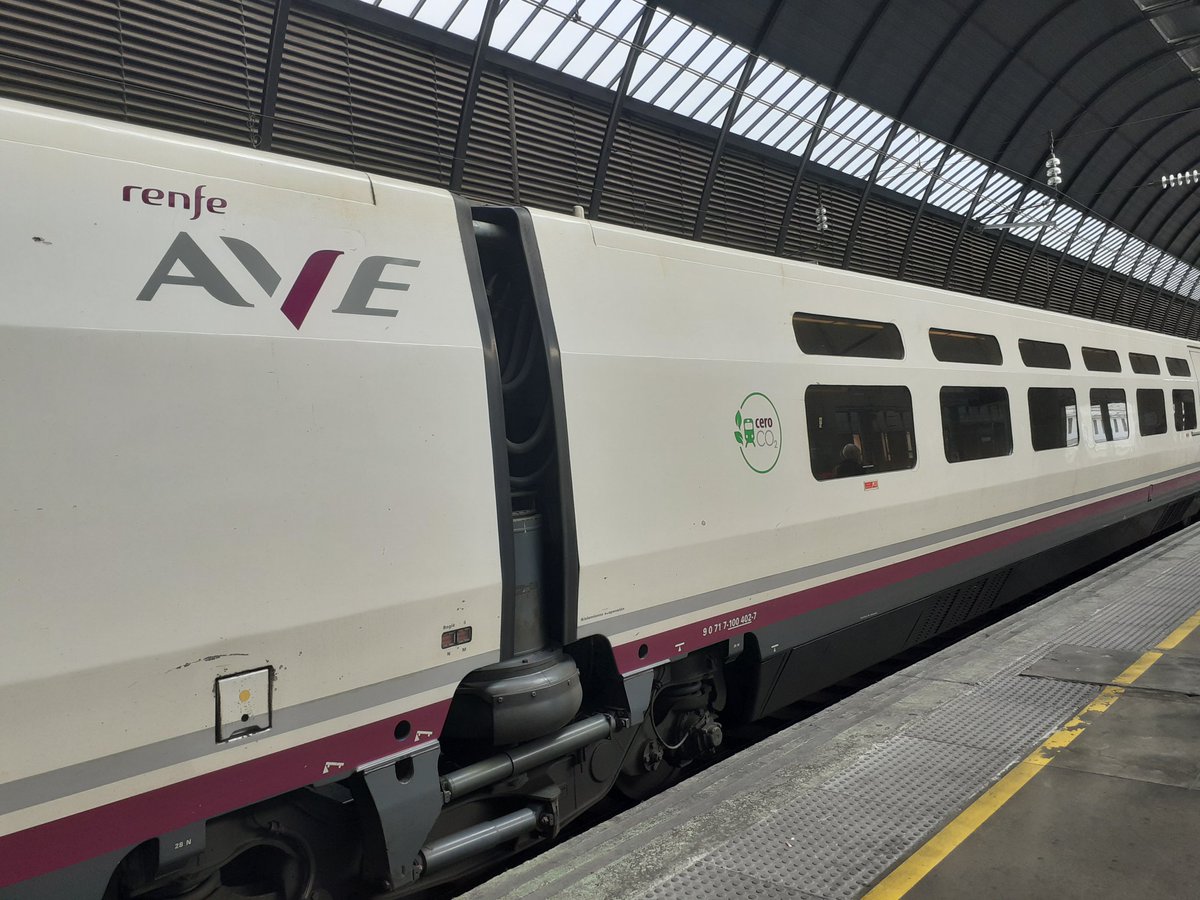
Just returned from our #NoFly fieldtrip to Portugal and Catalonia.
We tested what is feasible: by opting to travel by #rail from Greifswald to Seville (~3,000km) we cut the CO2 foot print of our fielwork to ~0.3t vs over 2t by flying.
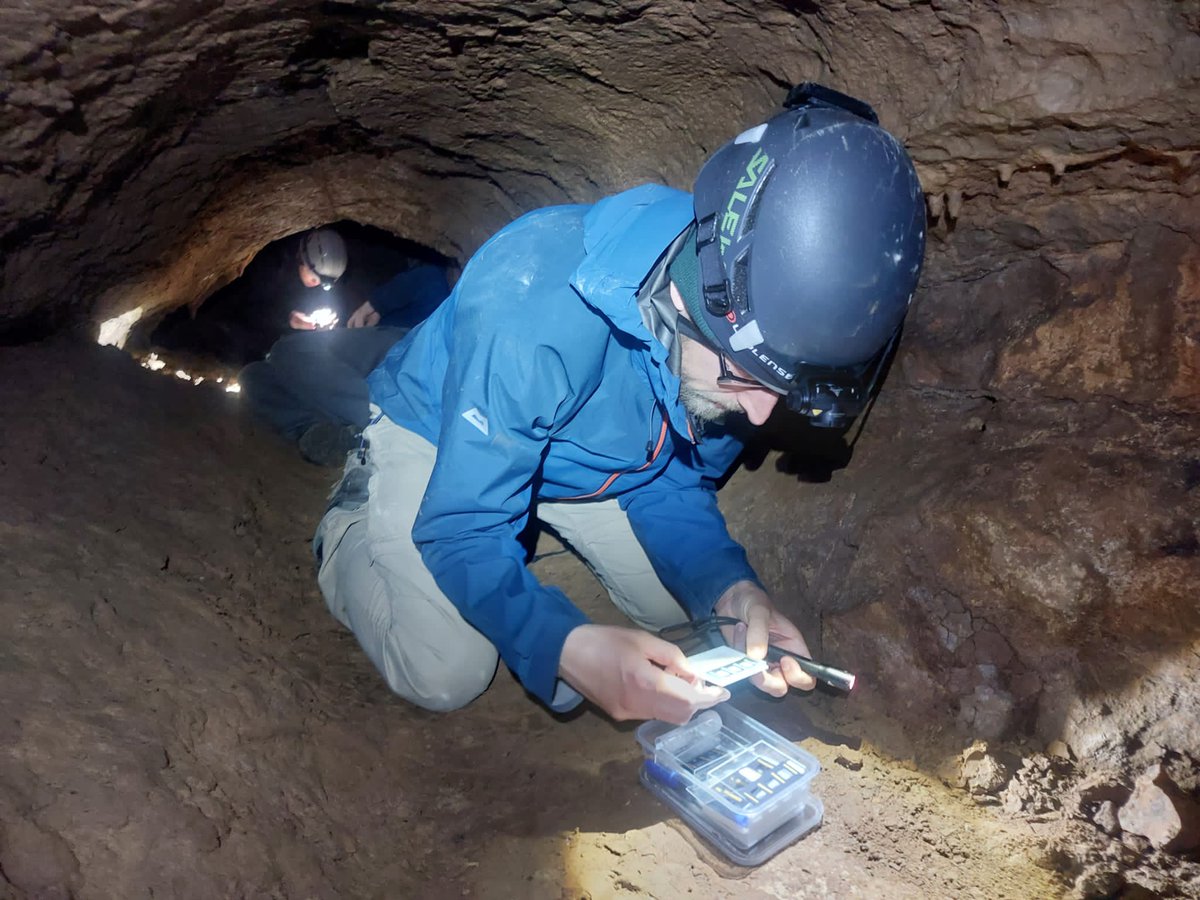
Great weekend at @CE3CResearch field station. A total of 15 arachnologists gathered to sample #spiders for different projects. Inventorying the local fauna kickstarting the #BASS project and looking for some species for studies on the evolution of #silk. Further plans ahead.
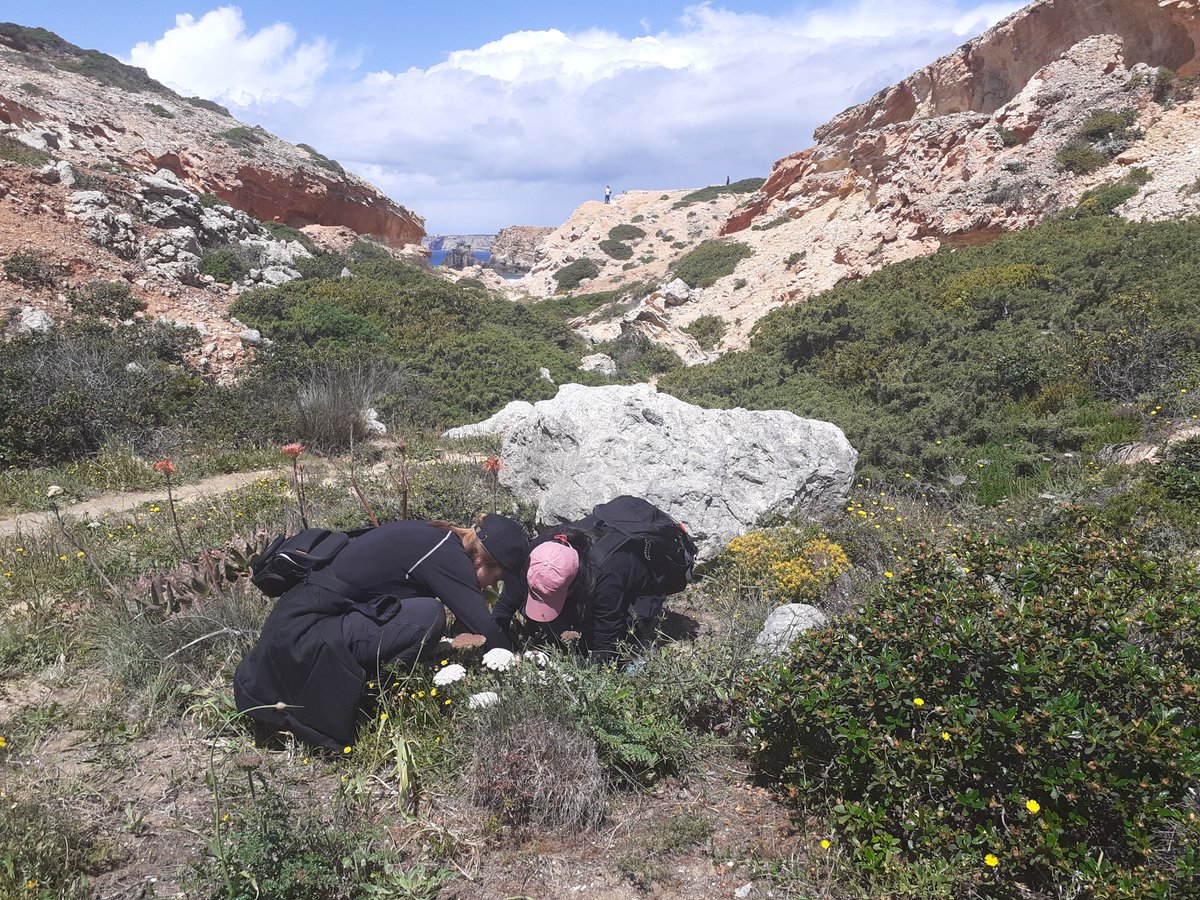
Had a nice day visit to the field station Herdade da Ribeira Abaixo (@CE3CResearch) where everything was in flowers 🌼. Thanks @cardosopmb for showing us around and pointing out the interesting spider habitats.
#Spiders, remote #Islands, #Antarctica, #evolution and long-range #dispersal: our new paper pre-published in @ASNAmNat has it all: https://t.co/9O1XoyrV1d
Phylogeography of Southern Seashore Spiders
@evoimec, Krehenwinkel lab, @CeridwenFraser, @sderkarabetian, David Renault etal.