Empowering vulnerable Children,Youth Women and communities through education, Lifeskills developmen and enhanced access to resources for sustainable development
These facilities are now fully owned by the district and shall be run by the community leadership in the respective villages in Busia to as a measure to end child labor and ensure that children are in school. #WNCBCloseOut2024.
At the #WNCBCloseut2024 on behalf of the @WNCB_org we've handed over a number of Items to @BLocalgovt for the communities where we've been operating. Among them is a DIT certificate for the EWAD skilling Center, E learning facilities installed in school, the motivational centers.
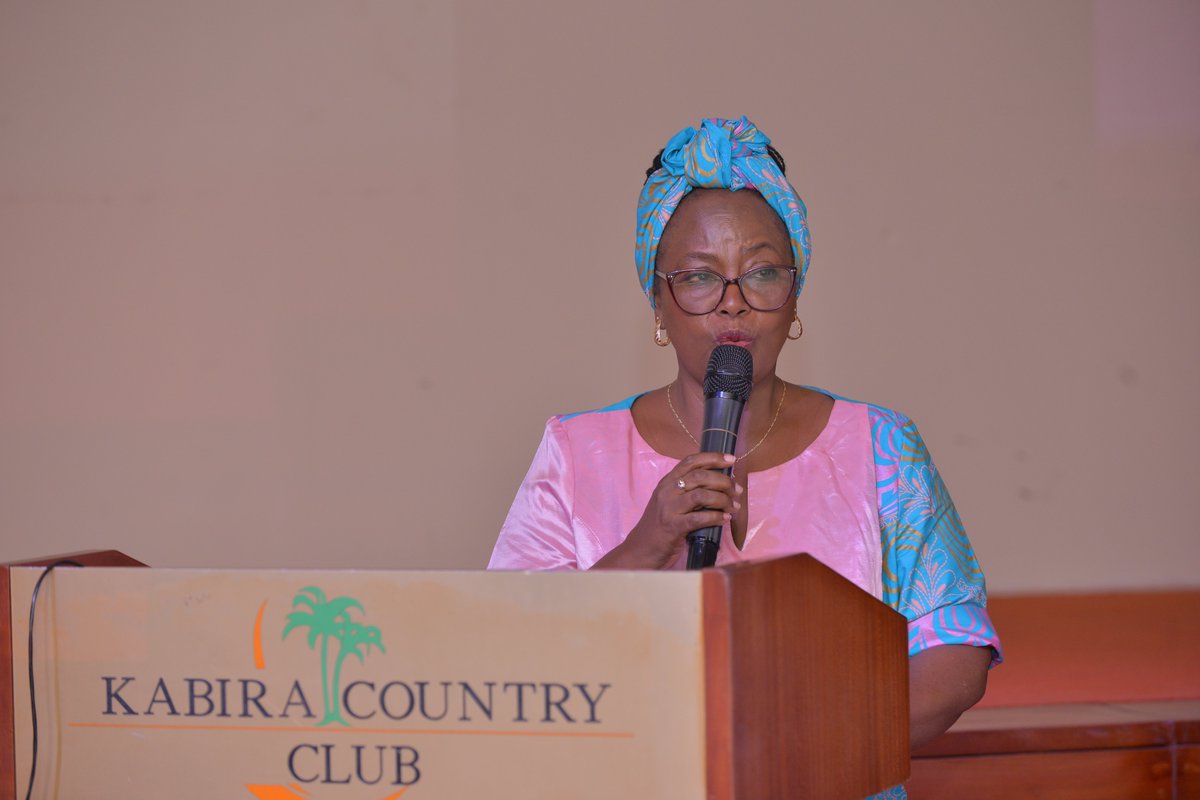
Our executive director Margaret Tuhimwire presenting the impact of the @WNCB_org towards #Endingchildlabour in Busia where the end child labour program has been implemented for the past 5 years.
" I am very happy that we've made a huge contribution to end this vice in Busia,"
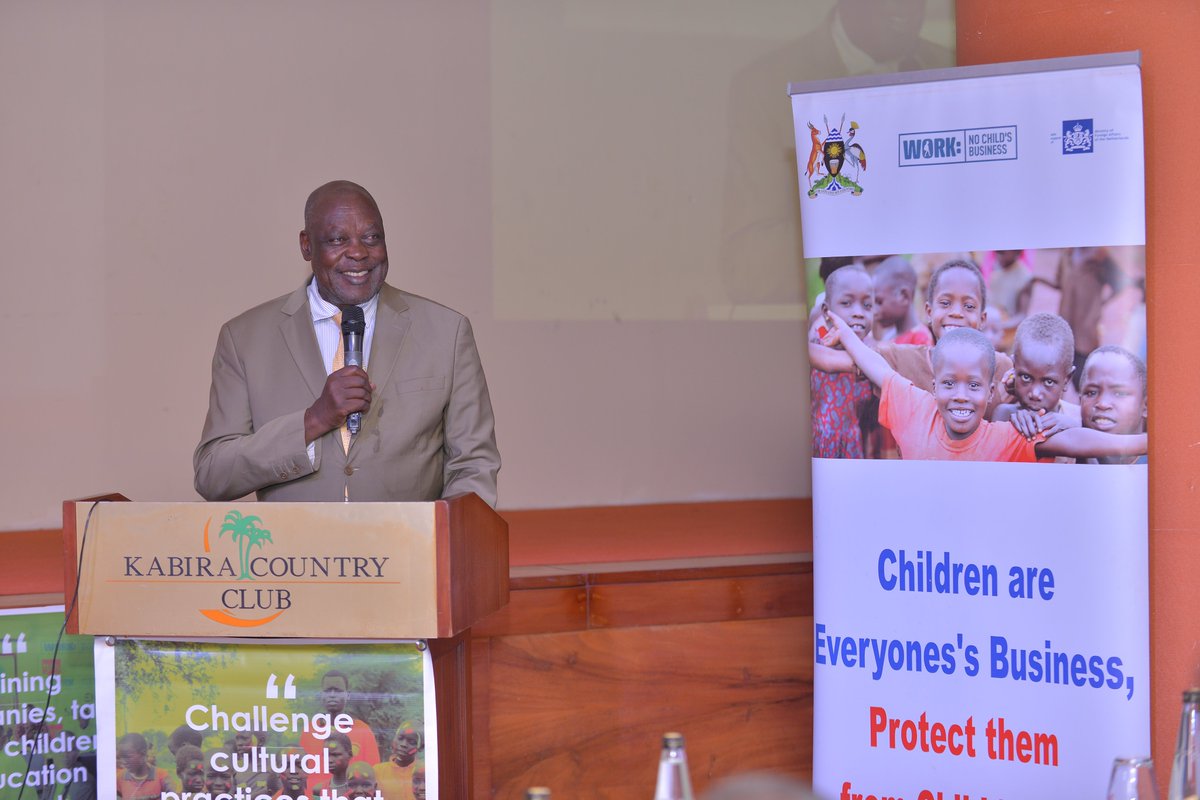
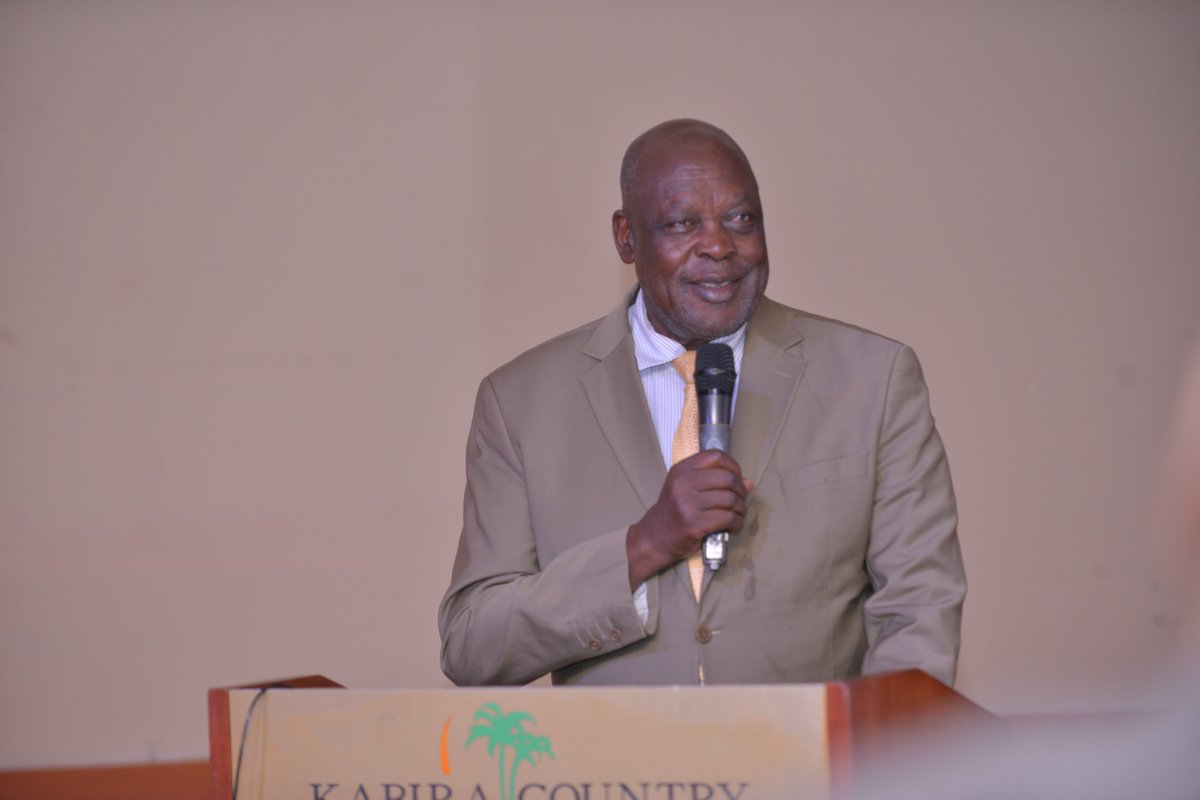
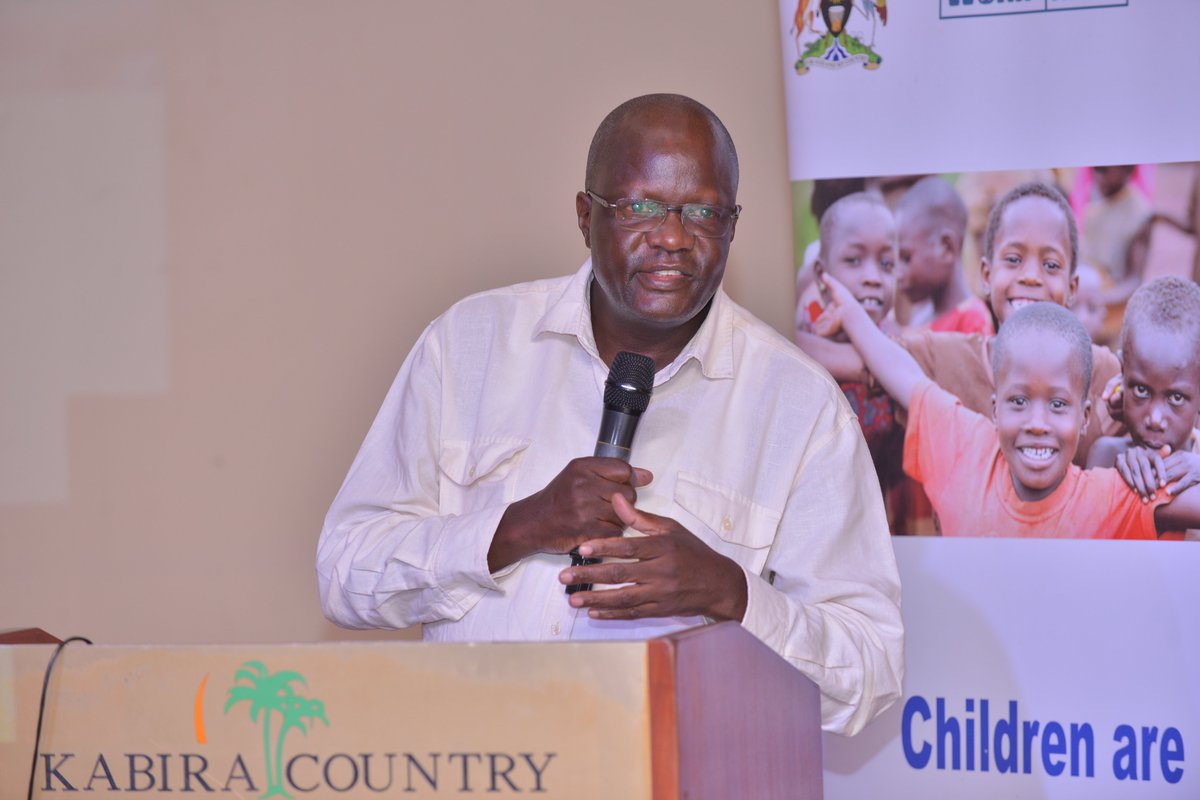
Karamoja minister Hon. Peter Lokeris, officially opening the national @WNCB_org Uganda program closeout meeting.
He has committed to continue with the efforts to #EndChildlabour even without this project.
@nascent_rdo@savechildrenug
Today marks the beginning of another season.
Together with @WNCB_org partners in Uganda @UNATU_ORG@nascent_rdo@savechildrenug we're officially ending the Work No Child's Business program in Uganda. Its time to celebrate the achievements this far. Thank you all
We spent earlier part of today at the @WNCB_org project close out at Busitema Primary School ground. #WNCB project has been running since 2021 by @ewad_uganda in Sikuda,Tiira and Busitema advocating for children’s rights @hivos@hivosroea@UNATU_ORG , @Mglsd_UG
#Happening Auma Christine testifies of how @ewad_uganda under @WNCB_org supported Obuyonjo Bulayi Association to start Village Savings which has improved her livelihood and other members of the Association at the WNCB - Busia project District level closure meeting.
@UNATU_ORG
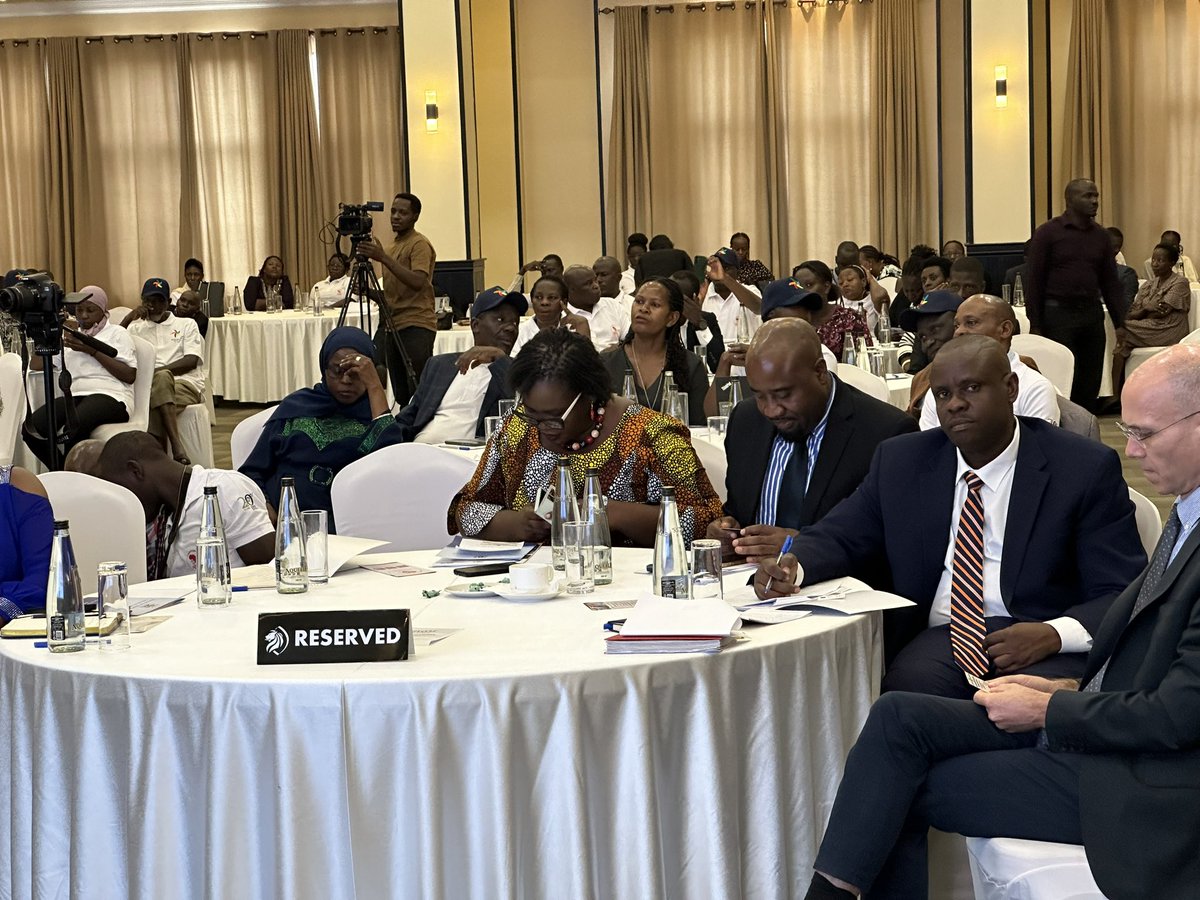
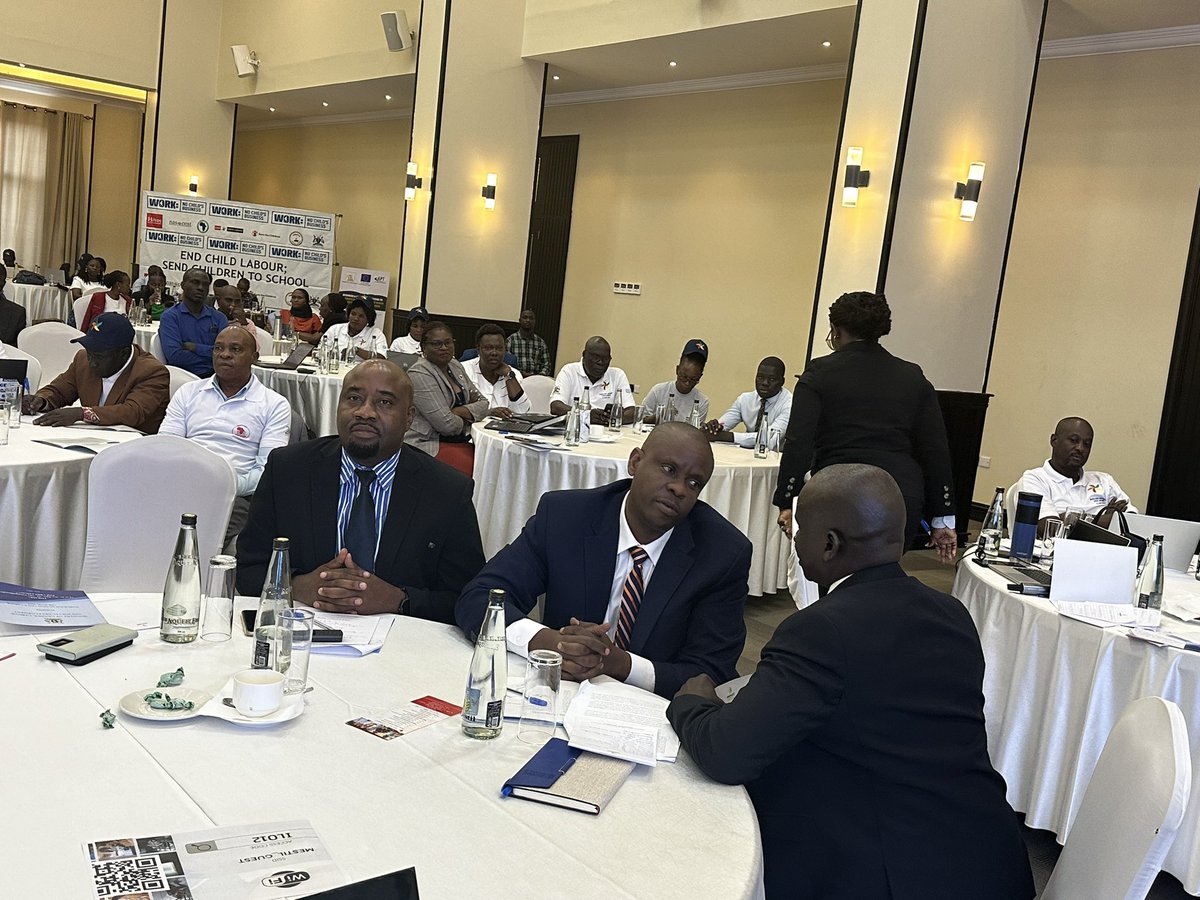
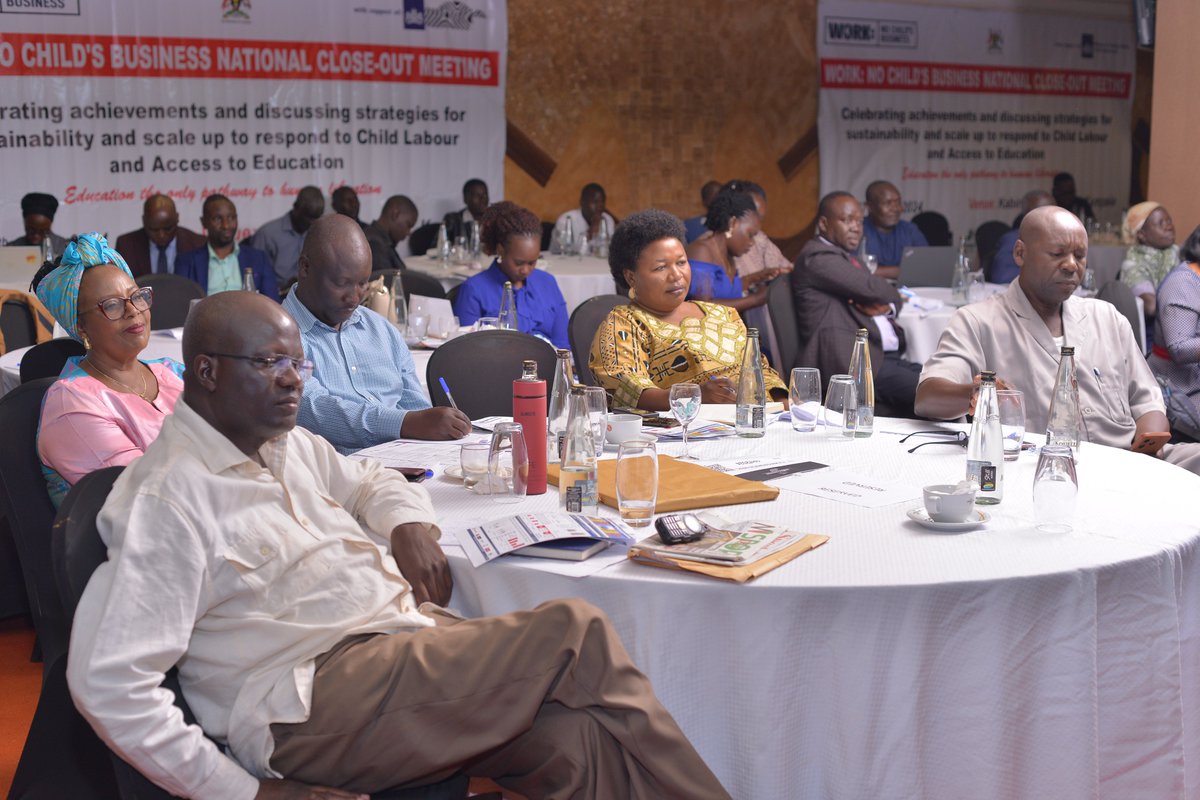
The @WNCB_org Uganda PROGRAM close out meeting for @BLocalgovt is underway at Rand Hotel.
Leaders from the district, sub country, mining companies , children among other are attending meeting which also doubles as a celebration of the many project achievements this far. 1/3
We yesterday began a series of activities to mark the official exit of the @WNCB_org project in Busia.
A lot has been learned, done, and the project impact on communities in @BLocalgovt is visible.
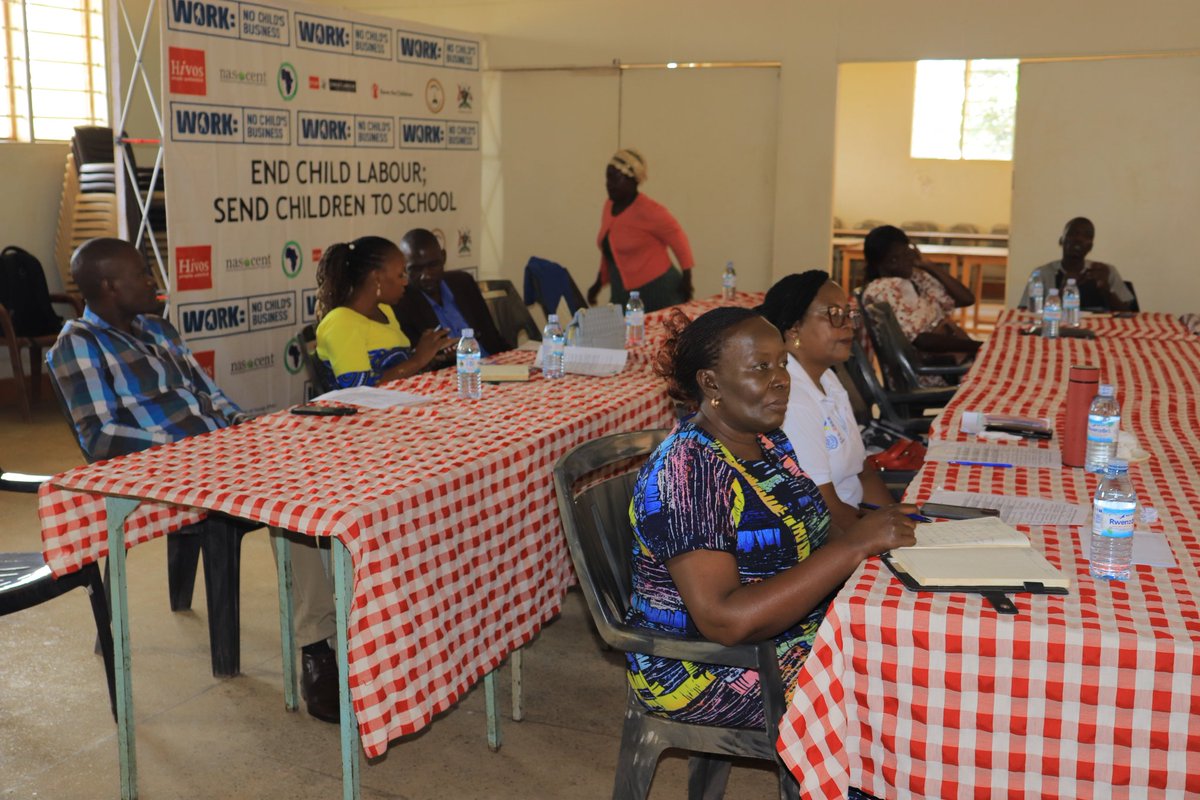
We've started with community closeout meeting at Busitema Primary school. 1/3
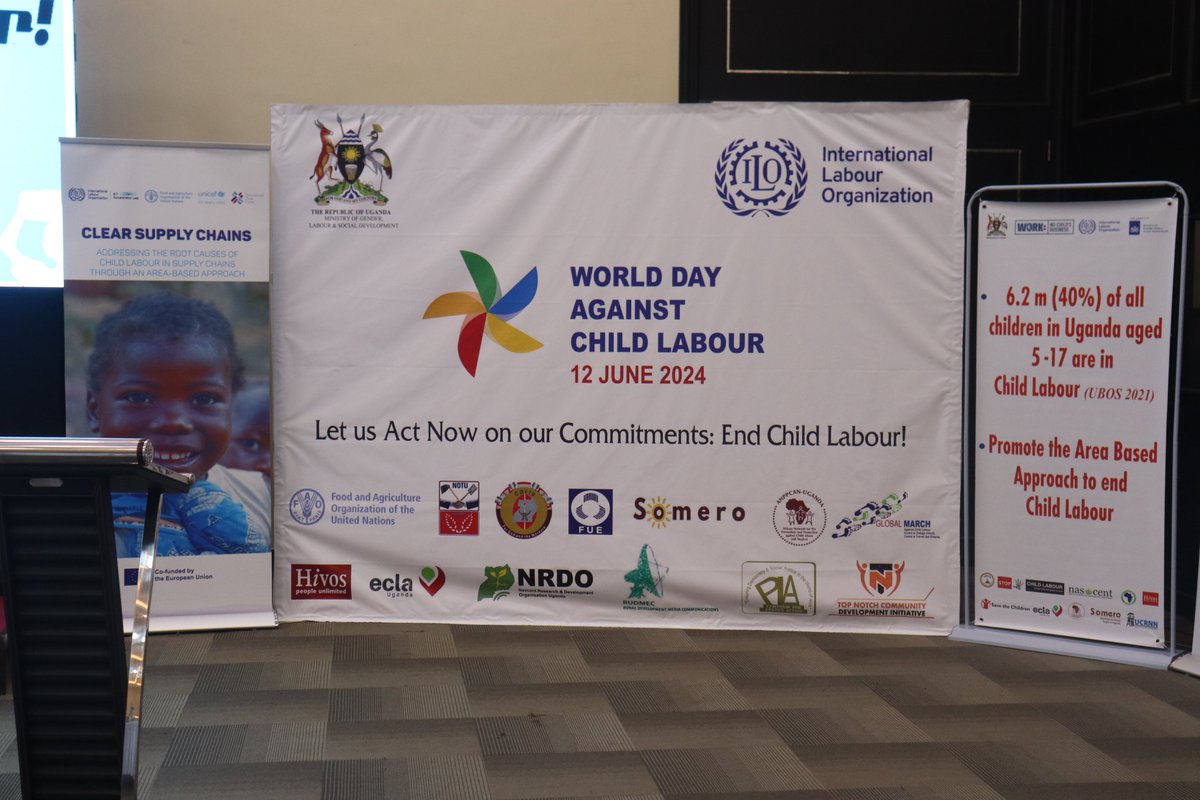
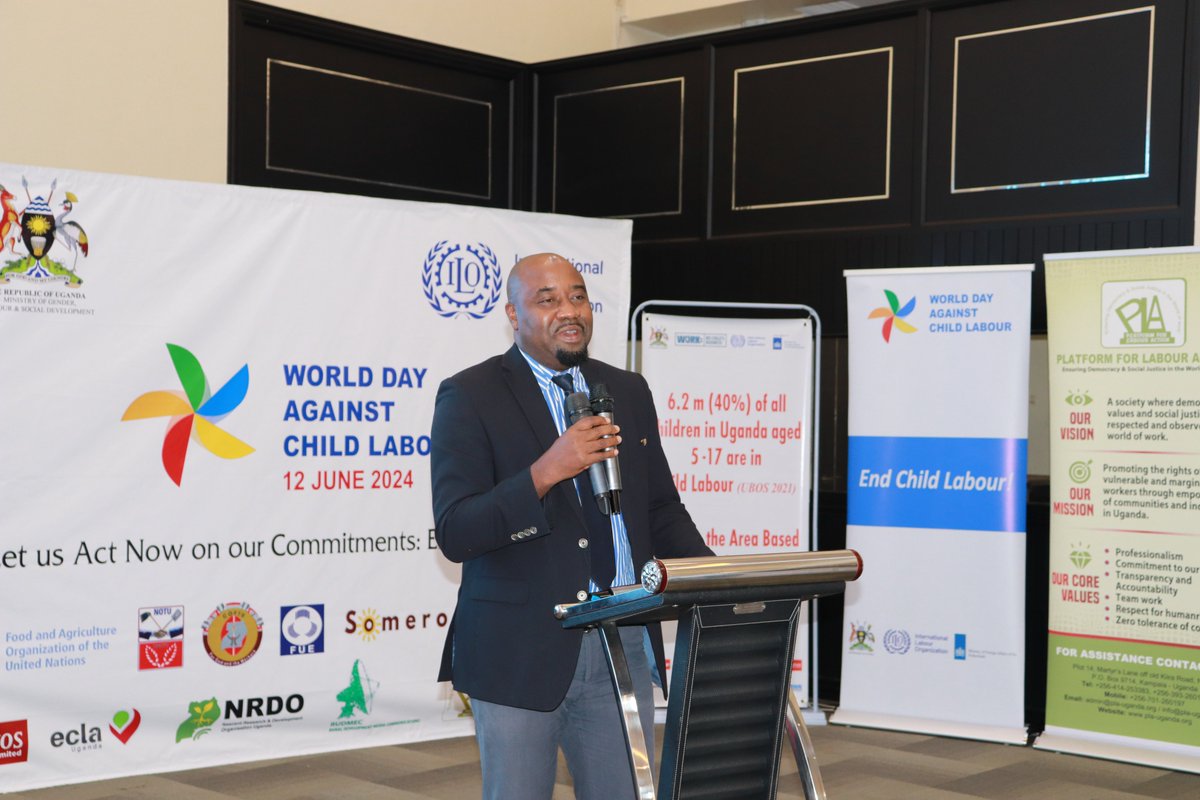
This afternoon, i joined our Development partners, members of the Diplomatic Community & @ilo in commemorating the World Day Against Child Labour at Mestil Kampala
I wish to note that the ILO launched the first World Day Against Child Labour in the year 2002 as a way of highlighting the plight of children engaged in Child Labour. Since then, 12th June of every year is observed as the World Day Against Child Labour and this is intended to renew efforts towards elimination of child labour.
The theme for this year’s WDACL is “Let us act on our Commitments: End Child Labour1!”. On this day, all of us here will be promoting concrete actionsand fulfilling the commitments to address the root causes of child labour, which was at the heart of the Durban Call of Action, adopted at the 5th Global Conference for Elimination of Child Labour in May, 2022 in South Africa.
As we commemorate the WDACL, it is important to remember that Child Labour, refers to work that is mentally, physical, socially/or morally dangerous and harmful to children. It is hazardous work,which by its nature or in the circumstances under which it is performed, jeopardizes the health, safety and morals of the children. Child labour is also perceived as work or activities which interferes with children’s school attendance.
We all need to take the concept of Child Labour seriously. This is because child labour is the most visible problem caused by poverty. Furthermore, child labour in all forms deprives children of education, skills and other opportunities and denies them from securing decent incomes and stable employment as adults. It is an injustice that is felt in most cases at the level of households and families- two-thirds of childlabour occurs as a contributing family member. But it holds back economic growth of entire countries and can be linked to rising inequality in many parts of the world. It is a threat to social cohesion and human progress.
According to ILO Child Labour Global Estimates: Road Forward, 2020,Child labour remains a persistent problem in the world today. The latest global estimates indicate that 160 million children (63 million girls and 97 million boys) were in child labour globally at the beginning of 2020, accounting for almost 1 in 10 of all children worldwide. Seventy-nine (79) million children; nearly half of all those in child labour were in hazardous work that directly endangers their health, safety and moral development.
The recent UBOS National Labour Force Survey 2021 revealed that 6.2 million (40% of the 15.7 million) children aged 5-17 years were involved in child labour excluding those doing household work with more boys (50.4%) than girls (49.6%) working. The rates were higher in rural (42%) compared to urban (32%) areas. Of those, 10.4 million (67%) were working in an equal share of six in ten by sex. The findings revealed that eight in ten of the children aged 5-11 years were working yet they are not supposed to work. The proportion of children involved in hazardous occupations or industries, and working for long hours more than 14 hours a day was almost 3%.
Uganda’s prevalence of child labour rose from 21 to 36 % during COVID-19 that stood at over 4M but now at 40% (6.2m) of the children engaged in child labour, where the Agricultural sector harbours over 90% of children who are deprived of their right to education, decent work, and protection from exploitation. The Covid-19 pandemic & its immense impact on health, temporary school closures, rise in adult unemployment and loss of livelihoods has exacerbated child labour numbers in Uganda.
To make matters worse the United Nations Children’s Fund reported that even after schools were re-opened in Jan/2022, 1 in 10 school going children did not go back to school, most likely, these children slipped into Child Labour.
This year’s theme is: “Let us act on our Commitments to End Child Labour!”.
@Mglsd_UG@GovUganda@EUinUG@ilo@UNICEFUganda@WFP
Violence against children, including attacks on their education, has long-term ramifications on the child’s mental and physical health. African governments must make education safe for all children. #DayOfTheAfricanChild#DAC2024
4/5
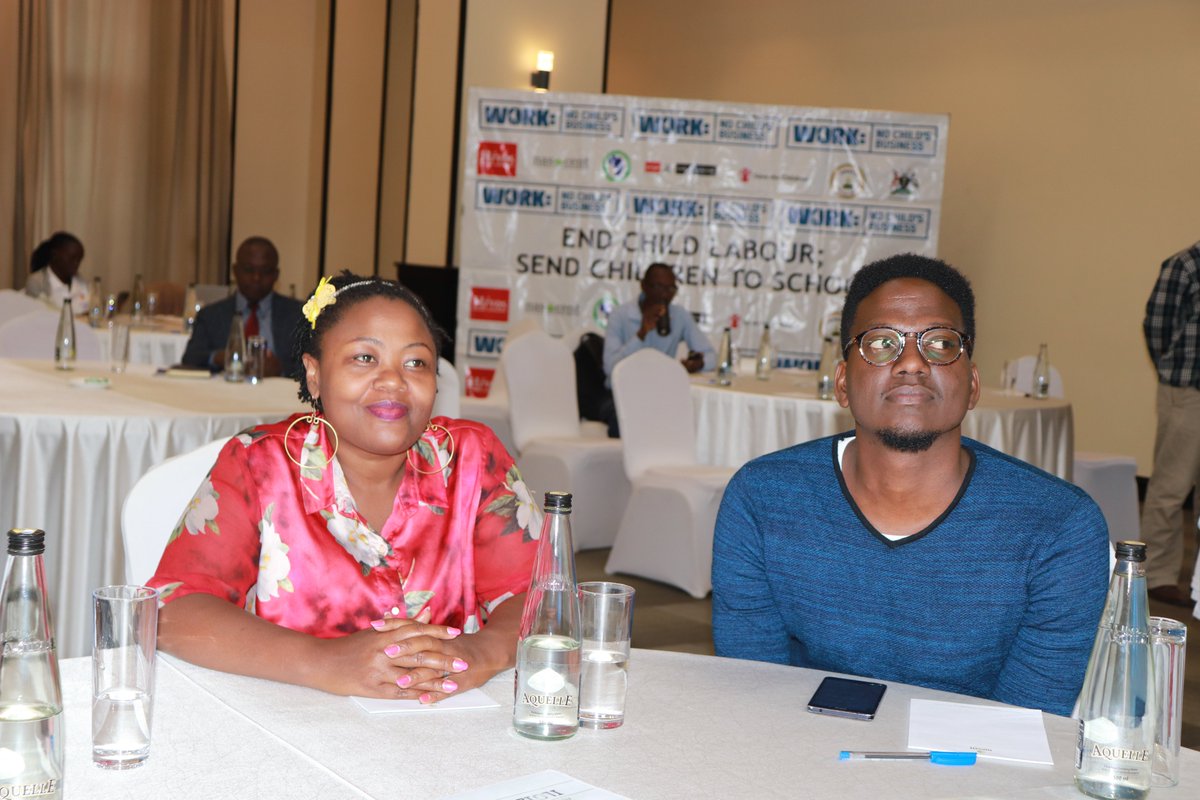
The state minister for gender, labour and social development @BalaamAteenyiDr (Frame 1) has graced the event to mark #WorldDayAgainstChildLabour, @WNCB Uganda program coordinator Juliet Wajega ( in Pink) and children are among the many Ugandans attending the event
1/ 5We join Uganda and the rest of the world to mark the world day against child labour. It is saddening that many children are still victims to child labour.
We encourage everybody to take actions to end this vice. #TogetherAgainstChildLabour
2/5 .
This important day falls on every 12th June. As members of the @WNCB_org we will follow up on the regional initiatives around the area-based approach, organized by Global March, with participation of WNCB partners.
Every day, 160 million children worldwide are engaged in child labour. 📢There is no time to lose. We need to scale up solutions, such as area-based approaches and social protection measures. #TogetherAgainstChildLabour#areabasedapproach
https://t.co/5RsIQJxDdg
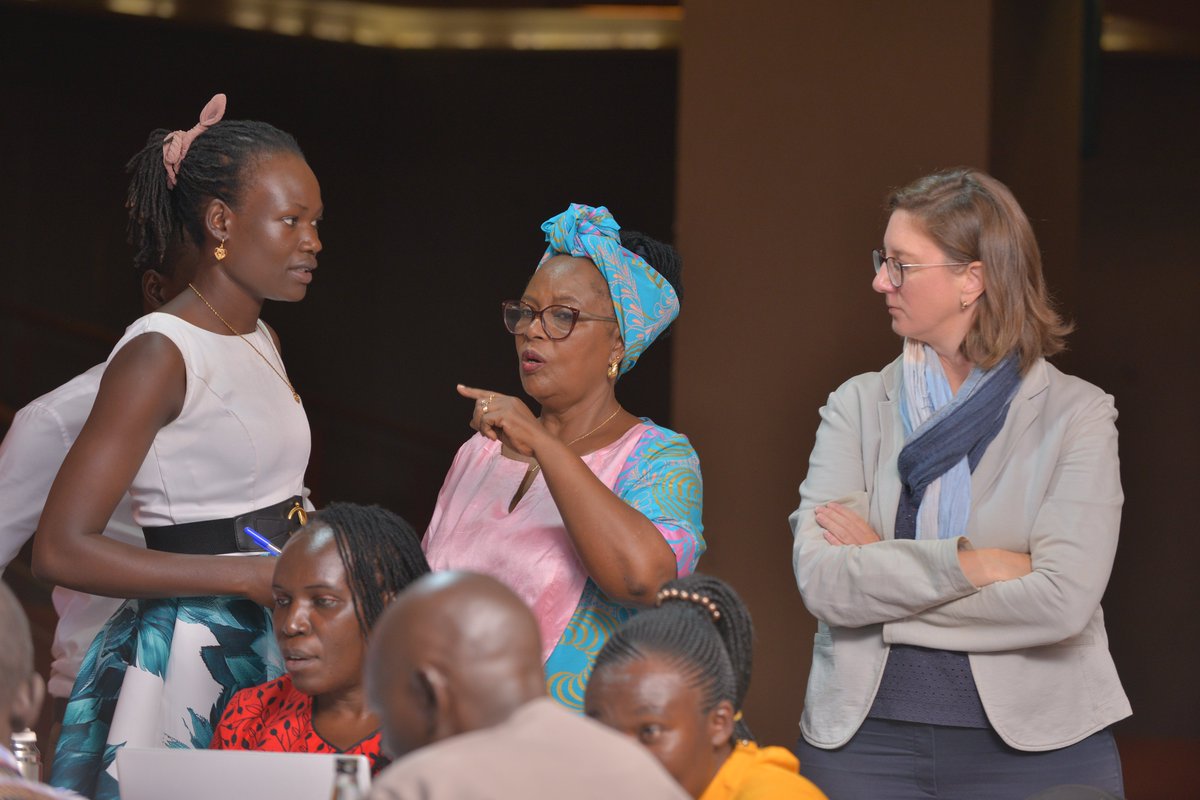
Led by our executive director @tuhumwire , our team has held a meeting with @BLocalgovt Tiira town council clerk Mr. Kayiira Muhammad to share the may achievements this far for the @WNCB_org activities in Busia.
This also comes at a time when we the project is exiting.