#RFIDTool
Update v1.2.1
* Add TX mode to API
* Fine tune TX data interval now that setting is in microseconds(via API only)
* TX multiple packets via API separating binary with commas(limited by devices RAM)
* TX directly from log file view
https://t.co/YaNvLNdnlv
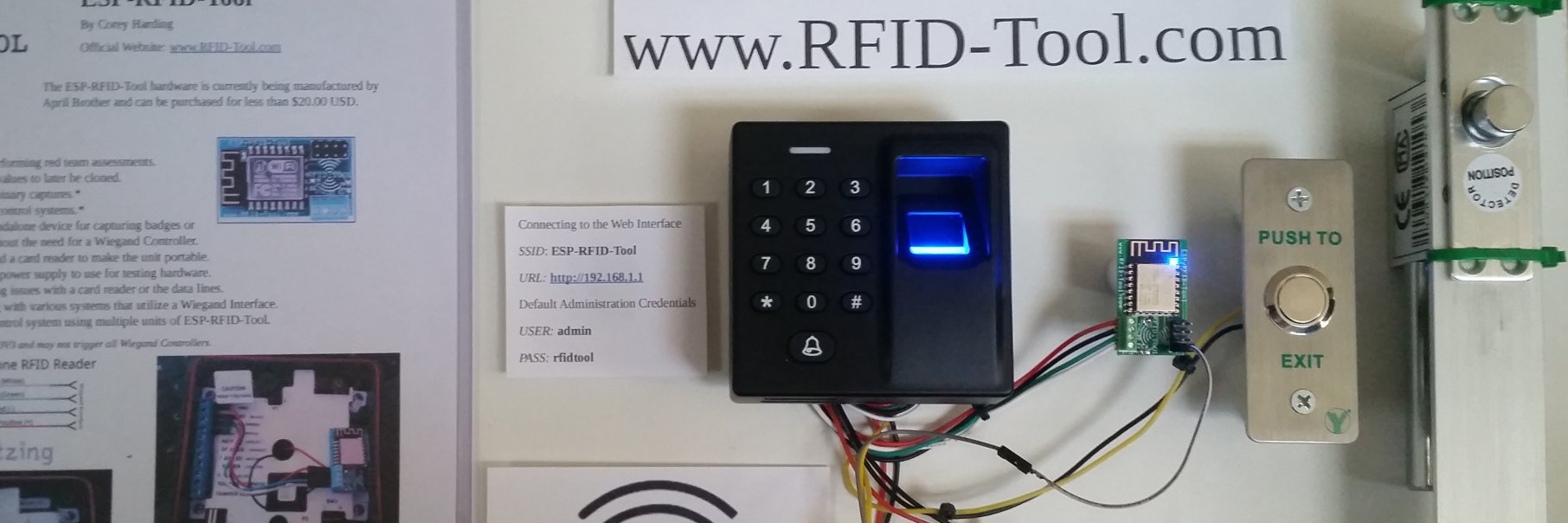
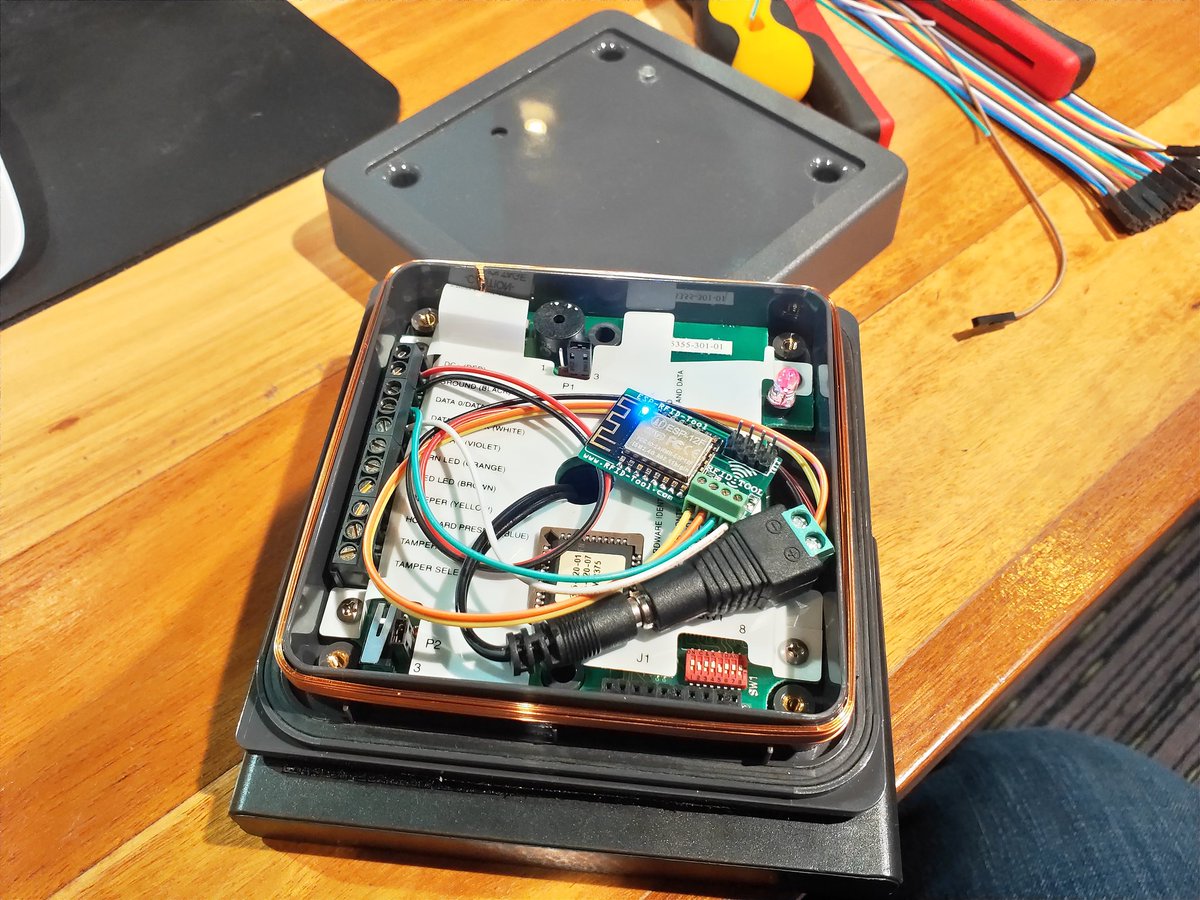
@mazodude@steevwho Forgive my plug here but... #RFIDTool is dependent on the reader for capturing data so this build is for LF but using a different reader it could be for HF or even a biometric, magstripe, or barcode reader that has a wiegand interface.
More info at: https://t.co/Jvsdr6SmYY
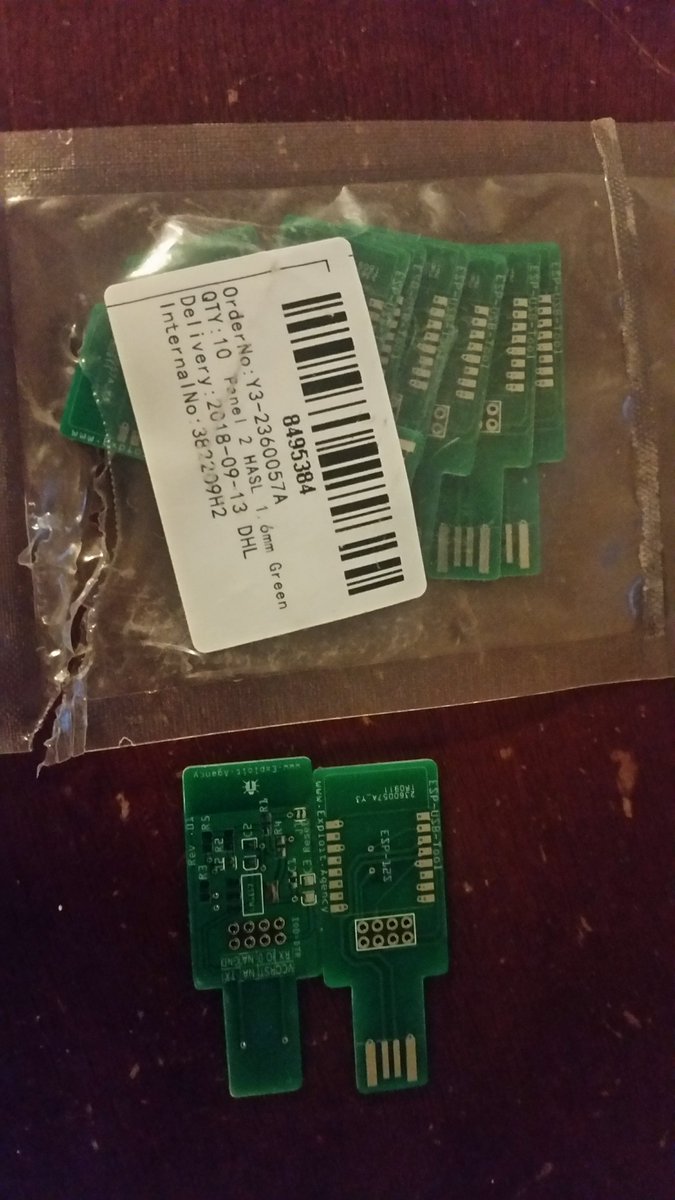
You like wifi in your malicious USB cables?
The O•MG cable
(Offensive MG kit)
https://t.co/Pkv9pQrmHt
This was a fun way to pick up a bunch of new skills.
Not possible without help from: @d3d0c3d, @cnlohr, @IanColdwater, @hook_s3c, @exploit_agency#OMGCable
@PsychoM21238324 Whatever you want to read is based on the reader. Not my device. Buy the proper reader for your application. My device logs wiegand data. That is all. Have a good day.
@PsychoM21238324 It does not say anything about nfc bank cards. It captures the data from a Wiegand interface. It reads Wiegand data. You bought a low frequency 125khz hid rfid reader. NFC is 13.56mhz. This is not a fraud device. Buy an nfc reader for bank cards that has a Wiegand output.
@PsychoM21238324 Also note that RFID is not a universal technology and that there are many types of RFID card formats and several frequencies that are used.
@PsychoM21238324 You can not scan a debit card out of thin air using a RFID reader such as the 5375 like you are attempting. You can however use a dual technology magstripe reader such as ones linked in the readme and swipe cards through the magstripe portion.