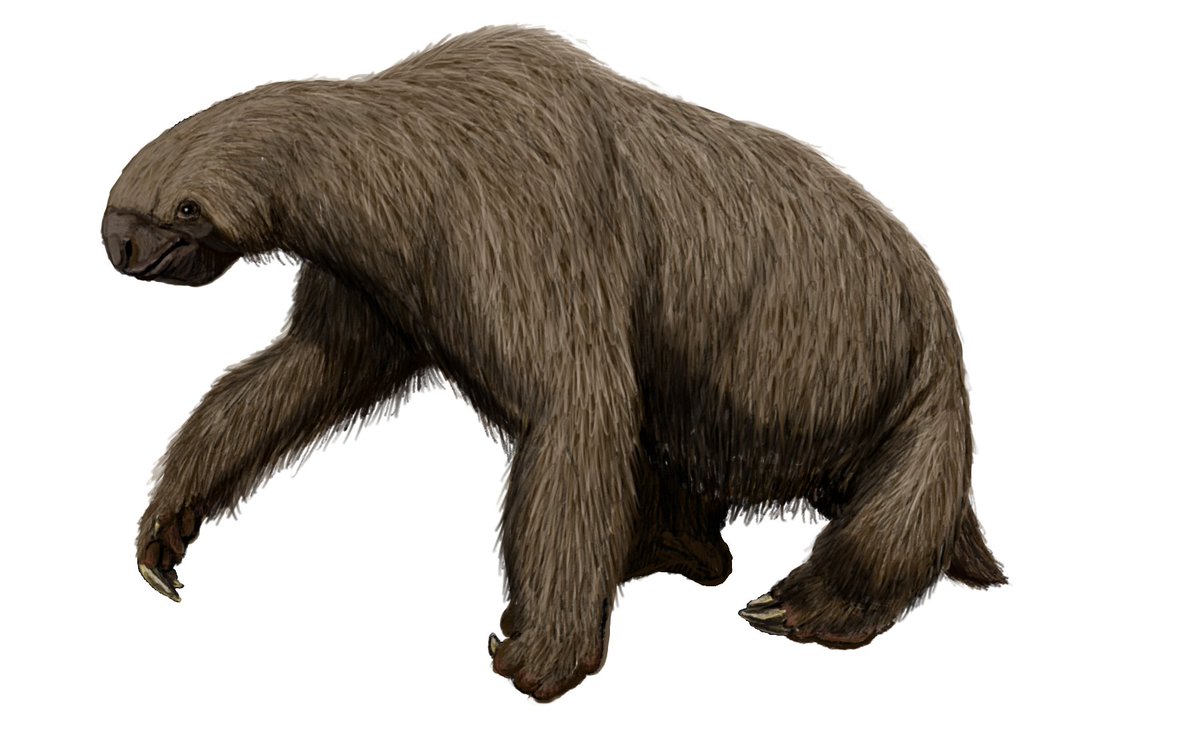
And here are the holotype claws of Megalonyx jeffersonii, currently on display at the Academy of Natural Sciences, scheduled to close for good at the end of the month
But not if you help save it: https://t.co/4VG9zbfL1E
@_sightoplasm Sorry, I should've made it more clear in the OP that they are still around. I work for a National Park that's planning for their eventual reintroduction, so I'm familiar the wild AZ populations 💙
I hope they'll roam our park one day. We just need a lot more prairie dogs first!
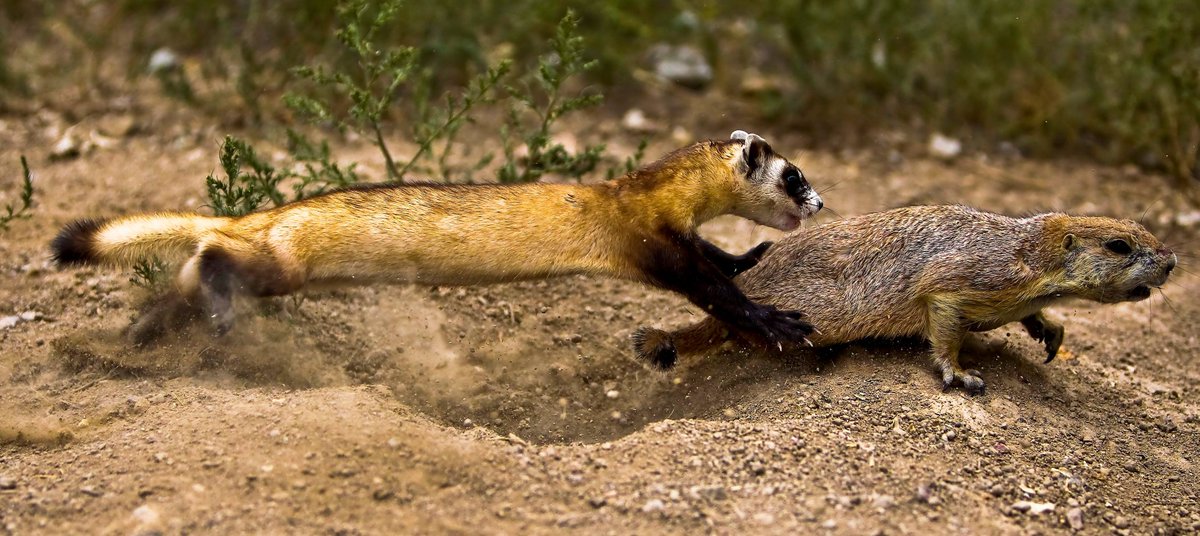
"wait, the black-footed ferret is still alive"
Yes! Once extinct in the wild, they once more live in their natural habitat, but reintroduction has been slow and arduous
This is our first Survivor Sunday, where I'll share species once declared extinct or on the brink
Black-footed ferret
(Mustela nigripes)
~ lives in: central North American prairies
~ cause of extinction: decline in prairie dog populations, plague
~ last seen: declared extinct in 1979 & extinct in the wild in 1996
~ status: endangered
📸: USFWS Mountain-Prairie
Black-footed ferret
(Mustela nigripes)
~ lives in: central North American prairies
~ cause of extinction: decline in prairie dog populations, plague
~ last seen: declared extinct in 1979 & extinct in the wild in 1996
~ status: endangered
📸: USFWS Mountain-Prairie
@Ruessolini Not quite extinct now, but they once were, that's why I wrote their status as Endangered!
Every Sunday I'll be posting species formerly declared extinct or critically endangered that are still with us
Unfortunately this was a scheduled post and I forgot to add that part
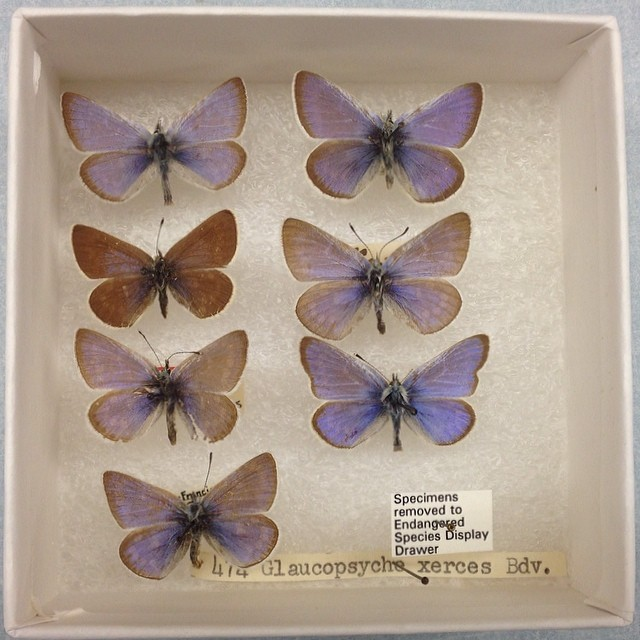
Xerces blue
(Glaucopsyche xerces)
~ lived in: sand dunes of the San Francisco Peninsula
~ cause of extinction: habitat loss from urbanization
~ last seen: early 1940s
~ status: extinct
📸: https://t.co/5pgIudEfBJ
Jefferson's ground sloth
(Megalonyx jeffersonii)
~ lived in: widespread across North America
~ cause of extinction: unknown, possibly overhunting
~ last recorded: 9540–9420 BC
~ status: extinct
📸: https://t.co/jju9vKaQ3y
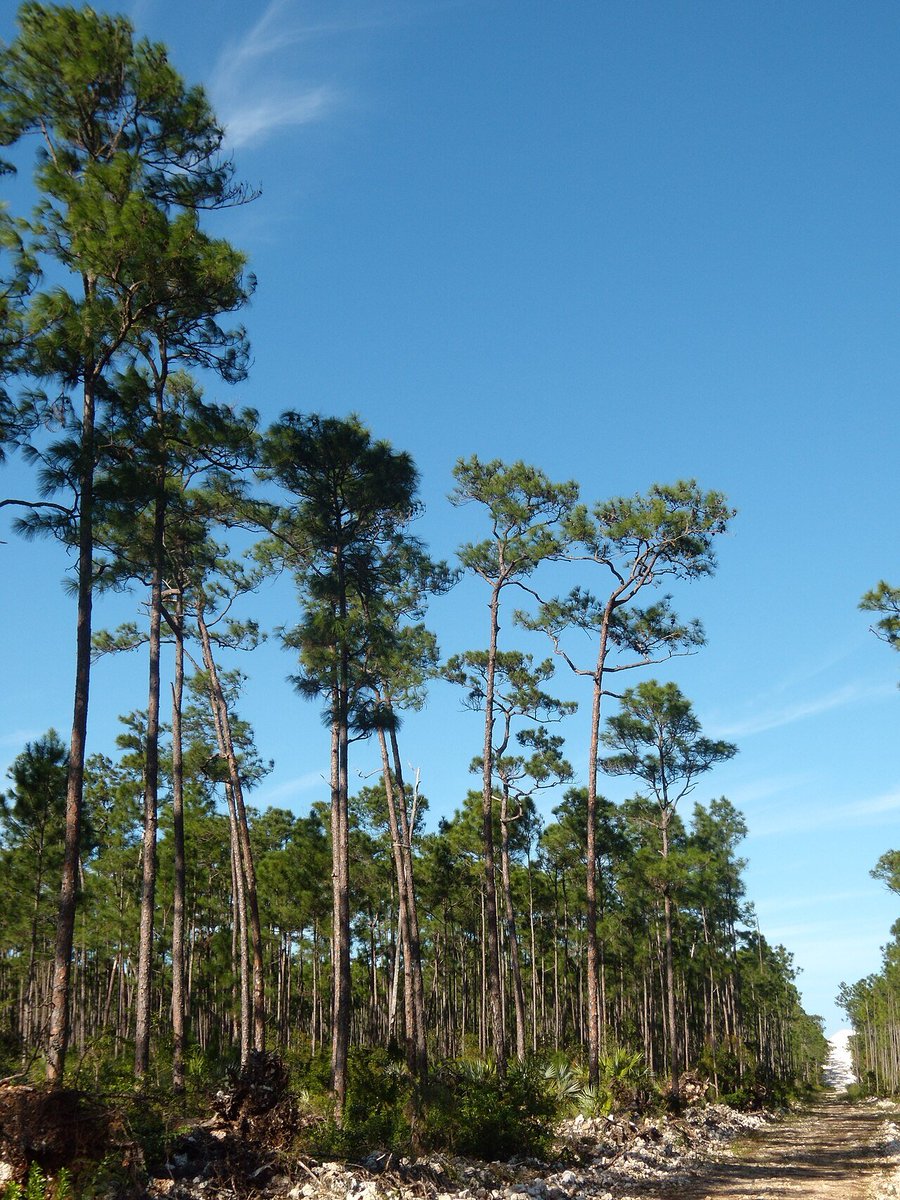
Hurricanes Dorian (2019) and Matthew (2016) may have been the final blow to the Bahama nuthatch, but that's only half the story
Logging & invasives devastated the pineyards these tiny birds called home
By 2007, only 23 birds could be found, confined to one piece of private land
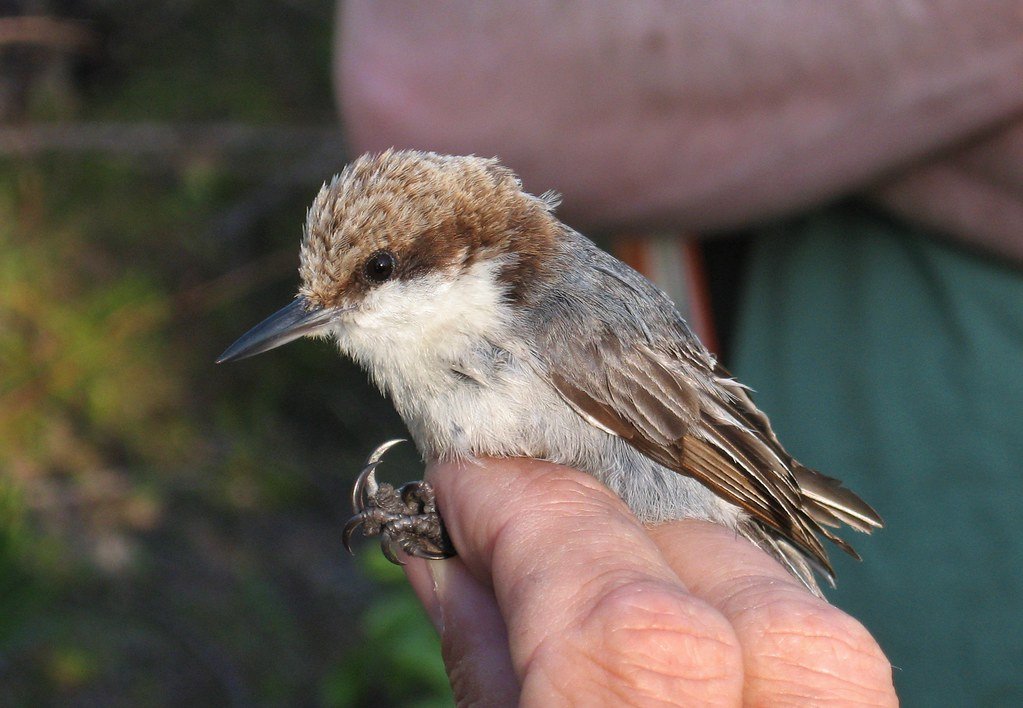
Bahama nuthatch
(Sitta insularis)
~ lived in: Grand Bahama pineyards
~ cause of extinction: habitat loss, invasive species, hurricanes
~ last seen: 2018
~ status: critically endangered, most likely extinct following Hurricane Dorian in 2019
📸: Tom Benson, CC BY-NC-ND 2.0
@gaycrmcmccarthy There's only so many characters I can fit in a tweet 😭
I would love to go in more depth for each animal, what led to their declines, etc. But I prioritize fitting all the quick facts into one post
Bahama nuthatch
(Sitta insularis)
~ lived in: Grand Bahama pineyards
~ cause of extinction: habitat loss, invasive species, hurricanes
~ last seen: 2018
~ status: critically endangered, most likely extinct following Hurricane Dorian in 2019
📸: Tom Benson, CC BY-NC-ND 2.0
@BigLaremy The most recent genetic analyses placed them within P. leo leo, yes, which is why I called them a population of the subspecies in the post. They were unique more for their range, habitat, and ecological niche in the Maghreb than their genetics
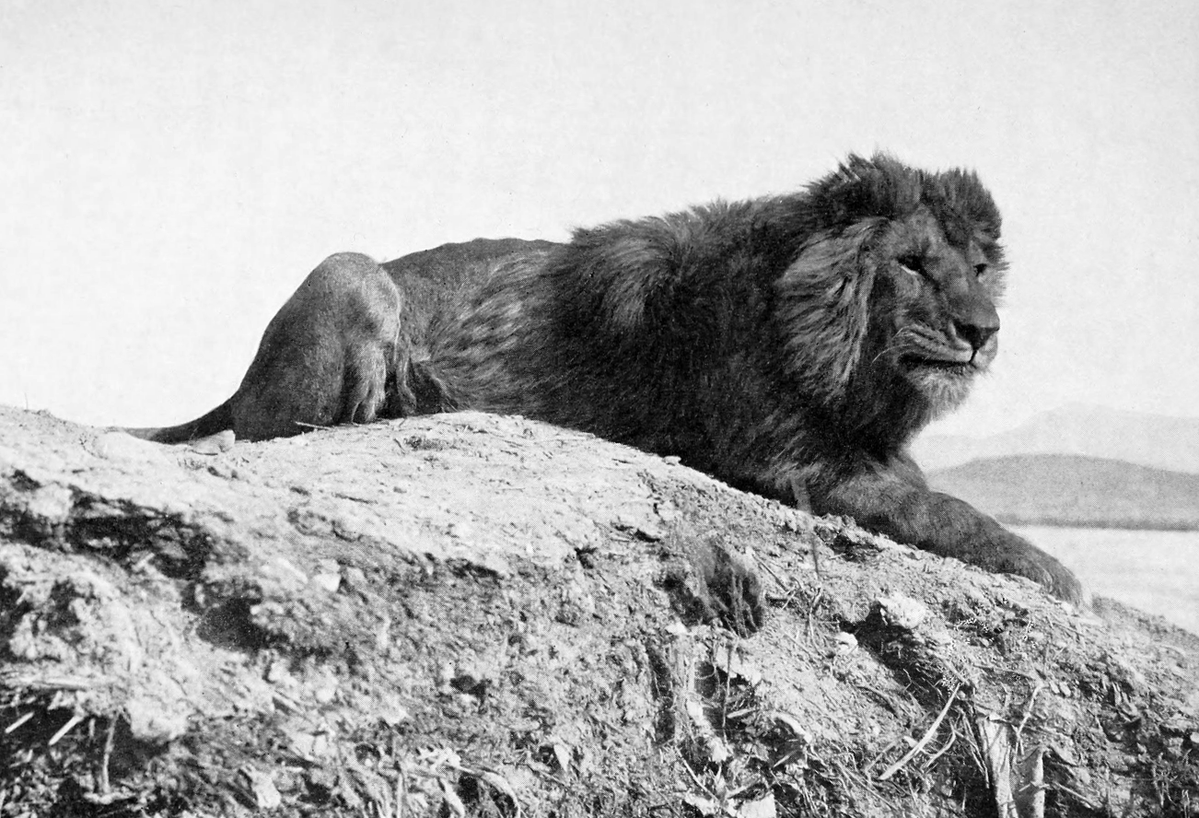
Barbary lion / Atlas lion / Egyptian lion
(Population of Panthera leo leo)
~ lived in: Maghreb region of North Africa
~ cause of extinction: overhunting
~ last seen: last confirmed in 1956, suspected extinction in 1960s
~ status: extinct
📸: Fernandus
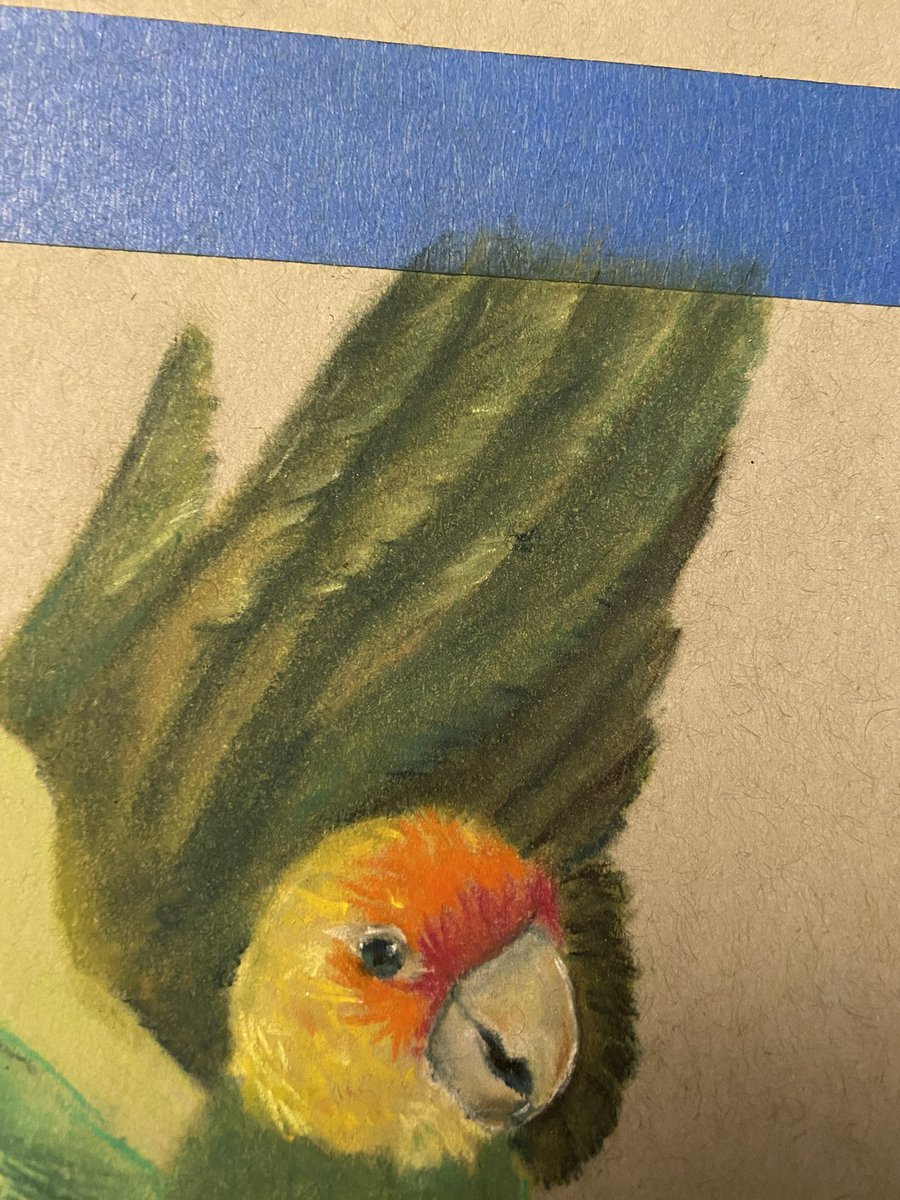
My favorite story about carolina parakeets is that in 1780 a flock showed up near Albany in the middle of winter and scared the shit out of Dutch settlers so badly that they thought the world was ending