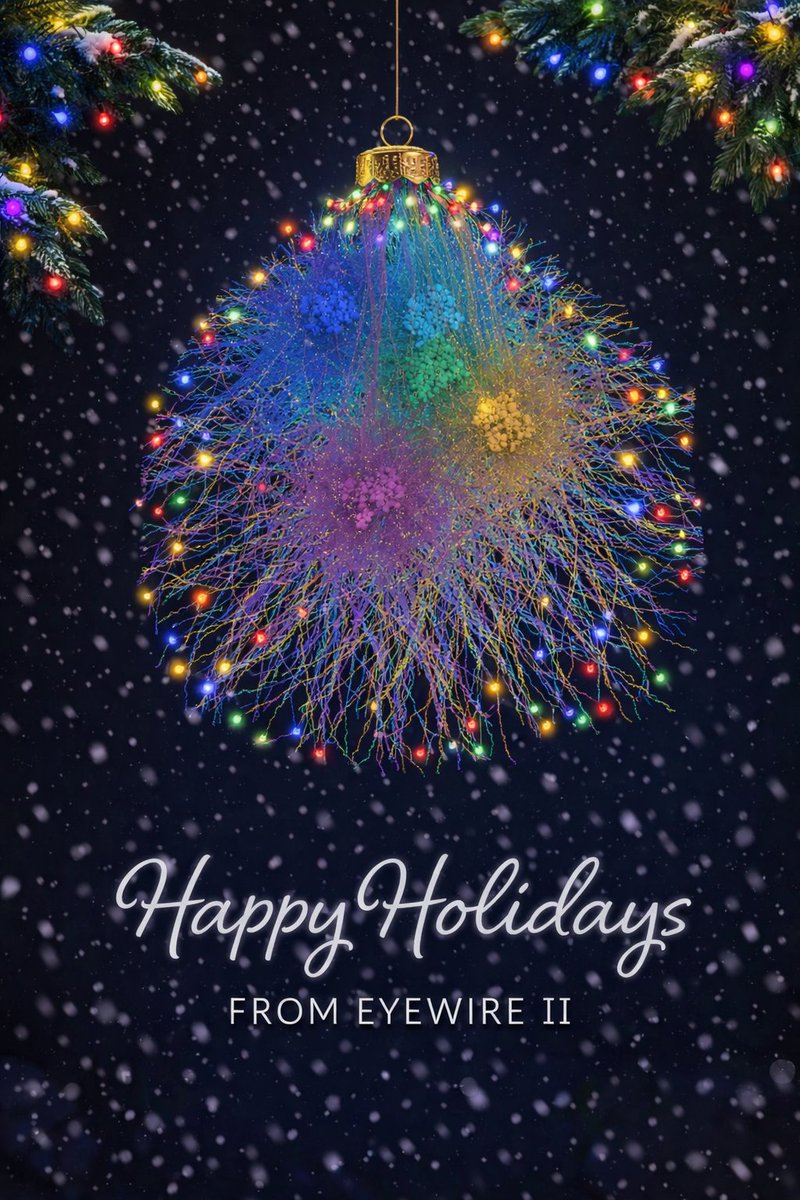
Research to Prevent Blindness @RPB_org Award to Enable Transformational Scientific Milestone in Neuroscience and Vision Science - AKA Eyewire II! https://t.co/L7jqPjwtxW
RPB has granted @NUFeinbergMed a $950,000 RPB Transformational Team Science Award to support the @eye_wire II project to create the first complete connectome in the mammalian central nervous system with @Princeton and University of Tübingen. https://t.co/kVR4juzwI1
The Institute for Advanced Study (@the_IAS), the fabled home of Einstein and Gödel, announces a 2026-27 program on Modeling Fly Vision, intended to refound theor/comp neuro on the bedrock of 21st century brain maps. Apply for membership! https://t.co/v4ZHjbcbUZ
Feast your eyes on this newly discovered cell type: the bistratified huntsman. It prefers dark, spooky visual stimuli.
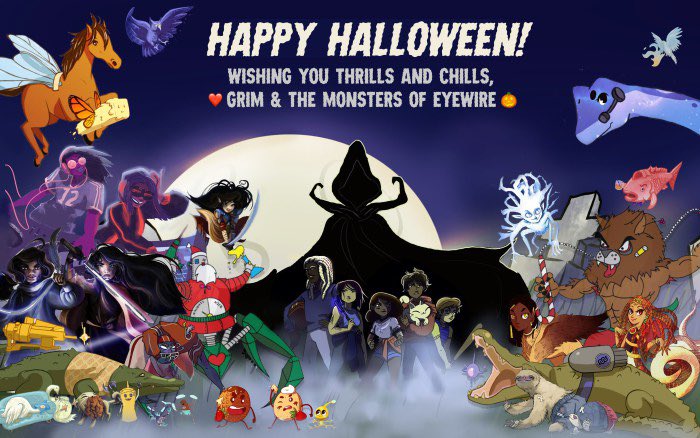
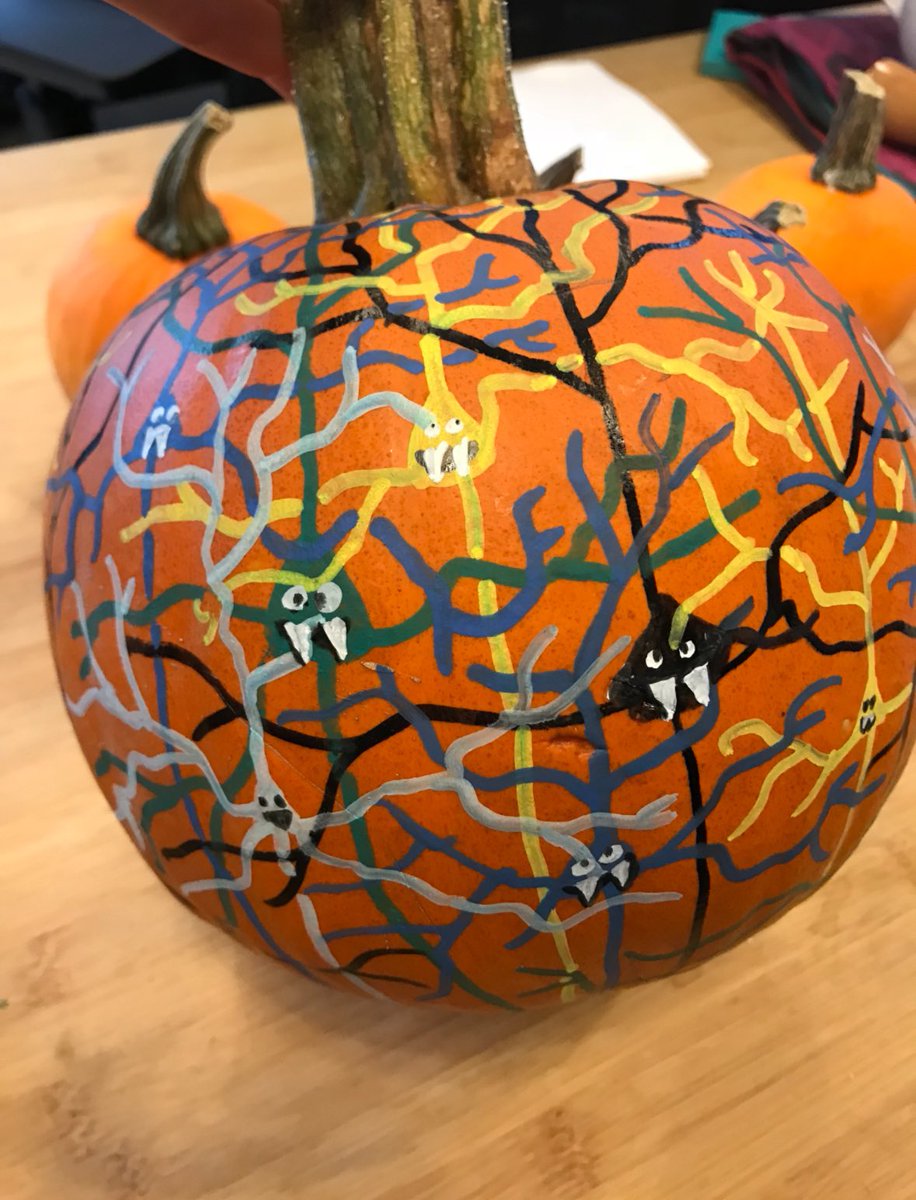
Tricks and a few treats from https://t.co/sKIPI3SFaw. Happy Halloween! #citizenscience
DYK around half of the brain is not made of neurons? Among the other half is the octopus-like microglia.
In this visualization by our Electron Microscopy team, microglia (green) wraps around a pyramidal cell (blue), one of two types of excitatory neurons in the brain.
Fantastic view of the 50 largest bilaterally symmetrical cells in the fly brain by @quorumetrix
View these cells in Codex. Click 3D view if you dare! https://t.co/lxnZPTrb9w
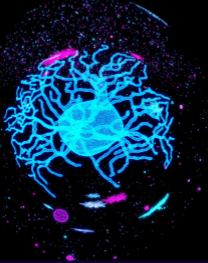
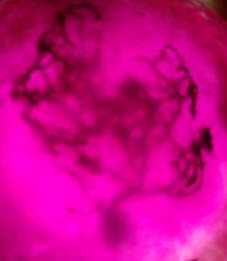
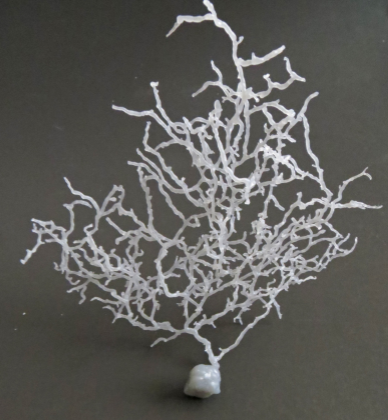
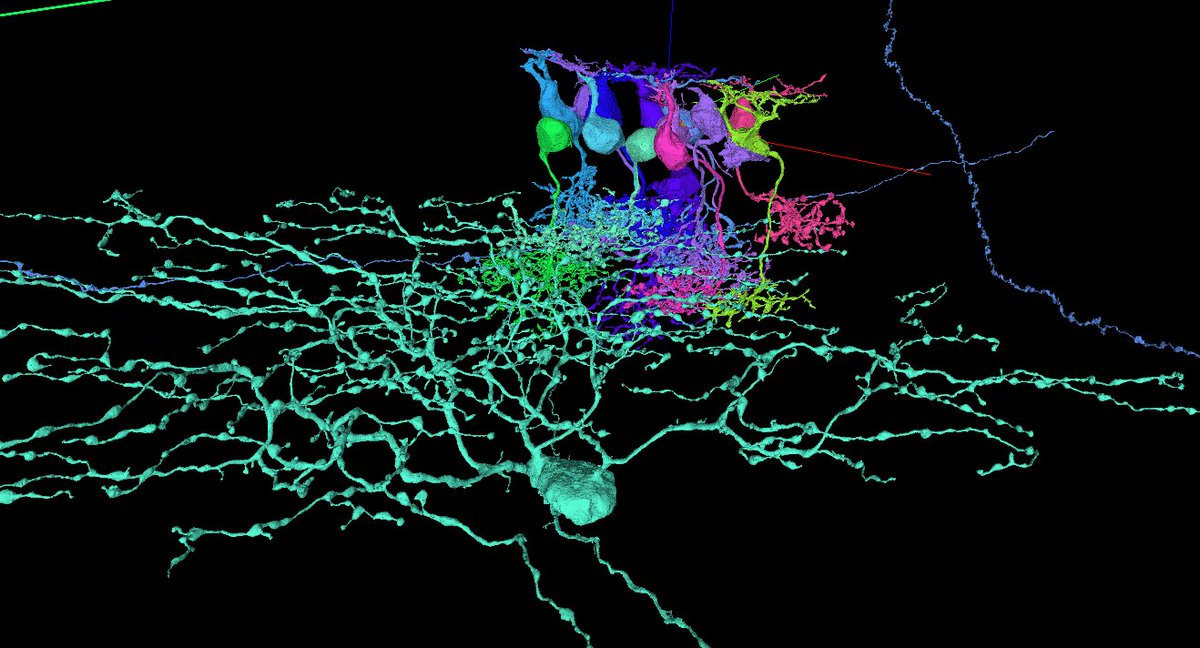
This is personal for me, my alternative career path is an 'un-anticipated use case' starting with this @eye_wire RGC, thankfully uploaded to https://t.co/2RuUxzZVvy
I spent much time 3D printing it, embedding it in colored resin, which naturally lent itself well to fulldome vis
After 7 years, thrilled to finally share our #MICrONS functional connectomics results!
We recorded activity from ~75K neurons in visual cortex in a single mouse, then mapped its wiring using electron microscopy. To systematically characterize neuron function, we built the first foundation model of the mouse visual cortex—trained via deep learning on data pooled from multiple mice and visual cortical areas.
Our foundation model generalized to new neurons, animals, and even unseen stimulus domains. It also accurately predicted entirely new modalities, such as anatomically defined cell types. Importantly, this robust generalization enabled us to create accurate functional digital twins of individual mouse brains.
Using the digital twin of the MICrONS mouse—where we knew the exact neuronal wiring—we discovered that neurons don’t connect randomly, even when anatomically positioned to do so. Instead, given multiple potential partners (axons near dendrites), neurons preferentially choose partners with similar feature selectivity (“what”) rather than receptive field overlap (“where”).
Foundation models offer a powerful approach to systematically decode the neural code of intelligence.
Huge thanks to @IARPAnews for funding this groundbreaking effort through the @BRAINinitiative, and to our amazing team at @Stanford@StanfordMed@bcmhouston, @Allen, @Princeton, @uniGoettingen and others!
#Neuroscience #MICrONS #NeuroAI #Connectomics #FoundationModels #AI
https://t.co/Rb9rypR9zA
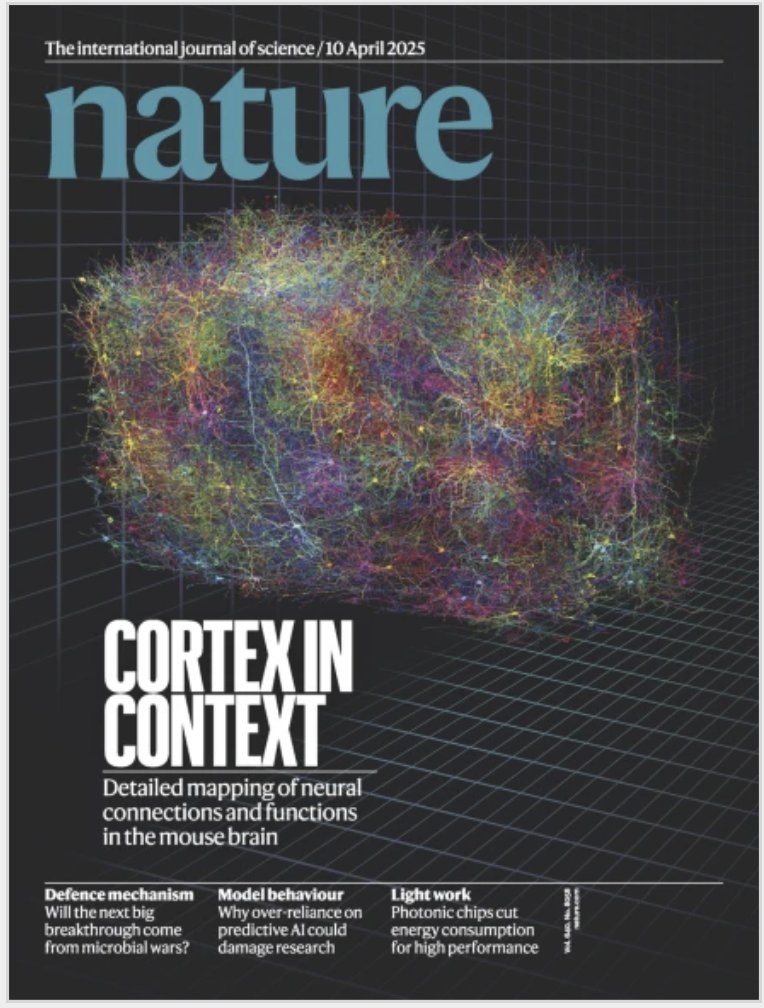
Scientists have mapped the vision centers of a mouse brain, the largest and most detailed such rendering of neural circuits in a mammalian brain: https://t.co/t4flXDfxOk
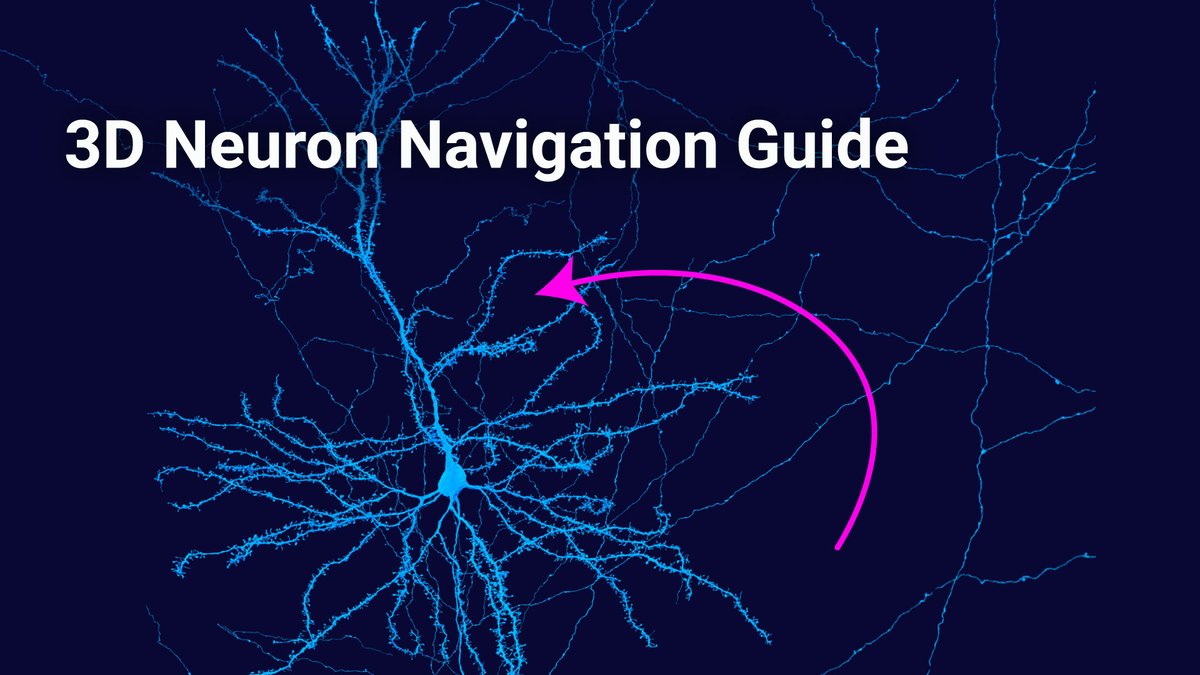
A quick guide to 3D neuron navigation in neuroglancer: https://t.co/bx3C8qIYdI (try saying that 3 times fast)
Explore interactive neurons from the microns dataset: https://t.co/QXzxf3axgx
Today, Princeton’s John Hopfield, the 2024 Nobel laureate in physics, will receive his Nobel Prize medal and diploma in Stockholm.
Watch as professors @SebastianSeung and Carlos Brody describe Hopfield's groundbreaking research and legacy.
A special shout-out to Krzysztof Kruk, an amateur scientist from Poland and veteran of @eye_wire. He singlehandedly annotated the majority of neurons in the #FlyWire optic lobe, and wrote software that aided others doing the annotation. What a hero!
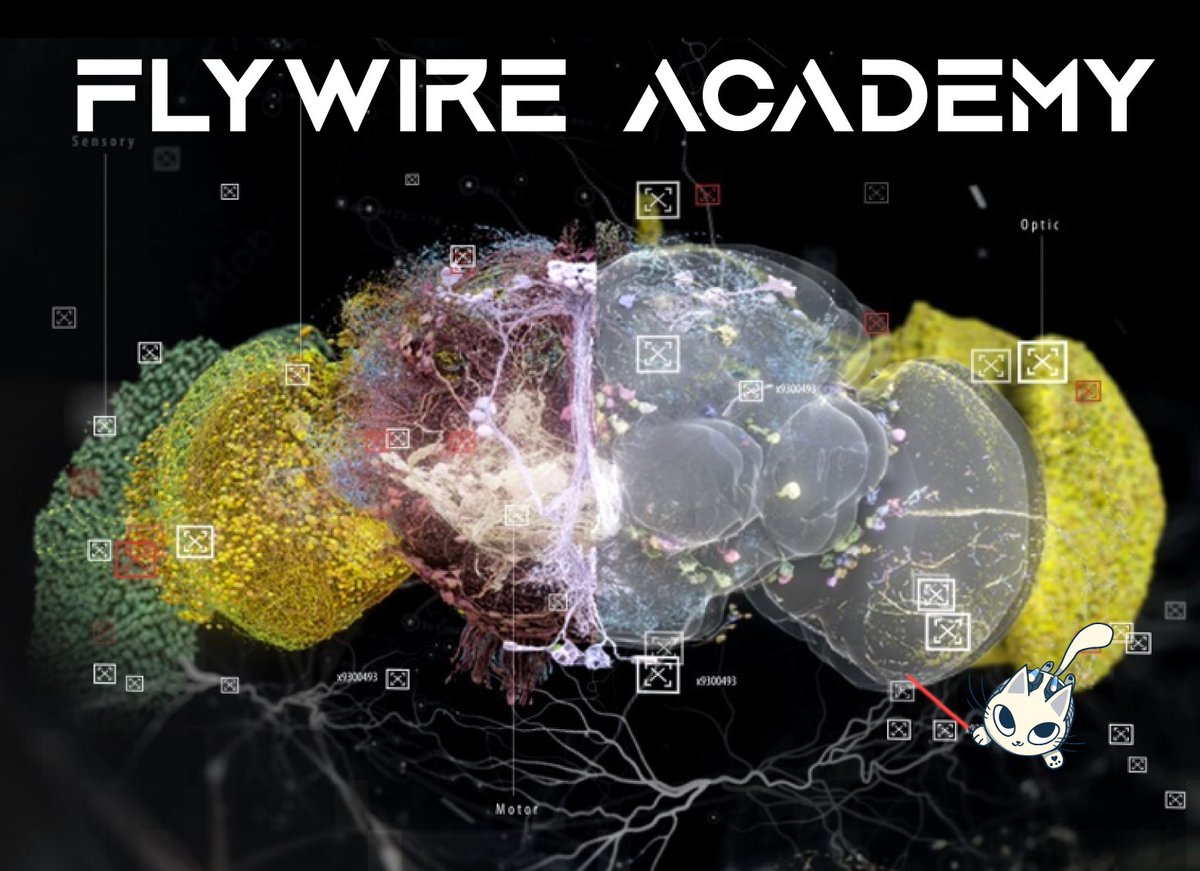
We are excited to share educational materials designed to bring FlyWire into classrooms! We have designed interactive lessons to be used by high school and college teachers, instructors, or scientists doing outreach. Check it out: https://t.co/Fe2v1oLlys
Image by @exp_perception
If you are good at programming / data analysis / algorithms and like challenges read on!
FlyWire is issuing its first Data Challenge. We'll fly the winner to Princeton to give a talk about their solution🧵