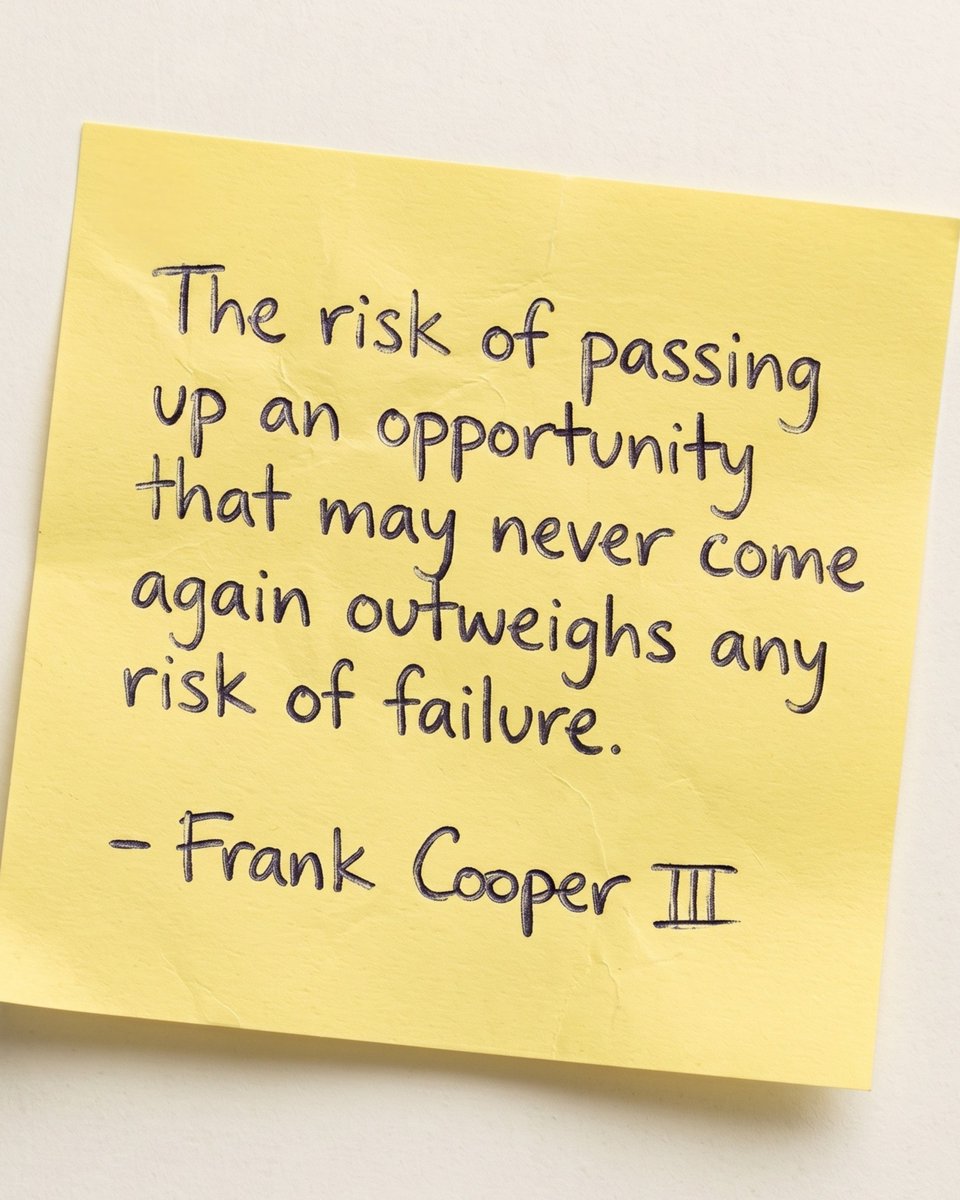
“And I was just in the room practicing all the time.” — Anderson .Paak
In my latest conversation with Anderson on Frankly Speaking, we broke down what it really takes to continuously evolve. Read the full Frankly Speaking newsletter here. https://t.co/7e6i1LHdNx
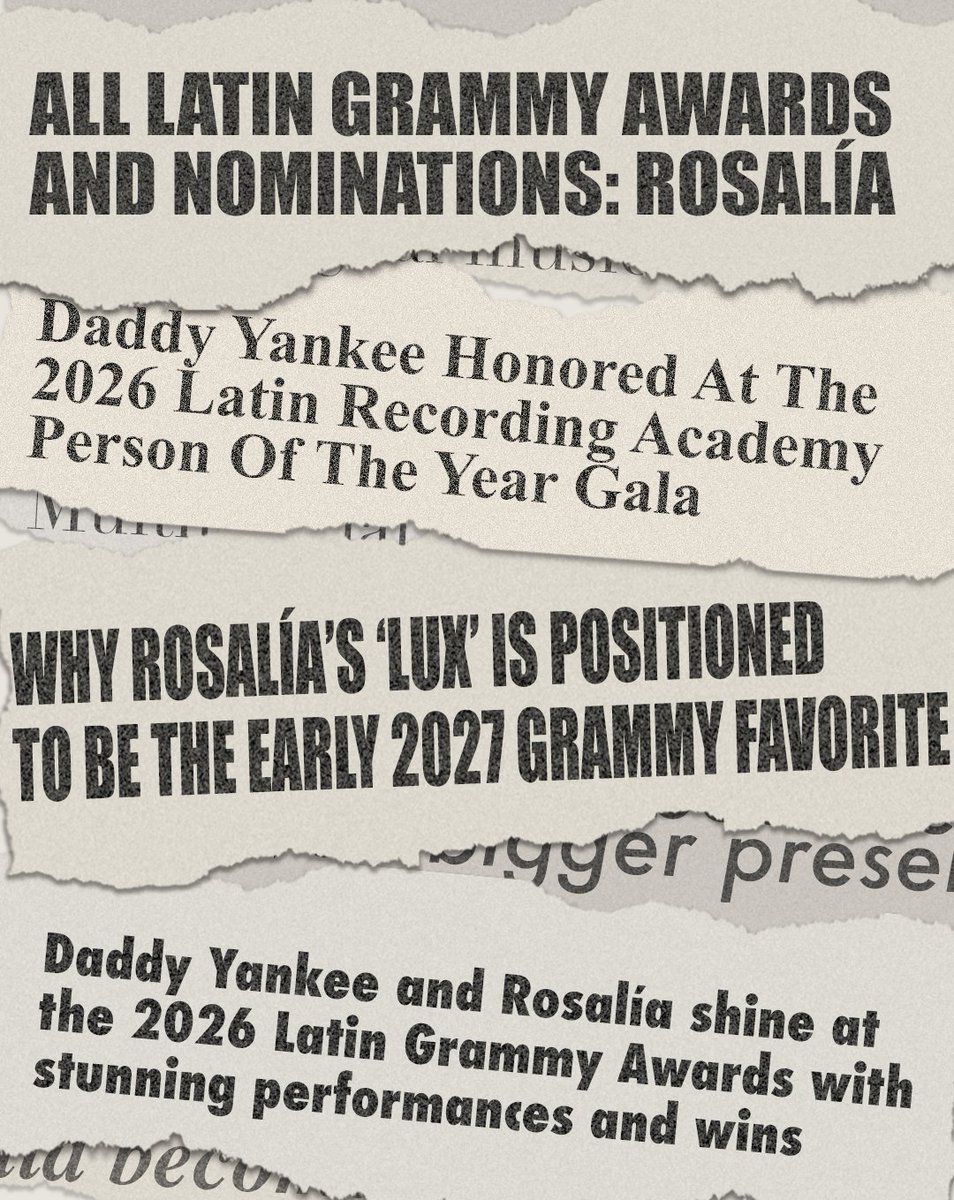
Rosalía and Daddy Yankee are two of the purest manifestations of what it means to be a true artist, and this year’s Latin Grammys highlighted just that.
Rosalía sweeping the Latin Grammys for Lux (plus 9 new 2027 Grammy nods) alongside Daddy Yankee receiving Person of the Year, is a reminder that today, deep cultural authenticity doesn’t limit your audience, it expands it.
Congrats to all of this year’s Latin Grammy winners and 2027 Grammy nominees!
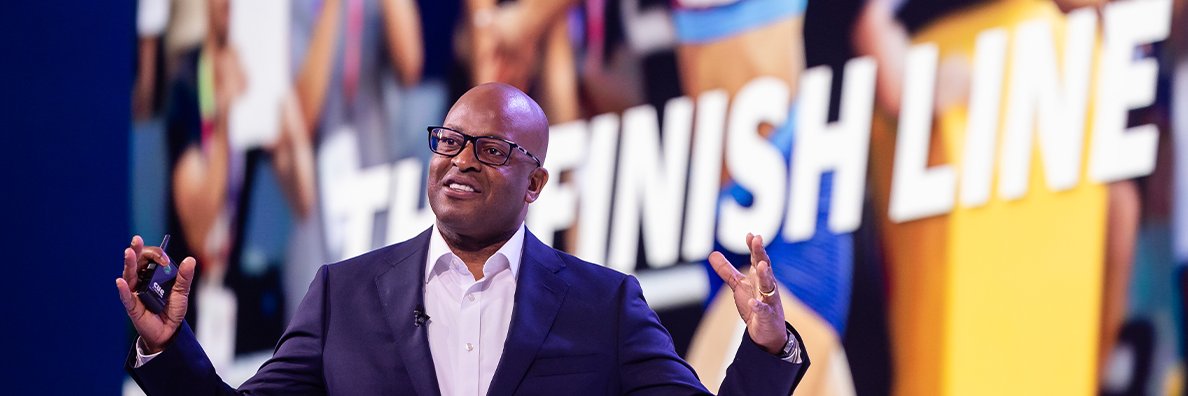
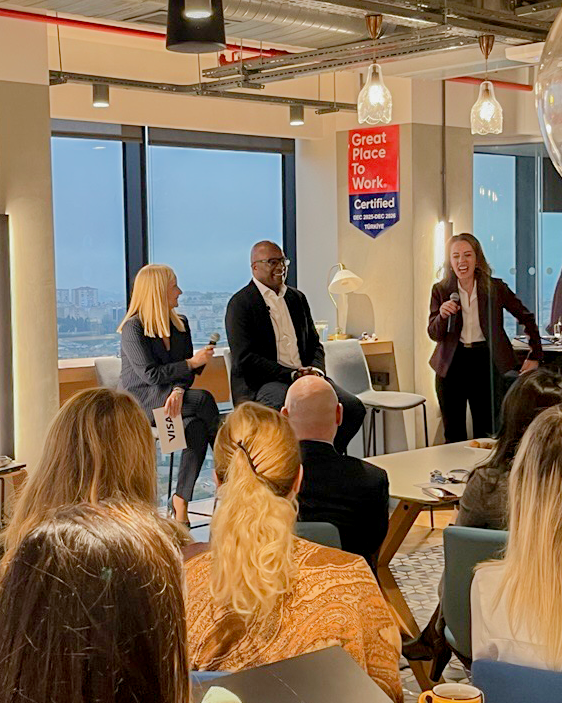
@brandweekist One of Istanbul's finest joined me on stage and stole the show. A humbling reminder that no matter how prepared you are for your keynote, you can’t out-stage the local culture. 🐈
Positioned across continents and empires for thousands of years, Istanbul has always been more than a geographic bridge, it’s an active clearinghouse for global trade, monetary innovation, and cultural intersection. Stepping onto the stage at Brand Week Istanbul (@brandweekist) to discuss Building Brands That Matter, that history felt especially relevant.
We are living through a massive power shift in commerce. For decades, enterprises could dictate relevance from the center with top-down campaigns and broadcast reach. But today, power is distributed. Ideas, influence, and trust spread horizontally—through peer networks, creators, and shared communities.
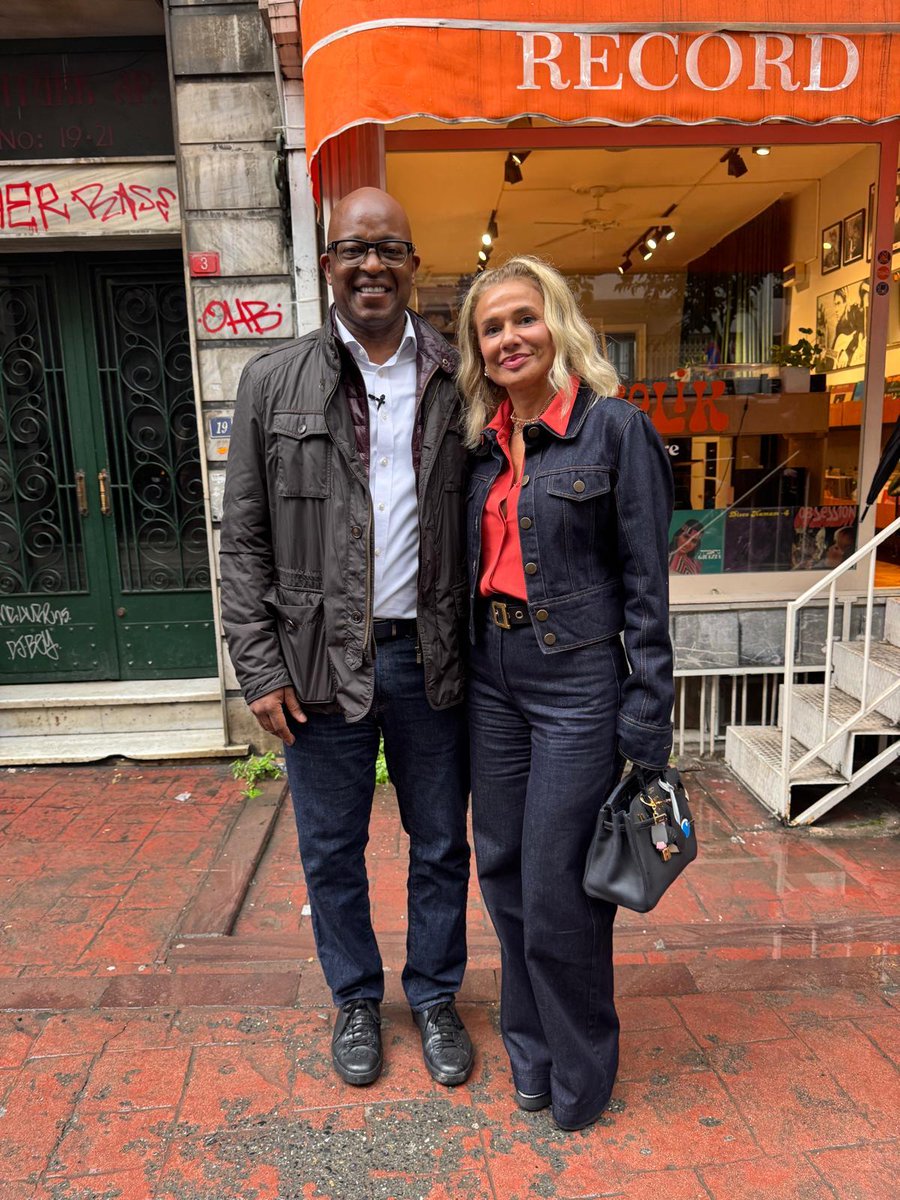
Beyond the keynote, spending time on the ground walking Cihangir with Milka Karaağaçlı and engaging with our Turkish leadership and client partners reinforced a simple truth: the brands that win will be the ones that have the courage to embed deeply into local culture while building the commercial rails that carry people forward.
Huge gratitude to the entire Visa Southern Europe team for an unforgettable visit, and for consistently demonstrating what market-leading innovation looks like in practice.
There is no substitute for getting into a room with your colleagues and hearing what’s on their minds.
I recently had that opportunity with our Türkiye team in Istanbul. We talked about Visa’s evolving brand, the forces reshaping marketing and commerce, and where we go from here. Their questions were thoughtful, candid and ambitious. Thanks to Bea Larregle, Samile Cianci, Luca Gentili, Nazife AL, and the whole team for the warm welcome and thoughtful conversation.
Long before Anderson .Paak was playing global stages, he was putting in the hours – practicing every day and obsessing over the drums.
By the time his moment came, he was ready.
We talked about that journey and plenty more in the next installment of Frankly Speaking.
Check out our full conversation here: https://t.co/yusaiViOmC
Athletes like Chris Paul and Jalen Brunson aren't just endorsers anymore—they're founders building their own empires. The Athlete-Founder Playbook for Brands:
- Own Your Lane: Don’t be everything to everyone. Build strictly around what you're passionate about and capable of.
- Long-Term Value: Stop chasing short-term reach. Invest in real impact, like Brunson championing women's sports.
- Organic Alignment: Slapping a logo on something isn't a partnership. An authentic connection bridging core values is mandatory.
Are you building a brand as purposefully as today's athletes?
Heading to Istanbul to speak at Turkiye’s largest marketing conference, Brand Week.
Istanbul is a fascinating city — ancient and modern all at once — straddling both the European and Asian continents.
As I prepare for this keynote speech, I always try to keep one thing in mind: it’s not about me.
My intention is to share some idea, some story, some practice that serves the audience. My hope is that what I share will in some small way unlock new thinking or capability in those listening. I believe it all starts with deep empathy.
The notion that a brand can stand still and deliver value to people is absurdity.
Just as consumer habits and cultural expectations shift with each new generation, so too must the role a brand plays in people’s lives, and how it expresses itself in the world – because what made an established brand successful in the past doesn’t guarantee its relevance in the future.
The evolution of the Visa brand is about how we look, how we show up, and, most importantly, what we do. People want more than frictionless payments. They want experiences that feel relevant to their lives, that connect them to something bigger and give them room to express who they are. It’s about rising above the transaction to create meaningful value for the people we serve.
And none of this happens without the people behind it. A huge thank you to Jeff Cha, Mariota Essery, and the teams and partners whose thinking, creativity, and craft brought this refresh of Visa’s brand identity to life.
PSA: Whenever you have an opportunity to see an iconic artist, run to that artist’s performance.
Traveling to see Celine Dion’s comeback residency in Paris a few weeks ago was a powerful reminder of the immersiveness of fandom… and crossed a tremendous experience off my bucket list.
What is one live performance or event that stayed with you long after it ended?
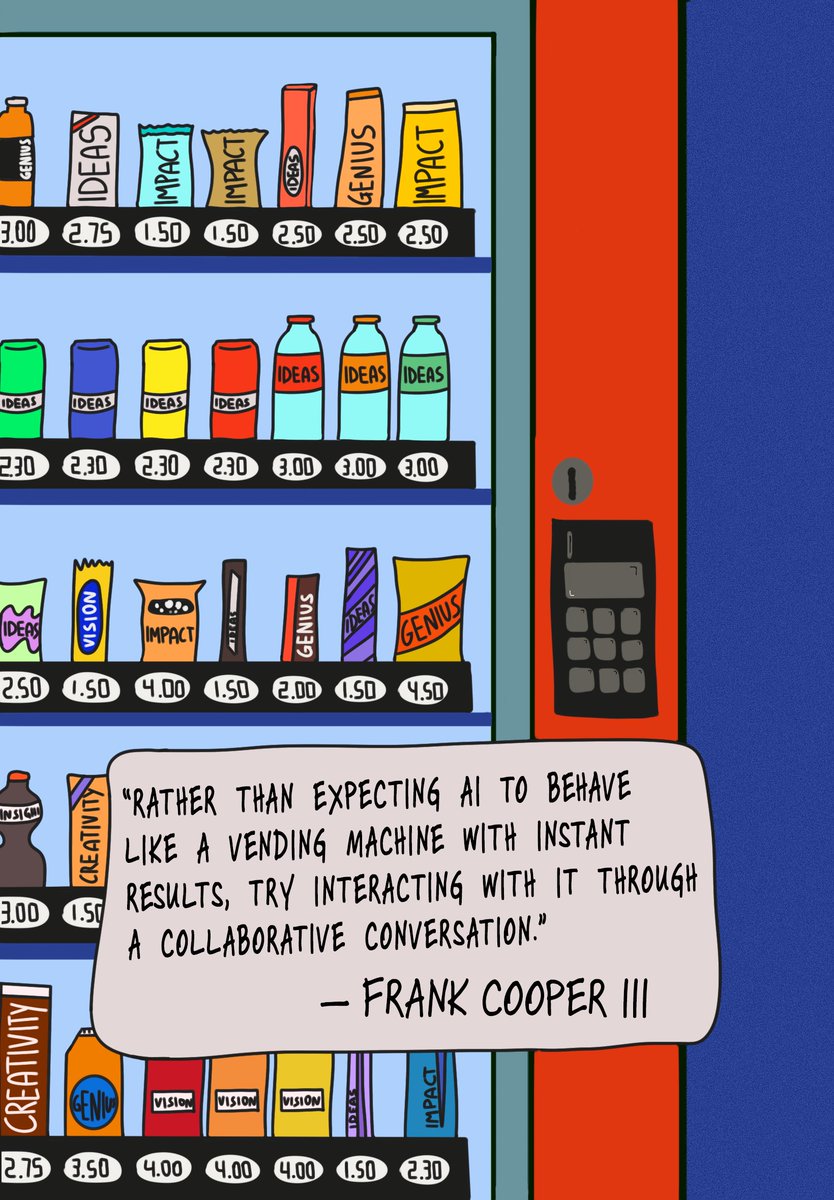
Expecting gourmet results from vending machine effort is a recipe for disappointment. It’s easy to look for quick answers, but great thinking isn’t built that way.
I have found that my most valuable exchanges with AI happen when I converse with it the same way I would with a colleague. Instead of telling it what to do, I try to have real conversations, test its logic, and challenge its outputs. By asking better questions, I’m able to stress-test my own thinking and surface potential blind spots.
When you partner with AI to refine your thinking, bigger and better ideas emerge.
The power of sports has always been about more than what happens on the field. It’s the raw emotion, community, and shared identity that bring people together.
Players move on and legends retire, but American football fans stay rooted for life showing that the team is where that connection lives.
That’s why we’ve partnered with 13 pro football teams across the country to elevate the fan experience. Through the partnership, fans will have access to game-day experiences and programs that bring their fandom to life.
Where do you think the center-of-gravity for fandom lies in football — team, player, or league?
We’re living through a fascinating cultural contradiction.
At the same time that AI is pushing us toward a more digital world, people seem to be rediscovering analog experiences.
Vinyl records, collectibles, walk clubs, run clubs, live gatherings — interests that combine community and connection, or center on something tangible.
This “barbell culture” is where hyper-digital and hyper-analog experiences meet in the middle. For me, understanding this tension is key to unlocking where consumer behavior is headed. The brands, businesses, and leaders best positioned for the future will be those that understand how to operate at both ends of the barbell.
Bad Bunny’s Puerto Rico residency. Beyoncé’s Renaissance tour. Taylor Swift’s Eras Tour. FIFA World Cup 2026™.
On the surface, they're cultural phenomena. But they're so much more.
When people gather around a shared passion, spending follows. Restaurants, transportation, merchandise, and local businesses all benefit. The result is what we call a pop-up economy: a temporary surge of economic activity sparked by culture.
Now my question for you: how can brands or companies better understand the pop-up economy and integrate themselves in ways that add value to the fan experience?
Logos don’t create lasting fandom. Sponsorships used to be about visibility and hoping your brand would receive a “halo” effect. Today’s fans require more.
Whether it’s the FIFA World Cup™, Visa Cash App Racing Bulls and Oracle Red Bull Racing, or the Olympic and Paralympic Games, @Visa approaches every partnership with the same question:
How can we deliver real value to fans in ways that otherwise wouldn’t exist?
The economics of fandom are changing fast.
I joined @WSJ at “The Next Sports Economy” event to discuss how athletes are evolving into powerful media companies.
I’ve started thinking of athlete-creators as the new distribution channel. They give brands a way to access culture from the inside, becoming part of the conversation rather than simply surrounding it.
The question for brands now is: how do we rethink our partnerships to reflect the full scope of what athletes are today?
Watch the full video here: https://t.co/0yUqNMo5nb
I went to Harvard Law School expecting to become a lawyer.
Instead, I ended up at Motown, then Def Jam, and eventually in tech and marketing.
Some might say those initial three years took me off the direct path. But looking back, I can see how that chapter prepared me for each next phase of my career.
I left the law, but the skills I developed in the law became my superpower when applied to other disciplines—how to think analytically to solve problems, how to shift from analysis to creativity.
I believe that this idea of “transferable skills” is increasingly important in a world where AI will make specialized knowledge less special. And the transferable skills for the next epoch will be curiosity, creativity, critical thinking and collaboration.
Develop deep expertise but also build these horizontal skills that will allow you to work with AI to produce something totally new.
What skills do you think will help make people successful across industries in a world enabled by AI?
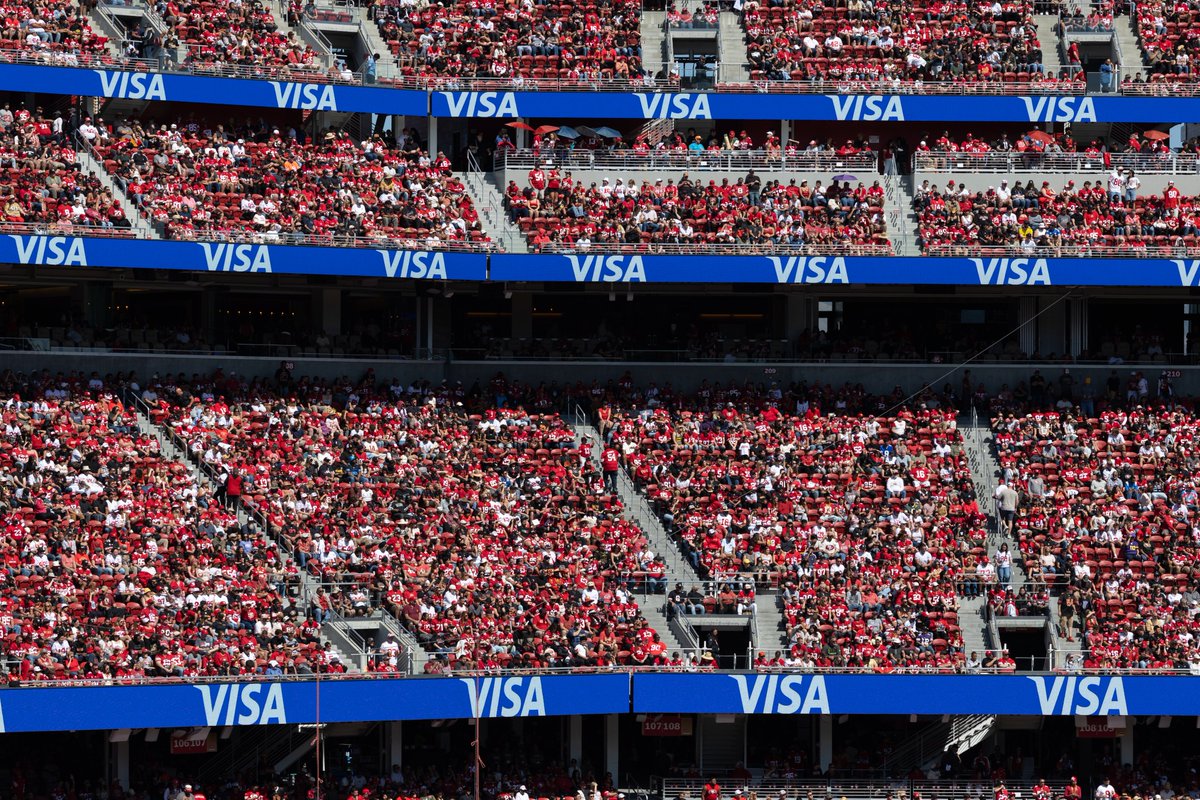
In the world of sponsorships, proximity by itself does not drive value. The idea that a company, by merely associating itself with a property or event, will build a meaningful relationship with fans is misplaced. Logo placements don’t generate cultural currency.
Modern fandom has evolved into a complex, interactive ecosystem where fans watch, share, comment, and exchange value across digital and physical spaces. But many brands still approach these passionate communities with a traditional sponsorship mindset.
They focus on visibility, put their logo on a stadium, and stand adjacent to the culture, hoping for a passive “halo effect.”
The most successful brands go deeper and actively contribute to the culture surrounding the event, league, or platform. When a brand invests consistently in a fan community, it earns trust. And trust leads to participation, advocacy, and long-term business growth.
How can brands become more active collaborators who elevate the fan experience, rather than traditional sponsors who pay for adjacency? Let’s discuss in the comments.
Culture, results, community, creativity, trust. Focusing on these elements can help brands earn relevance, build loyalty, and create long-term business value.
I’d love to know what would make your list. Drop your top 5 below 👇🏾