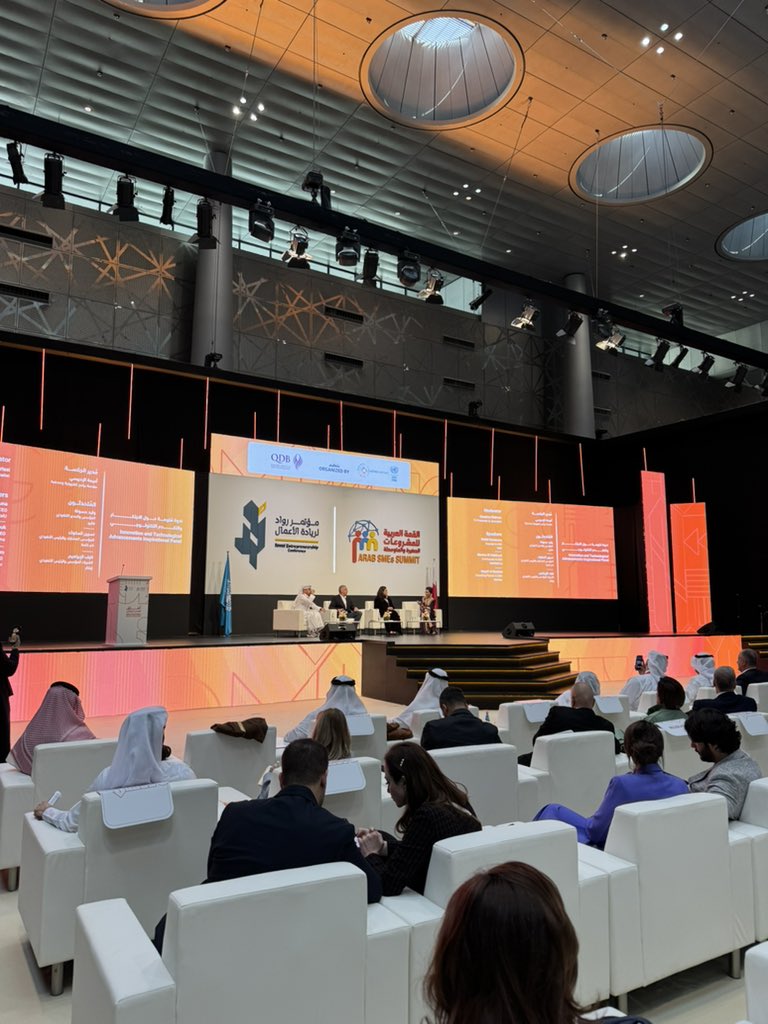
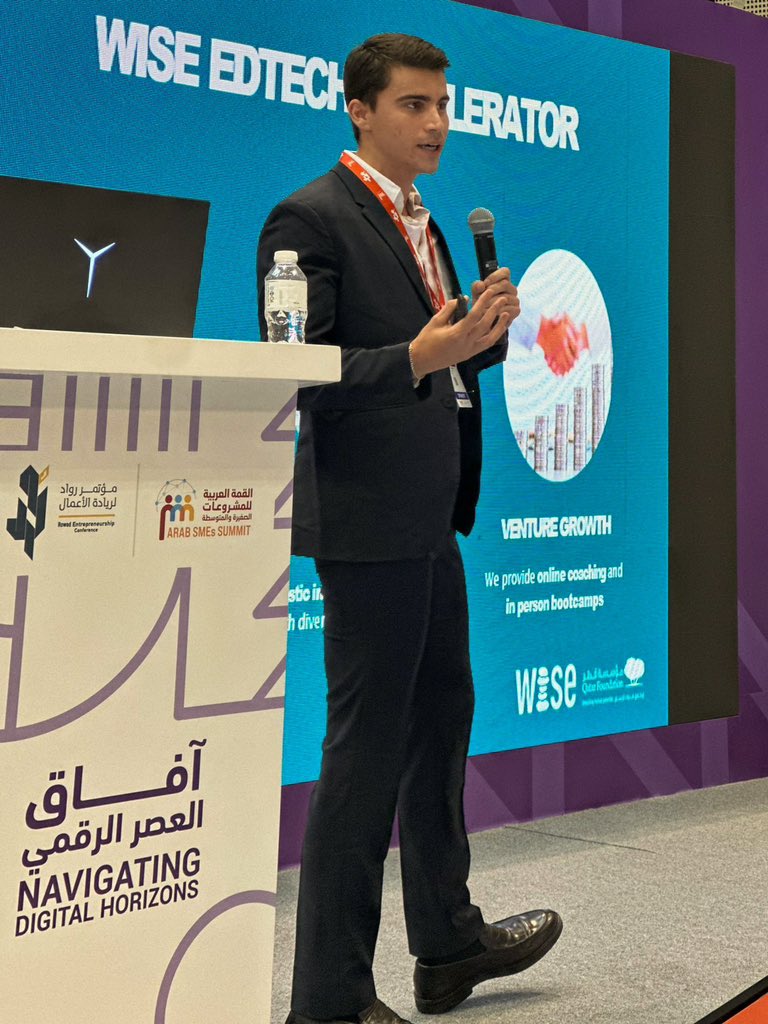
Glad to have spoken at this year’s Arab SMEs Summit organised by @UNESCWA & @QDBQA discussing ways to support entrepreneurship and innovation in #MENA
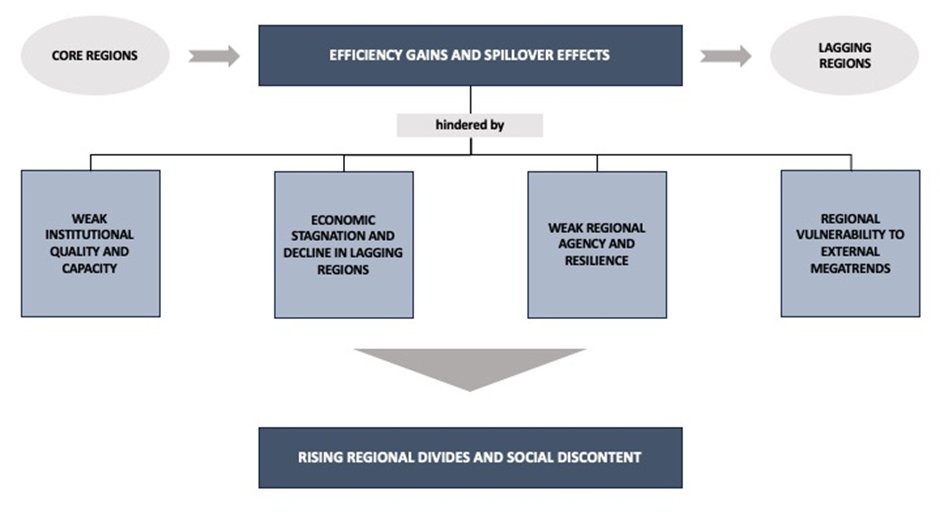
Territorial #development must move beyond efficiency vs equity.
Vulnerable #regions need place-sensitive strategies to unlock their potential, rather than policies that simply reallocate resources or compesate the losers.
Check our new paper in @RSPP_RSAI.
https://t.co/RUvjo8yV9M
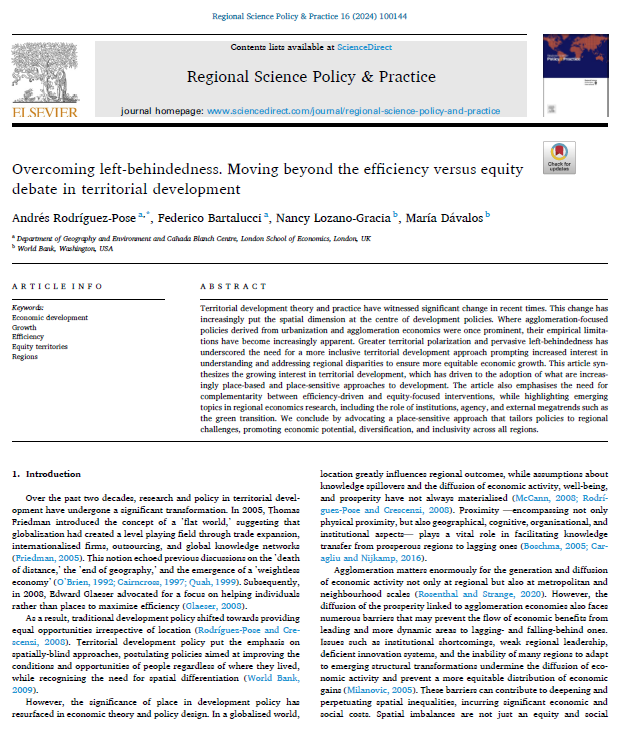
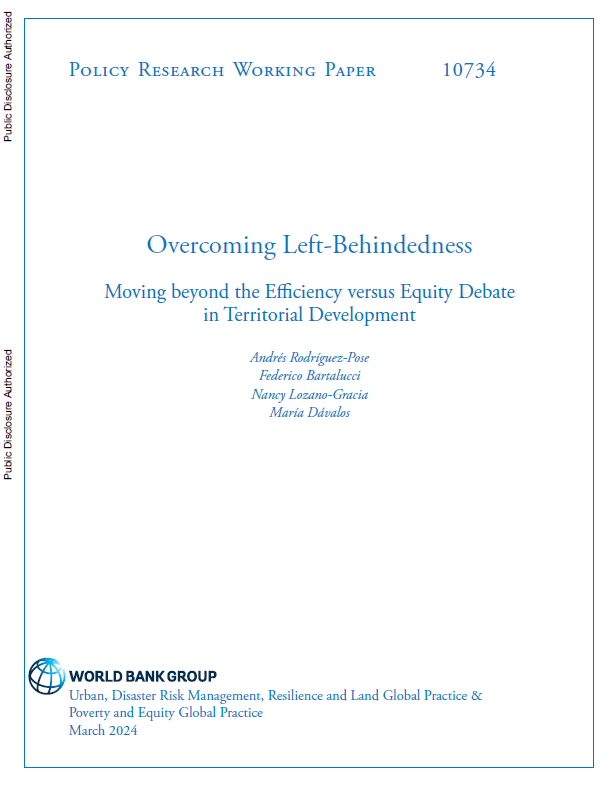
Interested in how thinking about moving beyond the #efficiency vs. #equitivy debate and overcoming left-behidedness has evolved in the last decade?
Look no further than my new article with @f_bartalucci, @nlginspace & Dávalos, out today in @RSPP_RSAI.
https://t.co/RUvjo8zsZk
«Senza coesione non c’è transizione ecologica; senza coesione [..] manca il collante fondamentale che ci unisce dentro il progetto europeo»
Non perdetevi l'intervista di @FrancesDiBi, oggi su @DomaniGiornale.
https://t.co/ahNazVvQe7
https://t.co/zZ4gurOAn6
https://t.co/r5SnIsfu3R
Happy that my article with @rodriguez_pose Susanne Frick @AmeliaSantosP & @RichardBolwijn on African #SEZs is now a top cited article!
SEZs remain a popular development tool in #Africa, but caveats apply and contextual factors determine success.
> https://t.co/X0rmublWMz
💡 Spotlighting research by @rodriguez_pose, @f_bartalucci, @bakhyt_kurmanov, Genadiy Rau, and Kaisar Nigmetov.
'Assessing regional inequalities in Kazakhstan through well-being' 🇰🇿
Asian Development Review
🔴 https://t.co/4IruIV8kgU
#Recommended paper: @rodriguez_pose@f_bartalucci@nlginspace#MaríaDávalos on Territorial Development recent debate
"...institutional strengthening and improvements in local public goods are needed to transform infrastructure investments into effective regional development..."
Overcoming left-behindedness requires minimum endowments applicable to all regions. Meanwhile, place-specific conditions shape outcomes of dev interventions, meaning that spatially blind policies must be adaptable to the distinct ecosystems where they are implemented.
⬇️
Regions with higher levels of agricultural output as % of GDP are more vulnerable to the negative impacts of climate policies.
Perceived unfairness of climate policies remains a key risk for the emergence of 'green discontent'.
https://t.co/8nfNV8Lovf
https://t.co/7VHt7UtxKM
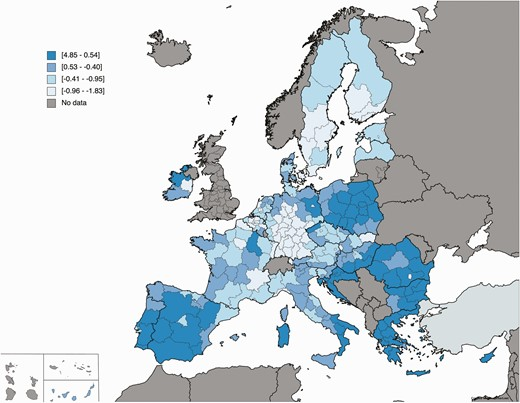
#España tiene trece comunidades autónomas entre las regiones europeas más vulnerables a la transición ecológica.
@unvelez en @eldiarioes sobre mi investigación de la #geografía de los costes y beneficios de la #TransiciónEnergética
https://t.co/zZ4gurOAn6
https://t.co/OtKOEObZkG
Parties embracing anti-green instances are on the rise, as shown by the recent #Wilders victory in the NL.
What’s next for the European #greentransition?
https://t.co/KB8DcDp1nT
New article with @rodriguez_pose
A new form of #discontent—a ‘#green discontent’—is emerging in territories that bear the brunt of the #GreenTransition.
If unchecked, it will erode public support for #climate action and imperil attempts to further decarbonise economies.
https://t.co/zZ4gurP8cE
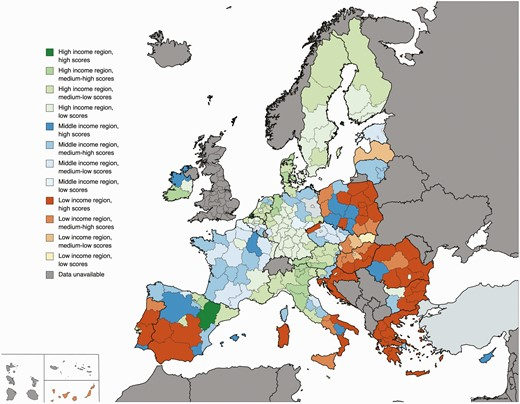
Although #vulnerability to the impacts of the #GreenTransition is concentrated in the lower echelons of the regional income distribution, high scores on the Green Transition Vulnerability index can appear at various levels of GDP per capita.
https://t.co/zZ4gurP8cE
@rodriguez_pose and I took on the task of addressing these issues through a new Green Transition Vulnerability Index.
Read now > https://t.co/KB8DcDpzdr
@rodriguez_pose
Can the green transition take place anywhere? How can we classify its direct and indirect impacts on regions? Will it help reduce inequality?
Potentially detrimental indirect impacts on already vulnerable places may exacerbate green backlash and boost ‘green’ discontent.
Tema cruciale
👇
La transizione ecologica deve accompagnarsi alla giustizia sociale e alla diminuzione delle disuguaglianze.
Altrimenti genera risentimento e resistenza al cambiamento. Con buone ragioni soggettive.
A destra lo sa e ci marcia
👇