We are happy to announce that Acta Universitatis Lodziensis. Folia Archaeologica
@fa_unilodz
has been accepted for indexing in
@webofscience! Discover the journal here: https://t.co/Kb4qrvvzHH
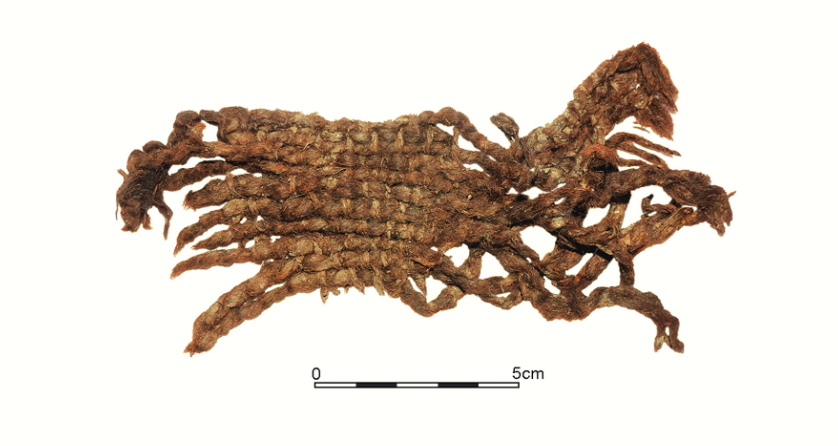
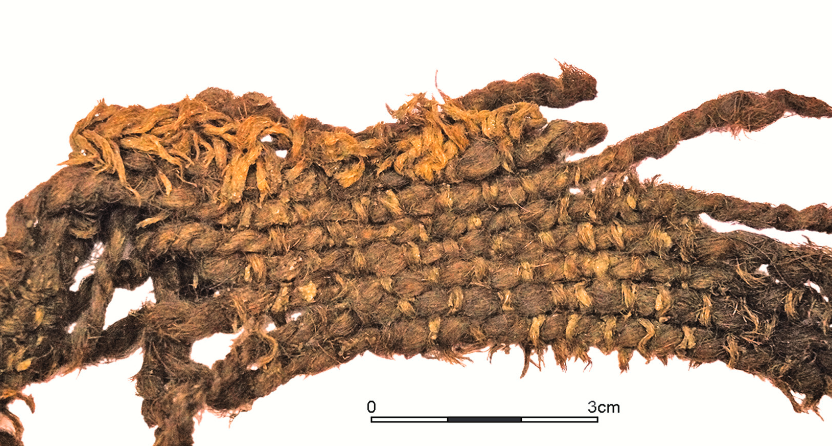
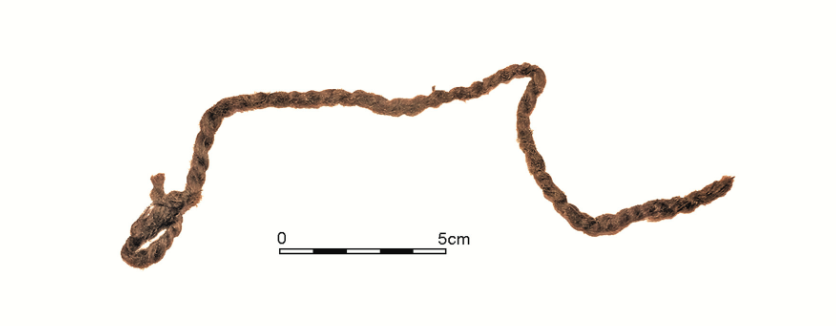
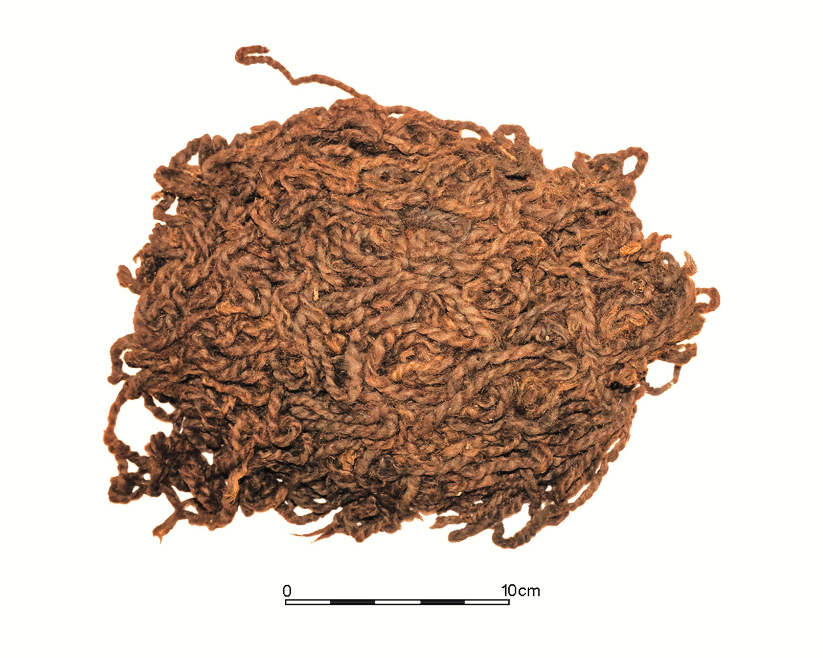
Łukasz Antosik analyses textile remains found in excavations in Piotrków Trybunalski in 2005. Archaeologists discovered early medieval layers from the 9th century. The fabrics were buried with objects dating from the mid-16th to the early 17th century.
https://t.co/YWRwuWFvKF
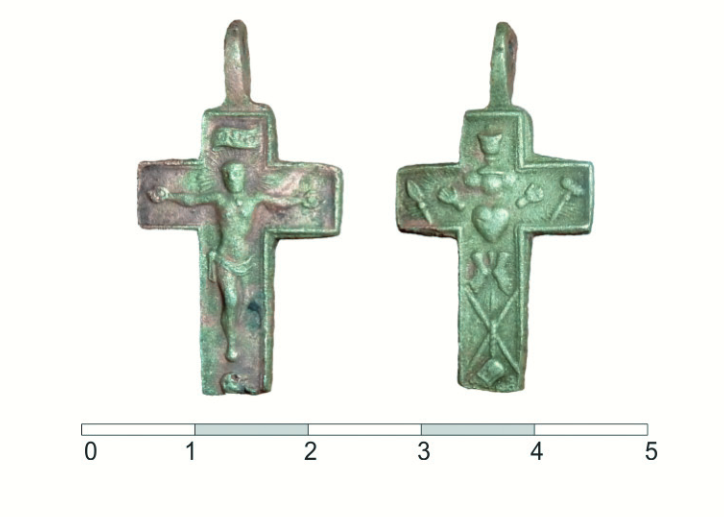
Read the article by Iwona Młodkowska-Przepiórowska about „the cemetery outside the city” discovered in 2015. The research presents the catalogue of devotional artefacts found during the excavation.
https://t.co/PzNKlfqVnJ
We are happy to announce that Acta Universitatis Lodziensis. Folia Archaeologica @fa_unilodz has been accepted for indexing in @Scopus !
Discover the journal here:
https://t.co/njJ2QdqUWb
Adrianna Szczerba writes about the research on the origins of Poland conducted by archaeologists and historians after WW2. Due to scientific, social and political needs, scholars had to gain support from the Soviet-dependent Polish United Workers' Party.
https://t.co/LPMV3cnxXo
Read Ali al-Ibadi's article about the number of inhabitants of Neo-Babylonian house-holds in relation to the social dimension in residential architecture: https://t.co/4w5QCY6sRU
#Babylon
#19thcentury wooden houses of craftsmen from #Zgierz – precious #Heritage or troublesome inheritance?
Read the article by Katarzyna Barucha about the city revitalization and Weavers Culture Park.
https://t.co/rvSiI1FQAh
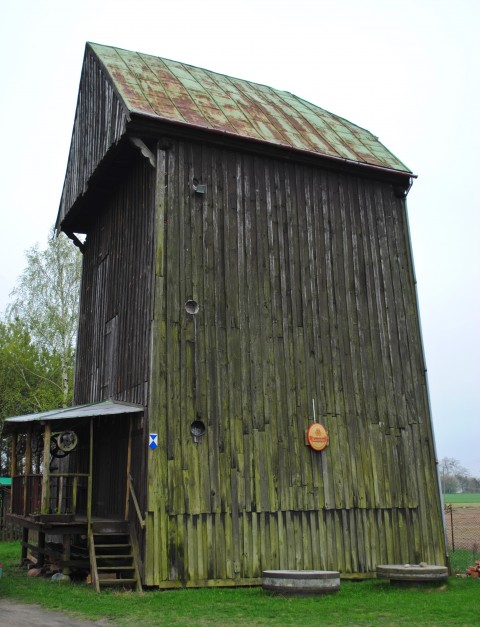
See the article by Emilia Habecka-Rosiak on conservation and restoration projects of historic windmills.
"Windmills as the Forgotten Cultural Heritage Returning to Favour" in #FoliaArchaeologica34
https://t.co/TvNgj9gA2V
https://t.co/nqo4UODoA1
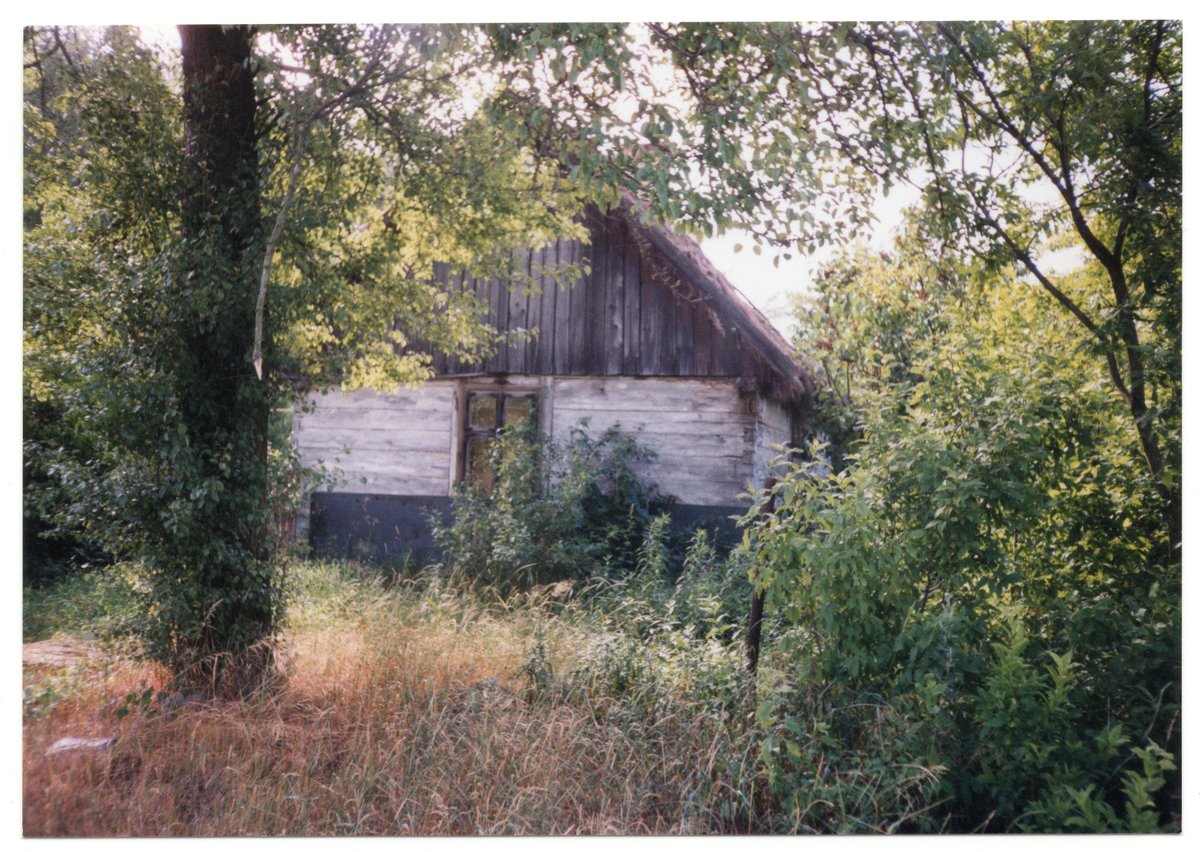
See the article by Sebastia Latocha on #autoetnography, #postmemory and dissonant #heritage exemplified by former German villages in Central Poland. Author used archival sources and personal knowledge of his grandmother, who remembers her German neighbours
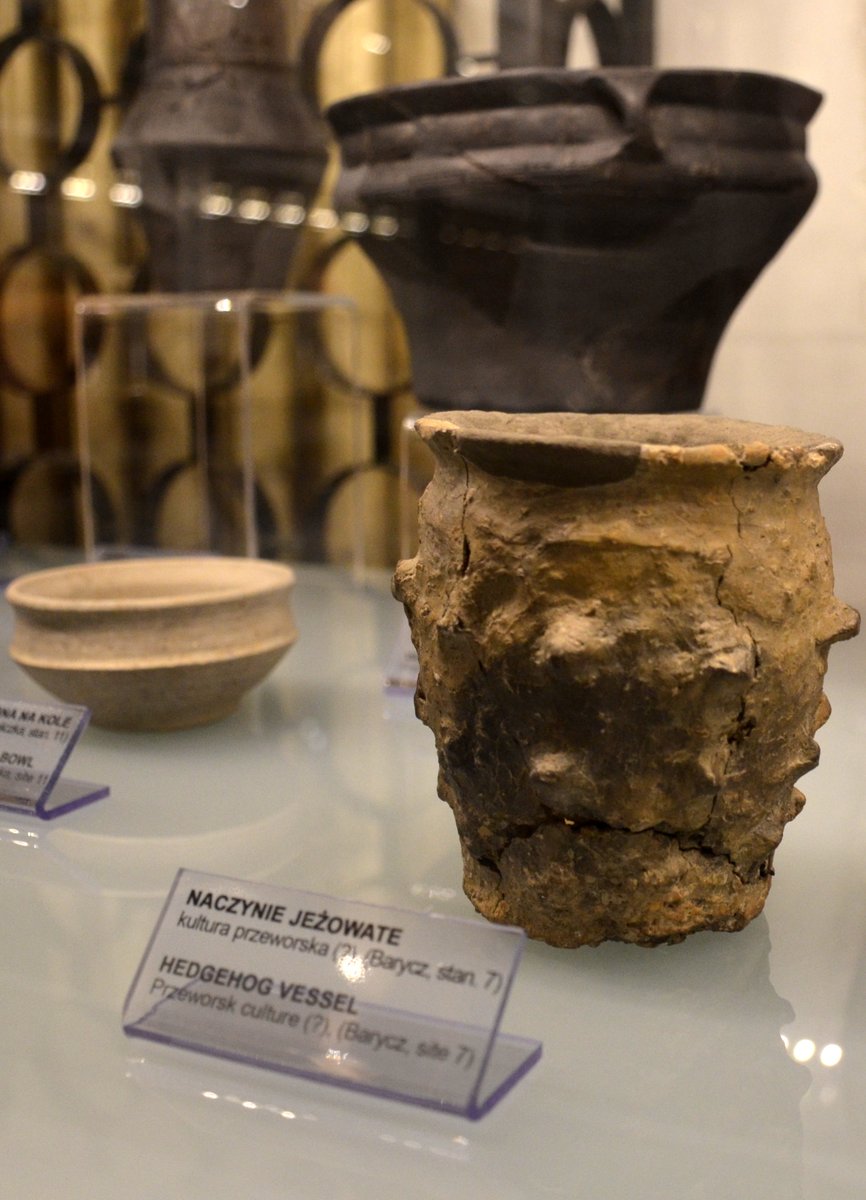
#PrzeworskCulture - an Iron Age material culture in the region of what is now #Poland (3rd c. BC to the 5th c. AD) is often an object of interest of authors who publish in #FoliaArchaeologica.
https://t.co/FaD33jkoYk
The practice of carving names, initials, shapes or symbols into the barks of living trees dates back to antiquity. AleksandraKrupa-Ławrynowicza and Anna Majewska reconstruct the history written on trees in Nakło palace.
https://t.co/L1oAFXyY5J
Are we all archaeologists now?
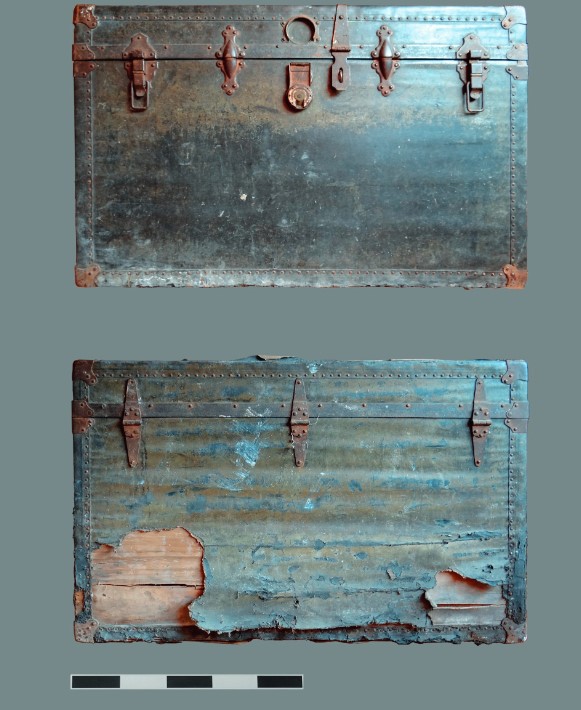
Dawid Kobiałka reflects on (auto)biographical approach to heritage and "archaeology of us". The author analyses the history and meaning of the 100-year-old chest brought from the US by his great-grandfather.
https://t.co/Qg6YhtwgF7
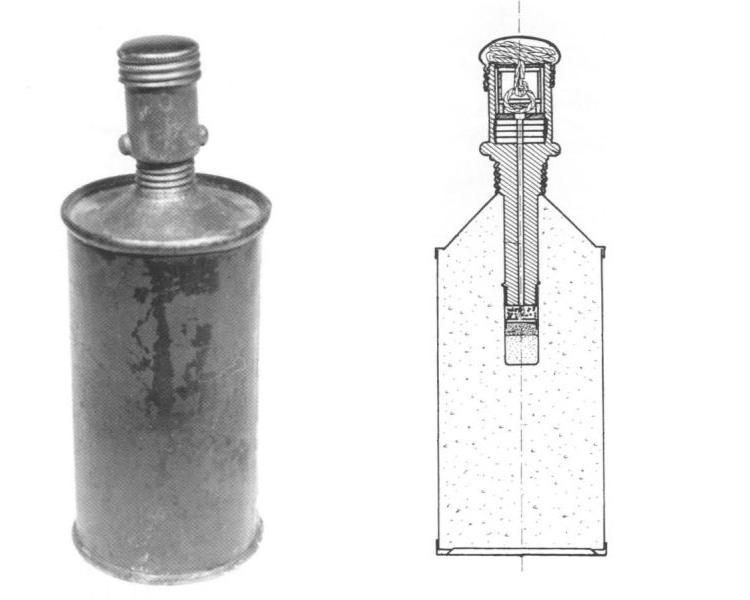
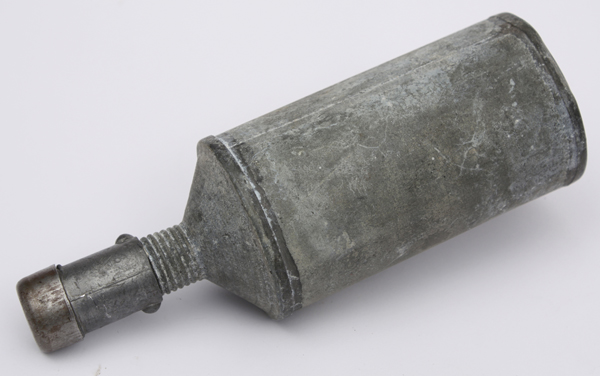
In the latest #FoliaArchaeologica36 Piotr Brzezinka describes the history, creation and development of Polish hand grenades from the interwar period and World War II, produced by the Polish resistance organization Armia Krajowa in nazi occupied Poland.
https://t.co/pI7cQ7TTSH
In #FoliaArchaeologica36 prof. Janusz Pietrzak analyses the late medieval and two early modern era inventories of the Manor and Grange Complex in Kutno.
https://t.co/nBCzQFhdeI