🚨 Preprint alert! Our new work uncovering that glutathione (GSH) boosts tumor growth by supplying amino acids is now available at @bioRxiv!
Check it out 👇🏼and follow along for the #tweetorial (1/10)
https://t.co/RpyACVbufW
@Ella_Maru@biorxiv That's yet to be discovered! GGT expression varies greatly across tissues, which could potentially influence their ability to catabolize GSH. We checked over 10 cancer cell lines (breast, lung, pancreas, and kidney), and all were able to use GSH to overcome Cys depletion in vitro
Huge thanks to our team at the Harris Lab (@isaac_s_harris) at @URochester_SMD, and to our amazing collaborators @josh_munger, @LabDeNicola, @Muir_Lab, and @ColoffLab!
Fabio & Marco
(10/10)
Together, these findings indicate a non-canonical role for GSH in supporting tumors by acting as a reservoir of amino acids.
As potent drugs targeting GGT are available, we believe this mechanism presents great promise for therapeutic applications in cancer treatment.
(9/10)
To check if the drop in tumor cysteine levels was responsible for the tumor reduction, we repeated the experiment but we now supplemented the mice with N-acetyl-cysteine, which partially reversed the effect of the GGT inhibitor.
(8/10)
Finally, we moved in vivo, and observed that systemic treatment with a potent GGT inhibitor decreases the growth of tumor xenografts! The treatment also increases serum GSH and decreases tumor cysteine levels, suggesting the drug has on-target activity.
(7/10)
We discovered that, by using these enzymes, cancer cells can overcome cysteine depletion in vitro by scavenging cysteine from exogenously added GSH.
Also, when cells acquire their cysteine via GSH breakdown, they are no longer sensitive to inhibitors of cystine uptake.
(6/10)
We thought the answer could rely on a family of enzymes called gamma-glutamyl-transferases (GGT). These enzymes sit on the outer side of the membrane and break GSH down, generating glutamate and cysteinylglycine, which can be further broken down into cysteine and glycine.
(5/10)
This made us wonder if the tumors were using GSH supplied by other cells and tissues. Indeed, we found that GSH is highly abundant in the tumor interstitial fluid.
But how could extracellular GSH even be doing anything if most data suggest that cells do not take up GSH? (4/10)
To answer the first question, we transplanted tumors lacking the ability to produce GSH (Gclc-KO) into wild-type mice and, surprisingly, the tumors grew normally!
This shows that the tumor’s intrinsic capacity to produce GSH is dispensable for its growth.
(3/10)
Our work stems from our previous observations that mice with whole-body disruption of GSH production (Gclm-KO) develop fewer, smaller tumors.
But some questions remain: is tumor’s GSH production needed for its growth? And most importantly: what the hell is GSH doing here?
(2/10)
Antioxidants are known to boost health, but they can also help cancer grow. Why? 🤔 @fabiohecht has spent several years in the @isaac_s_harris Lab working to find out. Hear more in our latest Research Rendezvous to close out #NPAW2024!
#URochesterResearch
Interesting work by @issac_s_harris and team (@fabiohecht, Marco Zocchi, Fatemeh Alimohammadi, Gloria Asantewaa) featured at @AACR meeting: How cancer cells use powerful antioxidants to grow and resist treatment.
#URochesterResearch#AACR24
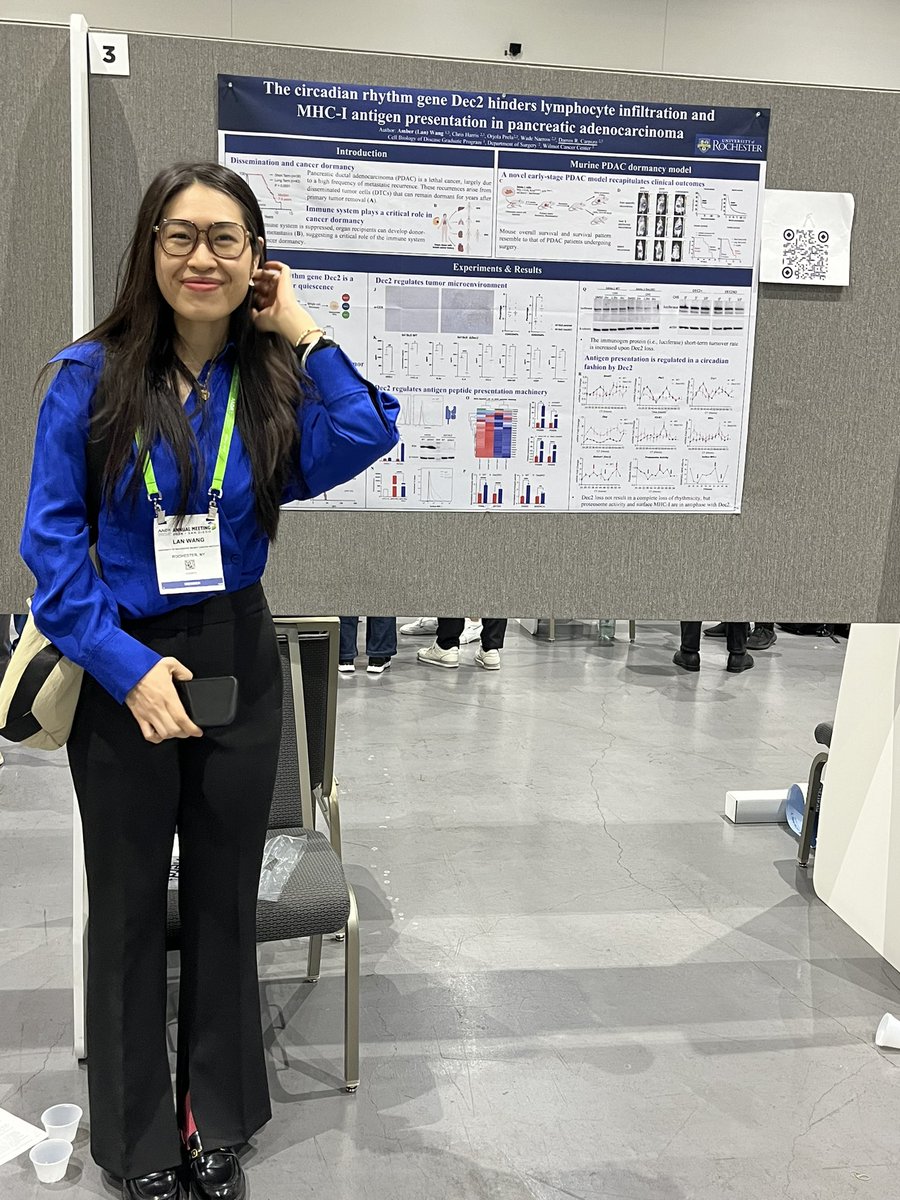
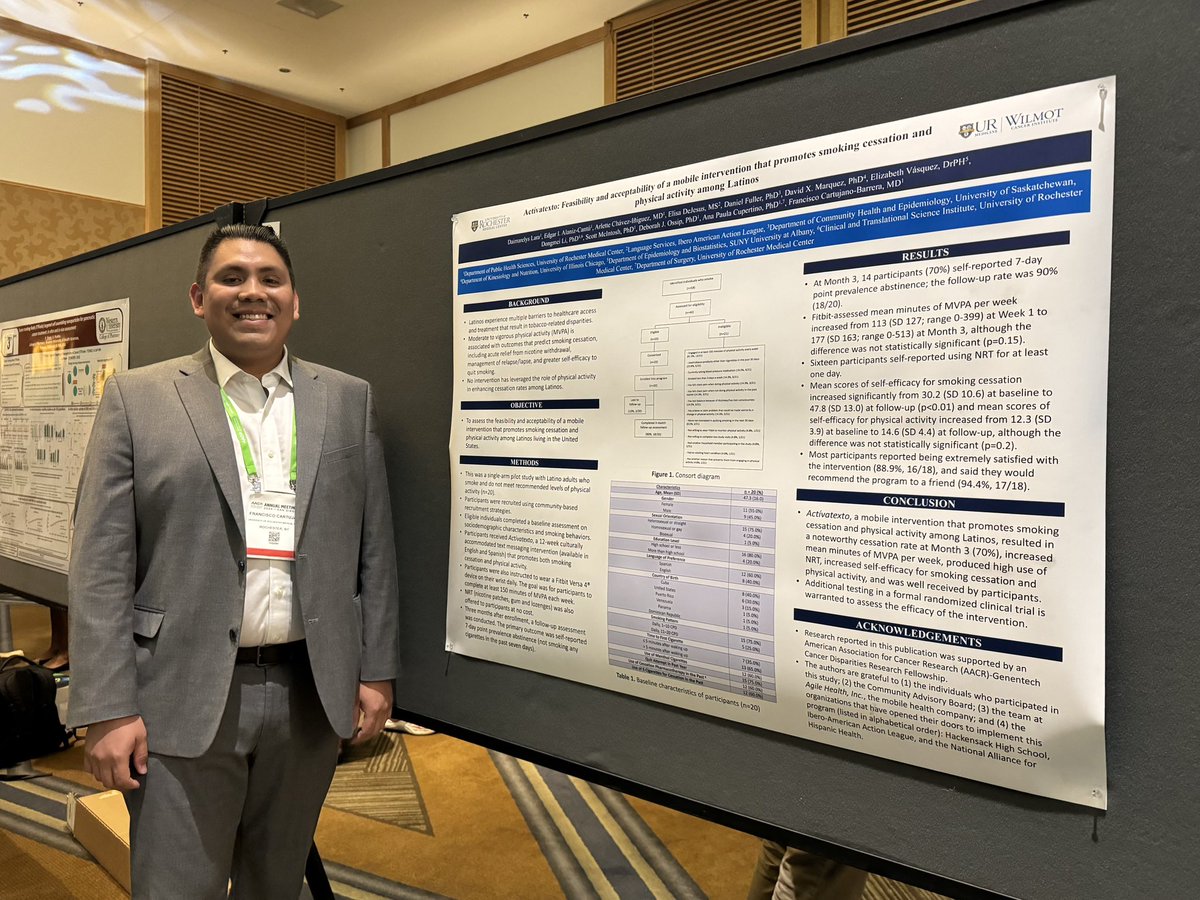
@WilmotCancer@UR_Med represents! at the #AACR24 meeting in SanDiego with @isaac_s_harris @fabiohecht @CartujanoF @gloriaasentewaa Jeremy McGuire, Lan Wang, Marco Zocchi
Antioxidants may have a paradoxical role when it comes to cancer.
@isaac_s_harris, @fabiohecht & team members explore that question in a recent review published in @MolecularCell: https://t.co/ORFtA18wRG
#URochesterResearch