Short, surprising facts for curious minds. Explore science, history, nature, geography, space, psychology, technology, culture, the human body, food and more.
Bottlenose dolphins are among the few animals that have been observed recognizing their own reflections in mirrors. In experiments, they used mirrors to look at parts of their bodies that they could not see without a mirror. This is considered one sign of complex self-recognition abilities. Most other animals do not have this ability.
It is not true that the Great Wall of China can be seen from space with the naked eye. Although its total length is around 21,000 kilometres, in many places it is only a few metres wide, and its colour blends in with the surrounding landscape.
The Wall can sometimes be spotted from low Earth orbit, but only under ideal conditions, which happens extremely rarely.
However, fragments of the Great Wall of China can be visible in photographs taken from low Earth orbit using telephoto lenses.
One of the pioneers of contemporary art was Marcel Duchamp, who in 1917 submitted an inverted urinal to an exhibition, signed “R. Mutt” and titled Fountain. The organizers were outraged and removed the work from the exhibition.
📸 Micha L. Rieser
Every sip of the coffee you drink, for example with breakfast, can taste slightly different.
The temperature of coffee changes how we perceive its flavor and aroma. Hot coffee releases volatile aromatic compounds more intensely, while as it cools, other notes - such as sweetness or acidity - may become more noticeable. That is why the same coffee can taste different when hot and after it has cooled.
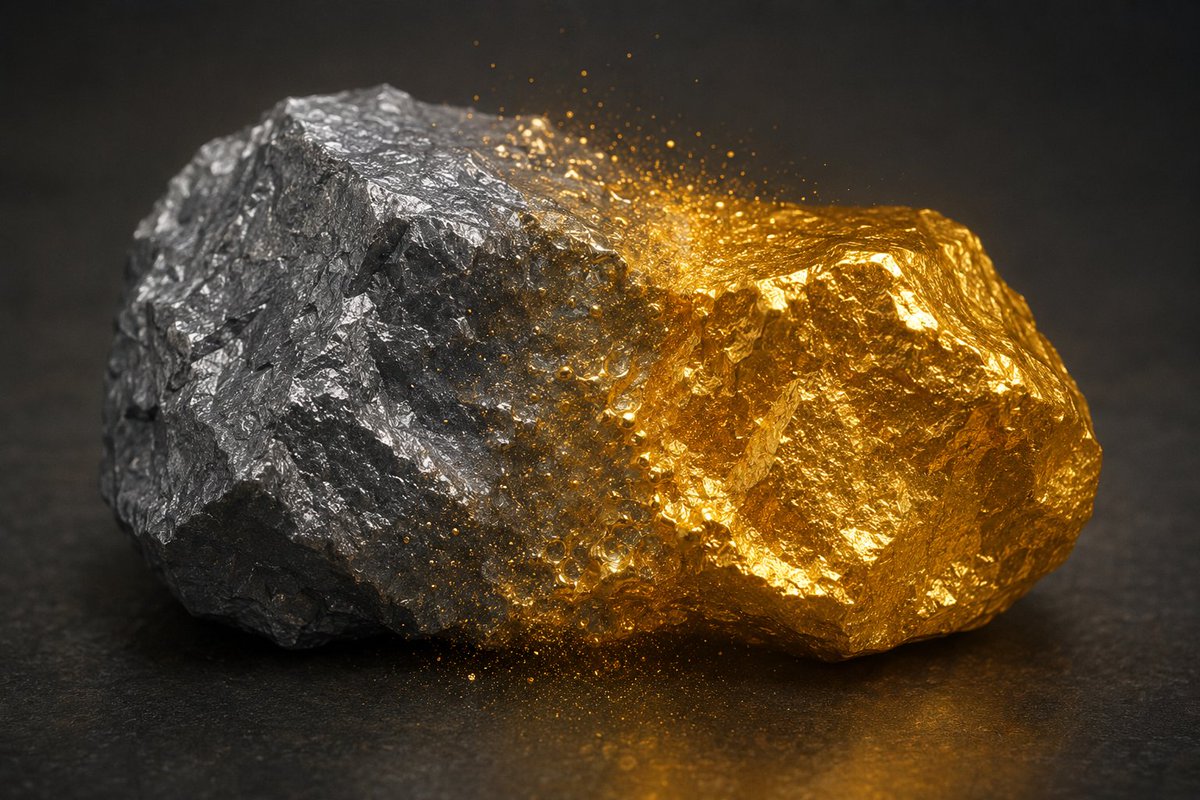
Lead can be turned into gold - at least in theory, because in practice, it is not profitable at all.
It is technically possible to turn lead into gold by changing its atomic nucleus, but the process requires particle accelerators, enormous amounts of energy and may produce radioactive isotopes. Scientists have achieved it only in tiny quantities, making the result far more expensive than the gold itself.
So alchemy became possible in theory, but useless in practice.
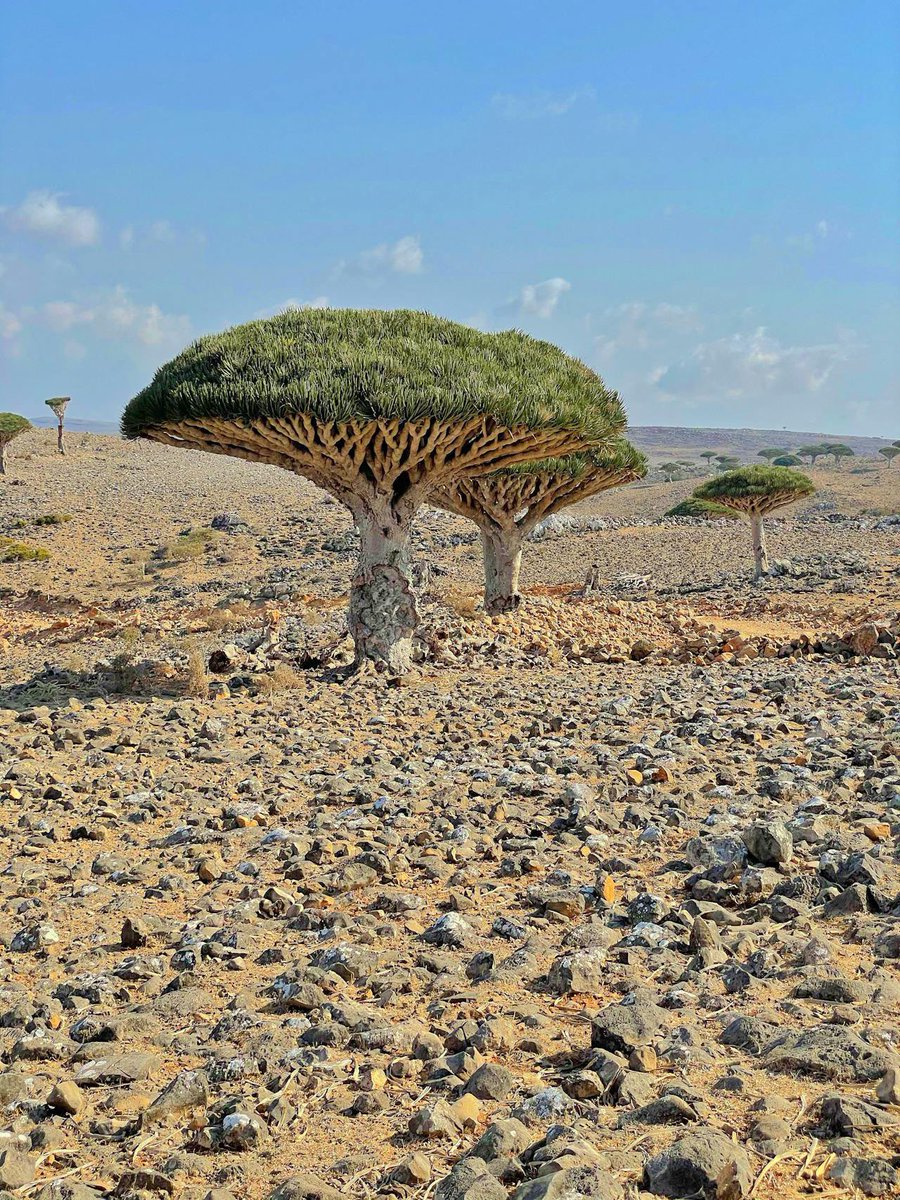
The island of Socotra, part of Yemen, is often referred to as the “Galápagos of the Indian Ocean” because of its extraordinary biodiversity, with about 37% of its plant species found nowhere else on Earth, including the iconic dragon’s blood tree, which has a distinctive umbrella-shaped crown and produces a red resin that has been used for various purposes.