The idea is simple. Make checking in easy. Blood work collected at home, then a video call with a licensed provider who walks you through the results in plain words. No waiting room.
https://t.co/eOjuBTA4Mf
Most people only look at their health when something feels wrong. By then the story has been running a while. I wrote about how we're trying to flip that at Thryve. Full article below.
Stanford tested AI agents on real hospital work, not exam questions. The best one finished 46% of clinical tasks. Another got 82.8% of the small admin steps right but finished only 26.7% of the whole tasks. Good at the parts. Not yet good at the job.
So test the whole job, not the demo. Run it more than once. Check what actually changed in the chart. On my team every answer comes with source links and hard cases go to a person. Boring, and it works.
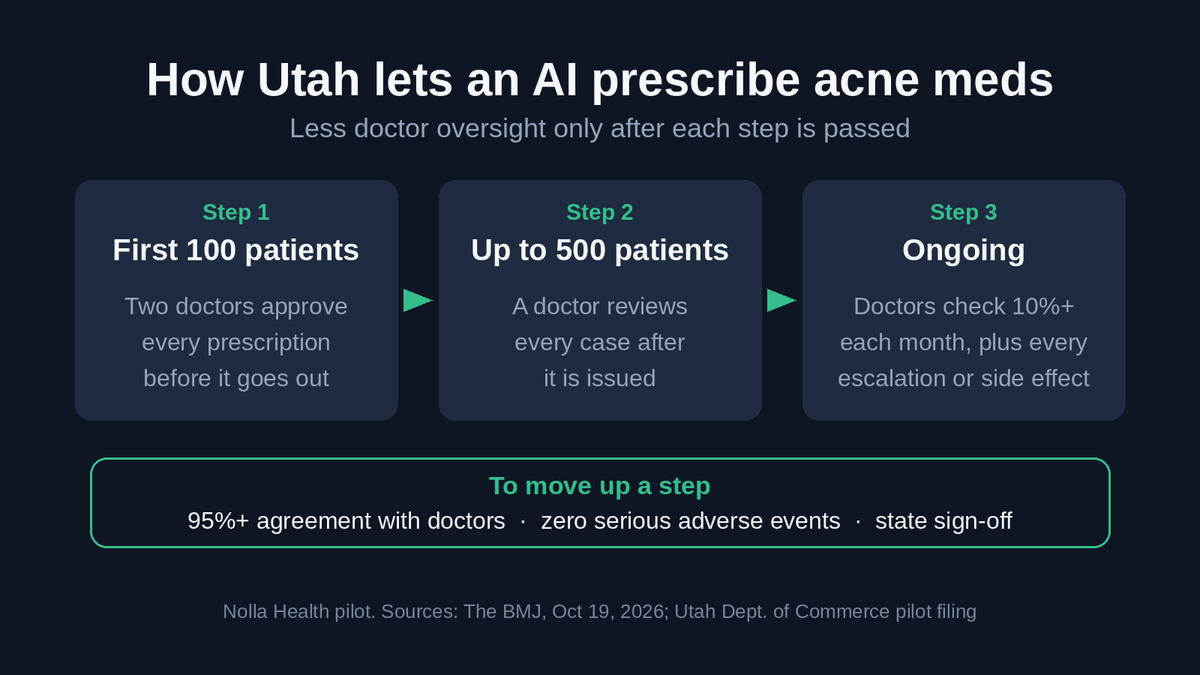
Utah now lets an AI write acne prescriptions, and I like the setup. Two doctors check every script for the first 100 patients. Then a doctor reviews every case after the fact for 500 more. Then spot checks. Each step needs 95% agreement and zero serious harm. Trust gets earned.
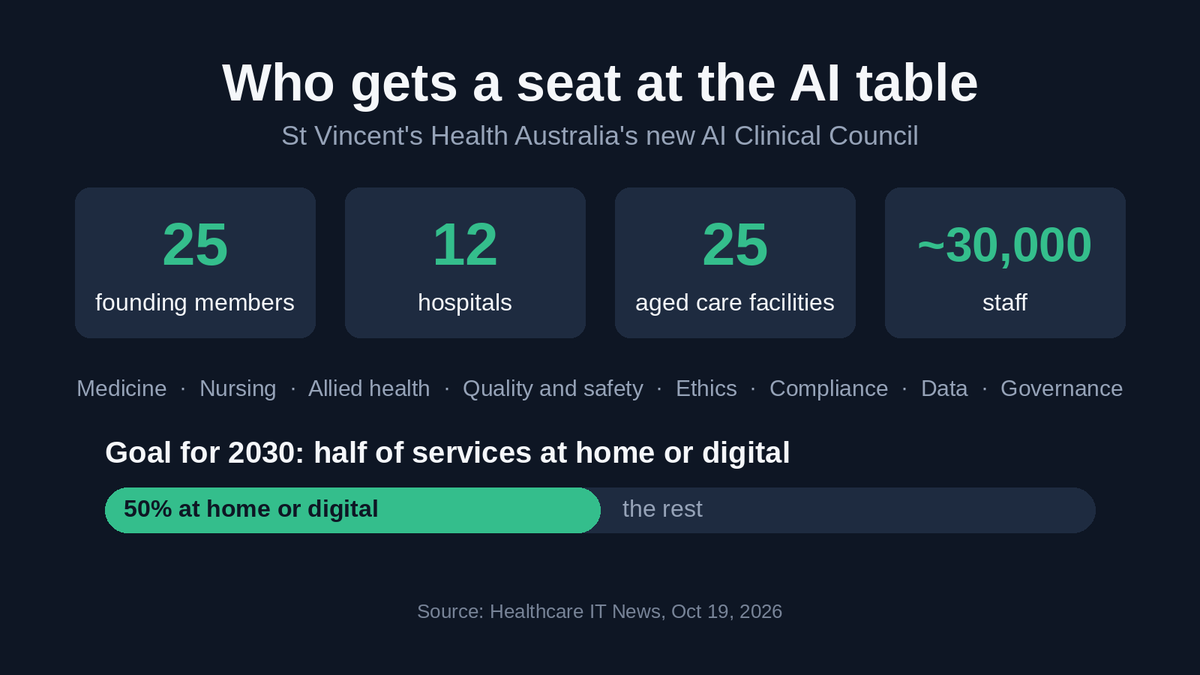
The smartest AI move I saw this week wasn't a model. St Vincent's Health Australia set up a 25-person AI Clinical Council, and it isn't just doctors. Nurses, allied health, safety, ethics and data people from hospitals, aged care and home care all get a seat.
The bigger reason: they want half their services at home or digital by 2030. At home there's no nurse down the hall. When the AI spots something between visits, someone has to own it. That gets decided by people who deliver care, not just people who buy software.