Calculating Three-dimensional Interplanetary Shock Velocity and Normals via Triple-spacecraft XGBoost Optimization https://t.co/1wdXwB361e via @AAS_Publishing
Our latest study, led by my student Keahi Pelkum Donahue, has been accepted for publication in The Astrophysical Journal.
We used machine learning and measurements from multiple spacecraft to detect interplanetary shocks and estimate how they travel through space, including their directions and speeds.
These shocks can affect satellites and space-weather conditions near Earth, so improving how we identify and characterize them is an important step for future space-weather monitoring and mission calibration.
BREAKING: The largest 3D map of the Universe is now complete 🌌
Last night @desisurvey, mounted on the Nicholas U/ Mayall 4 meter telescope at @KittPeakNatObs, finished its 5-year survey of the cosmos, mapping 47M+ galaxies and quasars.
🔗 https://t.co/sezuv9cnSL
Welcome home Reid, Victor, Christina, and Jeremy! 🫶
The Artemis II astronauts have splashed down at 8:07pm ET (0007 UTC April 11), bringing their historic 10-day mission around the Moon to an end.
We’re updating our ChatGPT Pro and Plus subscriptions to better support the growing use of Codex.
We’re introducing a new $100/month Pro tier. This new tier offers 5x more Codex usage than Plus and is best for longer, high-effort Codex sessions.
In ChatGPT, this new Pro tier still offers access to all Pro features, including the exclusive Pro model and unlimited access to Instant and Thinking models.
To celebrate the launch, we’re increasing Codex usage for a limited time through May 31st so that Pro $100 subscribers get up to 10x usage of ChatGPT Plus on Codex to build your most ambitious ideas.
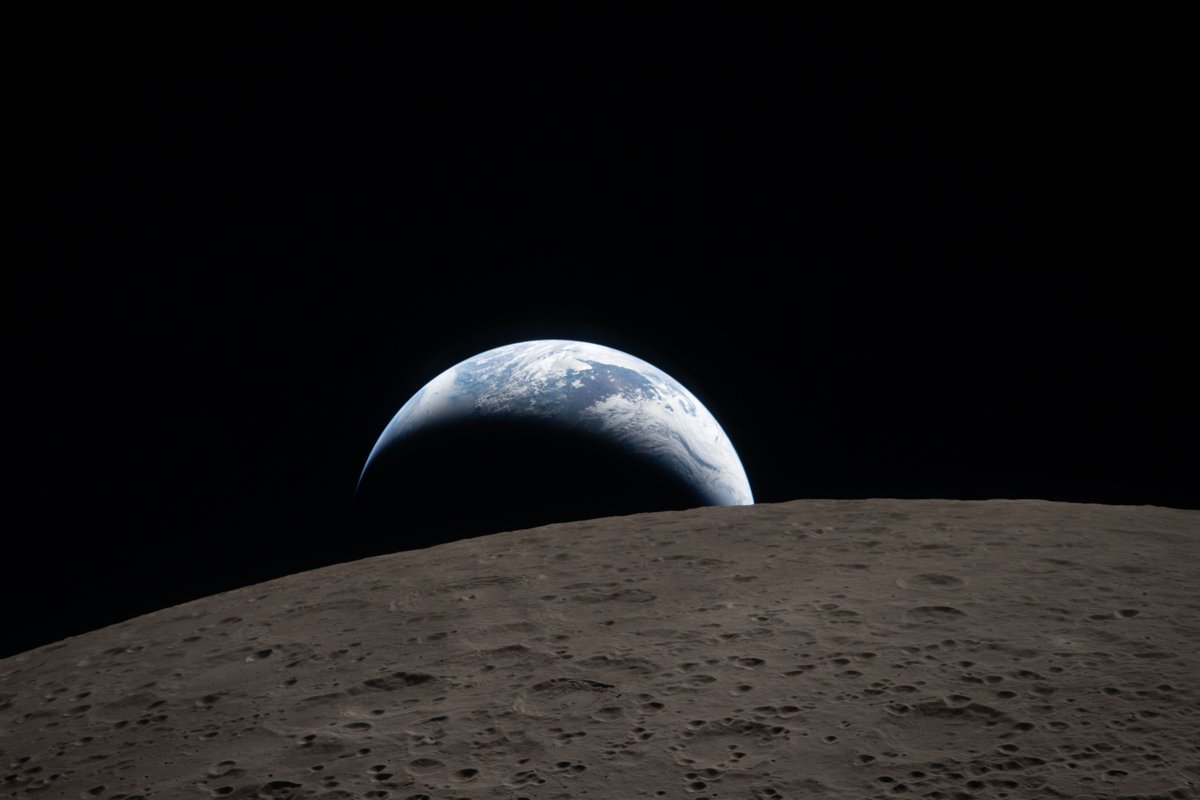
Hello, Moon. It’s great to be back.
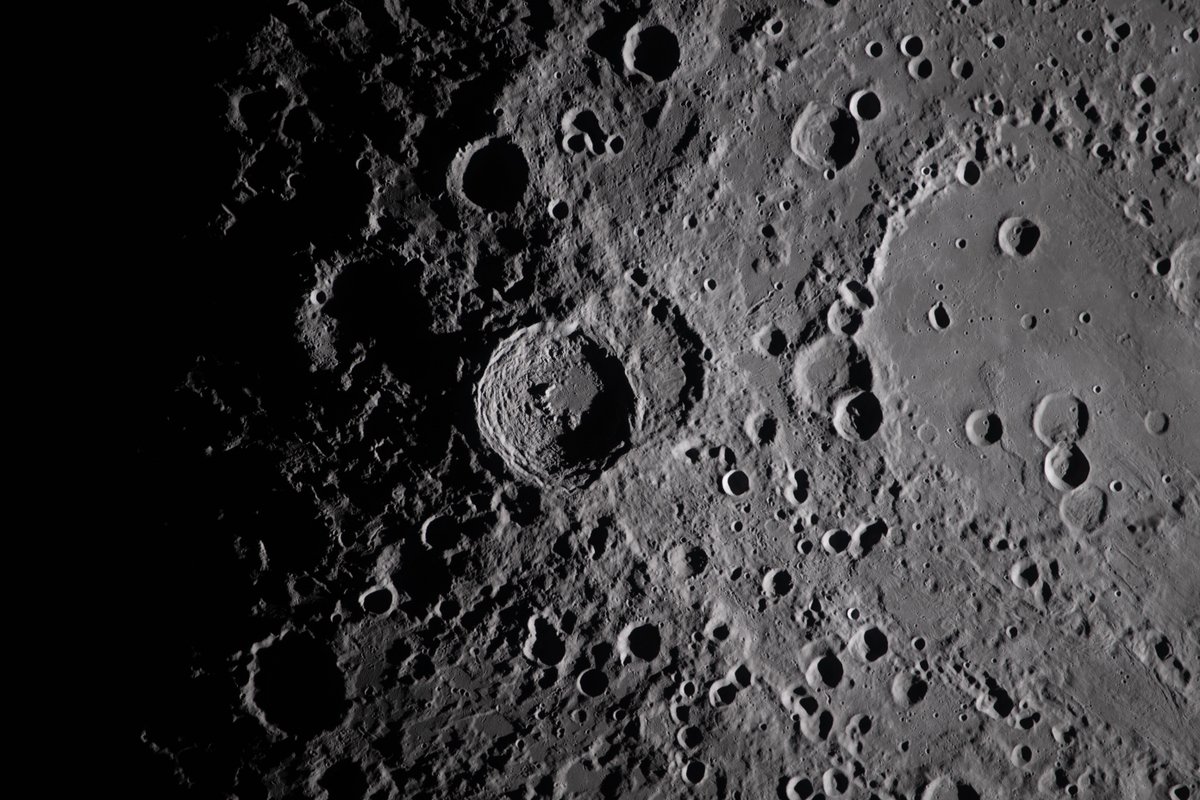
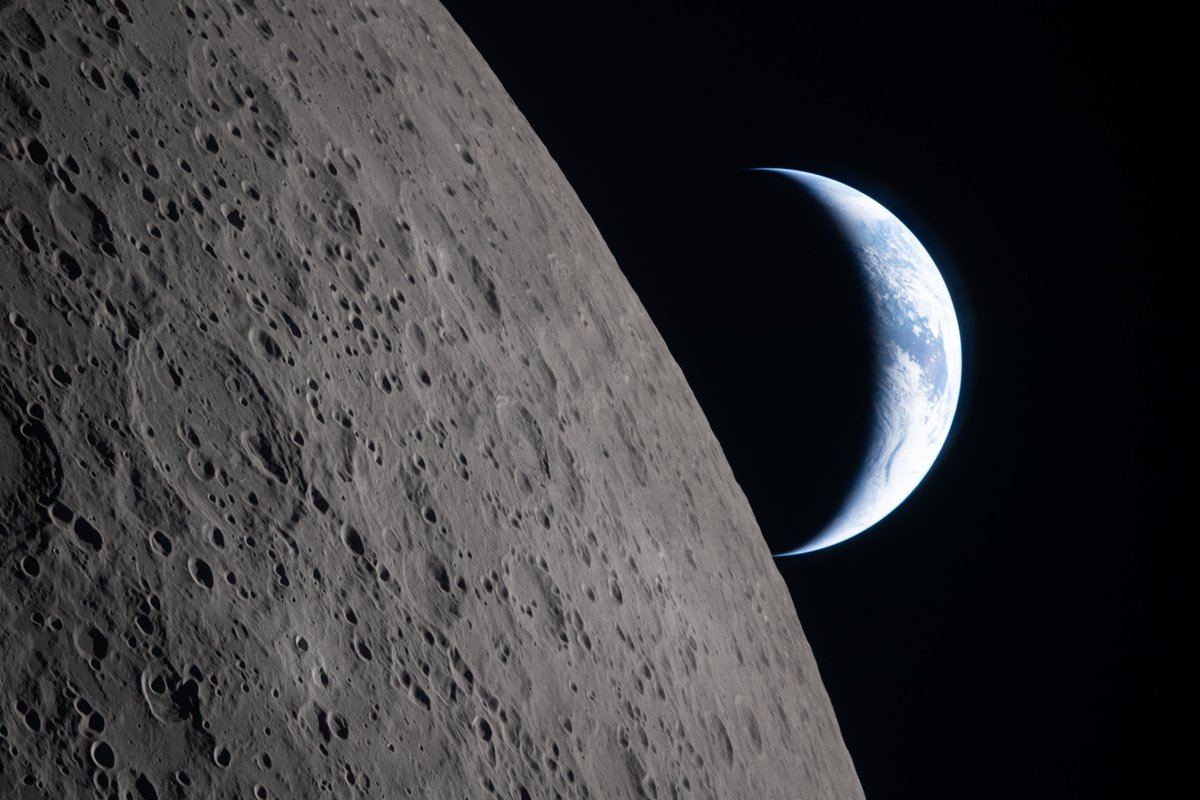
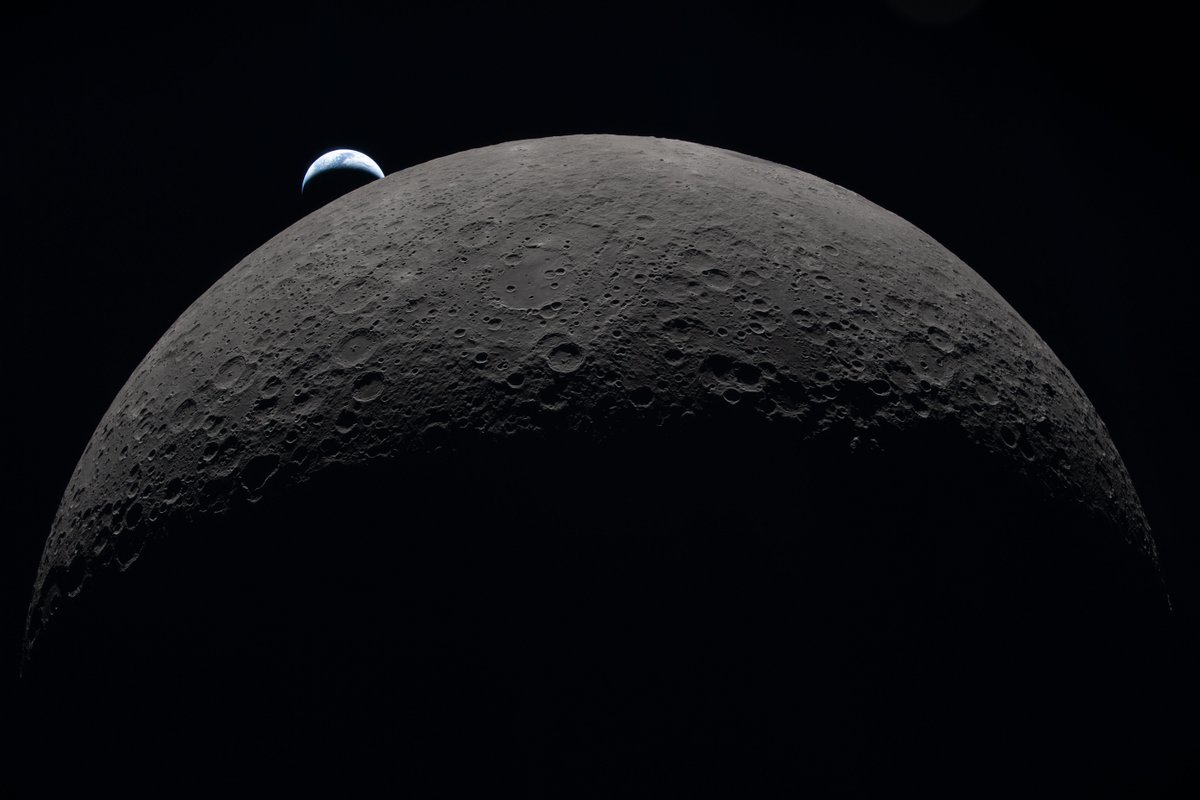
Here’s a taste of what the Artemis II astronauts photographed during their flight around the Moon. Check out more photos from the mission: https://t.co/rzM1P0QbOl
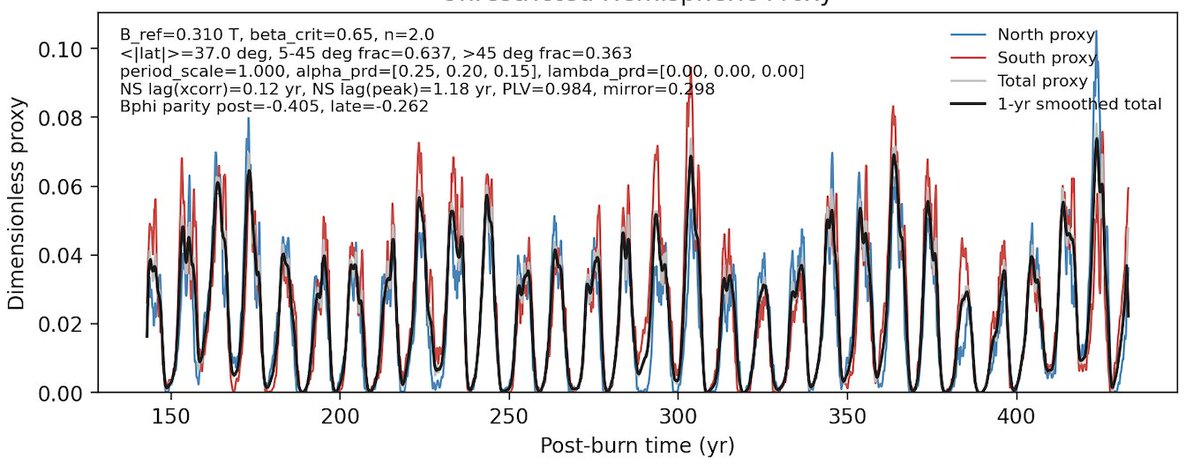
Here is one result from my latest Bayesian parameter search exploring planetary forcing in the thin-shell alpha tensor using a 2D solar dynamo model (Rempel 2005, 2006), motivated by the idea that planets may modulate solar dynamo processes (Stefani et al. 2025, Solar Physics). The emerging behavior is very promising, and these preliminary results may form the basis of a ROSES-2025 B.2 Heliophysics Foundational Research proposal.
After Ora for @tevolo_ai, my next project will be Ava, pushing one step beyond Ora in many aspects while building on the same epistemological framework.
I’m starting to wonder how long I can keep pushing this while still moonlighting. Token limits never seem far enough away.
It would be great to see @OpenAI and @AnthropicAI offer startup credits with fewer constraints, similar to the programs @GoogleStartups provides.
I love listening to Leonard Peikoff’s lectures in the morning while working out. He’s been an incredible teacher of philosophy, even if it’s only through his prerecorded lectures on YouTube.