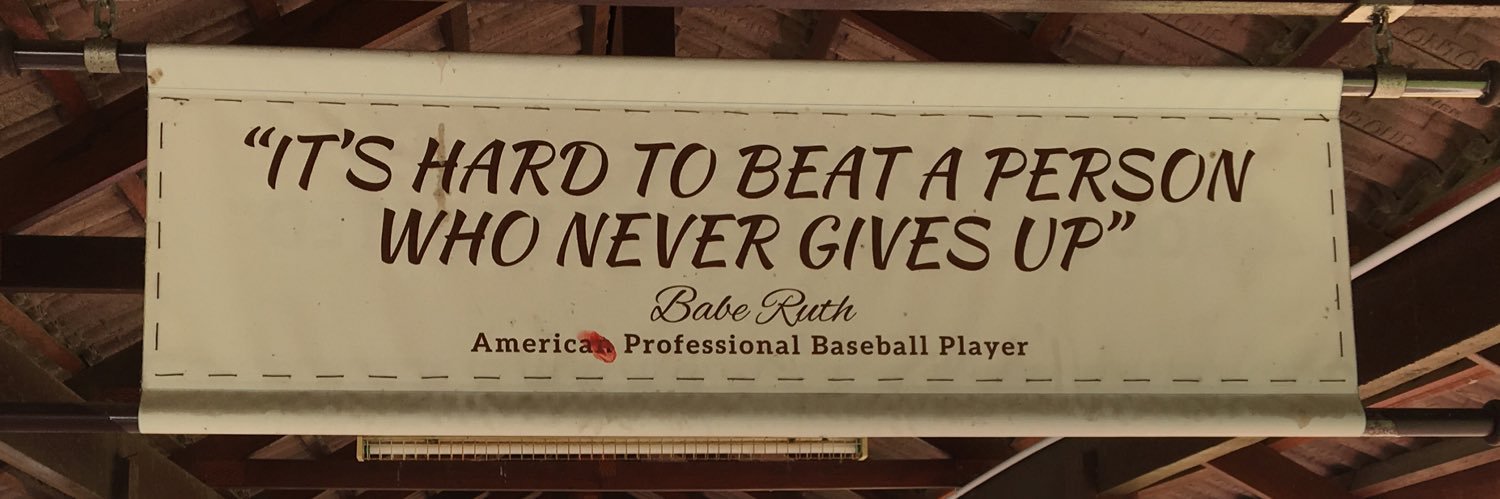
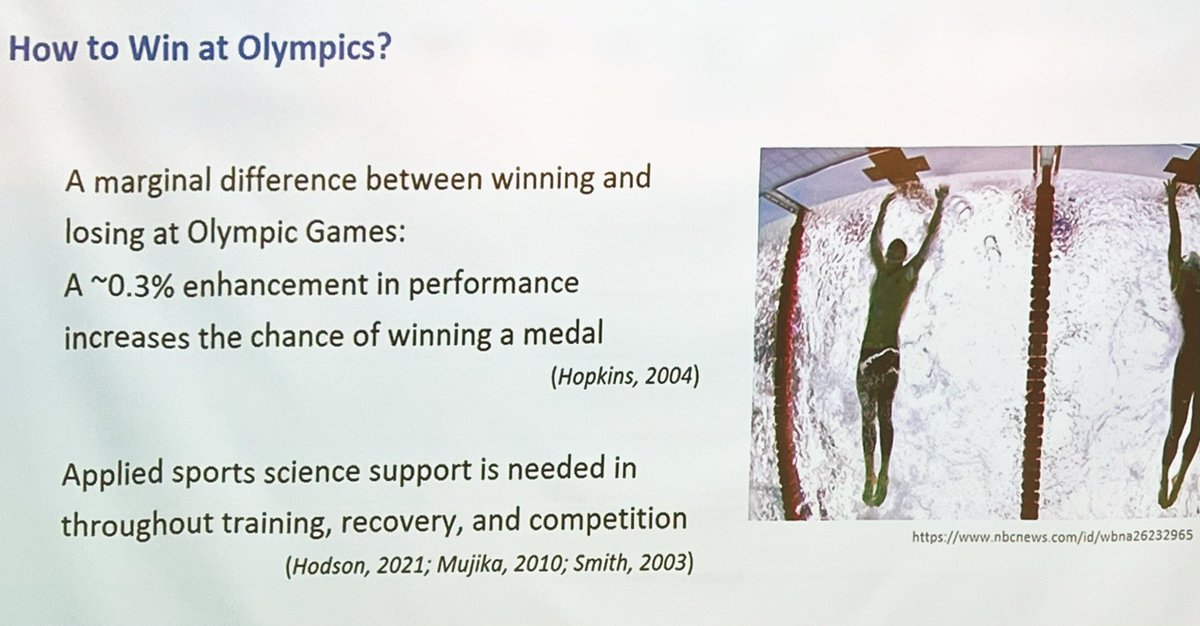
Adopt a principle of continuous improvement through the aggregation of marginal gains.Ignore perfection; focus on progression & compound the improvements. 3 pillars to the principle: Strategy, human performance & continuous improvement #wheresportsmeetscience#roadtogold#TeamMAS
KAISHU SANO WITH AN ABSOLUTE MASTERPIECE SOLO GOAL!!! 🤯🔥
He just danced through the entire defense. One of the best goals of this World Cup, period! The world officially knows his name now! 🌍🇯🇵 https://t.co/2KGbSaeG1Q
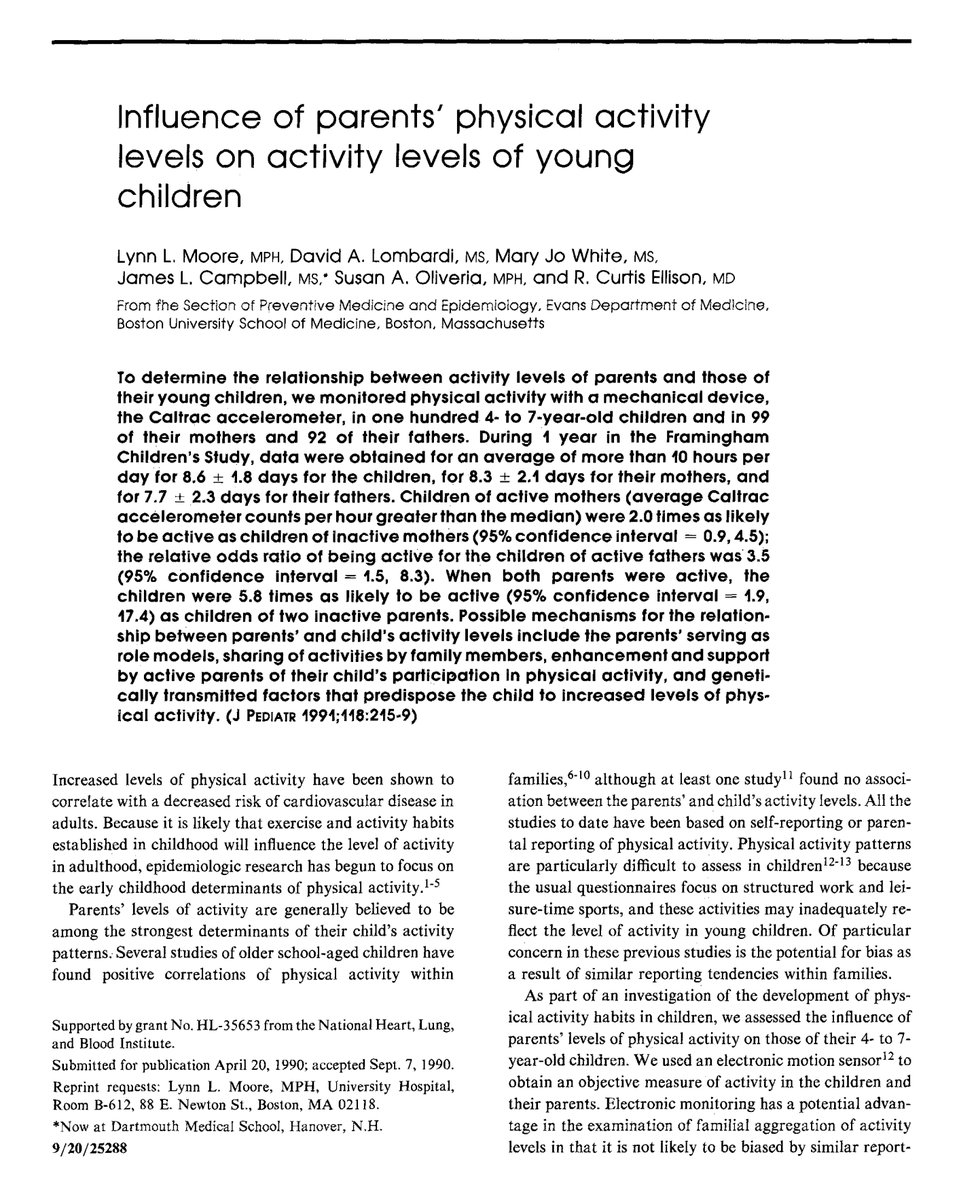
Kids with an active dad are 3.5x more likely to be active themselves. With both parents active, that goes up to nearly 6x.
Your habits have a bigger impact on your family than you think.
Kids with an active dad are 3.5x more likely to be active themselves. With both parents active, that goes up to nearly 6x.
Your habits have a bigger impact on your family than you think.
@notpong4321@MYBahasBola@padangbolasepak@mysemuanyabola@Bolanalytics@vsn2030 American pro league takde konsep promotion and relegation. The league operate in a closed-system dan diurus in such a way supaya semua team dalam liga itu boleh prosper, untung and grow together. Itulah antara resepi kejayaan liga sukan professional di Amerika.
US franchise-style sports league business model has opened up opportunity, even for emerging sports like lacrosse to have their own professional league. Sustainability mindset is the the key in establishing your league, not ‘one season’ mindset. #sportindustry#VisiSukanNegara
This aired tonight to 1 billion people in China. A year ago these robots could barely wave a handkerchief, now they can do backflips and kung fu with nunchucks. Physical intelligence is the next frontier.
WHY THE ABILITY TO EXERCISE DOESN’T MEAN THAT YOU ARE BULLETPROOF
Your heart can kill you even if you excercise. That's the uncomfortable reality most don't want to hear.
A 50-60% blockage in a coronary artery produces zero symptoms during intense training. You can run half marathons, complete obstacle courses, push your cardiovascular system hard, and feel completely fine. The blockage sits there silently, waiting.
Most people assume heart attacks happen to the sedentary, the overweight, the metabolically broken. That assumption can kill you.
WHAT ACTUALLY HAPPENS
A heart attack, or myocardial infarction, means heart muscle tissue dies from lack of blood flow. The coronary arteries supply the heart muscle with oxygen and nutrients. Block those arteries and the tissue downstream starts dying within 20-40 minutes.
The blockage comes from atherosclerotic plaques. These are fatty deposits made of cholesterol, calcium, and other substances that build up in the arterial wall. They accumulate over years, slowly narrowing the vessel.
Here's the critical part: you won't feel anything until a coronary artery is about 70% blocked. The disease progresses silently for decades. No symptoms. No warning signs. Just gradual arterial occlusion happening while you go about your life.
Even at 70% blockage, you still might not have a heart attack. You'll develop stable angina first. Chest pain during exertion that goes away with rest. That's your warning. Your heart screaming that it can't get enough blood when demand increases.
Most heart attacks happen when the plaque ruptures. The body tries to heal the rupture by forming a clot. That clot completely blocks the artery. Blood flow stops. Heart muscle dies.
THE FITNESS PARADOX
Exercise stimulates collateral blood vessel growth. When you train consistently, your heart develops new small arteries and capillaries that can supply blood to areas if the main vessel gets blocked. These collaterals act as backup routes.
Plaque buildup also triggers collateral development. Your body knows blood flow is compromised and tries to compensate by growing new vessels. Not large arteries, but tiny arterioles and capillaries that collectively make a difference.
This explains why trained individuals can have significant blockages without symptoms. The collaterals supply enough blood to meet demand during exercise. The person feels fine, performs well, has no idea their coronary arteries are compromised.
Until something pushes the system past its compensation point.
WHAT DAMAGES ARTERIES
Anything that irritates the tunica intima, the inner lining of arteries. High blood pressure creates mechanical stress. Smoking introduces harmful chemicals. Chronically elevated blood glucose from unmanaged diabetes causes inflammatory damage.
Combine those insults with elevated cholesterol, particularly certain types, and you create conditions for plaque formation. Some people have genetic predispositions that make them more susceptible. Higher baseline cholesterol, increased clotting tendency.
You don’t have to be necessarily chronically ill to accumulate atherosclerotic plaque, as a recent study in so-called lean mass hyper-responders showed... the Keto-CTA study... where lean participants on a high-fat diet showed atherosclerosis growth worse than in obese type 2 diabetics on a standard diet.
You can be fit and still have these risk factors. Exercise helps blood pressure, improves cholesterol profiles, reduces diabetes risk. But it doesn't eliminate genetic factors. It doesn't undo years of arterial damage if you started exercising later in life.
THE LEFT ANTERIOR DESCENDING
This artery is nicknamed the widow maker. It supplies a large portion of the left ventricle, the heart's main pumping chamber. A significant blockage here can be fatal because it affects so much heart muscle.
Smaller branch vessels matter less. A blockage in a small branch causes a mild heart attack, if anything. Limited muscle damage. The heart compensates easily. But compromise the LAD and you're in trouble.
SCREENING MATTERS
Annual physicals check blood pressure, blood glucose, cholesterol panels. These give baseline risk assessment. If results suggest elevated risk, more specific testing follows.
Coronary artery calcium scans detect and quantify calcified plaque. The test gives a calcium score that indicates plaque burden. Higher scores mean more plaque, higher risk.
CT angiograms provide detailed images of the coronary arteries with contrast dye. They show exactly where plaque exists, how much narrowing has occurred, which vessels are affected.
These aren't routine tests for everyone. But if you have risk factors, family history, or concerning lab results, they're worth doing. Finding a 60% blockage before it causes symptoms gives you options. Medications, lifestyle changes, possibly stenting if needed.
WHAT TO DO
Keep exercising. The cardiovascular benefits far outweigh the risks. Exercise reduces blood pressure, improves lipid profiles, decreases insulin resistance, helps with weight management. It also promotes collateral vessel growth, which can be protective if blockages develop.
Don't smoke. This one is non-negotiable. Smoking damages arterial walls directly and accelerates plaque formation.
Manage your diet. Focus on whole foods, minimize processed garbage. The specifics matter less than consistency. Your arteries respond to long-term patterns, not individual meals.
Sleep properly. Poor sleep increases cardiovascular disease risk through multiple mechanisms. Elevated cortisol, increased inflammation, worse insulin sensitivity, higher blood pressure.
Address stress. Chronic stress is linked to increased cardiovascular events. The mechanisms are complex but real. Your mental state affects your arterial health.
Get your labs checked regularly. Know your numbers: blood pressure, triglycerides, insulin sensitivity, lipid panel. If something looks off, investigate further. Don’t assume fitness makes you immune.
THE INTERVENTION
If you have a heart attack, time matters enormously. Permanent damage starts within 20-40 minutes of complete blockage. The sooner blood flow is restored, the better the outcome.
Treatment involves clot-busting drugs to break up clots. Angioplasty uses a catheter threaded through the radial or femoral artery up to the coronary vessels. A balloon inflates to compress the plaque and widen the vessel. Often a stent is deployed to keep the artery open.
The core procedure takes 20-30 minutes. It's remarkably effective if done quickly. But you have to get to the hospital first.
Symptoms include chest pain or pressure, possibly radiating to the arm, neck, or jaw. Shortness of breath. Nausea. Sweating. Lightheadedness. Women sometimes have more subtle symptoms like fatigue or indigestion, which can lead to missed diagnoses.
If you experience these symptoms, especially during exertion, get evaluated immediately. Don't wait. Don't assume it's nothing. Heart muscle doesn't regenerate well. What dies stays dead.
THE UNCOMFORTABLE TRUTH
Fitness provides significant cardiovascular protection. But it doesn't make you bulletproof. You can be running marathons and still have significant coronary artery disease developing silently.
The solution isn't to stop exercising. That would be idiotic. Exercise remains one of the most powerful cardiovascular disease prevention tools available.
The solution is to combine exercise with proper screening and risk factor management. Know your family history. Get your labs checked. If you have risk factors, pursue appropriate imaging studies.
Don't assume your ability to perform athletically means your arteries are clean. Those are different things. Collateral vessels can mask significant blockages. You can feel great, perform well, and still be at risk.
Your heart doesn't care how many races you've finished. It cares about arterial patency, oxygen delivery, and whether demand exceeds supply. Keep all those factors in balance through consistent exercise, proper screening, and aggressive risk factor management.
That's how you actually protect yourself. Not by assuming fitness equals immunity, but by understanding the physiology and acting accordingly.
No medical advice. For educational purposes only.
Kobe Bryant and Michael Jordan hired this man to make them the BEST.
His role?
Turn ‘athletes’ into unstoppable machines.
If you want to unlock your full potential, his teachings are non-negotiable.
Here are 4 principles that will transform your life:
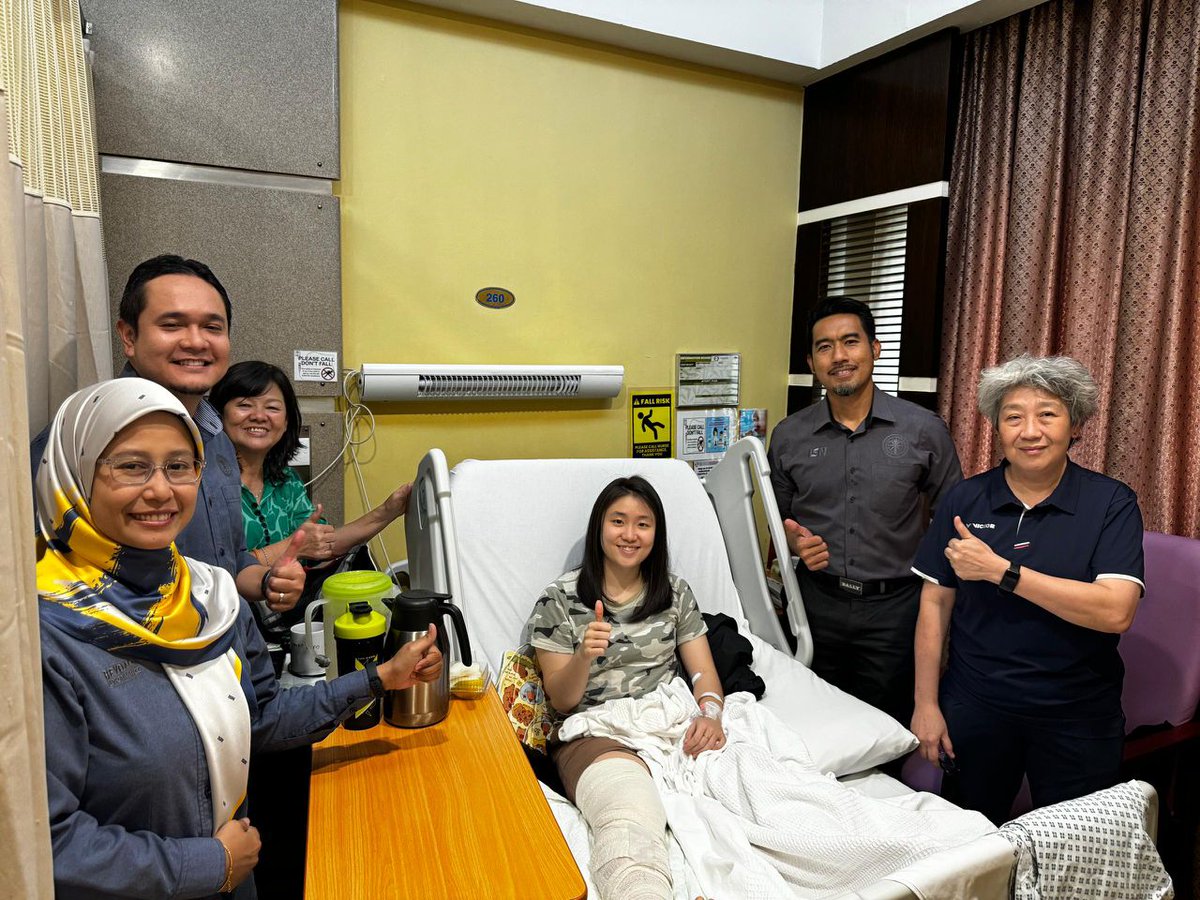
CEO @isnmalaysia telah bincang dgn keluarga Qi Xuan hari ini mengenai opsyen rawatan. Setelah mempertimbangkan pelbagai faktor, mereka memutuskan utk menjalani surgeri di hospital pilihan mereka dan menerima tawaran rehabilitasi @isnmalaysia sehingga beliau dapat kembali beraksi.
More on World Bank's growth upgrade for M'sia 🇲🇾
1. Higher growth is translating to better living standards (in macro sense)
2. Paired with stronger ringgit, high-income goal is within reach (~2028)
3. But challenges remain. In this thread, I’ll dive into under-employment🧵
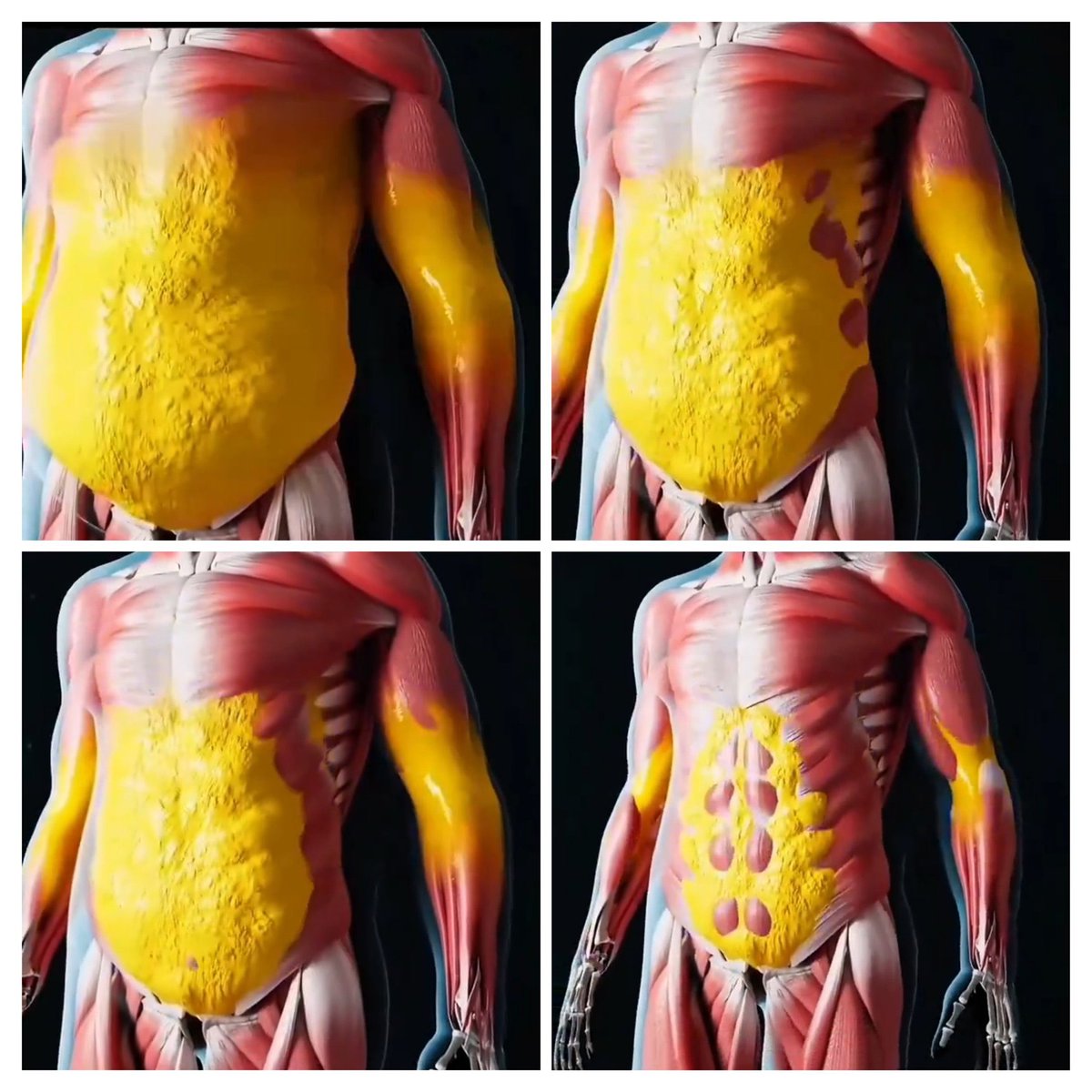
There are 4 serial killers trying to kill you.
Visceral fat is one of the most DANGEROUS.
Either you finish her off, or she finishes you off.
Do this to avoid it 🔥👇🏼
🔵🇲🇾 Former Real Madrid striker Jesé Rodríguez signs for Malaysian club Johor Darul Ta'zim F.C.
31 year old striker has agreed terms and the deal has been completed.
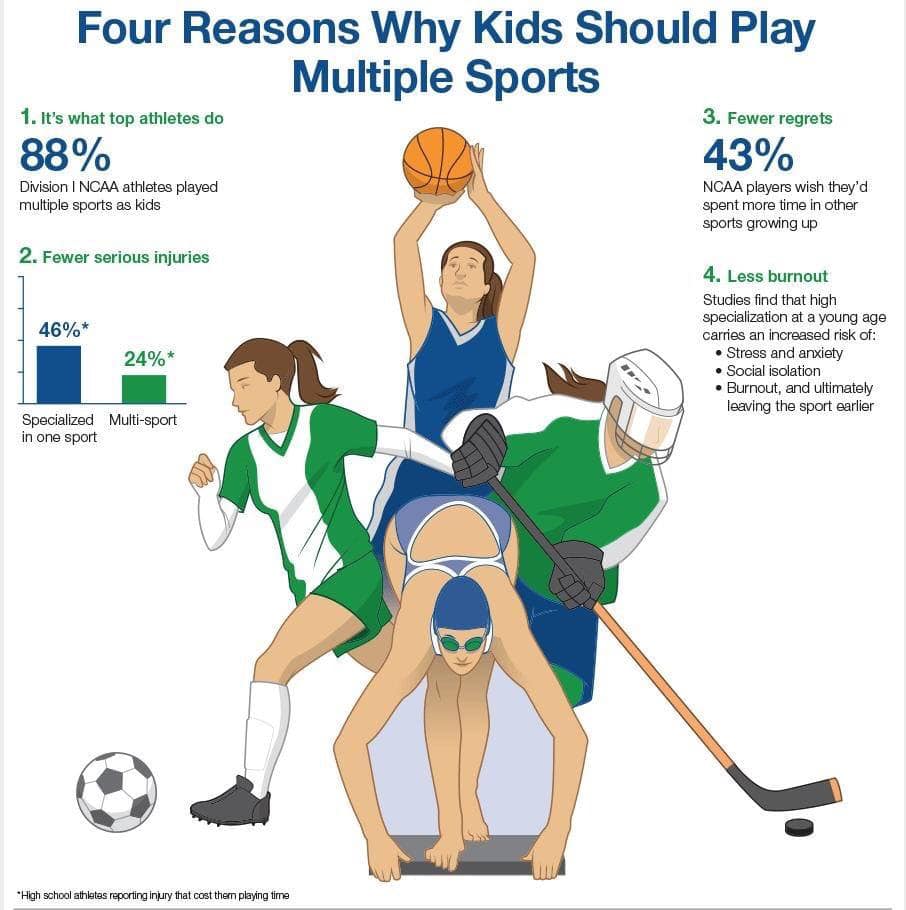
Why Youth Athletes Should Play Multiple Sports ⛹️♀️🤾♂️
DID YOU KNOW❓
Youth athletes that specialize in one sport are at a significantly higher risk of injury and burnout vs. those who play multiple sports.
https://t.co/TTJy5dT1kT
https://t.co/k9VSukb7KV
https://t.co/PMZ0d9Ubez
Happy 13th Anniversary, ISN! 🎉 Beyond Performance, we're proud to lead the way in excellence through science, medicine, and sports technology. Together, we continue to push the limits and inspire greatness! 💪🏅 #ISN13Years#BeyondPerformance#SportsExcellence
The country with one of the lowest obesity rates and highest life expectancy is Japan.
4-5% of their population is classified as obese while Western Nations can exceed 30-40%.
Here are 10 crucial reasons why Japan is one of the healthiest countries in the world: