Here are the 5 guiding principles of @NeuroJSON:
1.Open-data MUST BE provided in "source-code" format
2.Open-data MUST BE human-understandable
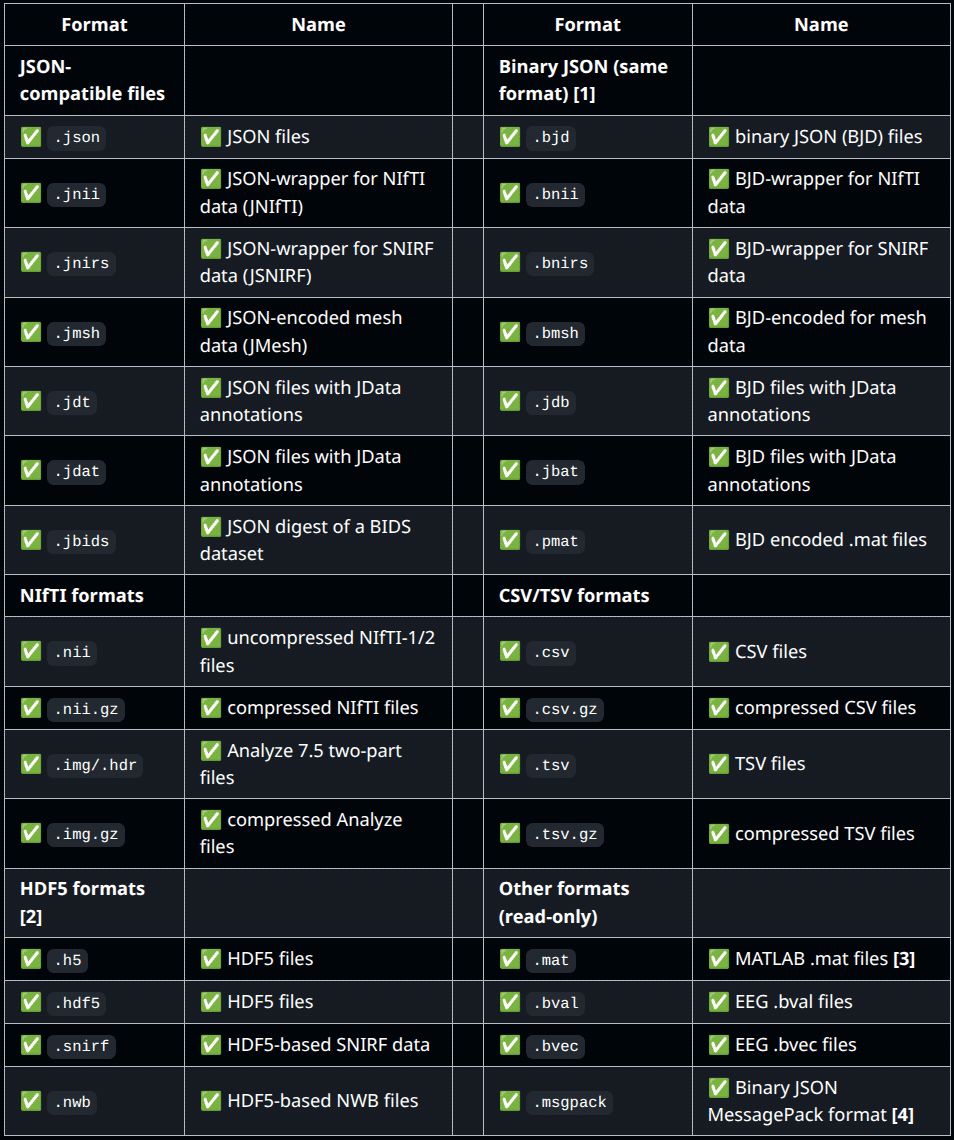
3.Diverse data formats do harm to #openscience and #opendata
4. Small is beautiful
5. Metadata is your data
https://t.co/LYHfwUl6Pb
check out #jdict, a @MATLAB and @GnuOctave dictionary class that behaves more similarly to #Python's #dict and #xarray objects
it can daisy-chain key/subkeys like Python's dict, and can set attributes such as dims like xarray
just add this single unit:
https://t.co/KLDZWdVCsx
@elonmusk it feels pretty sad
so many AI companies were made insanely rich by taking Wikipedia materials as if those came out of thin air
yet, not a single one of those is willing to stand out and fund Wikipedia for good - it still have to survive by begging for donations
what an irony
@kunalbht@AMDRyzen@nvidia@AMD@intel the cluster was not configured to run large jobs to utilize all nodes together. in fact, some of the nodes were allocated for running project-critical websites, databases, LDAP, and storage for various NIH projects, not sure what type of benchmark you have in mind
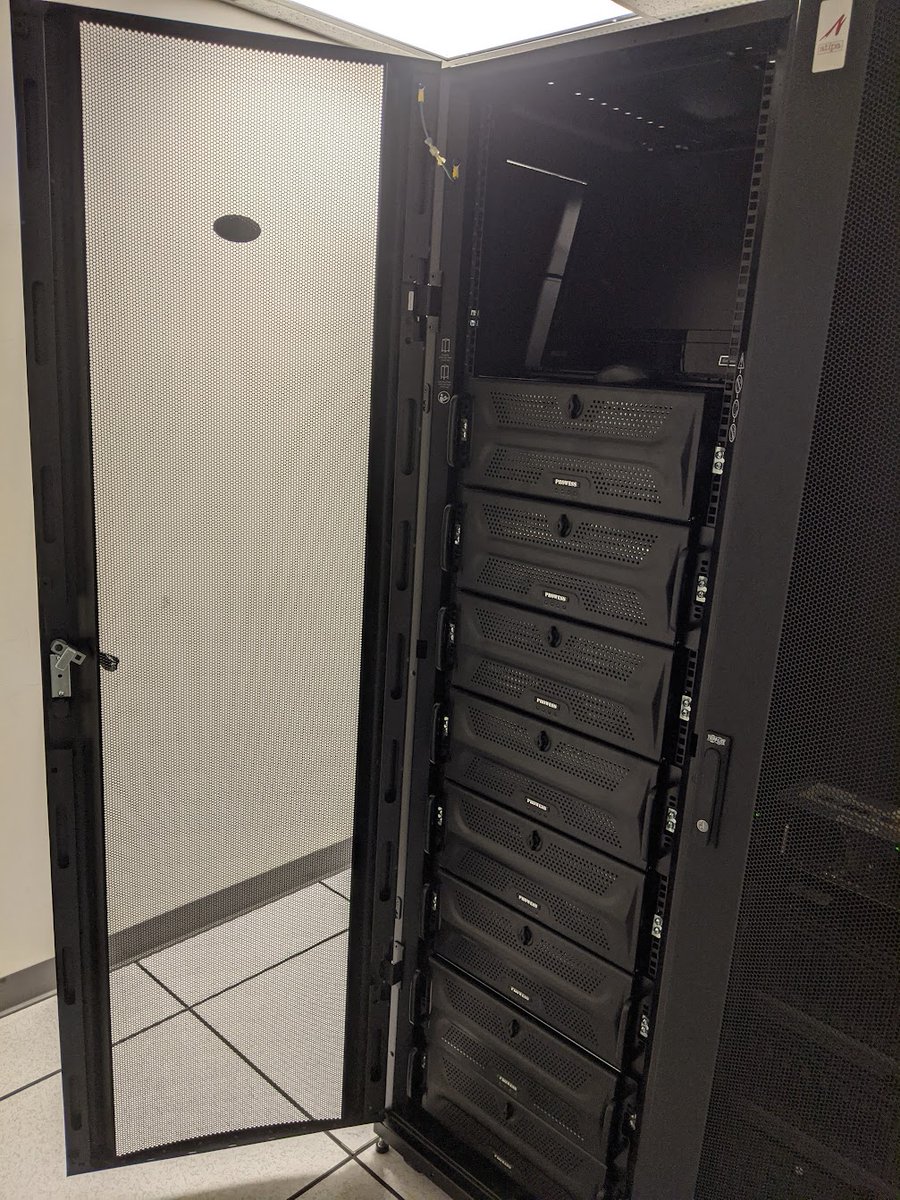
Despite long delays, our rack system is finally up and running! substantially boosting the computing capabilities of my lab.
8x 4U @AMDRyzen 64-core Threadripper, with @NVIDIA, @AMD and @Intel GPUs
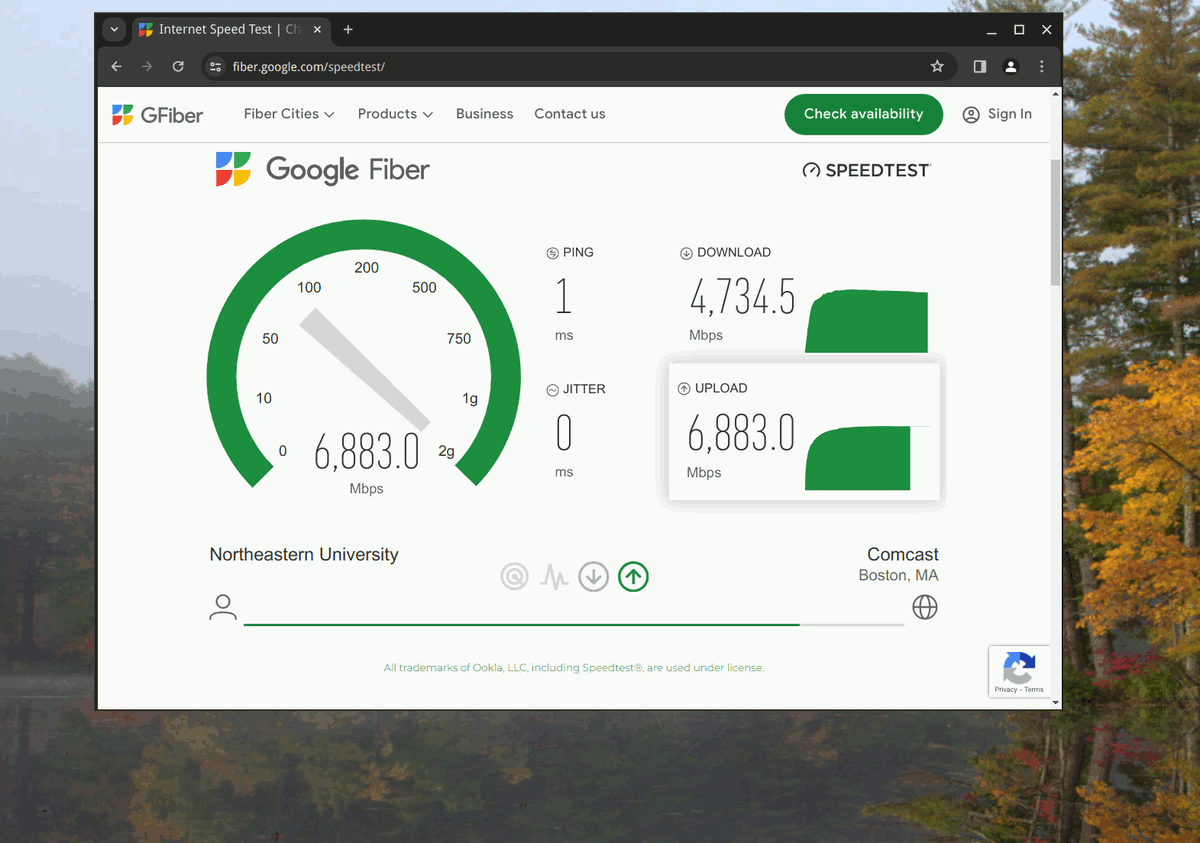
20 GBE fiber uplink, more resources to share with the community!
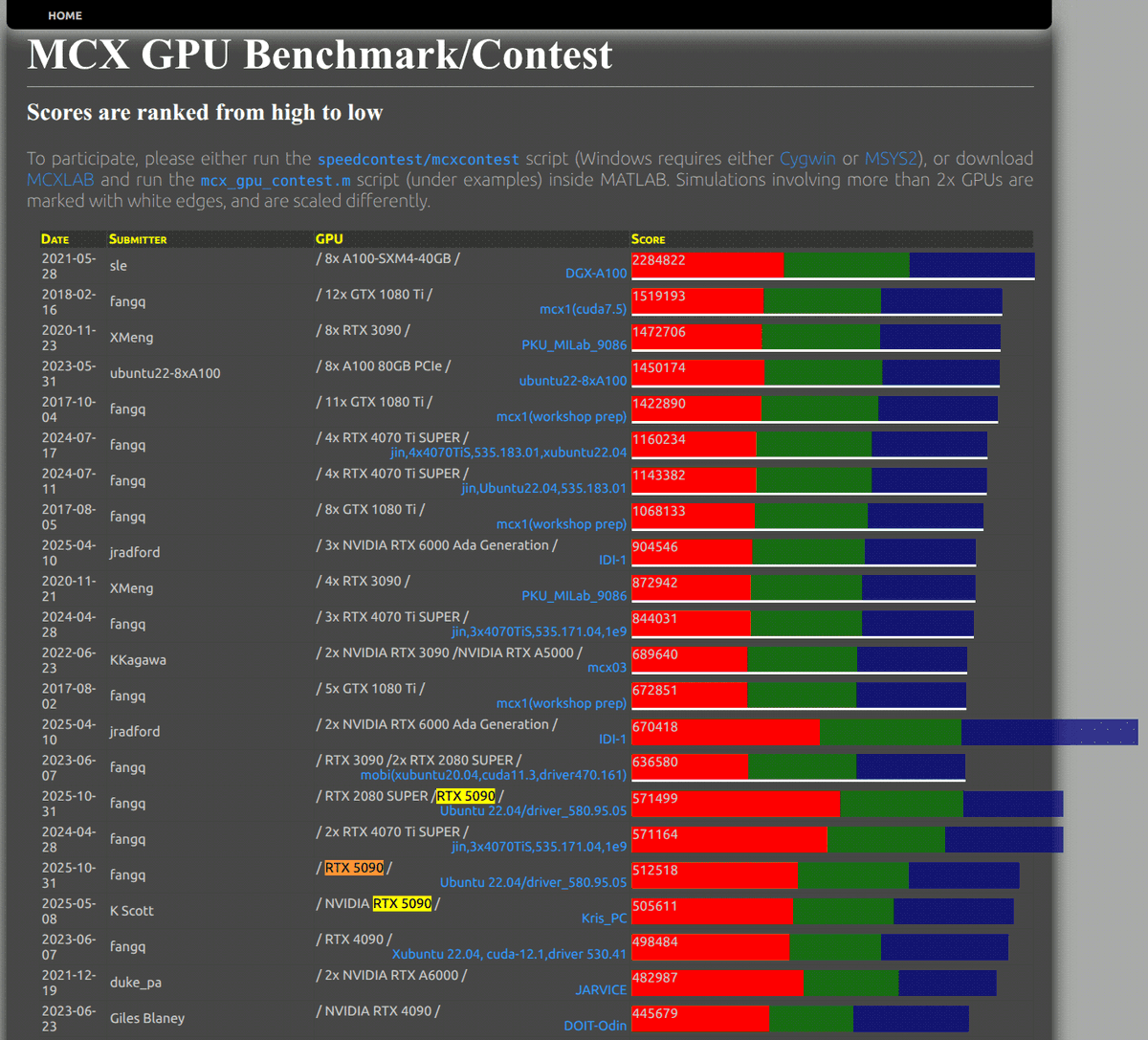
@kunalbht@AMDRyzen@nvidia@AMD@intel The main use is the testing, benchmark, and some light workload for GPU based photon simulations using my mcx/mmc solvers (https://t.co/8MWARAFG7i). it hosts GPUs across vendors and generations
We also run FEM-based image recon (https://t.co/fr7Mf8b2zv) for optical tomography
@kunalbht@AMDRyzen@nvidia@AMD@intel hi @knualbht, my rack system was ordered in early 2020. The system has 10x 4U nodes, each with a 3990X Threadripper processor, 256 GB memory, 1600W PSU, no GPU (add separately).
it costed ~$8000/node. Then add rack ($1600), PDU(2x$1000), 10GBE switch ($700)
total <$100k
checkout the newly released #MCX v2025.10, bringing international language support (MCX/#MCXStudio), faster simulations (MCX-CL/MMC), critical bug fixes (MMC) and across-the-board Python support (#pmcx/pmcxcl/pmmc) to our global user community
Download at
https://t.co/9RkpTCTRdY
@tetsuoai the high likelihood of destroying this very planet before we have the (technical and moral) ability to build a better one like those imagined ...
@SecurityTrybe You can only manage your own fate after fully embracing Linux.
Whenever I spend more than a few hours on Windows or Mac, I feel suffocated 😟
they feel like "digital prisons" - locking you in, and pushing company's other products down your throat.
checkout our new preprint
https://t.co/ey3VavsM74
NeuroNavigatAR (NNAR) is an augmented reality (AR) tool that displays head 10-20 landmarks in real time using a simple webcam
NNAR is open-source, download it from
https://t.co/2huuZdpUjw
@DanielW_Kiwi because they are not writing codes!
this is an algorithm and it is generalizable, and applicable to any programming language, now or future.
also check out the new https://t.co/hleSEc2Qda data browser
#pip install --upgrade jdata
import jdata as jd
jd.neuroj('gui')
this shows a simple window, letting you listing all databases, datasets, and all JSON-encoded data records, including 1000+ datasets from #OpenNeuro
if you use #nibabel for processing #BIDS data, check out our newly added alternative NIfTI-1/2 nii/nii.gz file reader/writer in #iso2mesh v0.5.1
python3 -m pip install iso2mesh
iso2mesh.loadnifti() is lightweight, self-contained & fast, 1.4x faster than nib.load in benchmarks
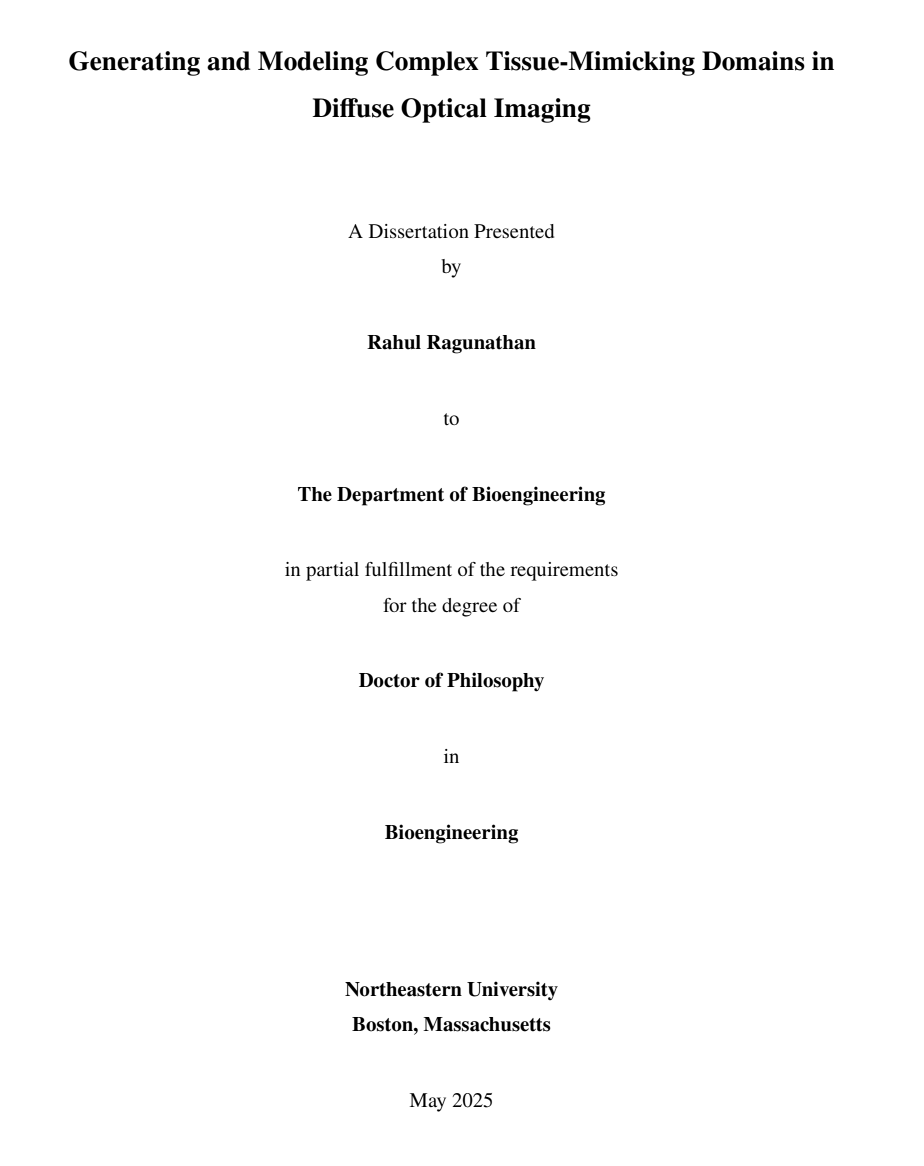
A special occasion and lab dinner for celebrating the 5th PhD graduating from my lab, Rahul Ragunathan, for successfully submitting his final dissertation
Rahul is the most hardworking student I've ever worked with. Whenever I stop by the lab, he is there, even on the weekends.
@yongyuanxi two questions:
- the figshare link contains only sliced gcode files. do you also share the STL surface models?
- what is the license for the shared datasets?
Love diffuse optical imaging and support open source science? Special Section "fNIRS Commons: Datasets and Tools for Open, Reproducible Science" is for you! Edited by @FangQ, Meryem Yucel, @avolu_neurotech, Adam Eggebrecht
https://t.co/BlaqnVMDHK
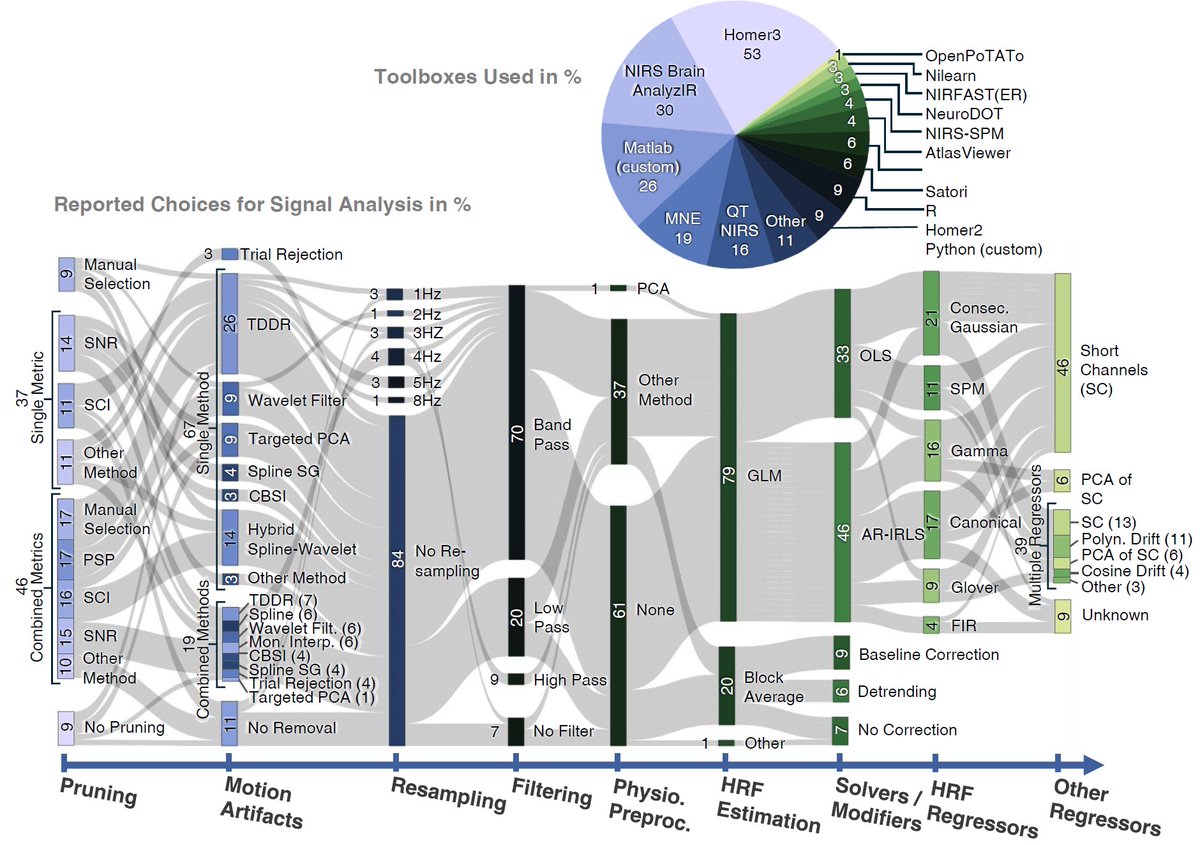
🚨 The #FRESHstudy is published in @NatureComms Biology!
🧠 38 int. #fNIRS teams analyzed the same dataset.
🔍 No 2 pipelines alike
🤝 80% group-level agreement
⚠️ Big variability at individual level
📈 #Reproducibility linked to experience + SNR
📖 Read: https://t.co/T2QWwSYgNn