Welcome to our platform!
Our aim is to harness the power of Sustainable Agriculture to transform African economy!
Let's join hands for a Hunger-Free Society!
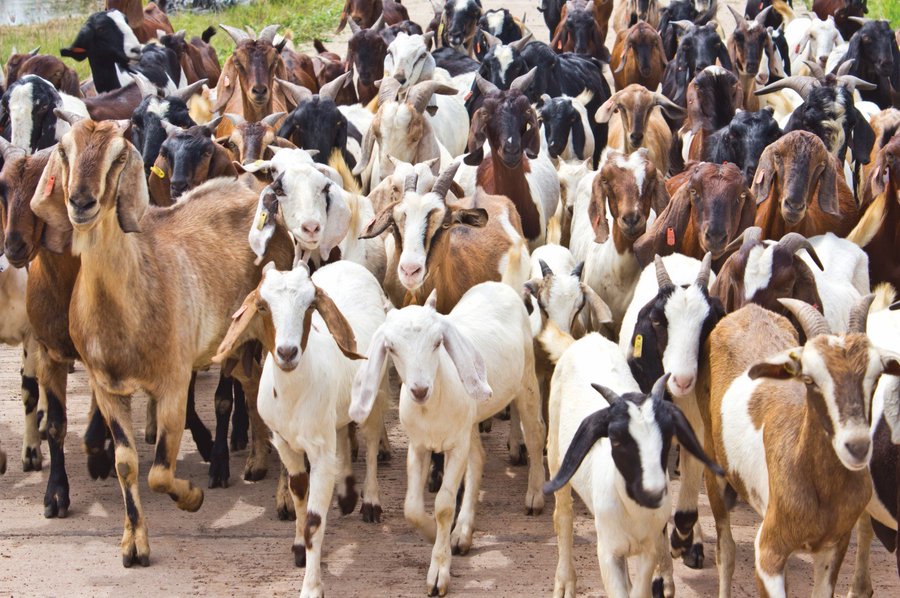
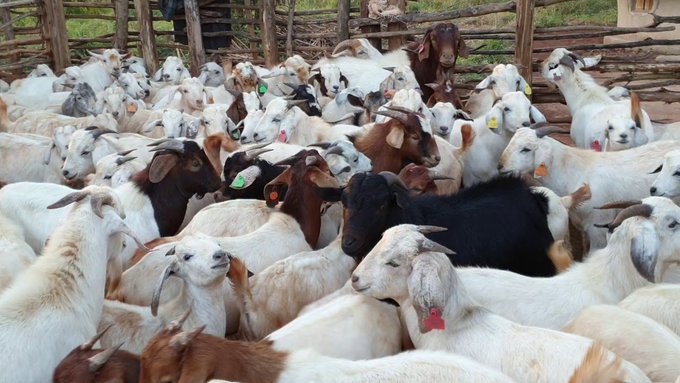
🐐 Thinking of Starting Goat Farming? Read This Before You Begin!
Goat farming is one of Africa’s most promising agribusiness opportunities. It requires relatively low startup capital, adapts well to rural and peri-urban areas, and yields high returns when managed right.
But here's the truth: Many people jump into goat farming with excitement and end up frustrated because they lacked the right knowledge.
So before you start or scale, here's everything you need to know — in simple language, practical, and tailored for our African context.
✅ Why Goats?
Goats are multi-purpose animals.
They give meat (chevon), milk, manure, and skins.
Goat meat is lean and highly demanded across Africa.
Goat milk is easier to digest and great for people with lactose issues.
Goats require less feed than cows, reproduce faster, and adapt to harsh environments.
If you're looking for a resilient and profitable livestock business, start with goats.
🧬 Choose the Right Breed for the Right Purpose
Not all goats are the same. Choose a breed based on what you want: meat, milk, or dual-purpose.
🔹 For Meat:
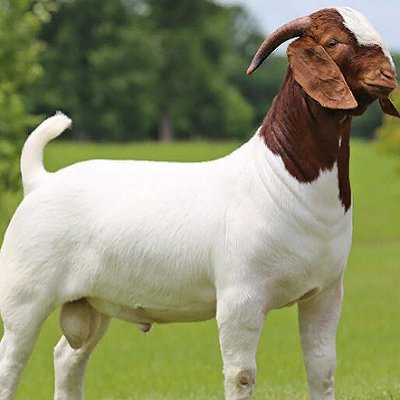
Boer Goat (origin: South Africa)
✅ Fast-growing, up to 100kg weight
✅ Tolerant and well-suited for crossbreeding
✅ High carcass yield
✅ Ideal for commercial meat production
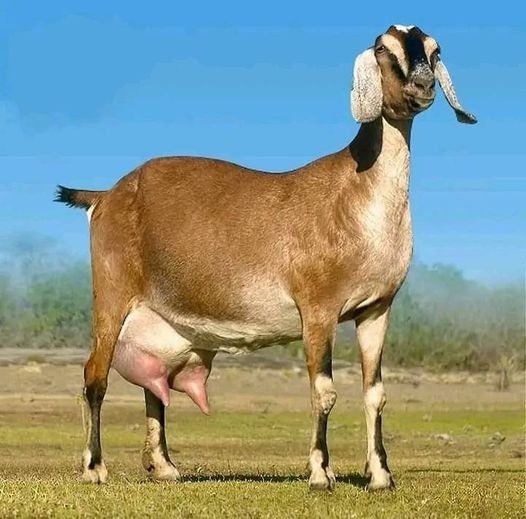
🔹 For Milk:
Saanen Goat (origin: Switzerland)
✅ Can produce 3–4 liters/day
✅ Gentle temperament and adaptable
✅ Great for dairy-focused farms
🔹 Local Breeds (e.g., Small East African Goat, Red Sokoto)
✅ Naturally resistant to local diseases
✅ Low-cost maintenance
✅ Ideal for beginners or low-input systems
👉 Tip: Cross local breeds with improved ones for both productivity and resilience
🏠 Housing: Don’t Keep Your Goats on the Ground!
Poor housing is one of the top reasons goats die young.
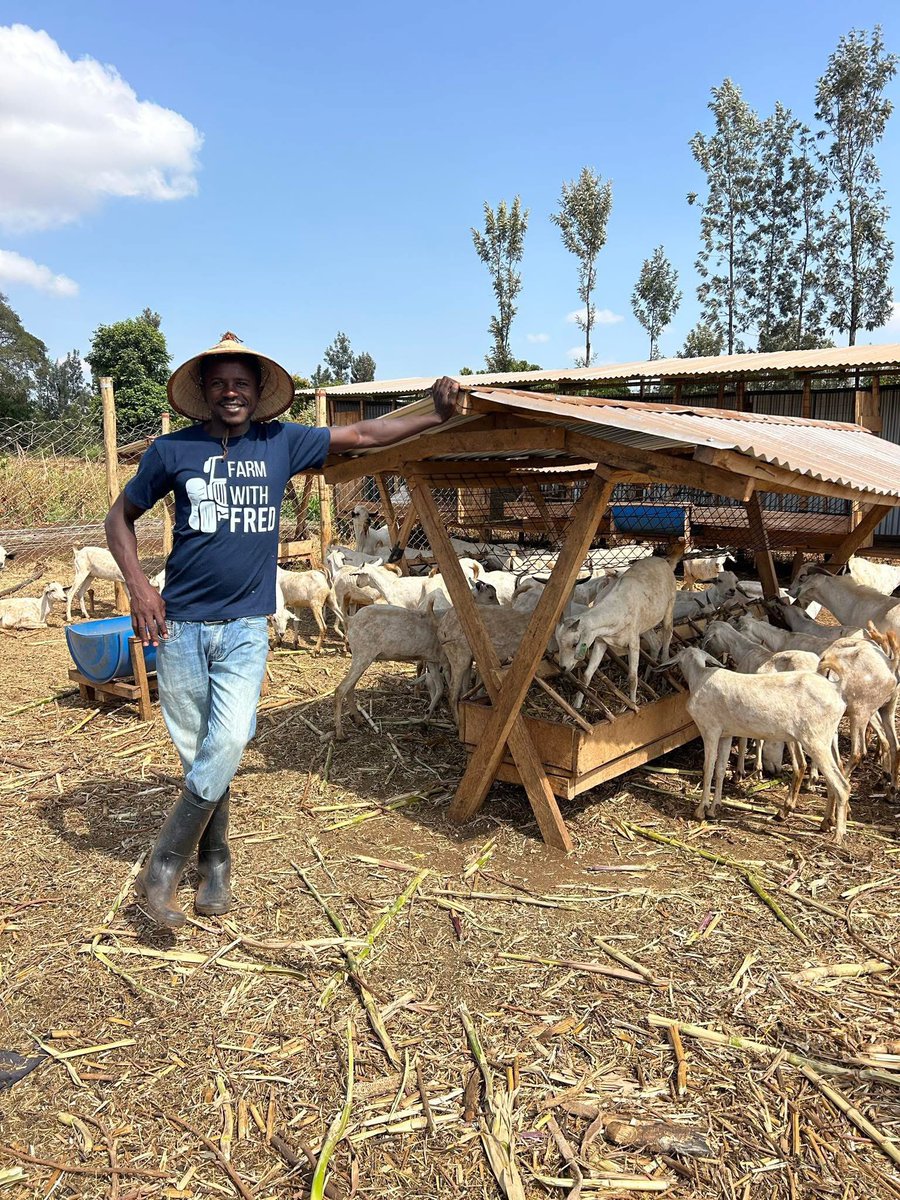
Build raised pens (off the ground) to avoid moisture, worms, and foot problems.
Ensure ventilation, shade, and protection from rain and wind.
Always clean droppings daily and disinfect regularly.
🍼 Breeding & Reproduction: Fast Multiplication = Fast Profits
Goats are fast breeders, but only under good care.
First mating age: 7–9 months
Gestation: 5 months
Can give birth twice a year, often with 2–3 kids per birth
Heat returns 2 months after kidding
Keep records of breeding dates and buck performance
👉 Note: Avoid inbreeding. Rotate bucks or buy from outside every few years.
💊 Common Goat Diseases in Africa (Know These!)
Sick goats = lost money.
Here are 5 common diseases to watch out for:
1. Coccidiosis – diarrhea in kids, causes stunted growth
2. Foot and Mouth Disease (FMD) – blisters, lameness
3. PPR (Goat plague) – high fever, nasal discharge, high mortality
4. Bottle Jaw – sign of severe worm infestation
5. Pneumonia – cough, nasal discharge, fever
💡 Prevention Tips:
Vaccinate and deworm regularly (every 3 months)
Quarantine new or sick goats
Provide clean water, dry bedding, and good ventilation
🌱 Feeding: No Feed, No Gain!
Feeding is the heart of your goat business.
Feed them dry grass/hay, avoid wet pasture (causes bloating)
Supplement with concentrates like rice bran, maize bran, or formulated pellets
Introduce fodder trees like Calliandra, Leucaena
Give goats clean drinking water daily — dehydration reduces productivity
🔁 Rotate pastures to avoid parasite build-up.
📒 Record Keeping: You Can’t Improve What You Don’t Track!
Smart goat farmers keep simple records. Track:
Number of goats
Births & breeding
Feed expenses
Health (vaccination, illness, treatment)
Sales and income
📈 These records help you know if you’re making profit or just feeding losses.
(1/2)👇🏽 👇🏽 👇🏽 👇🏽 👇🏽
It’s been a while since I shared an update here, but this one matters.
I recently started a new role as Local Director of IAAS Morocco - UM6P Committee within the International Association of Students in Agricultural and Related Sciences, @IAAS_World.
For the next one year, I’ll be working alongside a team of passionate young leaders to strengthen how students engage with agriculture, not just as a field of study, but as a space for leadership, innovation, and real-world impact.
Because here is something I strongly believe:
The future of food systems will be shaped by young people who choose to engage, not just observe.
This role is an opportunity to do exactly that.
To build. To connect. To challenge ideas. And to grow together.
It also comes with big responsibility.
Building on the foundation set by the previous board led by Kawtar Kettani, and contributing to a stronger, more connected IAAS community, within @UM6P_officiel - University Mohammed VI Polytechnic, across Morocco, and internationally.
An exciting highlight ahead: IAAS Morocco will host the International Conference for Youth in Agriculture (ICYA) this August, a powerful moment to connect with young agricultural leaders from around the world.
To everyone in Morocco, students, young professionals, and anyone curious about the future of agriculture and food systems: this space is for you.
Let’s connect. Let’s grow. Let’s build something meaningful in agrifood systems.
#UM6P #IAAS #YouthInAgriculture #FoodSystems #Morocco
💭 “Farming is a business.
So why are so many farmers not thinking like CEOs?”
Let’s be honest…
Planting without a market is not farming.
It’s gambling.
Working hard without tracking costs?
That’s not dedication.
That’s blind effort.
Harvesting without a sales strategy?
That’s not productivity.
That’s luck.
👉 A CEO doesn’t “hope” for profit.
👉 A CEO designs for profit.
Yet in agriculture, we still celebrate yields…
and ignore income.
We measure bags per hectare —
but forget dollars per season.
And that’s where many are losing the game.
Because you can have a good harvest…
and still run a bad business.
So here’s the uncomfortable question:
Are you farming… or are you running an enterprise?
If you’re not:
📊 tracking your numbers
📈 studying your market
🤝 planning your sales
💰 calculating your margins
Then you’re not thinking like a CEO yet.
And until that shift happens…
profits will remain accidental.
Think differently.
Act strategically.
Farm like a business.
#LearnGrowFarm #AgriBusiness #FarmLikeACEO #SmartFarming #PacifiqueDeCultivator
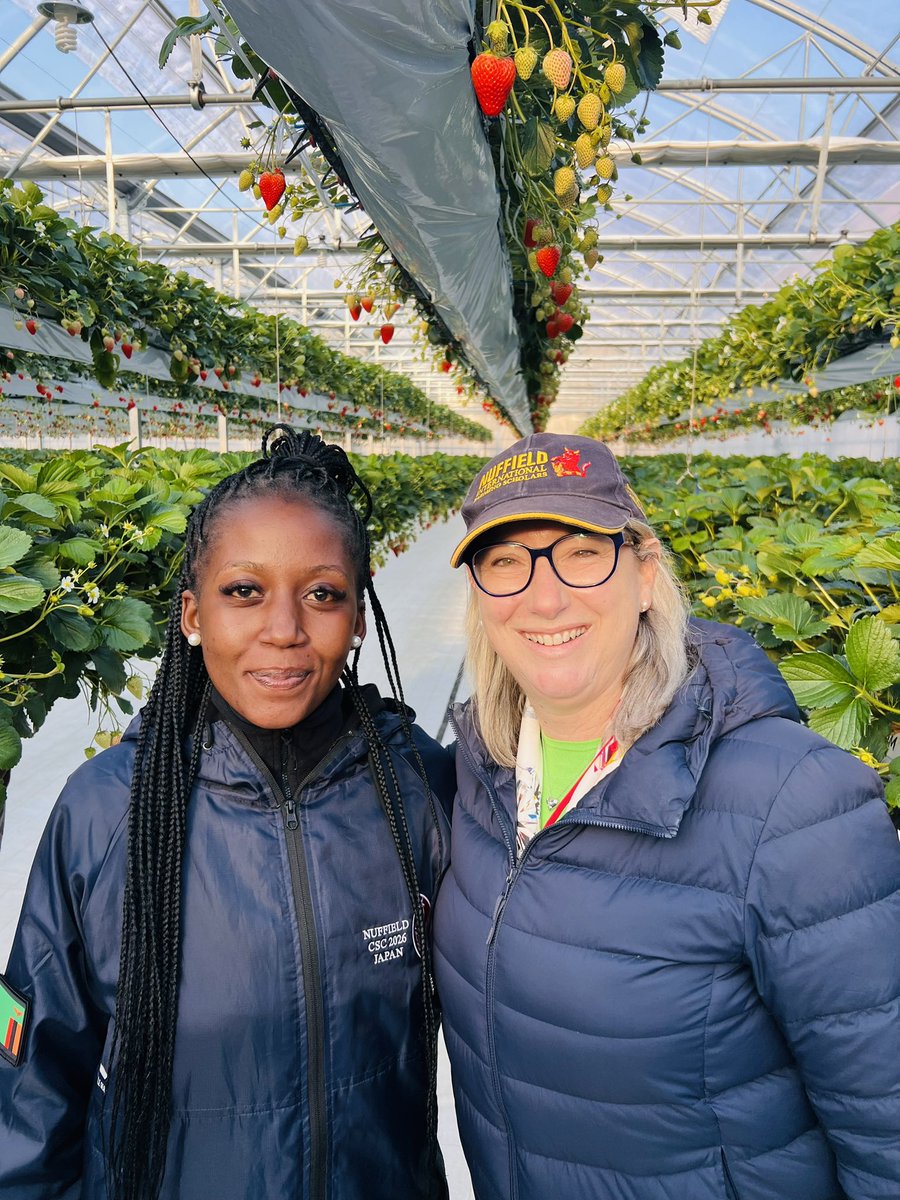
My Nuffield Journey would be incomplete without acknowledging Jodie Redcliffe CEO of Nuffield International, for her inspiring leadership and commitment to inclusion. What stands out most is her belief in global representation, especially her support for voices from Africa, including Zambia she's fought hard that Scholars from developing countries have the right support and access to Nuffield Farming Scholarships Trust . Before CSC she encouraged us to attend the Pre CSC which was an incredible experience one I’ll never forget. Her openness to diverse perspectives created meaningful opportunities for our experience in Japan. We got to learn so much about the culture , through agriculture and farming. She made the entire experience worth it .
Jodie I am forever grateful for the belief you have in me and ensuring that this opportunity becomes a reality for me. Your leadership is worth emulating and inspiring .
I can’t wait to see what more gifts the Nuffield family and journey continues to bring on my path .
Start small.
Start smart.
Stay consistent.
Sounds simple.
But this is the formula most young people ignore in agribusiness.
We think we need:
Big land.
Big capital.
Big equipment.
Big connections.
So we wait.
But what if the real requirement is smaller than we think?
Start small.
One greenhouse corner.
Ten chickens.
Fifty rabbits.
A small vegetable plot.
A simple aggregation hustle.
Small reduces risk.
Small teaches faster.
Small exposes your real gaps — practically, not theoretically.
The goal is not to look big.
The goal is to learn deeply.
Start smart.
Don’t just produce.
Study the market first.
Who will buy?
At what price?
In what quantity?
At what season?
Agribusiness is not farming for survival.
It is farming for systems and margins.
Limited resources demand sharper thinking.
Not bigger loans.
Stay consistent.
This is where most quit.
After the first disease outbreak.
After the first loss.
After the first slow sales week.
But agriculture rewards patience.
You adjust.
You improve.
You try again.
Consistency compounds knowledge.
Knowledge reduces mistakes.
Reduced mistakes improve profit.
So maybe the real question is not:
“Do I have enough money to start?”
But:
“Am I willing to start small enough to learn?”
“Am I disciplined enough to study before planting?”
“Am I patient enough to stay consistent?”
Agribusiness doesn’t demand perfection.
It demands commitment.
Start small.
Start smart.
Stay consistent.
The scale will come later.
#LearnGrowFarm #PacifiqueDeCultivator
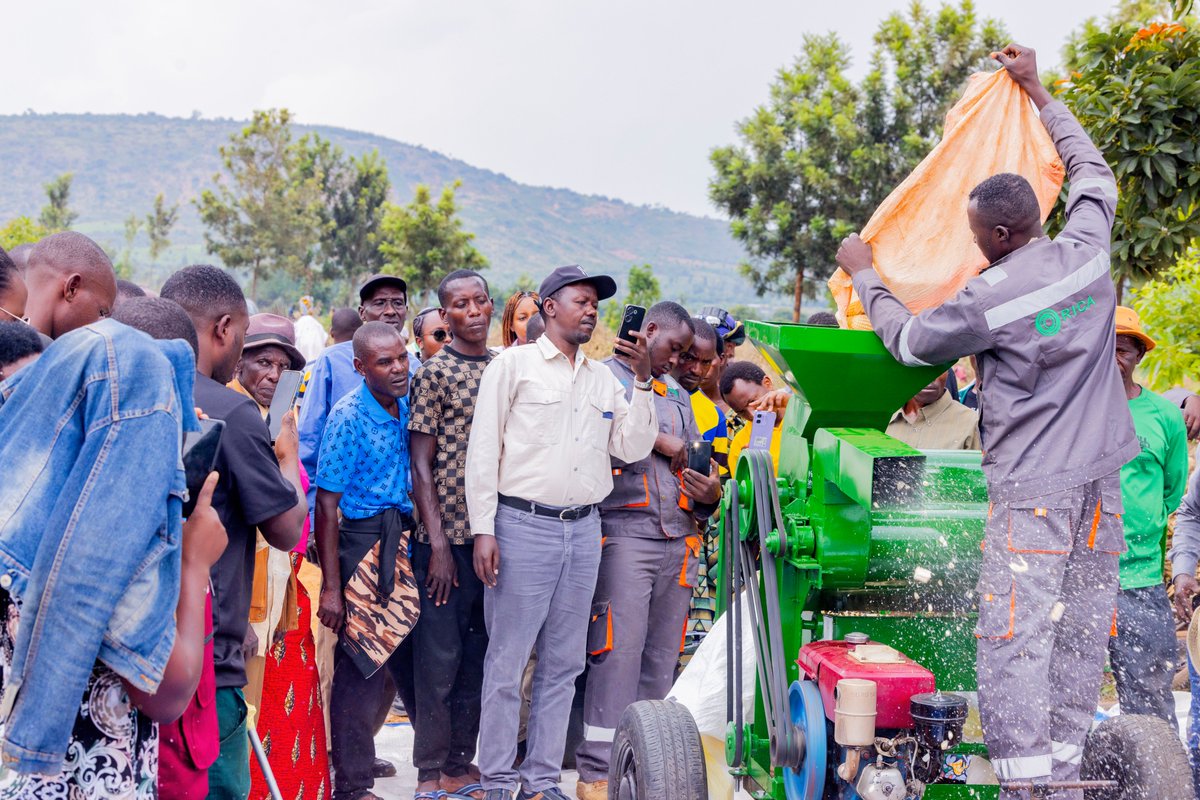
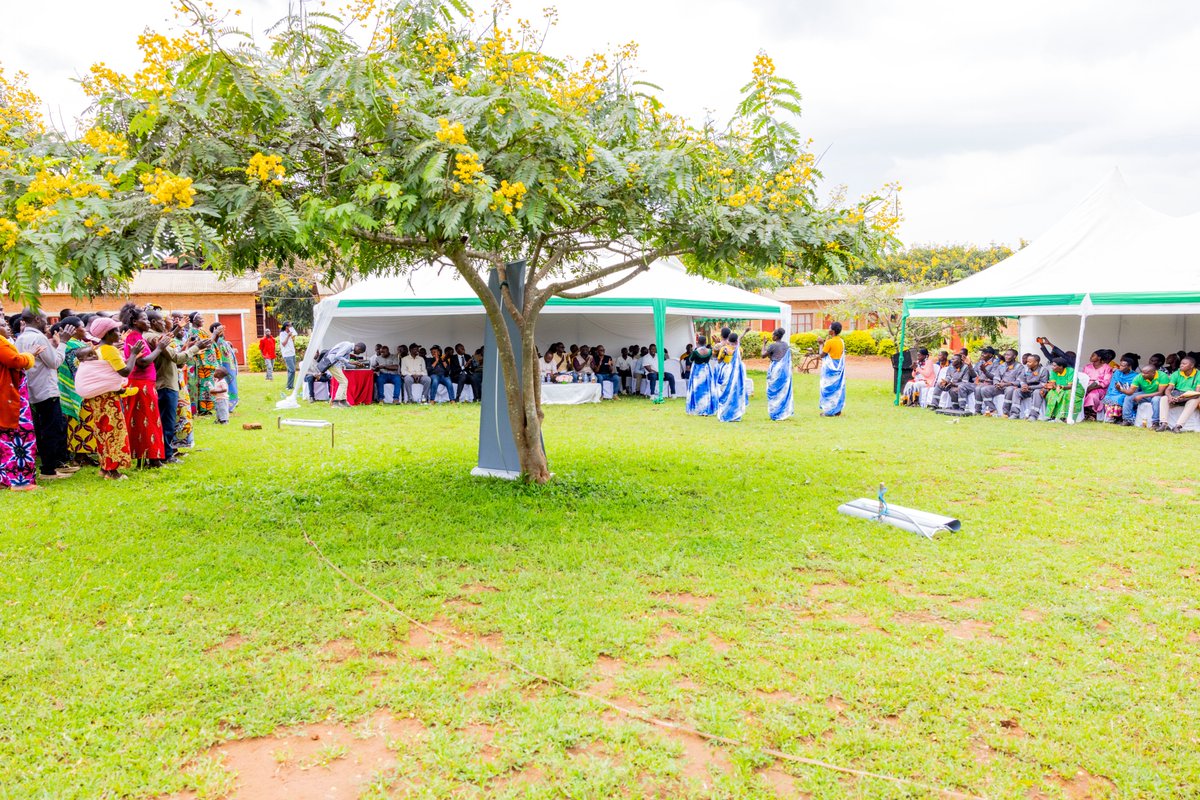
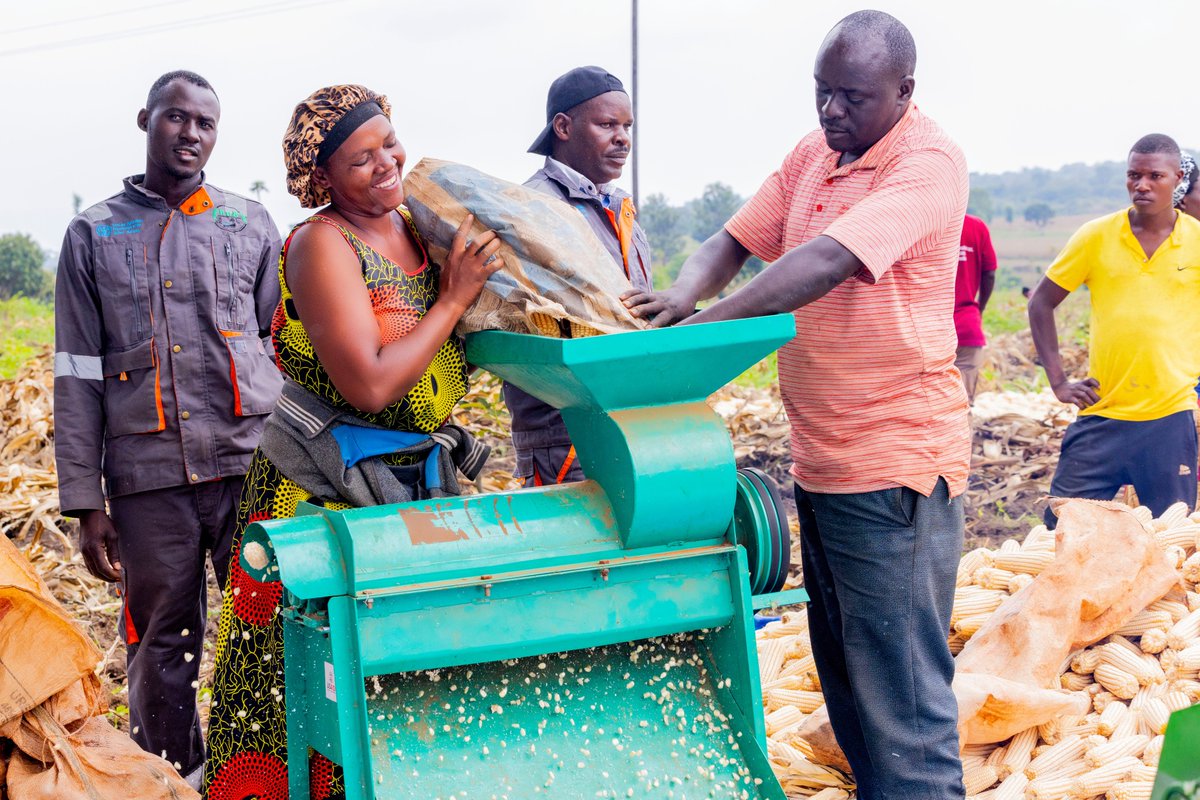
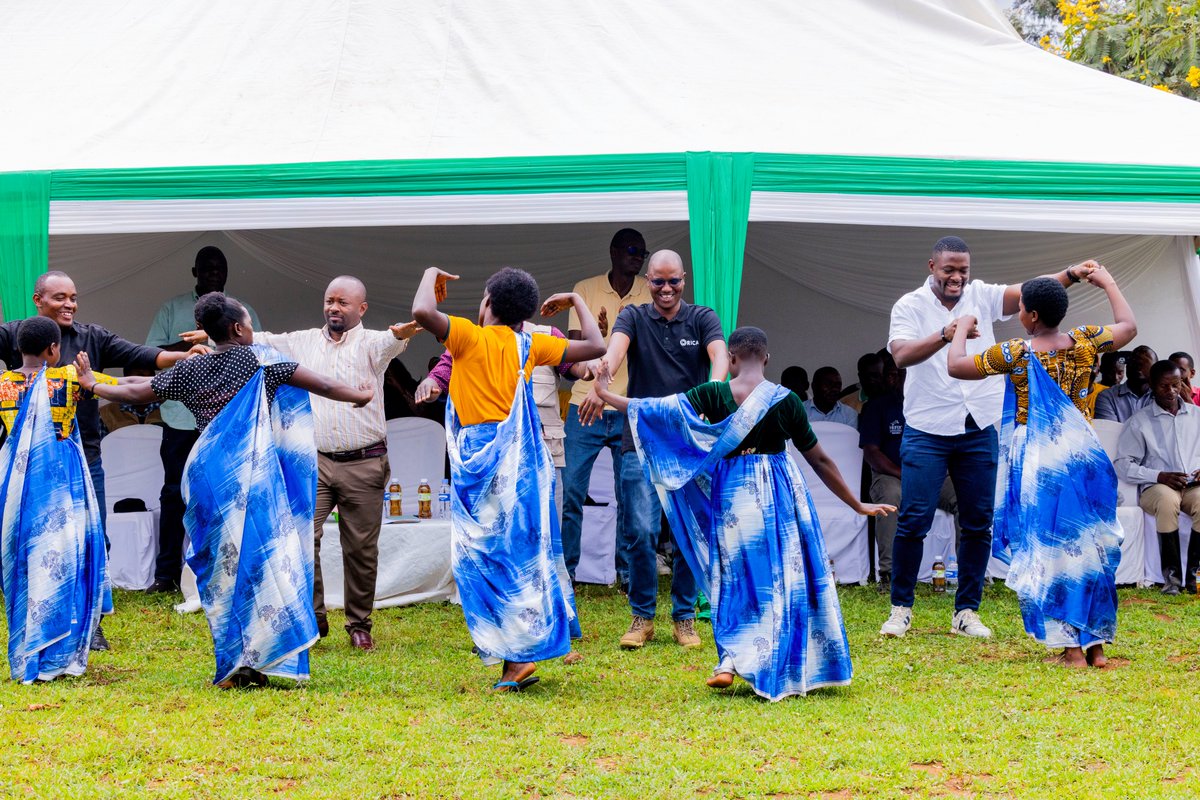
RAB, @RICA_Rwanda and @FAORwanda held mechanization day in @KireheDistrict , Mpanga sector aiming to raise awareness and promote sustainable agricultural mechanization through exhibitions and demonstrations.