@DGodfatherMoody Remember that race where fuel mileage was crucial, and Leonard and Glenn Wood's clever fuel strategy won? They added an extra lap or two between each gas stop compared to others. As the final laps approached, everyone else was pitting except the Wood Brothers' #21 Ford. The driver was Tiny Lund, and it took place winning the 1963 Daytona 500, making one fewer stop than their competitors. Fuel mileage racing isn't a new strategy.
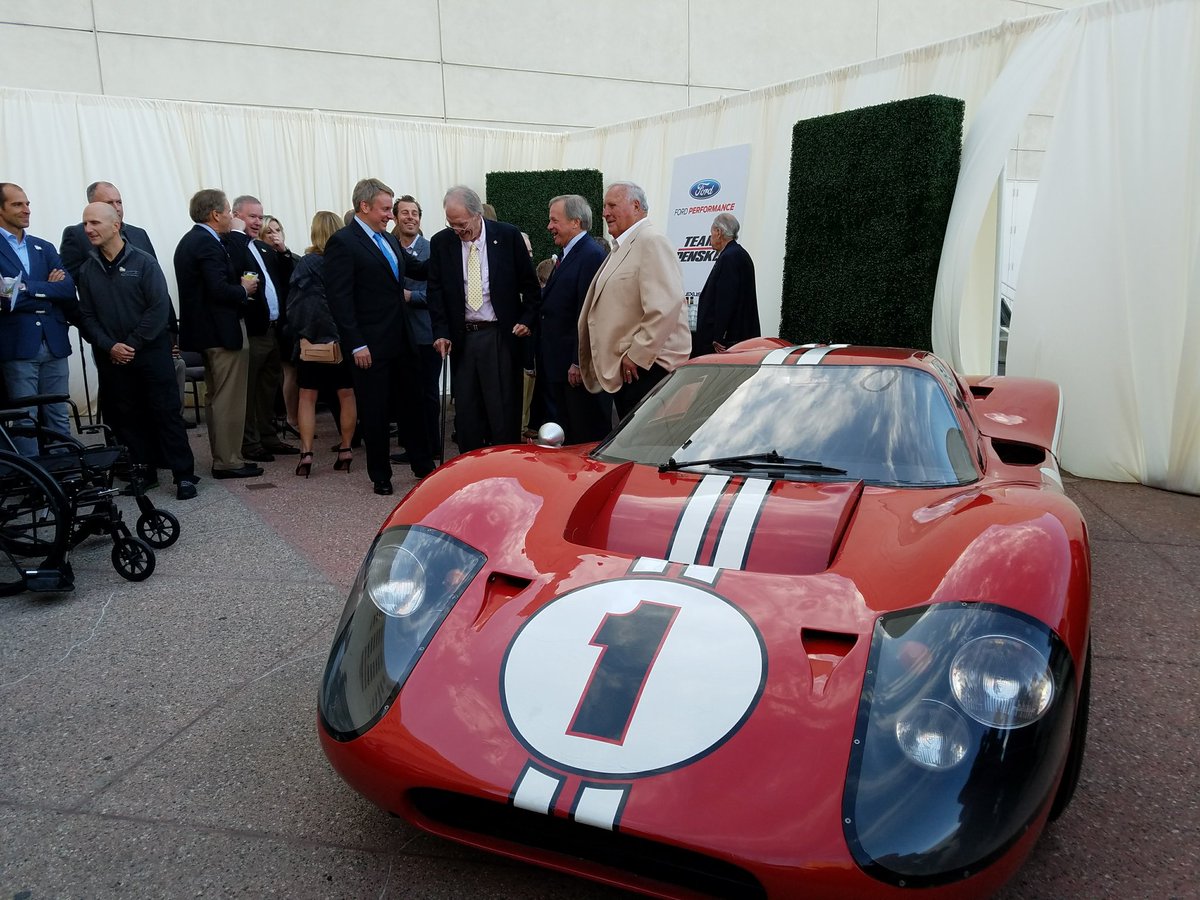
In a four week stretch of summer of 1967, Dan Gurney started on the front row of the Indy 500, won the 24 Hours of Le Mans with AJ Foyt (and also invented the champagne spray) and then won the Belgian Grand Prix in an F1 car he designed. Let that sink in...
@jeff_gluck@NASCARInsights From Sept. 6, 1971, to Oct. 8, 1972, Bobby Allison led at least one lap in 39 consecutive NASCAR Cup races. In the 1972 season, Bobby led every Cup race except the final race of the season at Texas World Speedway.
@nascarman_rr@DaleJr Working on SpeedWeek during those days was unbelievably great. Every week, a superstar walked on that set, and so many folks who worked on that show made a lasting impression on motorsports.
@racermacRTP1@ckyriazis2006@ChasKrall ABC was in Atlanta for the cup race, but there was no Saturday coverage planned. A few cameras covered the Busch race for highlights for use on ESPN SpeedWeek. There was an interview shot with Jeff that was also used on SpeedWeek.
@ckyriazis2006@ChasKrall We searched our archives and only found field or ENG tapes of the Nashville Truck race. Sorry to mislead. It shows up in our listings and did show as broadcast, but upon further review was not found.
@nascarman_rr@TommyKendall11 Marshall Teague was such an important figure in NASCARs
early history. I interviewed Frank Mundy in 1997 and he told me the story about the rental car. He was another great character.
@JMorrisTV Thank you for your time and effort! The sport and its fans miss your talents. I hope your career brings you back this way; we owe you a debt of gratitude.