A school can look effortless from the outside because so many people are working behind the scenes to keep it that way.
Someone opens the building early. Someone answers the phone when a family needs help. Someone notices the spill before anyone slips, finds the missing form, gets lunch ready, solves the schedule problem, or makes sure a student gets where they need to go.
A lot of that work happens without an audience.
But schools don’t run on visible roles alone. They run because people throughout the building keep noticing what needs to be done and quietly take care of it.
12 Small Things That Can Make a Big Difference in Your Mental Health
***Which will you try this week?***
1. Get Enough Sleep
Why it helps: Sleep is when your brain processes emotions, strengthens memory, and resets your stress response. Almost everything feels harder when you’re exhausted.
Try today: Aim for a consistent bedtime and put your phone away 30-60 minutes before sleep.
2. Fuel Your Brain and Body
Why it helps: Your brain needs water and steady nutrition to think clearly and regulate emotions. Hunger and dehydration can make anxiety, irritability, and stress feel much worse.
Try today: Eat three balanced meals, keep a water bottle nearby, and don’t wait until you’re starving to eat.
3. Move Your Body
Why it helps: Exercise releases chemicals that improve mood, reduce stress, and help your brain work more efficiently. You don’t need a gym to benefit.
Try today: Take a 20-minute walk, stretch, dance, or do a few flights of stairs.
4. Spend Time Outside
Why it helps: Fresh air and sunlight can improve mood, support healthy sleep, and help reduce stress. Even a few minutes outside can make a difference.
Try today: Drink your morning coffee outside or take a short walk around the block.
5. Connect With Real People
Why it helps: We are wired for connection. A meaningful conversation often does more for our mental health than another hour scrolling.
Try today: Call a friend, eat lunch with someone, or simply ask a coworker how they’re doing—and really listen.
6. Challenge Unhelpful Thoughts
Why it helps: Our brains often mistake thoughts for facts. Learning to question negative thinking can reduce anxiety and improve resilience.
Try today: When you catch yourself thinking, “I always mess up,” ask, “Is that actually true? What’s the evidence?”
7. Focus on Today and What You Can Control
Why it helps: Worry usually lives in the future. Regret usually lives in the past. Peace is often found in the present.
Try today: Write down one thing you’re worried about, then circle only the parts you can actually influence.
8. Limit Screen Time
Why it helps: Endless scrolling can increase comparison, stress, and information overload while stealing time from activities that genuinely improve well-being.
Try today: Put your phone away during meals or take a one-hour social media break.
9. Learn Something New
Why it helps: Learning keeps your brain growing, builds confidence, and reminds you that you’re capable of change at any age.
Try today: Read a few pages of a book, listen to a podcast, or learn one new skill or fact.
10. Do One Small Thing That Gives You a Sense of Progress
Why it helps: Small wins create momentum. Progress builds motivation more reliably than waiting to feel motivated.
Try today: Make your bed, organize one drawer, send the email you’ve been avoiding, or cross one task off your list.
11. Practice Self-Compassion
Why it helps: The way you talk to yourself matters. Research consistently shows that self-compassion is linked to lower anxiety, less depression, and greater resilience.
Try today: Replace “I should have done more” with, “I did the best I could with the time, energy, and information I had.”
12. Smile, Laugh, Help Someone, or Spend Time on Something You Love
Why it helps: Joy, purpose, kindness, and gratitude are powerful protective factors for mental health. They remind us that life is more than stress and to-do lists.
Try today: Make someone smile, encourage a friend, spend 20 minutes on a hobby, or intentionally find something that makes you laugh.
None of these habits are magic by themselves.
But together?
They can completely change the direction of your days.
You don’t have to be perfect. You don’t have to change everything overnight.
Just try to be 1% better than yesterday.
Those small daily choices become habits. Habits become your lifestyle. And over time, your lifestyle becomes your life.
— Dr. Bryan Pearlman
Therapist | Educator | Author | Speaker
10 Ways To Help Teens Improve Executive Functioning Skills
Executive functioning skills are brain-based skills like planning, organization, focus, emotional control, time management, and task completion. Many teens struggle with these not because they are lazy… but because their brain is still developing and often overloaded by stress, anxiety, pressure, ADHD, trauma, lack of sleep, and constant stimulation.
Here are 10 practical ways to help:
Use visual systems
Many teens do better when they can SEE the plan.
Try whiteboards, sticky notes, reminders, checklists, and color-coded folders.
Break tasks into tiny steps
“Do your project” feels overwhelming.
“Open your laptop and write the title” feels manageable. Small wins build momentum.
Teach “start ugly”
Perfectionism often causes procrastination.
Remind teens that done is better than perfect and starting messy is okay.
Create routines
Routines reduce stress on the brain.
Pack bags the night before, create homework routines, and keep important items in the same place.
Use movement to improve focus
Movement helps wake up the brain and improve attention.
Walk, stretch, shoot hoops, or take movement breaks before homework.
Stop assuming they “don’t care”
Many teens care deeply but feel overwhelmed.
Instead of “What’s wrong with you?” ask “What’s getting in the way?”
Help with time blindness
Some teens struggle to feel time passing.
Use timers, countdowns, music playlists, and reminders about how much time is left.
Normalize asking for help
Using tools, accommodations, tutoring, therapy, or support is not weakness.
Strong people use supports.
Focus on progress, not punishment
Celebrate effort, growth, and small improvements.
Shame rarely improves executive functioning.
Protect sleep
An exhausted brain struggles with focus, memory, emotional control, and motivation.
Sleep is brain fuel.
Teens do well when they can. Sometimes they simply need different tools, structure, support, and understanding.
#ExecutiveFunctioning #ADHD #TeenMentalHealth #ParentingTeens #MentalHealthAwareness #AnxietySupport #TraumaInformed #SchoolCounselor #MaslowBeforeBloom #ParentingTips
#maslowbeforebloom
This is deeply concerning.
Pesticide residue analysis from Thoddoo shows multiple crops exceeding EU safety limits, including banned chemicals like Carbaryl and Diafenthiuron detected in everyday foods like cucumber, papaya, and spinach.
This isn’t just overuse. This is a public health risk.
We need urgent monitoring, accountability, and farmer education before this becomes a crisis.
Global Teacher Shortage Alert:
The United Nations says the world will need 44 million more primary and secondary teachers by 2030.
Fewer people are entering the profession. More are leaving.
Is raising salaries alone enough to fix this…or is the problem deeper?
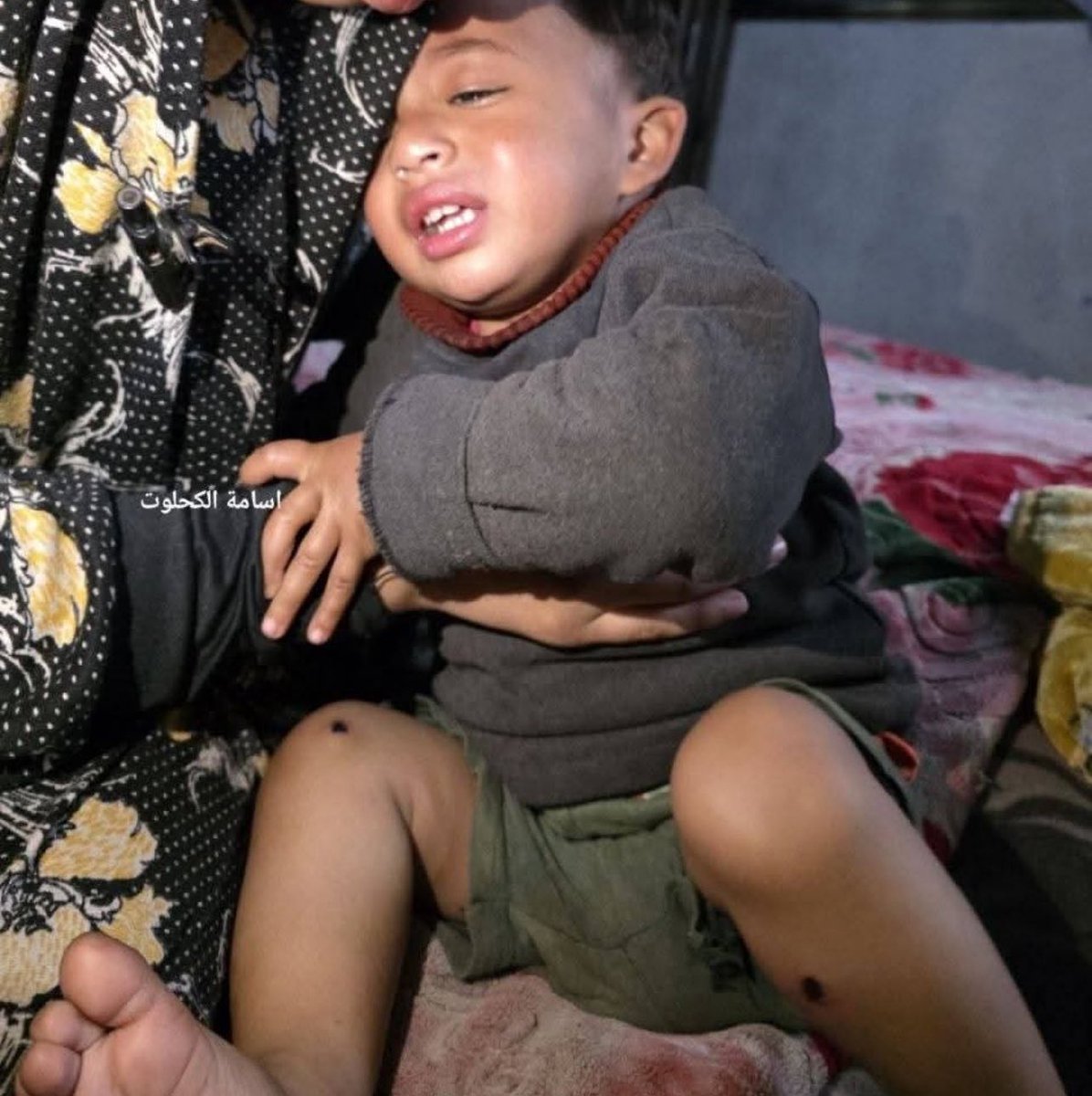
Israel kidnapped and tortured a one-year-old child in front of his father for 10 hours, burning cigarettes and inserting nails into his legs, in an attempt to extract a false confession under duress.
Israel kidnapped and tortured a baby!
35 Must-Read Books for Educators & Parents
1.Lost at School
https://t.co/xhJd25CtQl
3.The Whole-Brain Child
4.The Boy Who Was Raised as a Dog
5.Good Inside
6.Maslow Before Bloom
7.The Deepest Well
8.The Explosive Child
9.Fostering Resilient Learners
10.What Happened to You?
11.Beyond Behaviors
12.No-Drama Discipline
https://t.co/vUv24d8lDp for Billy
14.Changeable
15.The Body Keeps the Score
https://t.co/ZcjIRISqeC but Scattered
17.Raising Human Beings
18.Out of Our Minds
19.Parenting from the Inside Out
20.Driven to Distraction
21.Scattered Minds
22.Mindset
23.The Power of Showing Up
24.Breaking Free of Child Anxiety and OCD
https://t.co/fifqXN81qA Children Succeed
26.Childhood Disrupted
27.Grit
28.The Gift of Failure
29.Whatever It Takes
30.The Yes Brain
31.UnSelfie
32.The Connected Child
33.Better Than Carrots or Sticks
34.The Opposite of Spoiled
35.Hacking School Discipline
Save this for later and share with someone who supports kids.
#MentalHealth #TraumaInformed #Educators #Parents #Teaching #Parenting #SEL #BehaviorSupport #ChildDevelopment #ADHD #Anxiety #Trauma #WholeChild #MaslowBeforeBloom #ClassroomManagement #RestorativePractices #ExecutiveFunction #Education #SpecialEducation #TeacherLife #ParentSupport #SchoolLeadership #Therapist #Counseling #Resilience #KidsNeedConnection
BREAKING:
Israel is dropping white phosphorus on the village of Khiam in South Lebanon.
On homes.
On civilian areas.
This is a war crime.
Not a peep from the international community.
Not a word from the International Criminal Court.
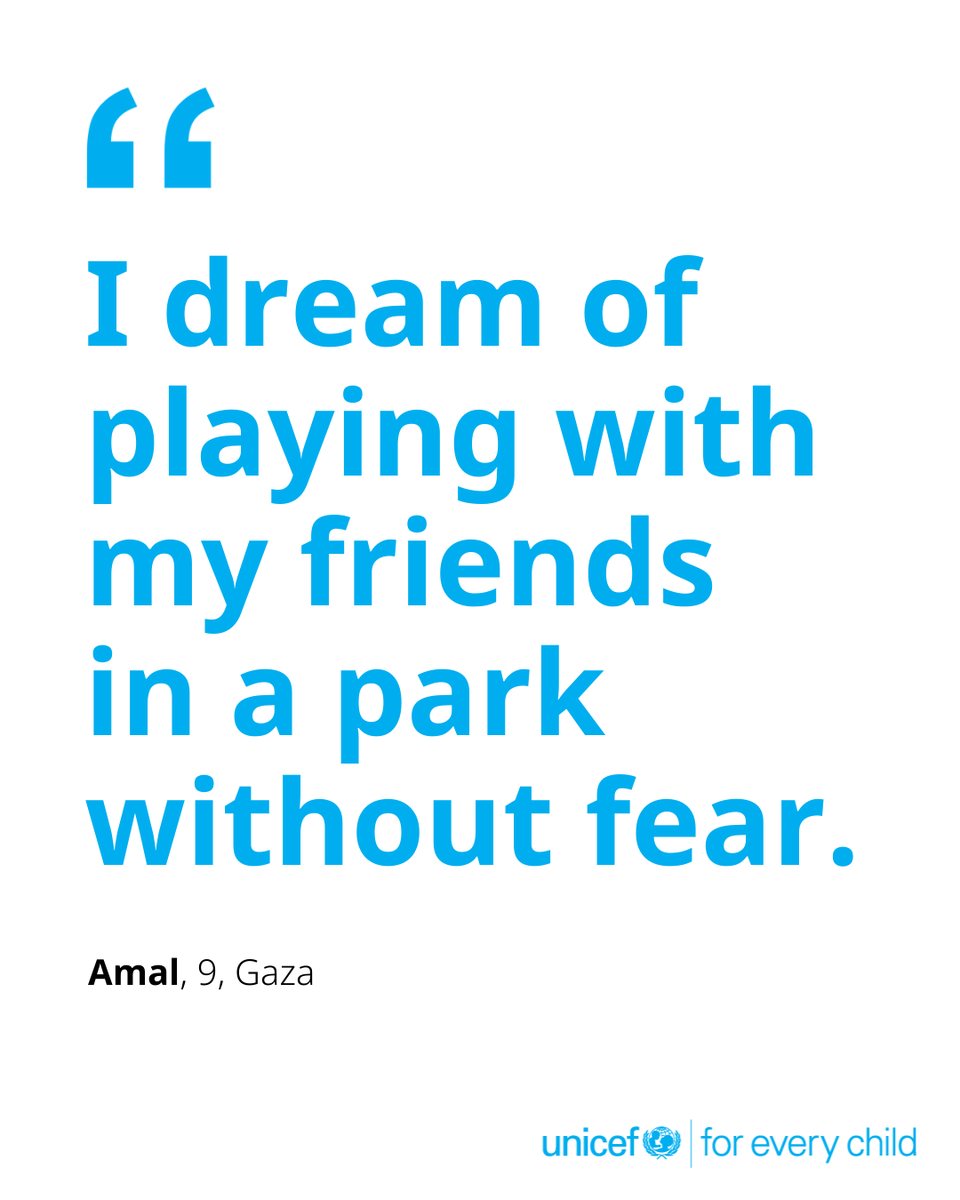
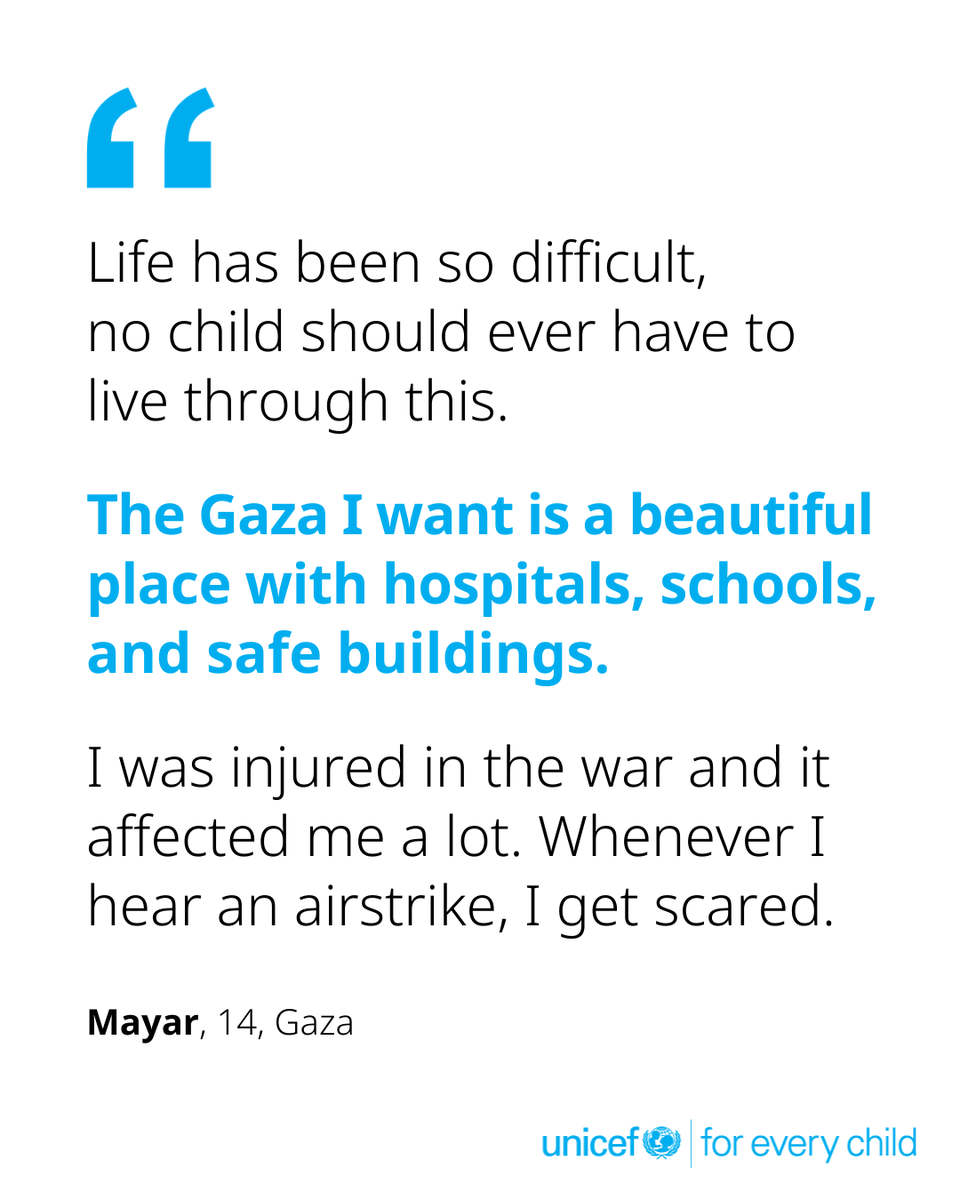
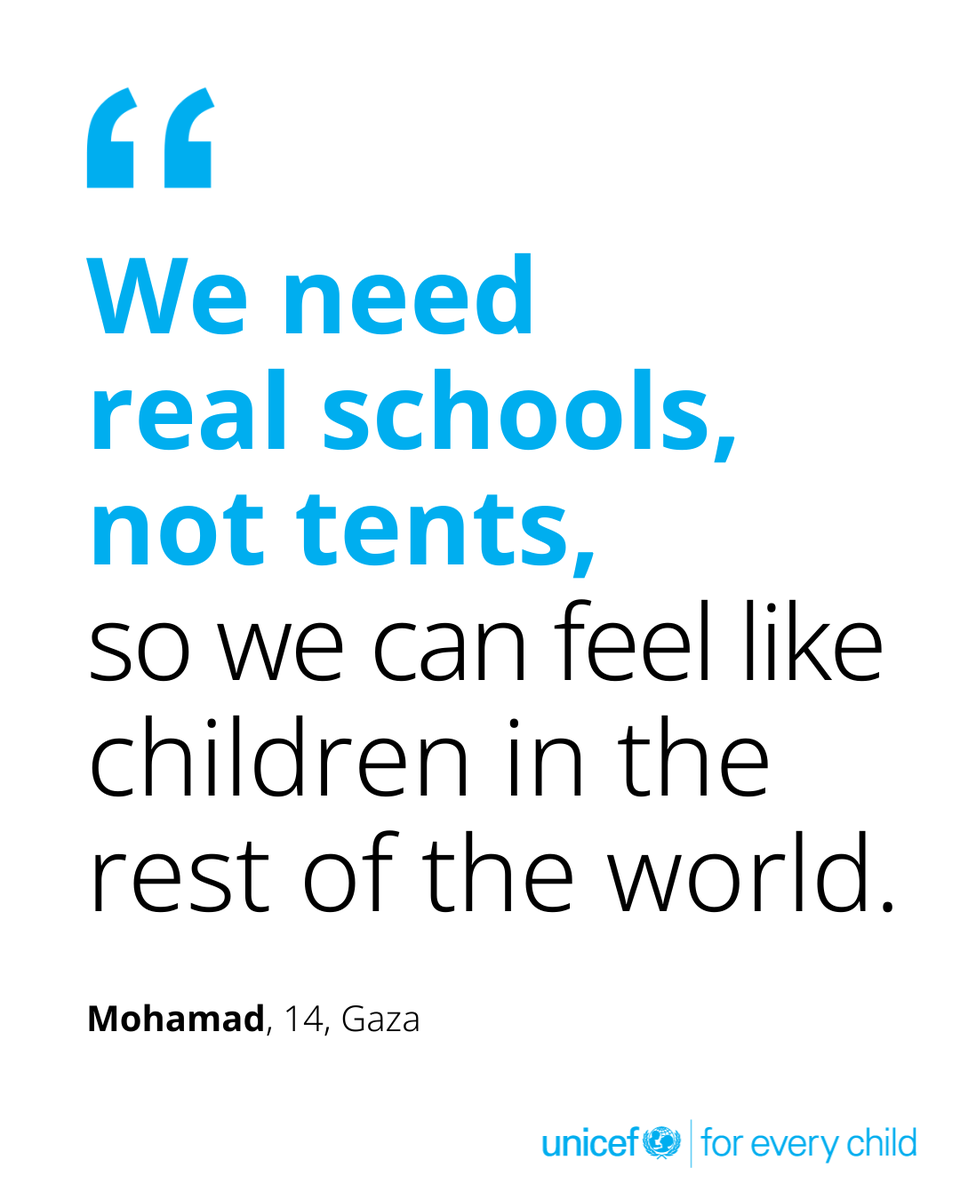
Children in Gaza have endured - and continue to endure - brutal violations of their basic rights: to life, education, and health.
Amid the coverage of the tragic deaths, injuries, losses and suffering, what has been less visible is something else equally important: what they want, in their own voices.
UNICEF and partners engaged over 1600 children in Gaza to understand this. Their answers were clear: safety, shelter, school, play, hospitals.
Listening to children is imperative - the Gaza they want is the Gaza they have the right to grow up in.
UNICEF spokesperson:
“168 girls killed in a school in Iran.
168.
When the killing of children doesn’t dominate the news/politics, something fundamental has shifted.
If a child can be killed and it doesn’t feel like a loss for all of us, then we’ve lost more than we realize.”
CHINA:
"The US is a war addict. Throughout its over 240-year history, it has been at war for all but 16 years.
The US has 800 overseas military bases in over 80 countries and regions.
The US is the main cause of international disorder, global turbulence, and regional instability."
Spain’s Ione Belarra:
“First they went after Palestine-Lebanon-Syria-Yemen, then after Venezuela and Cuba, now once again after Iran.”
“The US and Israel are humanity’s greatest threat.”