Salud Pública impulsa una campaña para acompañar a adolescentes y jóvenes hacia un uso consciente, equilibrado y saludable de las pantallas
@salud_na
🔗https://t.co/UL1XdWPGlB
3ª Jornada de Inmunización del HUN: pasado, presente y futuro de la vacunación
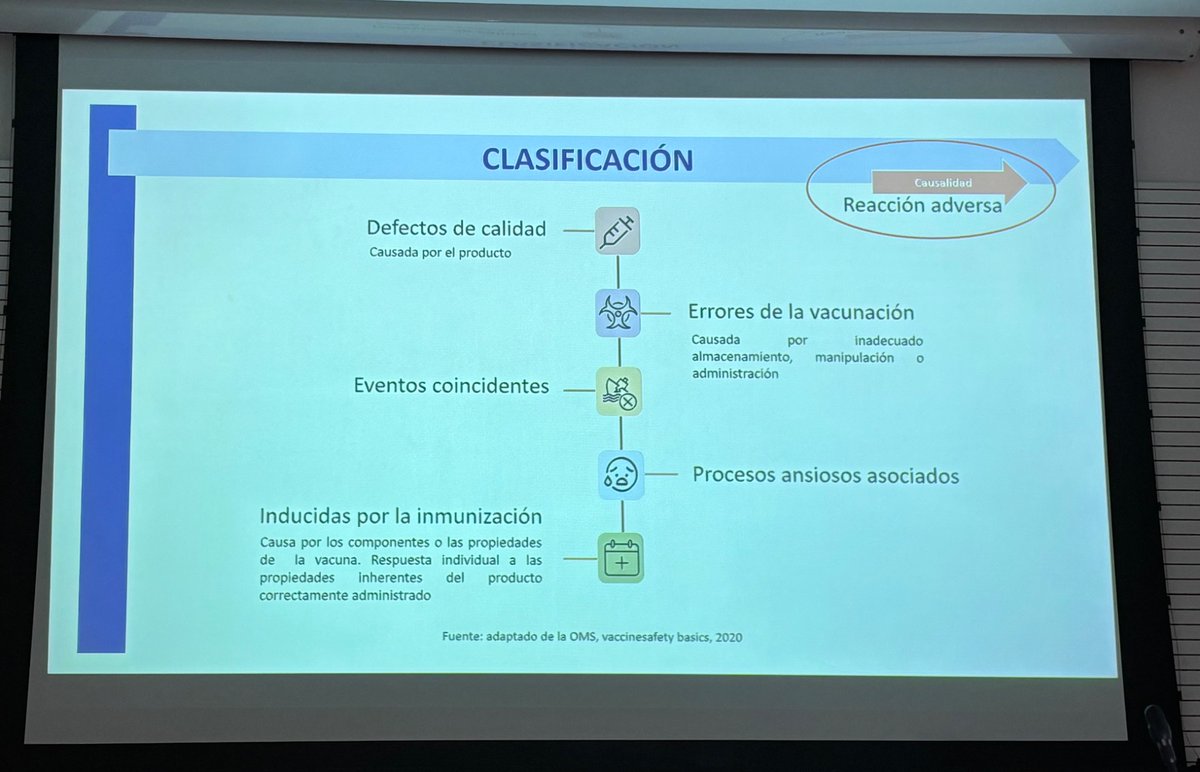
Nerea Díaz Sánchez ,del Servicio de Efectividad y Seguridad del SNS-O, nos plantea cómo gestionar los incidentes relacionados con la vacunación
@MedenaColegio@salud_na
3ª Jornada de Inmunización del HUN: pasado, presente y futuro de la vacunación
La formación y la colaboración de todos los niveles asistenciales son fundamentales para una correcta inmunización de la población
@MedenaColegio@Coenav@salud_na
Los beneficios de las vacunas superan ampliamente los riesgos. Los efectos adversos aparecen en menos del 0,1 % de las ocasiones. Han salvado millones de vidas y servido para erradicar la polio. Su papel en la pandemia fue clave. Recomiendo lectura. https://t.co/NRTMJBfXsq
WHO statement on autism-related issues
The World Health Organization (WHO) emphasizes that there is currently no conclusive scientific evidence confirming a possible link between autism and use of acetaminophen (also known as paracetamol) during pregnancy.
Globally, nearly 62 million people (1 in 127) have autism spectrum disorder, a diverse group of conditions related to development of the brain. Although awareness and diagnosis have improved in recent years, the exact causes of #autism have not been established, and it is understood there are multiple factors that can be involved.
Extensive research has been undertaken over the past decade, including large-scale studies, looking into links between acetaminophen use during pregnancy and autism. At this time, no consistent association has been established.
WHO recommends that all women continue to follow advice of their doctors or health workers, who can help assess individual circumstances and recommend necessary medicines.
Any medicine should be used with caution during pregnancy, especially in the first three months, and in line with advice from health professionals.
Also, a robust, extensive evidence base exists showing childhood vaccines do not cause autism. Large, high-quality studies from many countries have all reached the same conclusion. Original studies suggesting a link were flawed and have been discredited.
Since 1999, independent experts advising WHO have repeatedly confirmed that vaccines - including those with thiomersal or aluminum - do not cause autism or other developmental disorders.
Childhood vaccine schedules are developed through a careful, extensive and evidence-based process involving global experts and country input.
The childhood immunization schedule, carefully guided by WHO, has been adopted by all countries, and has saved at least 154 million lives over the past 50 years. The schedule remains essential for the health and wellbeing of every child and every community. These schedules have continually evolved with science and now safeguard children, adolescents and adults against 30 infectious diseases.
Every vaccine recommendation by the Strategic Advisory Group of Experts on Immunization (SAGE), an independent advisory group to WHO, is grounded in rigorous review of evidence and carefully designed to offer the best protection against serious diseases and to be delivered when most needed.
When immunization schedules are delayed or disrupted, or altered without evidence review, there is a sharp increase in the risk of infection not only for the child, but also for the wider community.
Infants too young to be vaccinated and people with weakened immune systems or underlying health conditions are at greatest risk.
Autism and neurodevelopmental disorders are among priority mental health and neurological conditions being discussed at the 4th UN High-Level Meeting on NCDs and mental health this Thursday, 25 September.
As a global community, we need to do more to understand the causes of autism and how best to care for and support the needs of autistic people and their families.
WHO is committed to advancing this goal working together with partners including autistic-led organizations and other organizations representing persons with lived experience.
WHO also stands with people who are living with autism and their families, a dignified community entitled to evidence-based considerations free of stigma.
Full statement: https://t.co/xxGS3NWoaI
Countries are saving lives from noncommunicable diseases (NCDs) every day with best buys on:
✅ Tobacco control
✅ Early cancer detection
✅ Diabetes screening
and more.
But where action is weak, progress stalls or even reverses.
We know change is possible.
Every country can act.
Every life saved matters.
It’s time to #BeatNCDs 👉https://t.co/masVvJZqKz #UNGA
Los determinantes sociales de la salud mental no solo aumentan las posibilidades de sufrir un trastorno, también condicionan el éxito del tratamiento 👇 https://t.co/3kSP7nrjkL
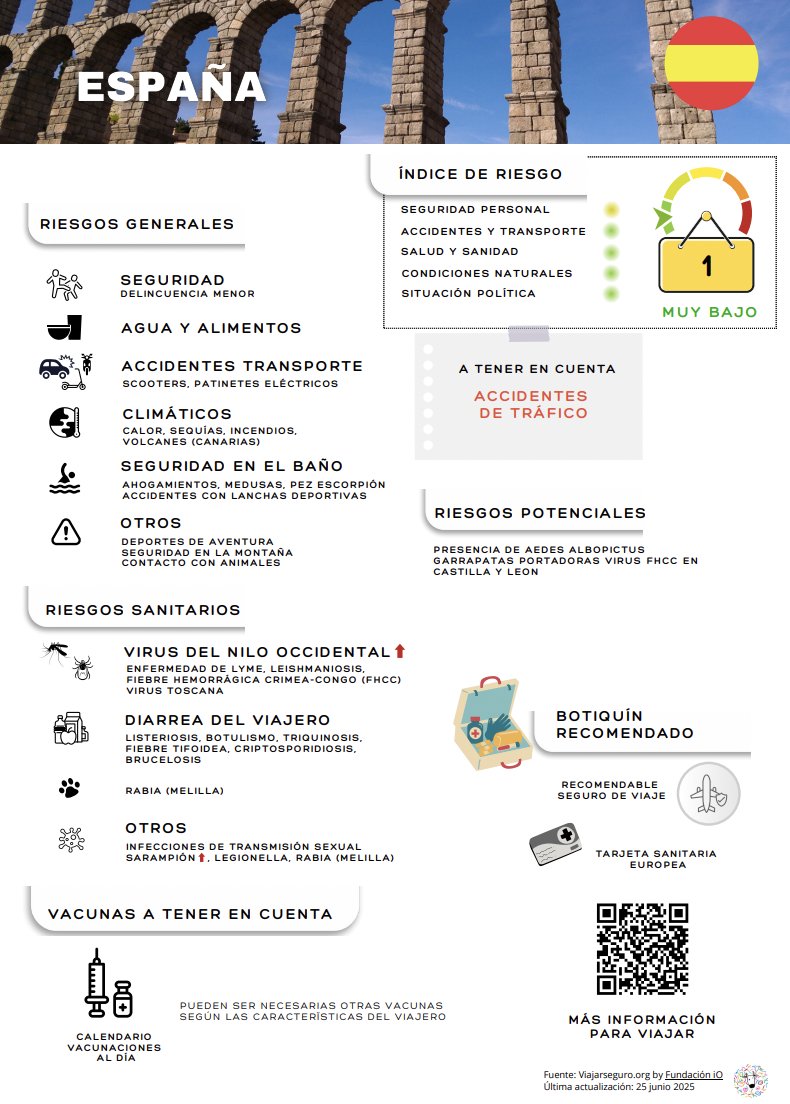
✨Fundación iO presenta el
ATLAS DE RIESGOS en tiempo real
Una plataforma abierta e interactiva que muestra por países:
🚦Riesgos generales (seguridad, clima,...)
🦠R.sanitarios y brotes activos
💉Vacunas
🧰Botiquín
Herramienta clave para viajeros✈️
🆓https://t.co/sz1xt7t9V2
.@salud_na retoma el servicio preventivo y de reducción de riesgos en materia de adicciones en espacios de ocio festivo
▶️Esta temporada se ofrecerá en las fiestas de Pamplona, Tudela, Estella, Aoiz, la Carpa de la UPNA y el Hatortxu
📎https://t.co/FveexHz2Zj
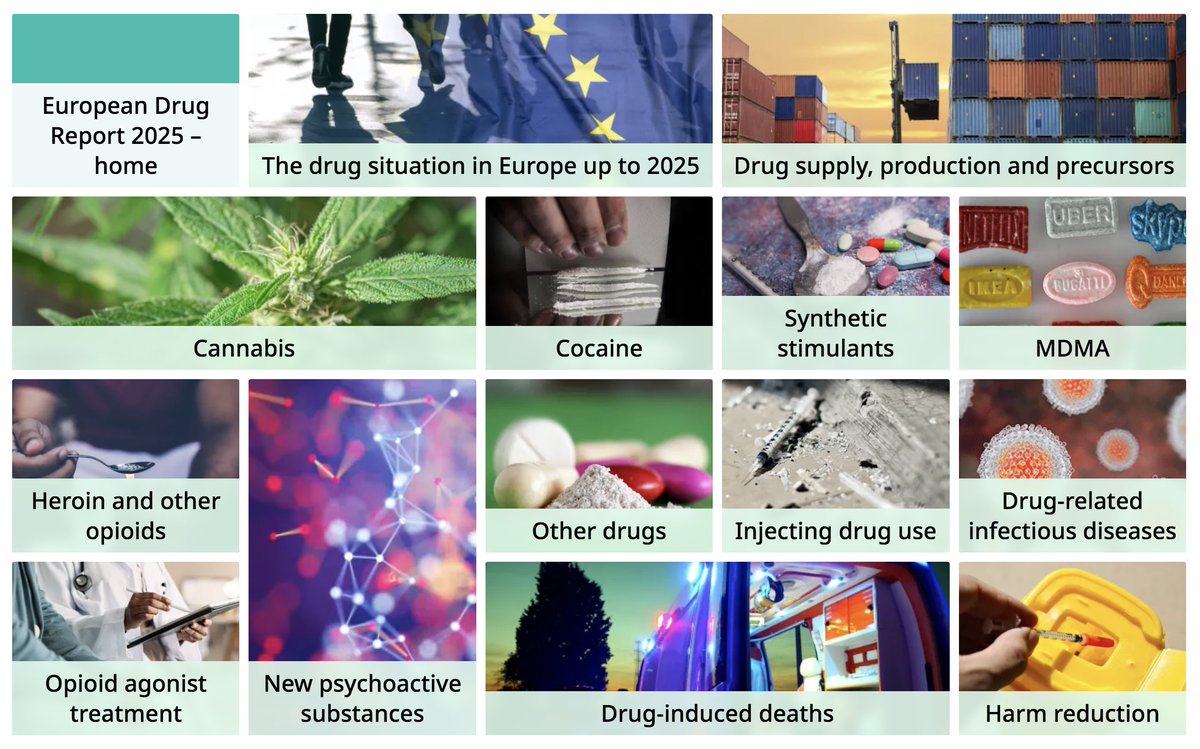
📈 ¿Qué está pasando con las drogas en Europa?
El nuevo informe #EUDA2025 analiza tendencias y amenazas en 29 países.
💡 Con más de 100 gráficos interactivos para entender mejor los retos que enfrentamos.
🔗 Dale un vistazo: https://t.co/LWOhbUL9ju
#SaludPública#Drogas
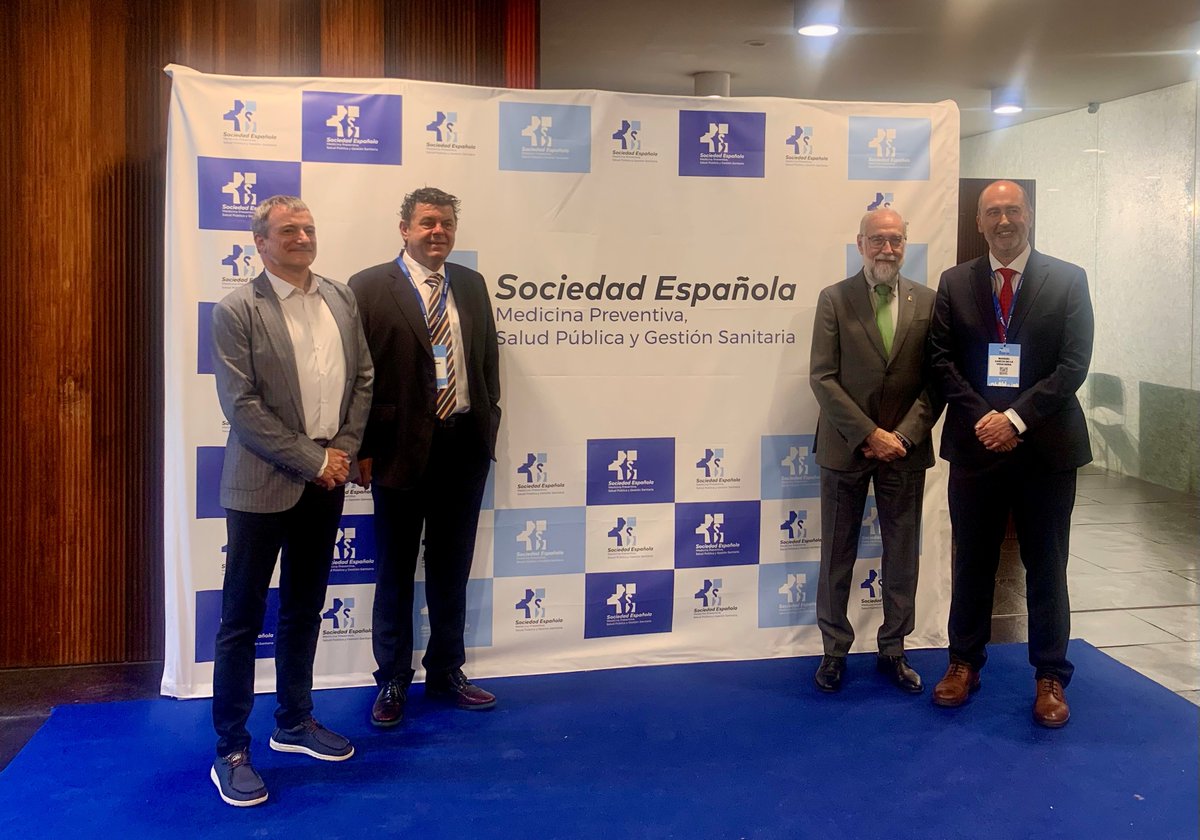
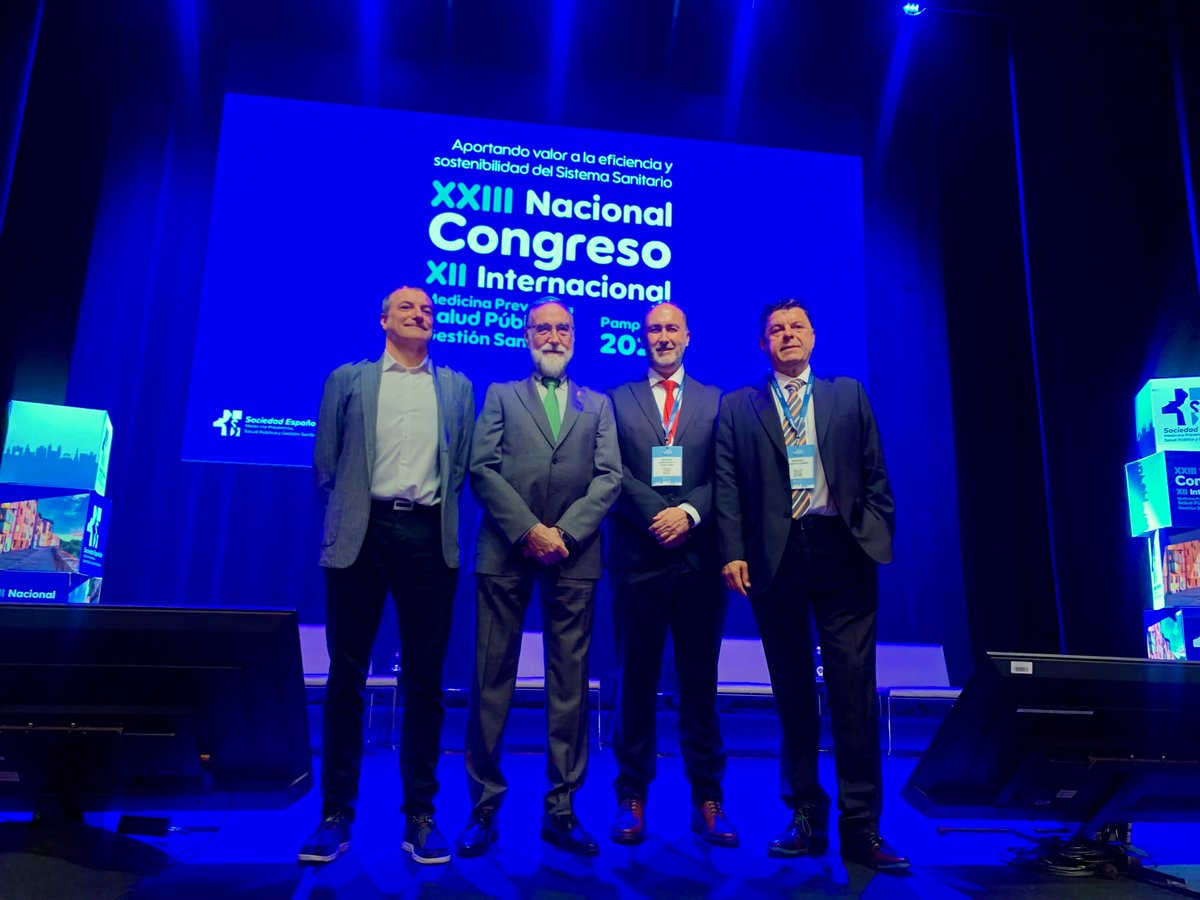
El consejero @FdoDominguezC ha participado en la inauguración del congreso de la @SEMPSPH
"Apostar por la prevención es apostar por un modelo sostenible. Cada euro invertido en prevención es una inversión que retorna en salud y en calidad de vida"
.@salud_na k tabakoaren industriak produktu horiek batez ere gazteen artean erakargarriago egiteko dituen estrategiari buruz hausnartzeko gonbita luzatu du
➡️Nafarroako nerabeen %8,8k egunero erretzen du, ESTUDES 2023 inkestaren arabera
📎 https://t.co/SOWOvy2eAg
.@salud_na invita a reflexionar sobre las estrategias de la industria del tabaco para hacer más atractivos sus productos entre la población joven
➡️El 8,8% de la población adolescente navarra fuma diariamente, según la encuesta ESTUDES 2023
📎https://t.co/yqFePCYyhV