Official evangelist of 22ClubNFT
The Most Exclusive Collection of the Next 200 Years
22:22 22/2/2022 - 22/2/2222
You collect the exact moment
50% Human + 50% IA
A visual motif can give a music video its own world. Try choosing one material—a powder, a leaf, a drop of water—and letting its shapes return as the sound changes. Repetition can connect scenes without making them identical. 🕝🕥
https://t.co/bBqt4WklD8
This music video follows a cat and her little girl who’s learning how to cast illusion spells. For this one, I experimented with an animation style built around the ingredients from the magic spells like powders and herbs.
#AIanimation#AImusic#AI
https://t.co/FenJZFs8hB
When AI enters an artist’s workflow, the question is not only what it can make. Who gets credited, paid and heard when the work changes? Ask the people doing the creative work before deciding what support they need. 🕝🕥
https://t.co/X5FHTn2EjX
As AI reshapes the creative landscape, what happens to the people behind the art?
Behind every film, performance, artwork, song and written piece is someone whose creativity, skills and livelihood make it possible. As AI changes the way art is created and work gets done, we want to hear directly from the people experiencing these changes.
The Khazanah Research Institute (KRI) invites artists, creatives and arts practitioners in Malaysia to share how AI is affecting their work, opportunities and livelihoods. Your experiences matter. Your voice deserves to be heard. And your perspectives can help shape research and policy responses that support the arts community in the age of AI.
🎬 Audiovisual – Film, video, animation, gaming, digital content, etc.
🎭 Performing arts – Theatre, dance, opera, musicals, etc.
🎨 Visual arts and crafts – Painting, illustration, photography, digital art and crafts, etc.
🎵 Music – Recording artists, musicians, composers, producers, etc.
📚 Literary arts – Literature, writing, translation, adaptation, etc.
Take the survey in your preferred language. Every response helps build a better understanding of how AI is changing the arts and what support is needed. Your insights will inform KRI's research and policy recommendations.
Know any art practitioners? Help us reach them by sharing this survey. Let's make sure the people behind the arts are part of the conversation about its future.
🔗Complete the survey here: https://t.co/cqPCZtxu4I
------------
Owning a token and having permission to exhibit its artwork are different questions. Before planning a public display, check the actual licence: who may display it, where, and for how long? Keep a copy of the terms with the artwork’s records. 🕝🕥
https://t.co/YHvHgexAO7
𝗔𝗡 𝗡𝗙𝗧 𝗜𝘀 𝗡𝗼𝘁 𝗧𝗵𝗲 𝗦𝗮𝗺𝗲 𝗧𝗵𝗶𝗻𝗴 𝗔𝘀 𝗖𝗼𝗽𝘆𝗿𝗶𝗴𝗵𝘁
One misconception in digital ownership is assuming that purchasing an NFT automatically transfers every intellectual property right.
That is not necessarily true.
Ownership of a token, access to a digital file, and ownership of copyright are separate legal and technical questions.
Creators and collectors should understand the specific terms attached to an asset before making assumptions.
The long-term credibility of digital art depends on clearer expectations around rights, licensing, and provenance.
AINFT's place in the digital asset ecosystem makes this distinction worth discussing.
@AINFTcom@justinsuntron
#TRONEcoStar
An on-chain artwork can still depend on things outside the chain to be experienced. Check what is stored, what must be fetched, and which software renders it. A record of those dependencies can help a future viewer reconstruct the work. 🕝🕥
https://t.co/XomvmiywKX
A speedpaint compresses two hours of drawing into a few minutes. The cuts shape what we think the process looked like: pauses and changes of mind may disappear. A short edit can tell a story, but it is not the whole working day. 🕝🕥
https://t.co/3s9V3b5zxF
And I almost forgot the speedpaint, here it is, maybe I'm gonna post the brute video on youtube, the full video has 2 hours
[ #art | #digitalart | #sketch | #OC | #speedpaint ]
A first collected artwork can mark a moment in a person's life. Save a note about what drew you to it and the date you discovered it. Years later, that small record can preserve a memory the token alone cannot explain. 🕝🕥
https://t.co/U2otV4nDJ5
A song can begin with one person in mind. When lyrics and an AI music tool meet, crediting the lyricist makes that human contribution visible. Try reading the words before listening: the music may change how their intention feels. 🕝🕥
https://t.co/xchEJGkkmN
A poem made with code still begins with choices: which words are allowed, how they change, and when a line ends. Try changing one rule and reading both versions aloud. The difference can reveal the author’s hand in the system. 🕝🕥
https://t.co/5wUl7CAZuT
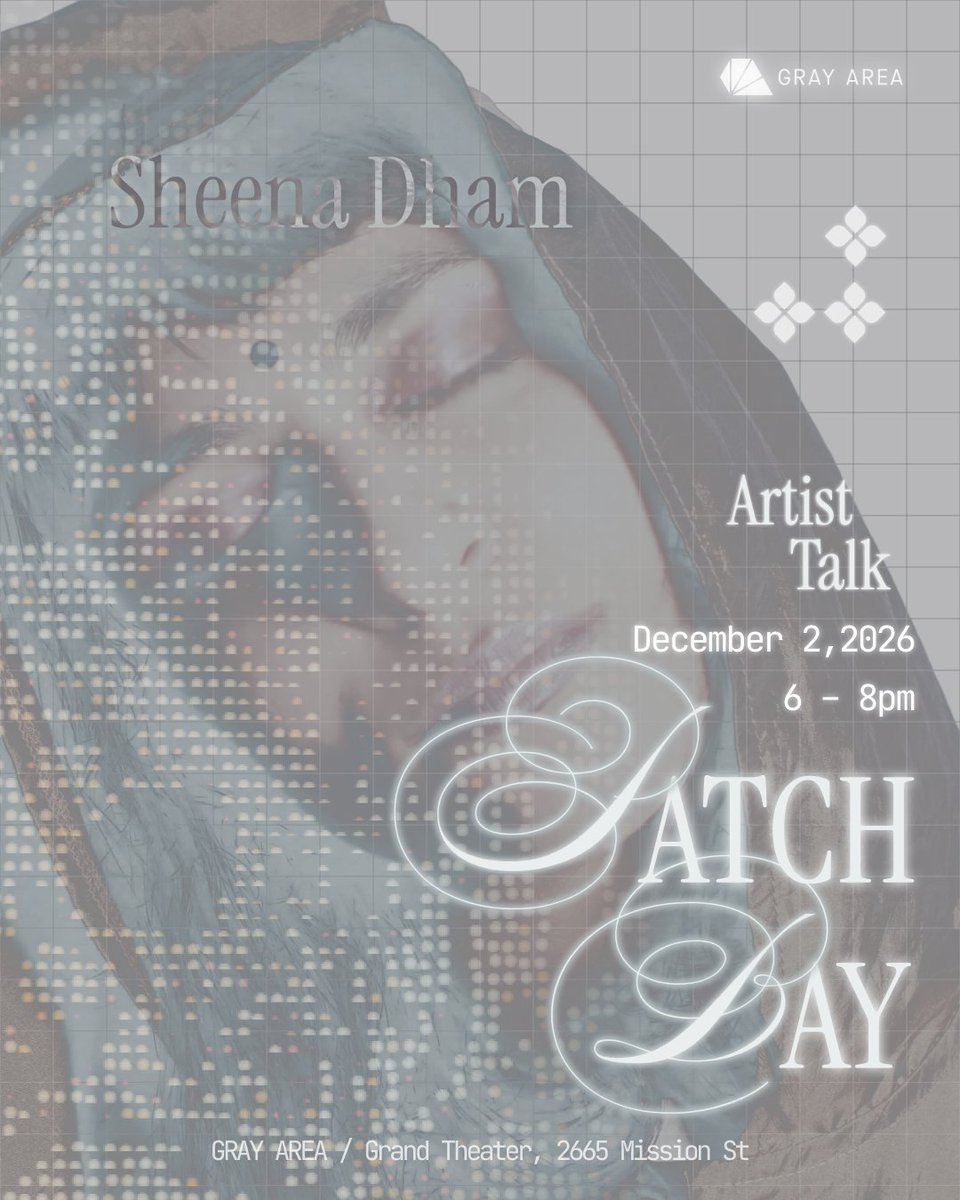
THIS WEDNESDAY'S PATCH BAY: Computational Poetry: Tools for Playing with Language led by @upcycledwords.
Explore language as a poetic material that can be shaped and animated through code. You’ll recreate a few computational poetry works, learn tools like RiTa and Nounsing, and then build a poem of your own, whether that’s an endlessly generating text, a poem that changes over time, or a strange language machine.
Bring your laptop and come play with language with us! No coding experience necessary, though those who are more comfortable with code will have options to dive deeper.
🔗RSVP for Alicia's workshop at https://t.co/wMmZq4Ngz1
Then stay tuned for the following Patch Bay, an Artist Talk with Sheena Dham on December 2.
The musician, composer, and collaborating artist will reflect on building a sustainable freelance practice across sound, visual art, and performance, drawing on projects spanning dance, extreme sports, and documentary film. Sheena will also share how interdisciplinary collaboration shapes her process and how community opens new opportunities, followed by an open Q&A.
🔗RSVP for Sheena's Artist Talk at https://t.co/olVZ4J7Wcz
💭 Have an idea for a future Patch Bay session? We especially want to hear from people looking for a place to share bold, critical, and creative work. Send us a note at [email protected]
A work made in minutes can carry as much meaning as one made over years. Provenance answers a different question: what do we know about its origin and journey? A date can add context without becoming a score for the art. 🕝🕥
https://t.co/A1PtonWcyj
A generated image can be the start of an art direction, not the whole story. Look at how silhouette, texture and visual references work together across a series. Naming those choices helps us discuss the creative direction—not just the tool. 🕝🕥
https://t.co/lDvOji49qI
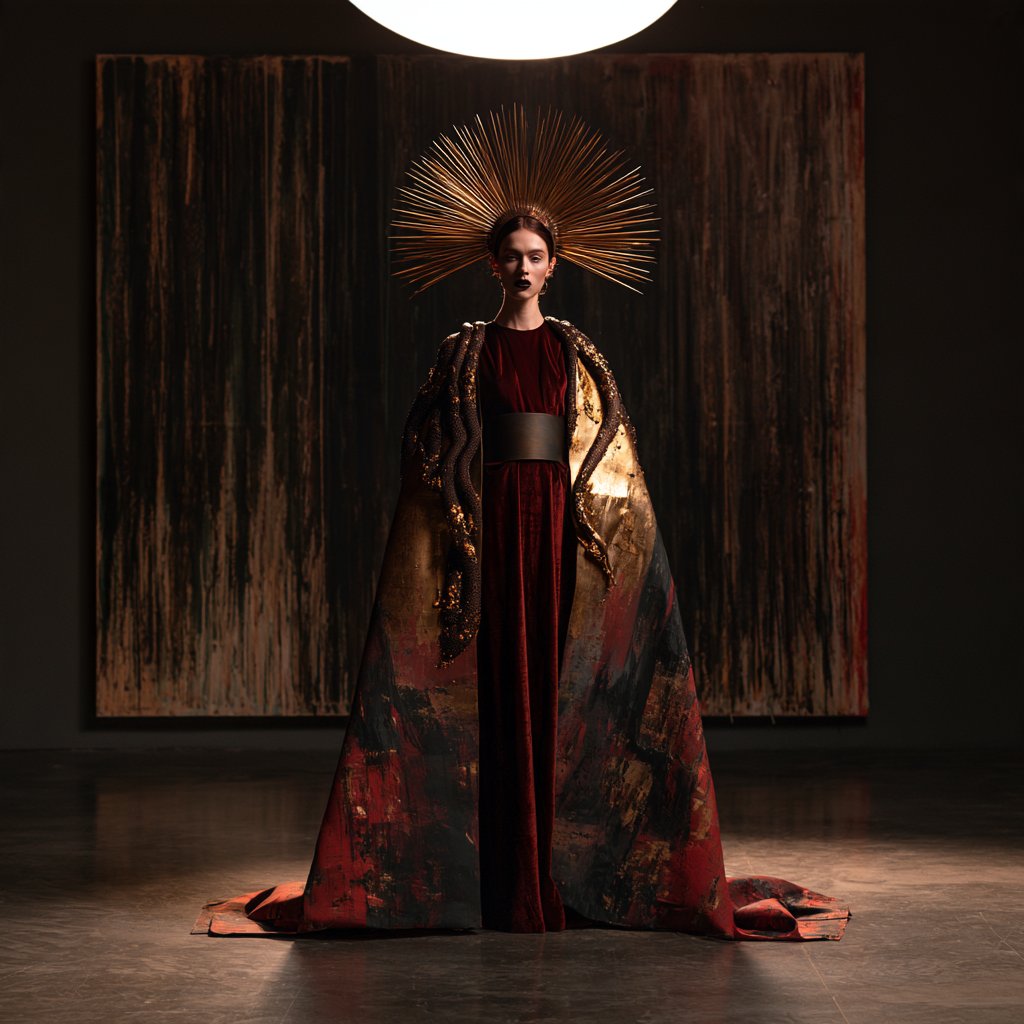
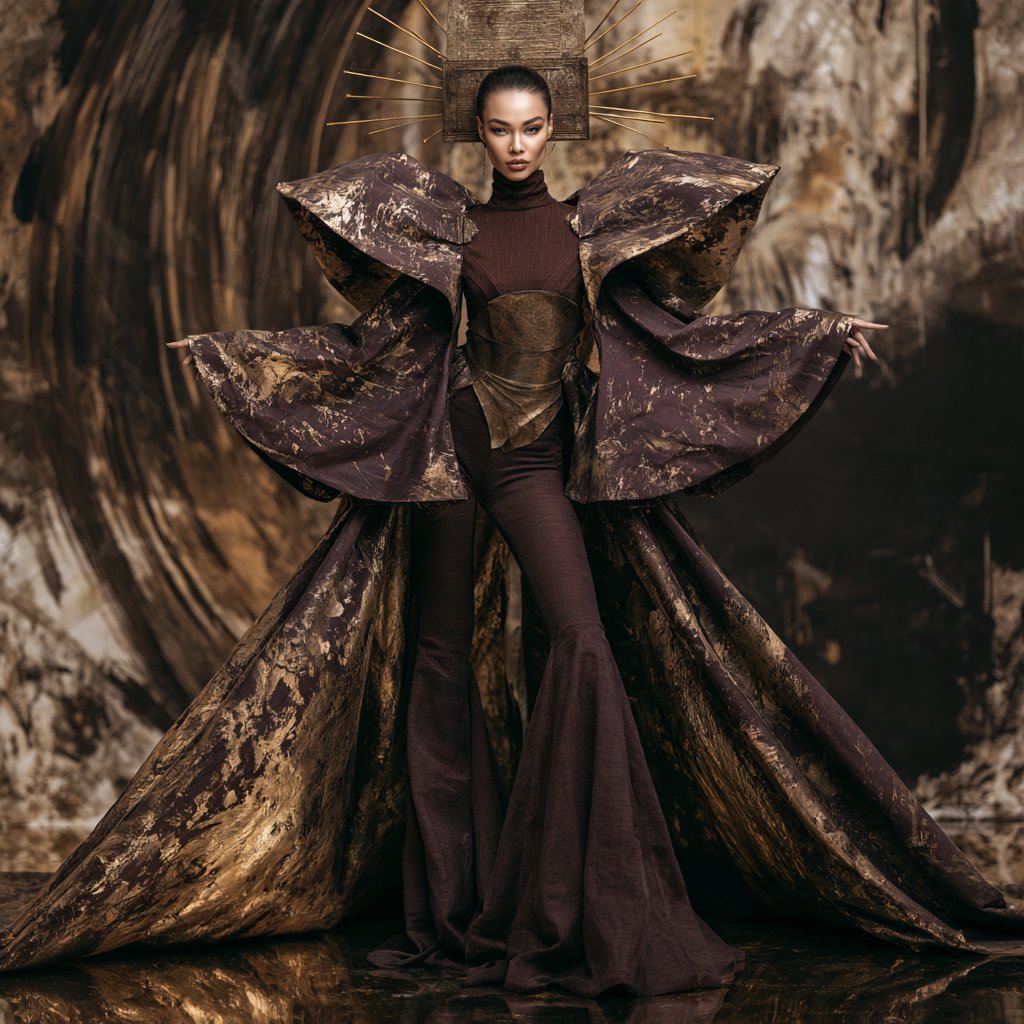
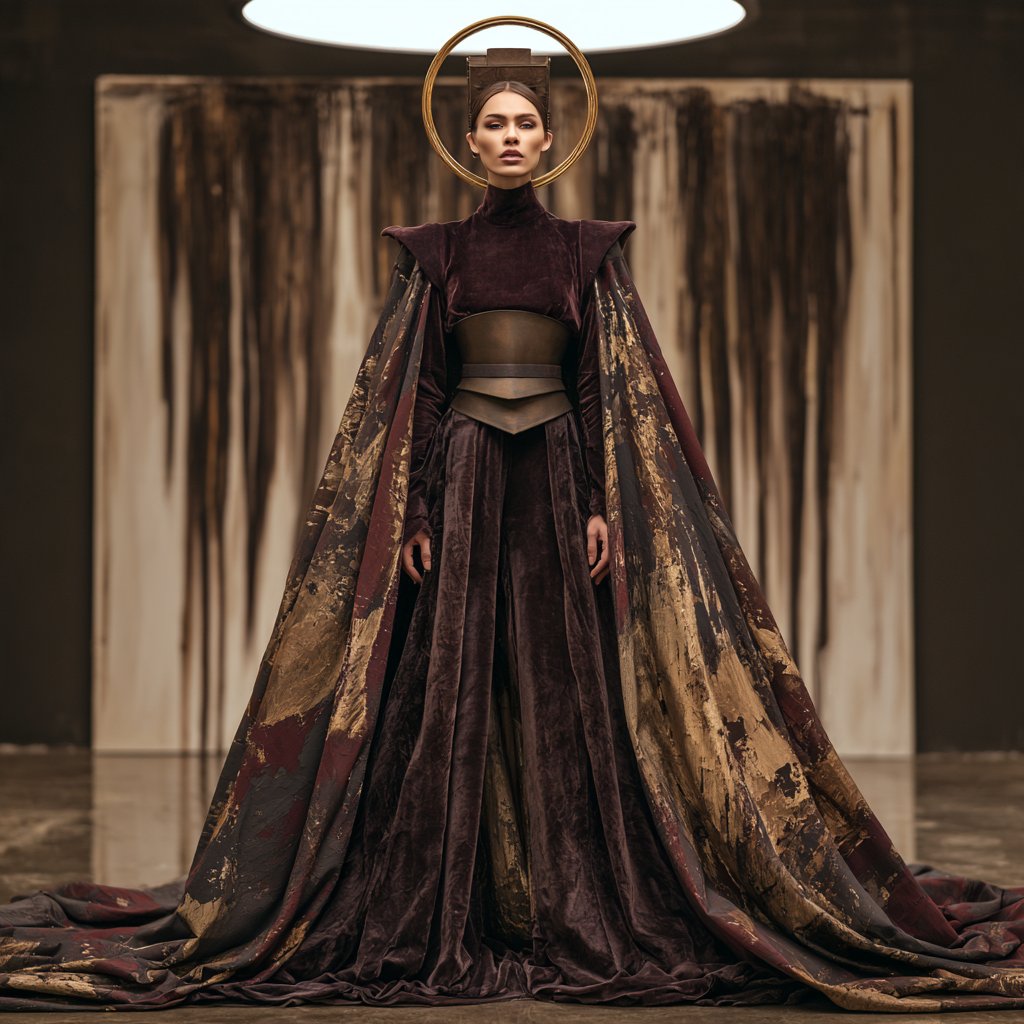
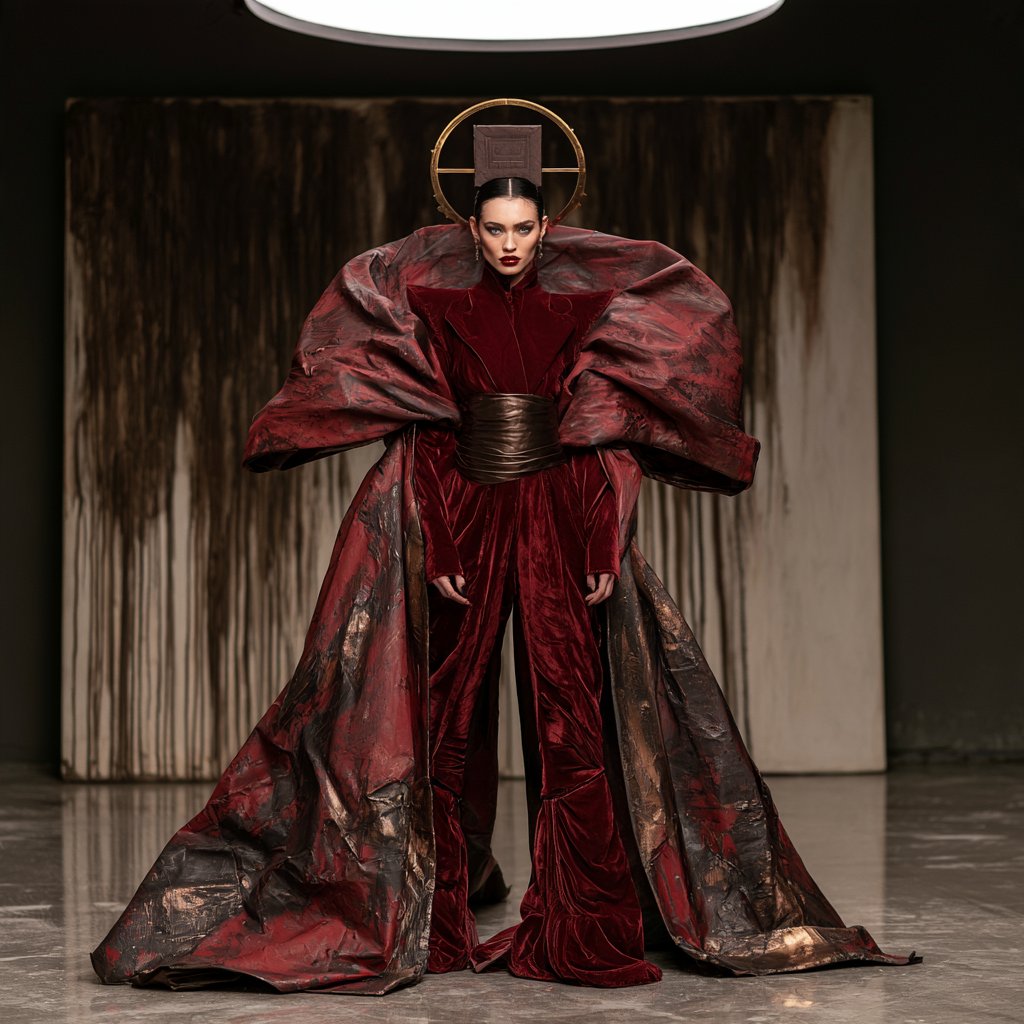
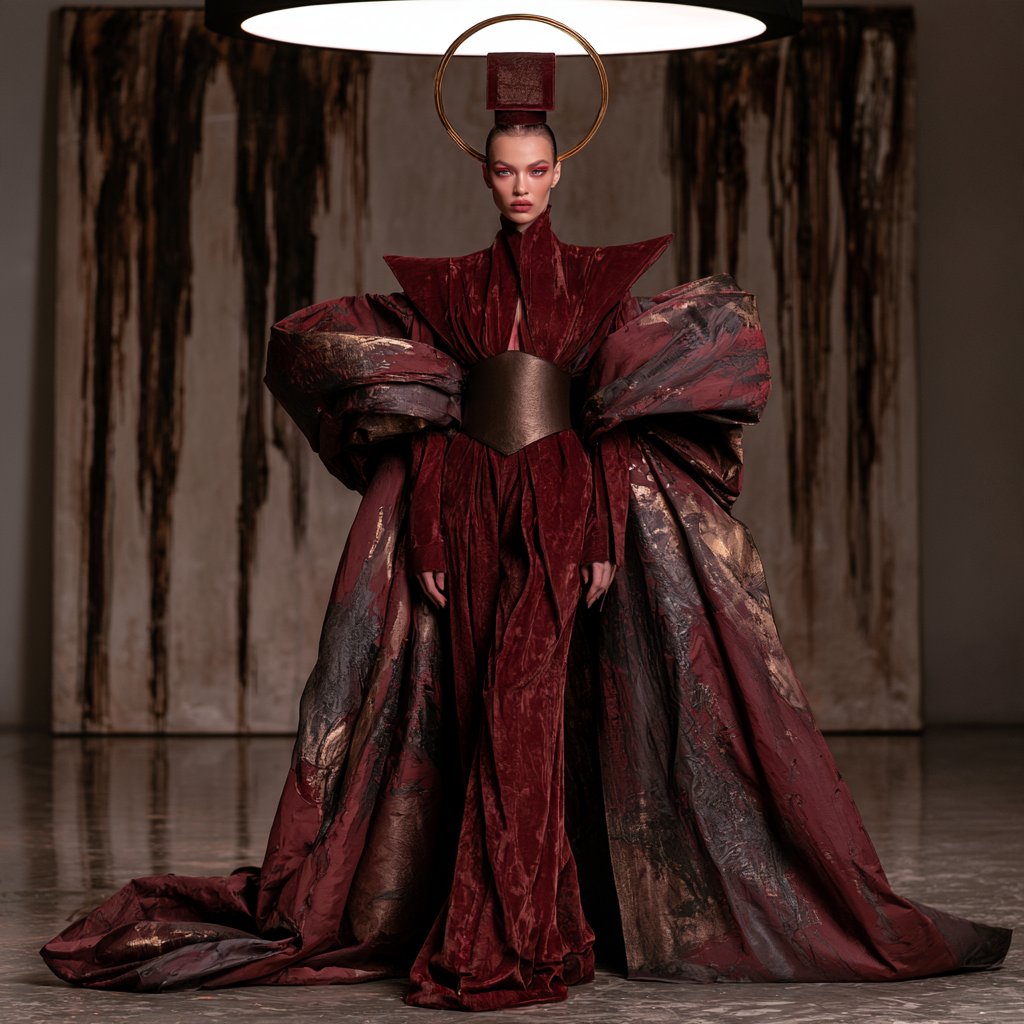
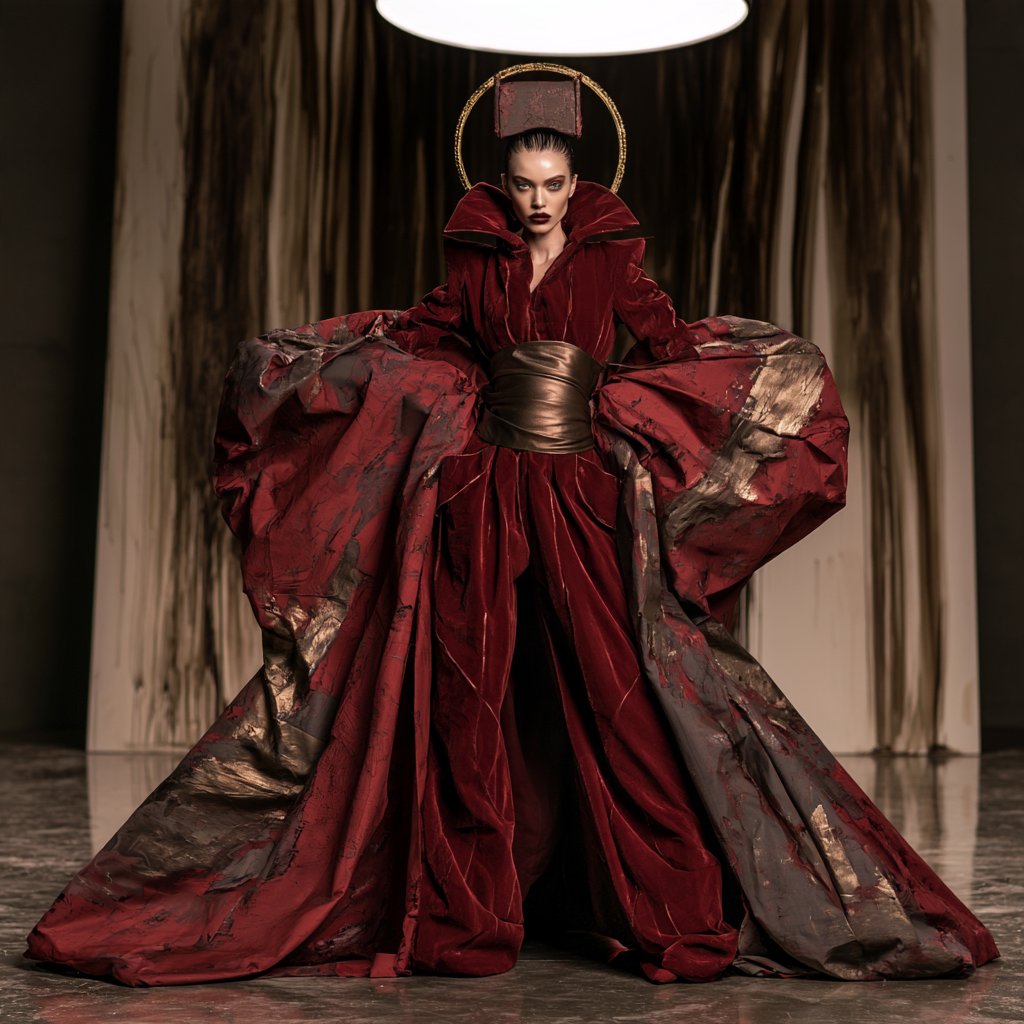
"Babalon Rising" — A Thelema-Inspired Digital Couture Collection.
Standard AI fashion often plays it safe with predictable, catalog-ready looks. This collection explores the opposite: sculptural silhouettes, architectural sunburst headpieces, heavy velvet, and painterly, floor-length drapery built for luxury world-building. I specialize in editorial AI art direction for fashion houses, creative studios, and founders who want campaign visuals that command attention rather than blend into a feed. If your team is looking for a freelance AI Creative Director or concept artist for upcoming editorial campaigns, lookbooks, or digital showcases, send me a direct message. Let’s break the mold and build something unforgettable.
#AIFashion #DigitalCouture #CreativeDirection #FashionTech #EditorialFashion #AvantGarde
Sound and image don't have to say the same thing. Try pairing a calm scene with an uneasy sound: the tension can create a third meaning neither carries alone. MUTEK Japan's upcoming session on sound and image puts that creative space in focus. 🕝🕥
https://t.co/gyjRjrtuBq
Moving interactive art from a desktop to a phone can change the experience. Keep a short note of what changed: screen size, touch controls and sound settings. That helps a future viewer understand each version on its own terms. 🕝🕥
https://t.co/BZPShITdfr
A phone screen filled with soft Voronoi foam cells that shift and ripple as a finger moves across them, with Day, Night and Sound tabs turning the simulation into a small playable instrument.
Per the creator, this foam simulator started as a TouchDesigner project and has now been made playable in the browser, so it works as a foam instrument right on a phone.
Why it matters: taking a desktop generative art piece and making it something anyone can play on a phone shows how creative coding is moving from gallery screens into pockets, where art becomes a toy you can touch and hear.
Credit: @tsumiki_room
An AI music app can generate a track, but the final audio may not show how it was made. Save the lyric draft, selected takes and edit notes alongside it. They can document creative choices without automatically settling who owns the rights. 🕝🕥
https://t.co/fKJbnno35Q
$300K → $540K for an AI music app, and almost all of that jump happened in one month.
I wrote about Beatron in April. Revenue stayed around $300K–$364K a month through September. Then October grew 60% on both iOS and Google Play.
Six months of flat doesn’t mean you’ve hit your ceiling.
A word, an image and a sound can each tell a different part of the same story. Try making a 10-second sketch: choose one image, add a sound, then write one sentence that changes how you see it. 🕝🕥
https://t.co/raPvNHkZc4
To create more than I consume
To burn the boats and move forward
To die to myself and live in Him
To capture light in art I make
Through word
Through visual
Through sound
I would love to do this at a higher rate
For more eyes and reach
I’m excited and thankful
More work to do
A stored artwork can still change unnoticed. Keep a checksum—a short fingerprint of the file—and compare it with a fresh one when you retrieve a copy. A mismatch is a signal to investigate, not proof of why the file changed. 🕝🕥
https://t.co/dAILKktXlK
𝗕𝗧𝗙𝗦 𝗔𝗡𝗗 𝗧𝗛𝗘 𝗗𝗜𝗙𝗙𝗘𝗥𝗘𝗡𝗖𝗘 𝗕𝗘𝗧𝗪𝗘𝗘𝗡 𝗦𝗧𝗢𝗥𝗜𝗡𝗚 𝗗𝗔𝗧𝗔 𝗔𝗡𝗗 𝗣𝗥𝗘𝗦𝗘𝗥𝗩𝗜𝗡𝗚 𝗜𝗧
There is a difference between saving information and making sure it remains useful over time.
A file can be uploaded successfully today but become difficult to retrieve in the future. A storage system may have sufficient capacity while still facing challenges involving provider availability, redundancy, access, and long-term maintenance.
Digital preservation requires a more complete approach.
Consider a research organization storing years of scientific records. The value of those records is not limited to the day they are uploaded. Their usefulness depends on whether future researchers can locate, retrieve, verify, and interpret them.
This is one reason decentralized storage deserves more serious consideration.
BTFS places the BitTorrent ecosystem within the discussion about distributed data storage. But the broader challenge is making stored information dependable throughout its lifecycle.
That involves thinking about how many copies or fragments are maintained, how failures are handled, how retrieval is performed, and how storage arrangements remain sustainable.
It also means recognizing that decentralization alone does not guarantee permanent preservation.
The technology must be supported by sound storage practices and realistic expectations.
The strongest storage infrastructure will not simply promise space. It will help people keep valuable information accessible when that information matters most.
@BitTorrent@justinsuntron #BTFS #BTT #TRON #TRONEcoStar
@BitTorrent
When a visual artwork has its own sound, try it twice: first with audio, then muted. Which changes in the image seem to follow the music—and which are your mind connecting them? Listening can reveal another layer of the work. 🕝🕥
https://t.co/nHbVhbXWmd
We don't get to see a lot of art focused project of recent that's why I've got my eyes on:
@gruffwashere's Glyphoras brings 1,111 fully on-chain flowers to life through interactive visuals and unique musical identities.
SECTIONS by @GrantYun2, presented by Fellowship, transforms America's land-survey grid into 1,300 generative 1/1 artworks, incorporating real-world geographical and environmental data.
One experiments with art and sound, the other with geography, architecture and code.
Definitely two interesting approaches to the future of digital art.
A video can show a game, but it cannot preserve how the controls feel. For a game archive, record the controls and their timing alongside gameplay footage. Both help a future player understand the work. 🕝🕥
https://t.co/Y6NHtJJO4Y
⚱️ Video oyun tarihinin en önemli yapımlarından biri olan Prince of Persia, 1989 yılında Jordan Mechner tarafından geliştirilen ve platform oyunlarına yeni bir soluk getiren öncü bir yapımdır.
⚱️ İlk olarak Apple II bilgisayarlar için 3 Ekim 1989 tarihinde yayımlanan oyun, kısa sürede kazandığı başarıyla farklı bilgisayar ve oyun konsollarına taşınarak dünya çapında büyük bir hayran kitlesine ulaşmıştır.
⚱️ Prince of Persia’nın geliştirme süreci 1985 yılında başlamış ve dört yıl sürmüştür.
⚱️ Oyunun yaratıcısı Jordan Mechner, dönemin oyunlarından farklı olarak karakter hareketlerinde gerçekçiliği ön plana çıkarmayı hedeflemiştir.
⚱️ Bu amaçla rotoskopi adı verilen animasyon tekniğinden yararlanmıştır.
⚱️ Kardeşi David Mechner’ın gerçek hareketlerini kamerayla kaydeden Jordan Mechner, görüntüleri kare kare inceleyerek karakter animasyonlarına aktarmıştır.
⚱️ Bu çalışma sayesinde oyundaki koşma, zıplama, tırmanma ve kılıç kullanma hareketleri, 1980’lerin sonu için son derece akıcı ve gerçekçi bir görünüme kavuşmuştur.
⚱️ Oyunun hikâyesi, Pers diyarında geçmektedir, kötü vezir Cafer, prensesi zorla evlendirmek istemektedir ve Prens ise zindana atılmıştır ve prensesi kurtarmak için yalnızca 60 dakikası vardır.
⚱️ Oyuncular bu süre içerisinde ölümcül tuzaklarla, dikenli zeminlerle, karmaşık platformlarla ve düşman muhafızlarla dolu zindanları aşmak zorundadır.
⚱️ Hassas hareket mekanikleri, kılıç dövüşleri, bulmacalar ve zamana karşı yarışma fikri, Prince of Persia’yı döneminin diğer platform oyunlarından ayıran en önemli özellikler arasında yer almıştır.
⚱️ Commodore Amiga kullanıcıları için de özel bir yere sahip olan oyunun Amiga versiyonu 1990 y��lında yayımlanmıştır.
⚱️ Bu uyarlamanın geliştirilmesini, Choplifter oyununun yaratıcısı olarak da tanınan Dan Gorlin üstlenmiştir.
⚱️ Amiga sürümünde bilgisayarın grafik ve ses yeteneklerinden yararlanılarak dönemin kullanıcılarına etkileyici bir deneyim sunulmuştur, böylece Prince of Persia, Amiga oyun kütüphanelerinin unutulmaz yapımları arasına girmiştir.
⚱️ İlk olarak Apple II için hazırlanan oyun, daha sonra IBM PC ve MS-DOS, Commodore Amiga, Atari ST, Apple Macintosh, NEC PC-98, Sharp X68000, Amstrad CPC ve SAM Coupé gibi bilgisayar platformlarının yanı sıra TurboGrafx-16, Nintendo Entertainment System, Super Nintendo, Game Boy, Sega Master System, Sega Mega Drive, Sega CD ve Game Gear gibi farklı oyun konsollarında da yayımlanmıştır.
⚱️ Farklı platformlara yapılan uyarlamalar, oyunun uluslararası başarısını ve kalıcılığını daha da artırmıştır.
#Amiga #Atari
#Commodore64
#GamingHistory
#OldSchoolGaming
#Retro #RetroComputer
#RetroGaming #RetroGames
#RetroGamingCommunity
#RetroGamingHistory
#RetroVideoGames
#VintageGaming
#VideoGameHistory
A replay can repeat 22 seconds of sound and image. It cannot repeat the moment an artwork was made. In 22ClubNFT, the date of creation is part of the work’s story—not something playback can recreate. 🕝🕥
If a screen is part of an artwork, document how it was shown: a photograph, screen dimensions and brightness settings, if known. Future custodians can compare that record if hardware fails—without assuming a replacement is authorized. 🕝🕥
https://t.co/szLLTNWtX4
Beeple's JANUARY 1ST, 2021 Exists in Physical Form. What Does This Mean for the Long-Term Preservation of NFT Art?
AINFT recently highlighted JANUARY 1ST, 2021 as one of five Beeple artworks presented through physical displays.
The collection also includes Abundance, Gigachad, Rebirth, and Biological Collectible.
According to the AINFT Foundation, the works represent Beeple's first released NFT artworks in physical form.
They are presented on programmable LED screens with aluminum bases.
This format raises a question that is increasingly important for digital art collectors.
How can an artwork remain accessible and authentic over long periods when its presentation depends on technology?
Traditional paintings and sculptures require preservation.
Digital artworks introduce additional challenges.
Files may depend on particular formats.
Displays can become obsolete.
Software compatibility may change.
Electronic components can fail.
These issues don't necessarily reduce the artistic value of digital works.
But they affect the practical responsibilities associated with maintaining them.
Consider an artwork designed for a programmable screen.
If the original hardware stops functioning, a collector may need to determine whether replacing it preserves the intended artistic experience.
The answer may depend on the artist's instructions and the collection's terms.
The supplied announcement doesn't provide those details.
Therefore, we cannot determine the permitted restoration or replacement procedures for this collection.
Another issue concerns provenance.
Blockchain records can help document token-related transactions.
However, preserving the relationship between a token, its digital content, and a physical display requires clear documentation.
The announcement doesn't establish the complete provenance framework.
There is also a distinction between preservation and presentation.
A digital file may remain accessible even if its original display fails.
But the intended experience of the artwork may involve the physical device.
That makes the relationship between content and hardware significant.
For me, JANUARY 1ST, 2021 illustrates how NFT art can introduce new collecting practices.
Physical presentation may make digital works more tangible.
But long-term preservation requires attention to both technological and artistic considerations.
A durable digital art ecosystem should think beyond the initial sale.
It should also consider how future audiences will experience the work.
@justinsuntron@AINFTcom #TRONEcoStar
A still and a running generative system preserve different things. A still keeps one chosen result; the code can preserve how variations are made. For an archive, record which version you have and what is needed to run it—not just what it looks like. 🕝🕥
https://t.co/0fTQBX8sRz
@CCDDBB@SteveMakerspace That’s an interesting idea. To sell only the outputs rather than the code. What I guess we sometimes call “short-form” generative art. A curated set of images made with code rather than code running with a unique hash in a browser. Both have their merits. 🤔