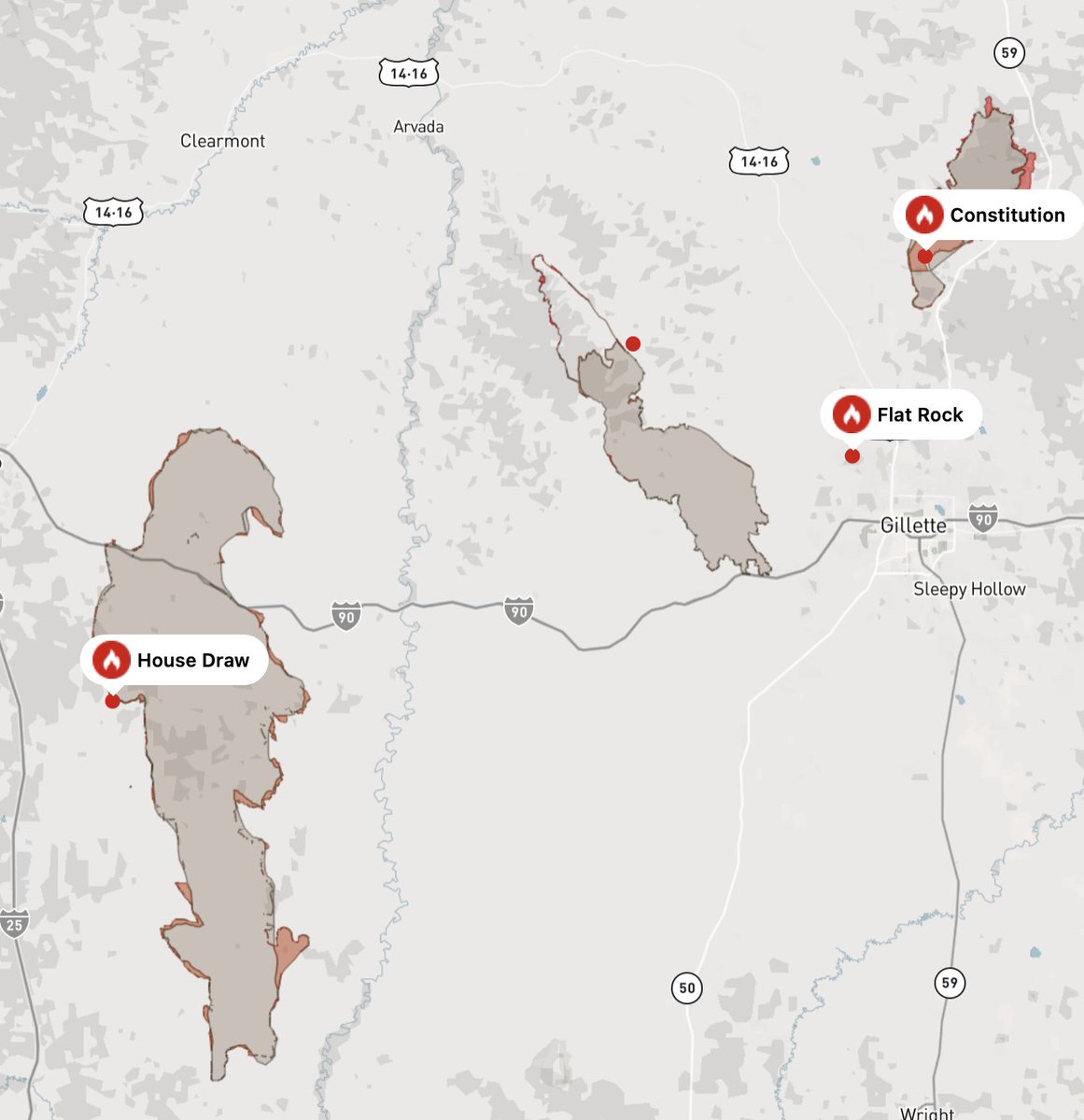
Four fires in the region totalling almost 1/2 million acres. We haven't managed to get access to the fire polygons yet, but squinting at the maps available (and my time in the field last week) suggest much of it was prime sagebrush habitat.
Cattle and sheep ranchers in the area are struggling after flames destroyed fencing, water infrastructure and feed. It will take time to assess the true scope of the disaster, and recovery is expected to take years. https://t.co/m84J78P7Tt
The destructive fires could have grave consequences for wildlife, including the burning of "best of the best" habitat for the already imperiled sage grouse.
But biologists see possible benefits for other wildlife. https://t.co/zh65MVdvdR
Devastating fires in our long-term study site in Northeastern Wyoming. Over 200,000 acres of prime sage-grouse habitat and valuable range lands. Some of our game cameras didn't make it.
🚨New Paper: How does oil and gas development influence duck nest survival?
TL;DR - we found no evidence of a negative effect of oil and gas development on duck nest survival
@fedy_lab@ducanada
1/9
I'm excited to share that I published a first version of my Statistics 4 Ecologists book with University of Minnesota Libraries Publishing. You can now download a (FREE) pdf version of the book here:
https://t.co/S7NiLarPzC
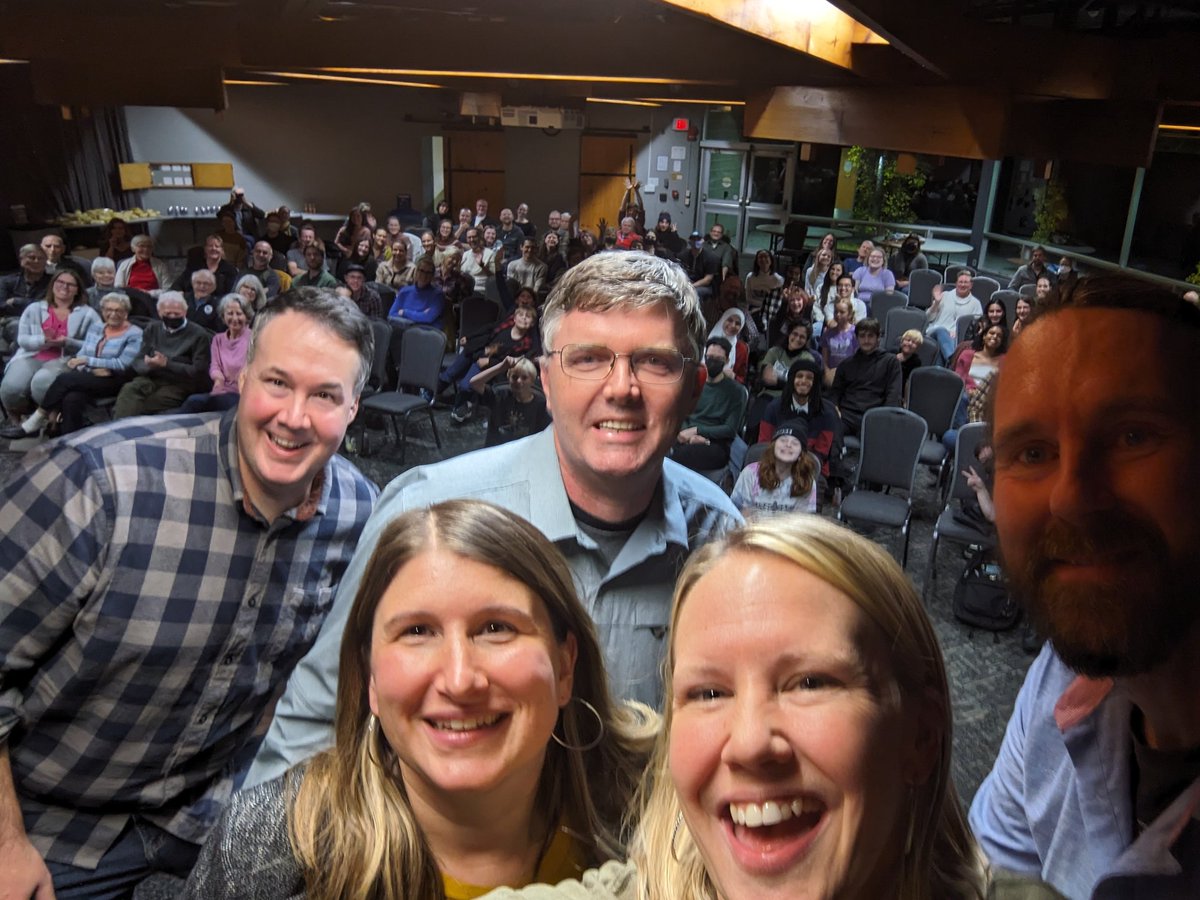
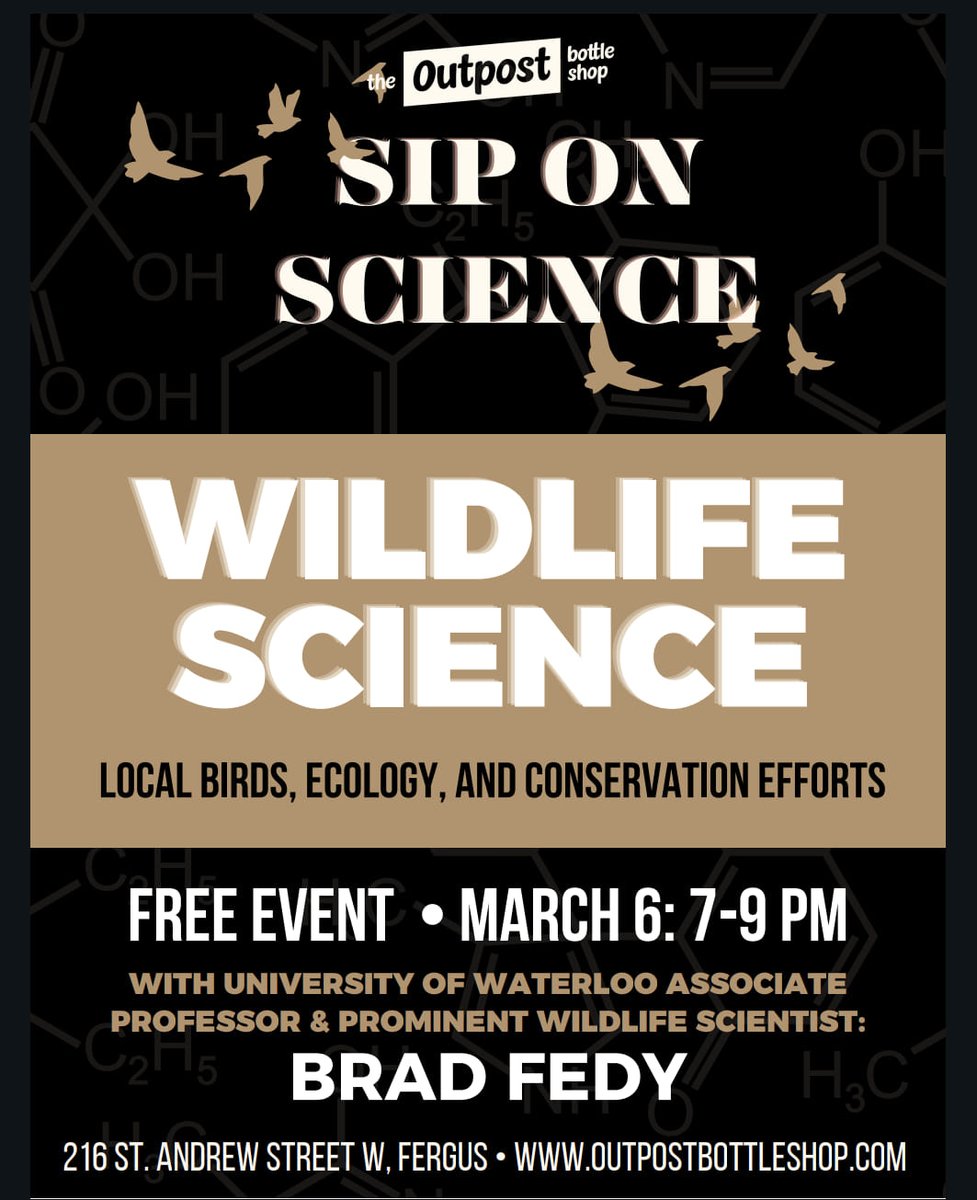
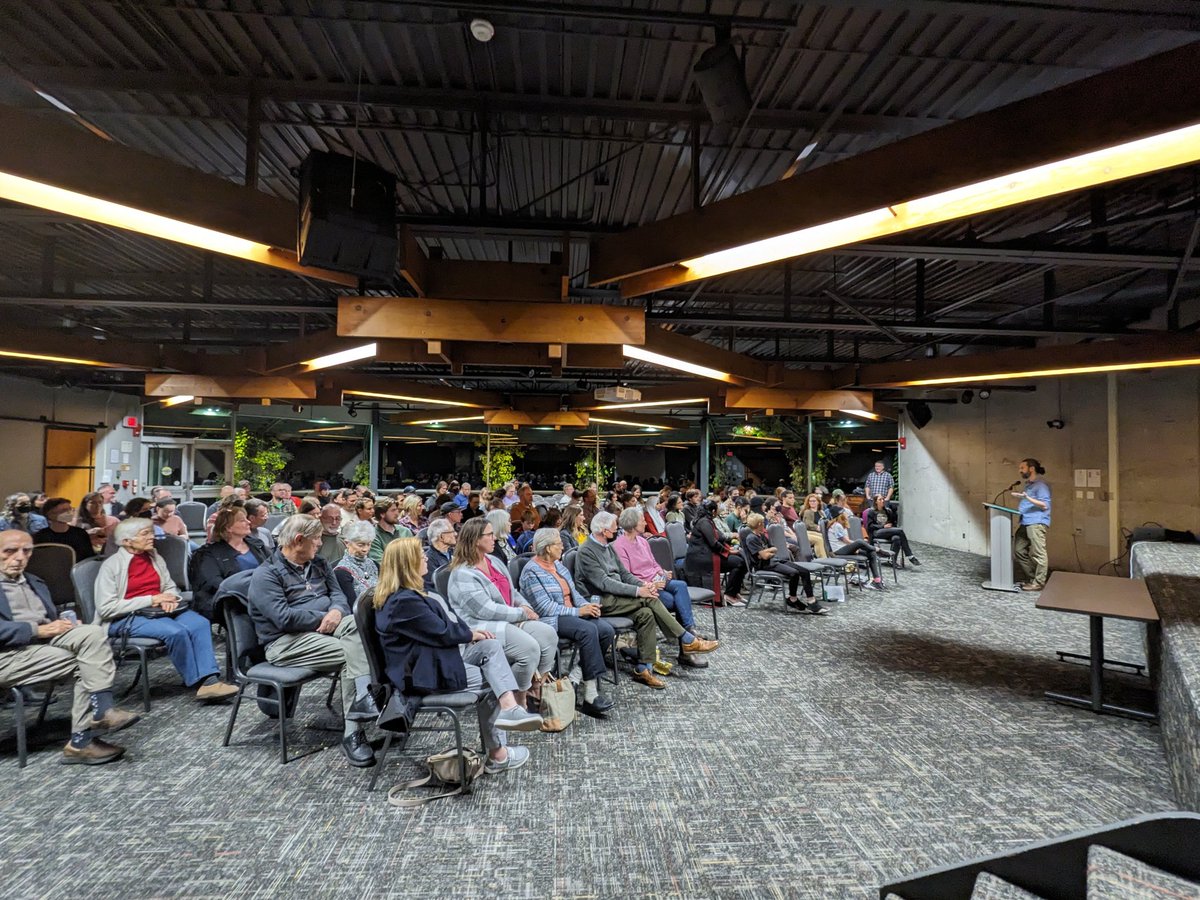
I'm giving a public talk at local bottle shop next week. I'll talk about some of our research on sandhill cranes in Ontario and share some stories from over two decades of field work chasing animals around the continent. Great beverages and cool animals all in the same place.
Valentine's tip from the Greater Sage-Grouse: If your dance moves involve chest puffing, tail feather fanning, and strange balloon-burp noises, you might just impress your Valentine enough to gather a crowd and win their heart 🕺 #ValentinesDay 💕
Our new paper demonstrating the wisdom of older sage-grouse moms and individual variation in habitat selection got the cover and Editor's choice (https://t.co/JwFiWvUoUW) in @WildlifeBiol this month. @ers_uw @envwaterloo
@WildlifeBiol@NordicOikos @WileyEcolEvol A summary of our most recent publication. Female sage-grouse raising young are no different than people raising young - we all like to keep them out of danger @ers_uw @envwaterloo
Blog: Habitat selection and avoidance behavior of female greater sage-grouse raising young in an oil and gas field
https://t.co/fXFvhA6WCr #grouse#GPS#tracking#predation#survival@NordicOikos @WileyEcolEvol
Thank you to everyone who came out to support the first screening of "Butterflies at the brink: the story of the mottled duskywing". It was an incredible night! #teambutterfly#speciesatrisk
I love doing field work. It is one of my favourite parts of the job. I love training students in the field.... But the admin burden is exhausting. I reflect in a @ers_uw blog. Field work. Is it worth it?
https://t.co/9WgRBNtKlL
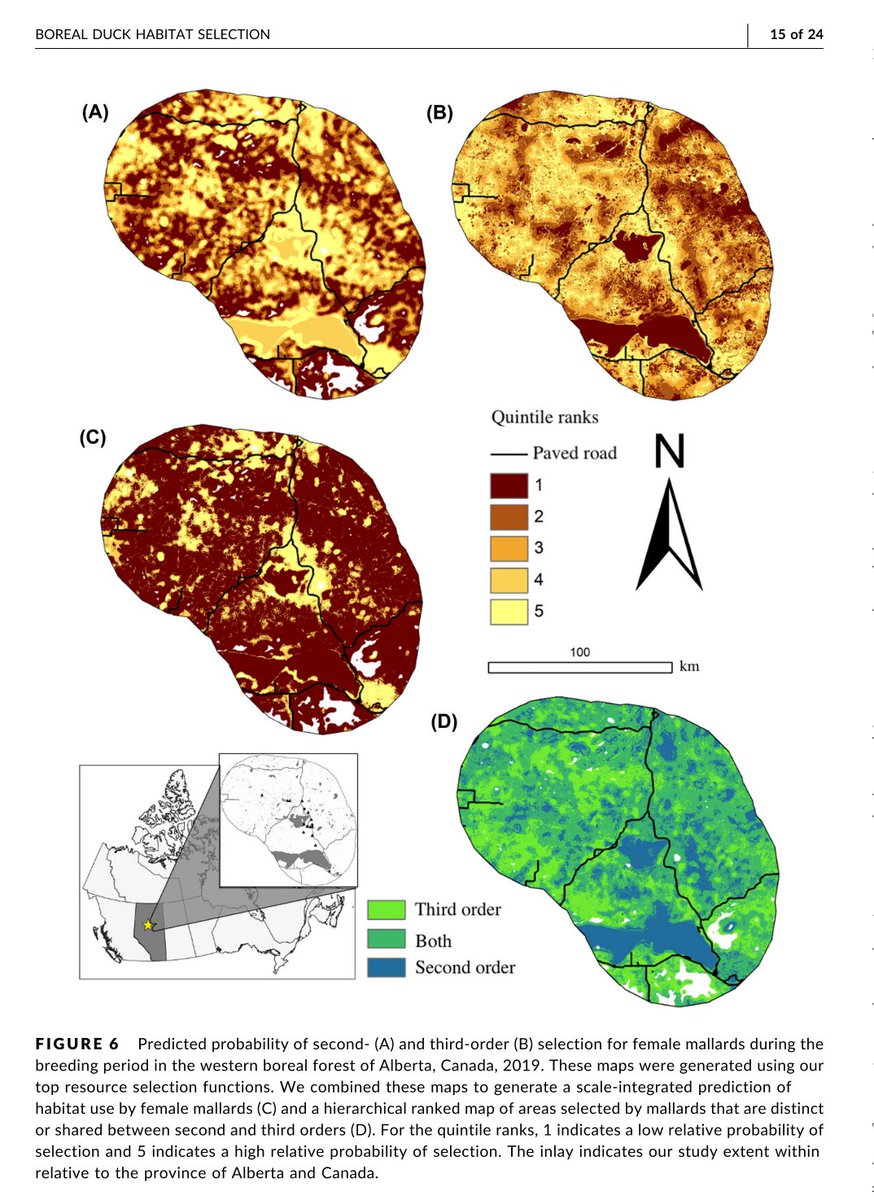
Who doesn't love spatial model predictions? Beautiful and informative. Here is our latest from our research on ducks in the boreal forest. https://t.co/YCNoOcTgJa. Excellent work by the Twitterless Ryan Johnstone with @DysonWildlife@ducanada. @ers_uw @envwaterloo