@CaptRicWilson@envoyaircareers Have a safe trip!
Even though AA has the hub in MIA, I guess you're bringing it to FLL instead because of the Embraer facility there?
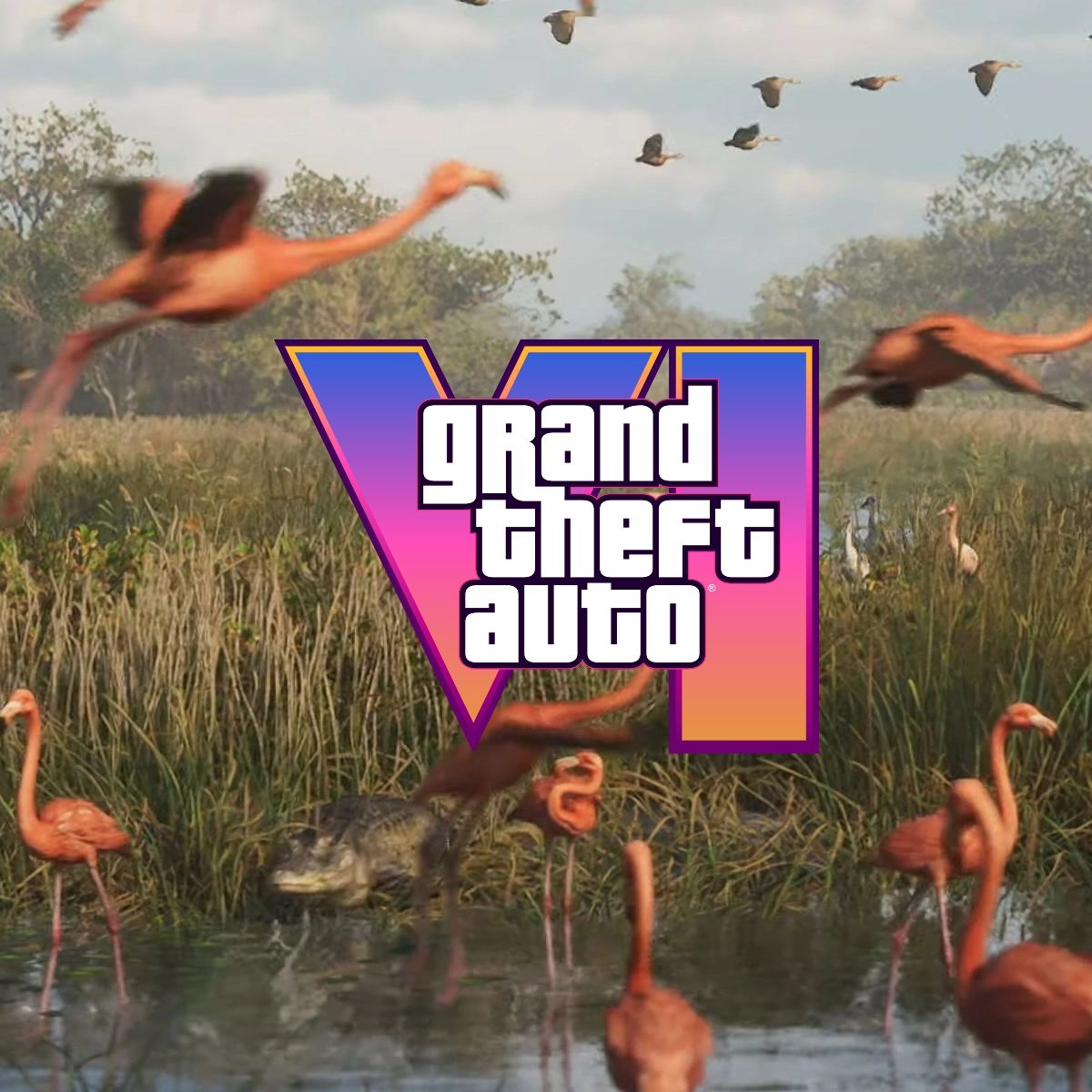
Birdwatchers are planning to buy GTA 6 just to look at birds instead of committing crimes
The game features 62 different bird species to discover and record in a wildlife logbook
@MCCCANM I think American can, and probably will turn things around. They’re making some steps in the right direction, but of course it’s going to take some time. JetBlue on the other hand, I’m much more concerned about.
@QueensCrapper Nothing wrong with wanting a bigger yard and good schools for the kids. My issue with LI is that so many of the people here are downright angry, rude, impatient, and miserable
In one study, most chickadees without a bird feeder present didn’t make it to spring. Most with one did.
A Wisconsin study followed hundreds of marked chickadees over three winters. 69% of the birds with feeders readily available survived. Only 37% survived without.
A chickadee lives on the edge in winter. Every day, it eats about 10% of its body weight, then burns all of it shivering through the night. Every morning, it starts near empty.
About half of what it eats in winter is insects: eggs and pupae tucked into bark and twigs, waiting out the cold.
Those insects come from native trees. An oak feeds hundreds of kinds of caterpillars. A Bradford pear or a crape myrtle feeds almost none.
Now picture the average subdivision. Lawn, a Bradford pear out front, a row of boxwoods. A chickadee working that yard in January is picking through a nearly empty pantry.
Don't beat yourself up. Most of us didn’t choose those plants. The builder did. Here's what you can do:
Stock a feeder with black oil sunflower or put up a plain suet feeder.
Plant one native tree. Fall is the best time to do it. Oaks are the gold standard, with native cherries and willows close behind. The National Wildlife Federation’s Native Plant Finder shows which plants feed the most caterpillars where you live.
And leave the leaves under it. A lot of moths spend the winter as pupae in leaf litter, and those make next spring’s caterpillars.
You don’t need a perfect yard. Researchers point out that a neighborhood where lots of people plant some natives does more than one person going all-native.
Just do what you can, the chickadees will appreciate it.