MAGA regretting they voting for Trump....Hmmm. You thought it would only affect the other guy. Until you realized you are the other guy too.
JD Vance
F Trump
DOGE
Snowden
Migrants
Oval Office
Glenn Beck
Raids
.@RepAlGreen: "The movement to impeach the president has begun. I rise to announce that I will bring Articles of Impeachment against the president for dastardly deeds proposed and dastardly deeds done."
The biggest conferences in Latin America are held in public spaces (e.g., autonomous universities). People sell food & beverages in the streets. Events are held in the plaza. Academic organizations in the Global North need to make their conferences more inclusive—i.e., PUBLIC.
First peer reviewed article is live - “We Survived This”: California Missions, Colonialism, and Indigenous Belonging
Published by Political Theology (@PolTheoNetwork).
Based in my ethnographic research in the San Francisco and Monterey Bay Areas
https://t.co/W06qgvZ3XT
I just signed the @AuthorsGuild's Open Letter to Generative AI Leaders calling on them to compensate writers fairly for the use of copyrighted materials in their AI programs. Sign here: https://t.co/k2Ws99X7MK
'Why didn't we know?' is no excuse. Non-Indigenous Australians must listen to the difficult historical truths told by First Nations people https://t.co/NnE7WrYu40 via @ConversationEDU
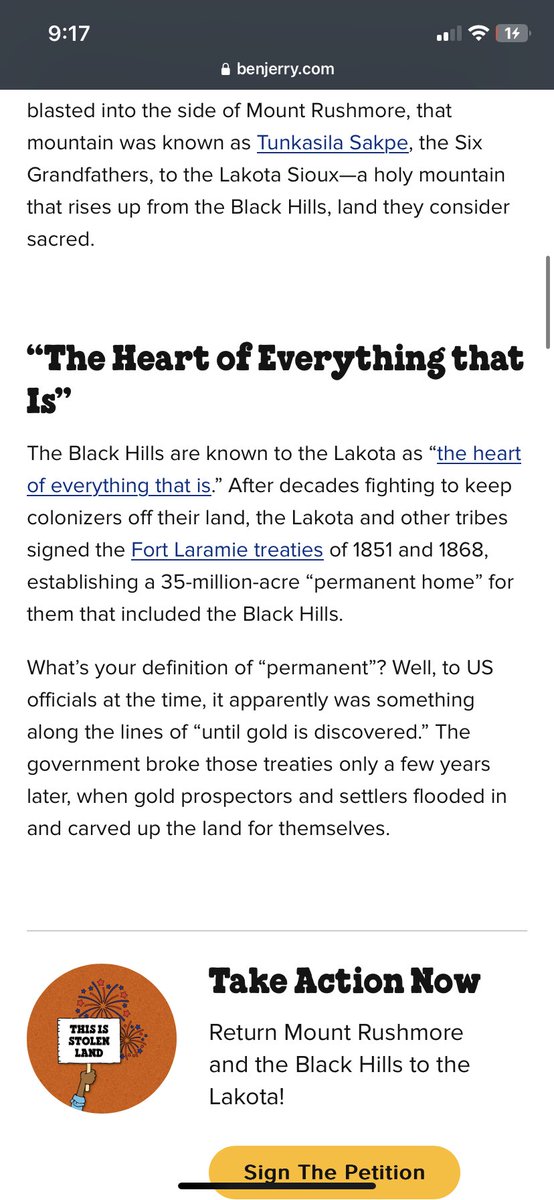
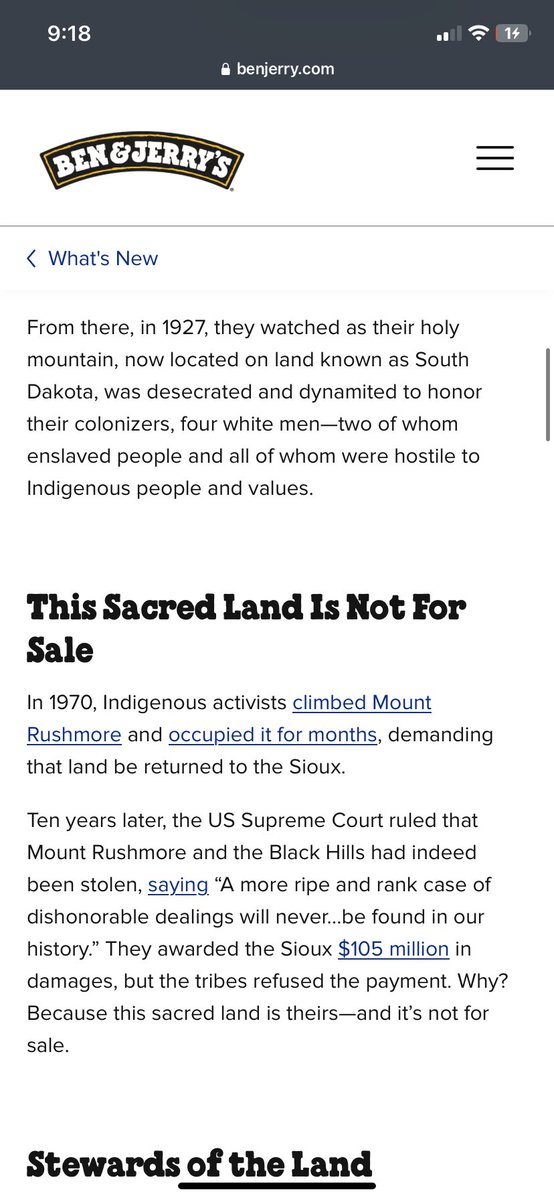
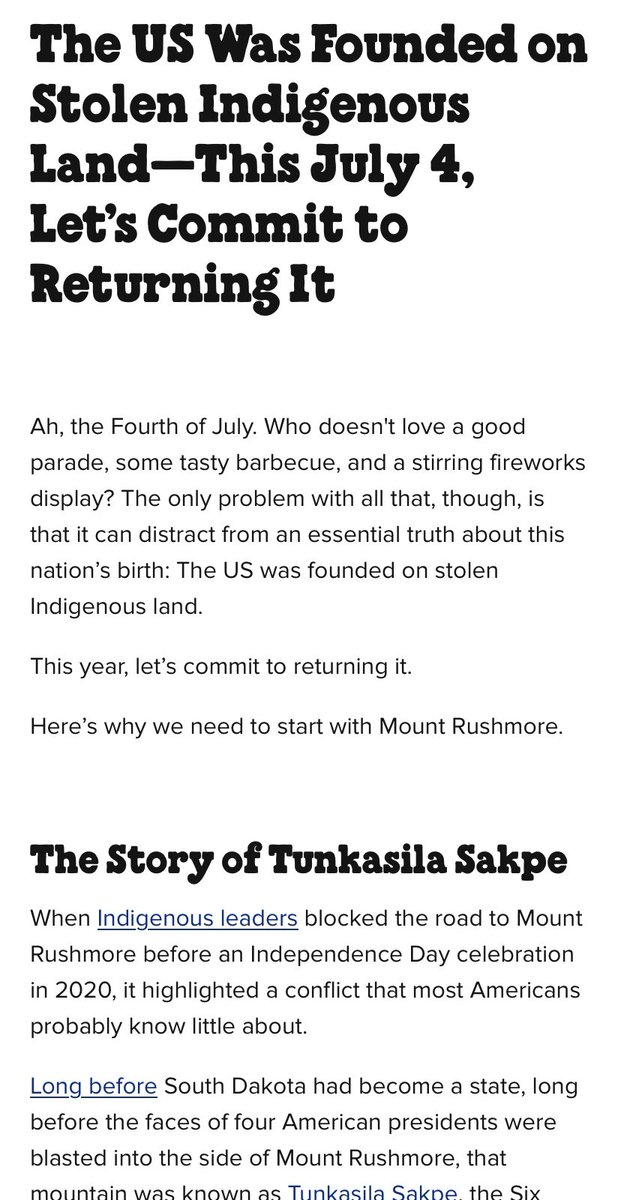
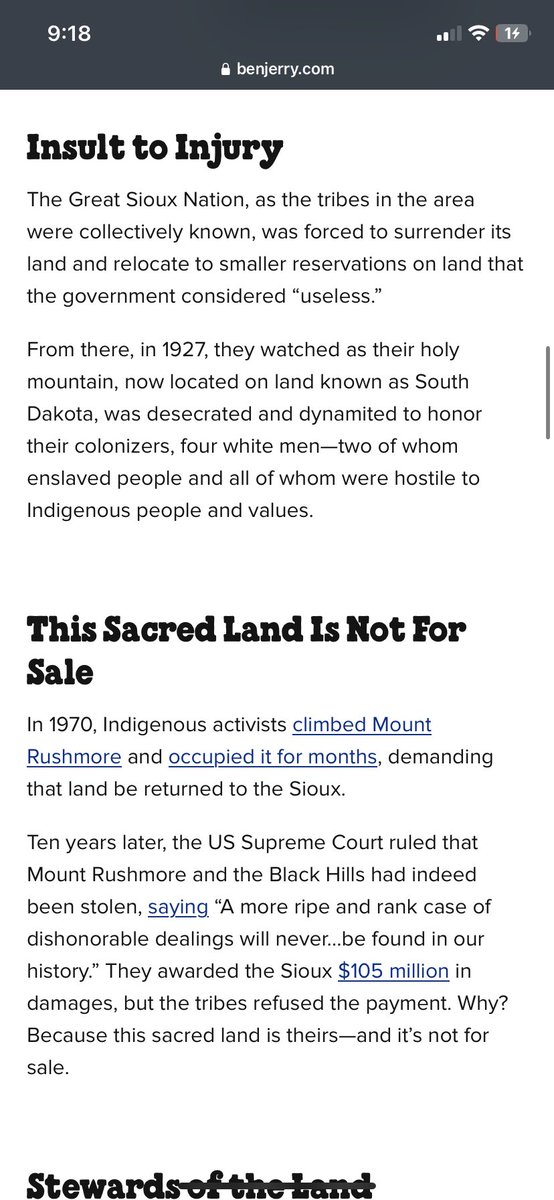
The Ben and Jerry's ice cream company has launched a campaign to raise awareness about #LandBack and support the return of the sacred Black Hills to the Lakota people.
https://t.co/hKmhaqQc4y via @benandjerrys
I am stunned at @benandjerrys post about Land Back and returning the Black Hills. Usually even the most “progressive” brands will only offer lukewarm land acknowledgments and stop there. Seeing a company this big tell the real truth using this language evokes so many emotions.
10,800 Years Ago, Early Humans Planted Forest Islands in Amazonia's Grasslands
An aerial shot of the Llanos de Moxos region in South America shows the strange isolated mounds of trees that grow among expansive grasslands. Scientists’ explanation for these islands: Ancient humans planted and cultivated crops, making them some of the oldest domesticated plants in history.
Every spring, rains and snowmelt swamp vast grasslands that stretch between the Andes Mountains and Amazon rainforest in northern Bolivia. But thousands of tree-covered mounds stand solid, several feet above the flooded grasses.
“They are like islands in a sea of savannah,” says Umberto Lombardo of the University of Bern, Switzerland. In 2006, Lombardo first stepped onto a forest island in this Llanos de Moxos region, puzzling over how such features could form naturally. “As a geographer, I had absolutely no explanation for them,” he recalls.
One theory suggested that over the past few centuries, ranchers had carved away lush rainforest to create pastures, but left scattered groves of about 300 trees each. Yet that didn’t explain why the trees grew on higher ground.
It turns out the forest islands were made by people, and are much older than suspected. Lombardo and colleagues pieced together the history, published in May in Nature: Roughly 10,800 years ago, humans cultivated crops in the Llanos de Moxos — which puts them close in age to the oldest known domesticated plants, cultivated in the Middle East about 12,000 years ago. This confirms Amazonia as one of the first places on Earth where people domesticated wild species.
Their gardens piled up fertile compost, which allowed trees to root above the seasonal flood line. Rather than wrecking the environment, the artificial forest islands enhanced biodiversity, providing habitat for rare species to this day. Lombardo “is a real hero in this … really pushing research,” says José M. Capriles, study co-author and archaeologist at Penn State.
In 2012, he and Lombardo launched excavations, which confirmed that three mounds were made by ancient people, based on burned clay, food scraps and human burials found at the sites. For the new study, Lombardo used Google Earth to map 6,643 forest islands in a region about the size of Illinois. “It was like a Zen activity just surfing and clicking on all these points,” he says.
The researchers probed some and found archaeological debris similar to the fully excavated sites in 64 out of 82 of the tested mounds between 2,300 and 10,850 years old. From that ratio, they estimated humans erected at least 4,700 of the 6,643 forest islands visible on Google Earth.
In the probes, the team also identified microscopic plant remains from the oldest-known squash in Amazonia and the oldest-known crops of the tuber cassava (also known as manioc or yuca) in the world, as well as nearly 7,000-year-old corn — a plant domesticated about 2,000 years earlier in Mexico. It seems people passed seeds from one community to the next, spanning over 2,000 miles from Central to South America.
It’s oooooooout!
In today’s #ThisLand bonus episode we take you inside the Supreme Court to break down last week’s surprise decision upholding #ICWA.
Listen wherever you get ur pods.
Before the colonists came, First Nations peoples burned small and burned often to avoid big fires
The way we burn is known as mosaic cool burning—burn this area, leave this area—which produces
https://t.co/X5EzWpKgLf via @physorg_com