🚨 #ULTIMAHORA preocupación por el estado de salud mental de Edward Norton. Se le ha visto desorientado hablando solo durante el USA-Turquía en el estadio de los Ángeles.
Hice un post sobre Hugo Basilotta, el dueño de Guaymallén, donde simplemente dice "la marca es tiempo, y hay que regarla todos los días" y llegó a 1.6 millones de views.
Pero lo que me sorprendió realmente no fue el alcance, sino la cantidad de comentarios.
Una mujer cuenta que su abuela le compraba alfajores Guaymallén y le armaba un paquetito con turrón y caramelos, envuelto con el hilo que venía en las cajas de pizza.
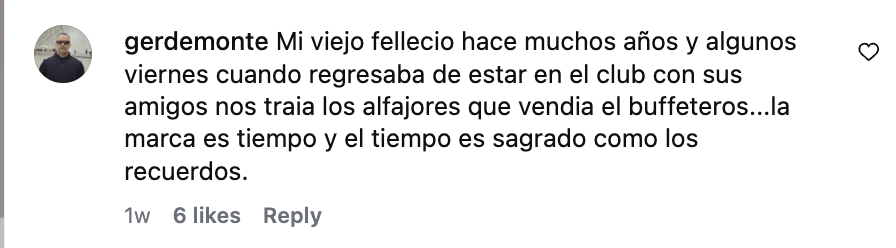
Un tipo cuenta que su viejo, que falleció hace años, volvía del club los viernes y le traía los alfajores que vendía el buffetero. Cierra con: "La marca es tiempo, y el tiempo es sagrado, como los recuerdos."
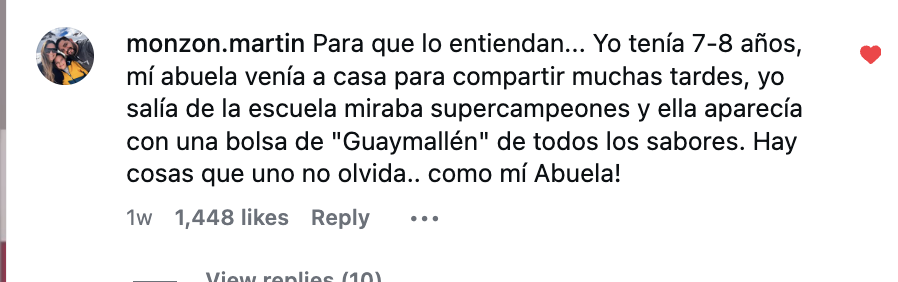
Otro cuenta que tenía 7 años, miraba Supercampeones después de la escuela, y su abuela aparecía con una bolsa de Guaymallén de todos los sabores. "Hay cosas que uno no olvida. Como mi abuela."
Ninguno habla del alfajor.
Hablan de la abuela. Del viejo. De los viernes. El alfajor es el detalle que ancla el recuerdo, pero el recuerdo no es del alfajor.
Una vez entrevisté a Steve Walls, ex CSO de Publicis Singapur, y me dijo: "el objetivo de una marca no debe ser ocupar un espacio en la pantalla, sino en la mente de la persona."
Eso es lo que pocas marcas contemporáneas están construyendo. Hoy se pelea por la pantalla: el feed, el banner, el pre-roll.
Hay una verdad que la mayoría de los empresarios, founders no quiere escuchar: a la gente no le importa tu producto. O más bien, le ch*pa realmente un huevo tu producto.
Le importa su vida. Le importa su abuela, sus viernes, su pibe saliendo de la escuela.
Tu marca, en el mejor de los casos, es parte del decorado de esa escena. En el peor, es el ruido que interrumpe.
La marca nunca es el héroe. Siempre es el aliado.
Y las que se creen héroes lo aprenden a los golpes. Lo aprenden cuando el cliente las cancela en cinco minutos.
Cuando el ad cuesta el doble y rinde la mitad. Cuando contratan al influencer del momento y nadie compra. Cuando hacen el rebrand de medio millón de dólares y nadie nota la diferencia.
Hugo nunca pretendió ser el héroe.
Puso vendedores ambulantes en cada cancha y cada estación de tren del país. Bancó al Chino Maidana cuando todavía boxeaba en clubes de barrio. Mantuvo el precio bajo aunque el margen sea 5% o incluso 3%. Donó a escuelas sin pedir contraprestación.
Cada una de esas decisiones es una marca decidiendo no ser el héroe. Decidiendo ser el alfajor que la abuela pone en el paquetito con turrón. El que el viejo trae del club el viernes. El que aparece en la bolsa después de Supercampeones.
Eso no se compra. Se gana eligiendo, todos los días, no ser el protagonista de la historia que tu cliente está viviendo.
La pregunta incómoda no es: ¿tu marca está captando atención este trimestre?
Sino: ¿todavía no entendiste que nunca fue, es, ni será TU historia?
@nhbasilotta
thinking about what the internet was like when justin bieber uploaded that first cover. youtube was three years old. twitter was two. instagram didn’t exist yet. tiktok wouldn’t exist for another decade. there were no “creators.” there was no creator economy. there was no algorithm feeding you a personalized slurry of content engineered to keep you scrolling for eleven more seconds. there was jus a website where people put videos, and sometimes those videos reached everyone and changed the creators life. this performance is a memorial for the internet we lost.
Being a movie star is not glamorous. But the pay structure is absolutely insane.
Chalamet lives in a trailer with a porto potty for 8 months at a time. 18-hour days. The actual set lifestyle would make most people quit a desk job in a week.
His breakout film paid him $50K. Dune paid $2M. Wonka paid $9M. A decade of living like a construction worker with better lighting, and his total film earnings came to roughly $15-20M.
Then Chanel wrote him a single check for $35M to spray cologne. More than every movie he'd ever made combined. Scorsese directed the commercial.
That's how Hollywood actually works. The movies are the resume. The suffering builds the brand. The brand is what gets priced. Chalamet was told early on: no hard drugs, no superhero movies. He listened, took every miserable 8-month shoot, and built the kind of artistic credibility that luxury houses can't manufacture.
Marvel would've paid him $6M and owned his image. Chanel paid $35M and let Scorsese direct the ad. The actors who optimize for comfort cap out. The ones who optimize for prestige become cultural assets worth more to a perfume company than to a movie studio.
O'Leary looked at the trailer and saw suffering. Chanel looked at the trailer and wrote a $35 million check because of it.
In 1996, a guy in Portland who’d already had one novel rejected figured he was never getting published. So he stopped trying to impress anyone and wrote the angriest thing he could. He sold it to a publisher for $6,000. Fewer than 5,000 people bought it.
Fox picked up the film rights for $10,000.
They gave it to David Fincher. Gave him $63 million, Brad Pitt at $17.5 million, Edward Norton on a redirected pay-or-play deal from a completely different movie. The studio was buzzing internally. Executives loved it. Then they actually watched the finished film.
The marketing budget quietly got slashed.
The world premiere was at the Venice Film Festival, September 1999. Giorgio Armani was in the audience. The head of the festival was in his seat. Pitt and Norton had smoked a joint and were sitting up in the balcony together.
Helena Bonham Carter delivered the line. The festival director stood up and left. The audience booed. Loudly. People walked out. Norton remembered the boos drowning out the film.
Two people in the entire building were laughing. You could hear them cackling from the balcony. It was Pitt and Norton.
As the credits rolled, Pitt turned to Norton in the dark and said: “That’s the best movie I’m ever going to be in.” Norton said, “I think so too.” They hugged each other. Norton says they were both almost crying. Not from embarrassment. From joy.
The film opened to $11 million. The producer got the weekend projection fax and called it “a stab in your heart.” Within a month, Fight Club was out of the top ten. $37 million domestic on a $63 million budget. The Wall Street Journal, Entertainment Weekly, the LA Times all destroyed it. One British critic called it “an inadmissible assault on personal decency.”
Fincher printed that review on the DVD case.
That DVD sold 13 million copies. Fox had to reissue the special edition after fans bought out the original run. $55 million in rentals on top of that. Entertainment Weekly ranked it the #1 Essential DVD ever made.
The novel that sold 5,000 copies became the film rated 8.8 on IMDb with a 96% audience score. The New York Times later called it “the defining cult movie of our time.”
The people who booed were sure they were right. The two guys cackling in the balcony knew something the room didn’t.
Every generation’s most important work gets rejected by the audience that sees it first. The audience that makes it immortal always comes later.
There’s a scene in Breaking Bad where Walter White’s wife realizes he’s made $7.5 million and says:
“There’s no way we can wash this money through a car wash. No car wash in the world makes that kind of money in a year.”
That line hit me. Because it exposes a truth most people ignore: How much you earn is capped by the kind of business you run.
You can work harder, stay longer, even get smarter - but you’ll never make more than what your business model is designed to carry.
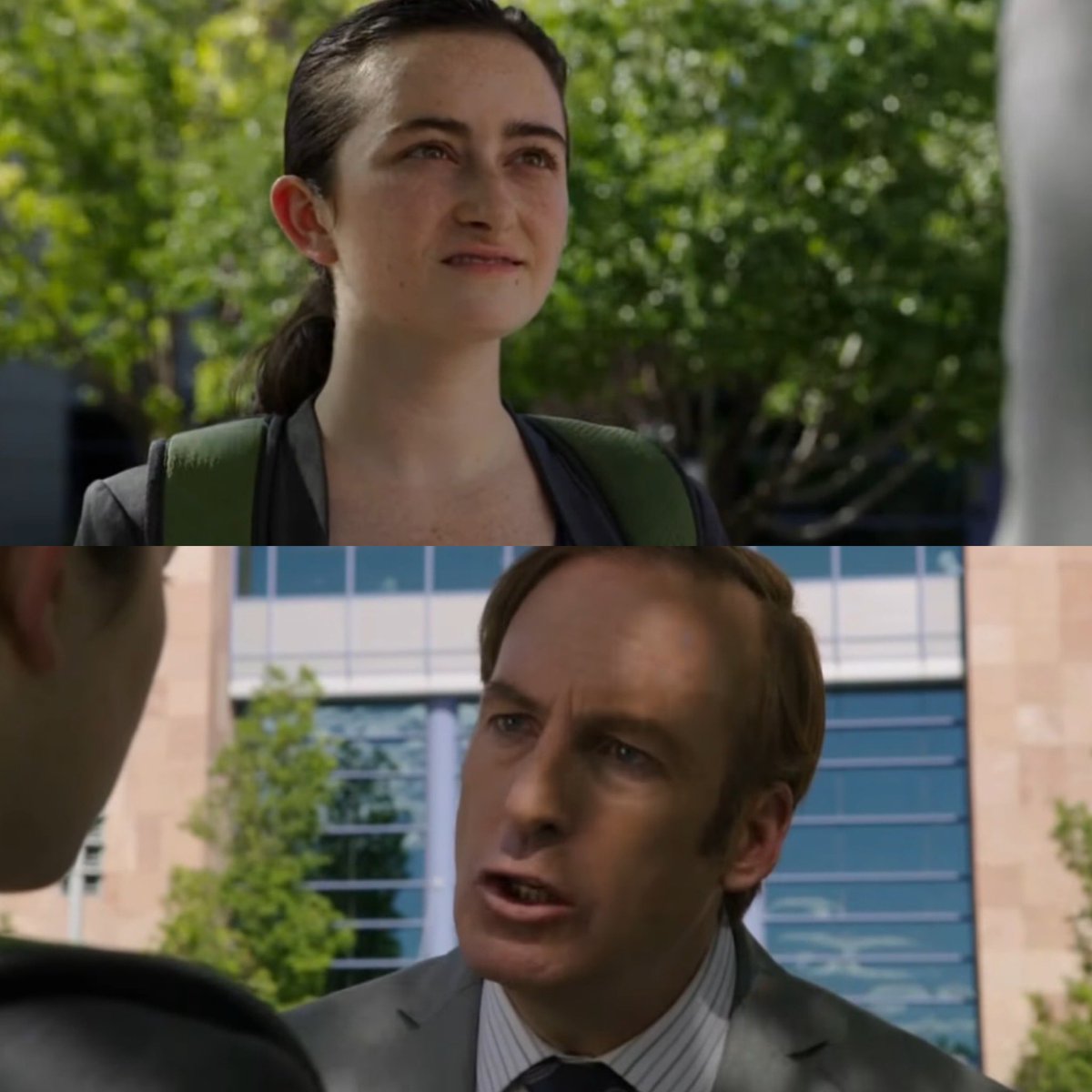
El momento en el que Better Call Saul se convirtió en una de las mejores series de la historia.
“No te lo dieron. Jamás te lo van a dar. Ellos te ofrecen estas cosas…te dicen que tienes la oportunidad, pero lo siento, es mentira. Ya tenían la decisión tomada, sabían que iban hacer antes de que llegaras, cometiste un error y no lo olvidarán nunca, en lo que a ellos concierne, tu error es lo que eres y es todo lo que eres, y no me refiero solo a la beca, me refiero a todo. Te sonreirán, te darán una palmadita en la cabeza, pero jamás te dejarán entrar. Pero escucha, no importa, porque no los necesitas, no te lo darán ¿y qué? Tú la vas a tomar, vas a hacer lo que sea necesario ¿me oyes? No vas a seguir las reglas, harás todo a tu manera, harás lo que ellos no hacen, vas a ser lista, vas a tomar atajos, y vas a ganar. Ellos están en el piso 35, tú estarás en el 50, los mirarás por encima del hombro, y cuanto más subas más te odiarán, bien, restriégaselos en la cara, porque tú no les importas tanto ¿y qué? Que se vayan muy lejos, recuerda el ganador se lo lleva todo.”
Master the pause. Before responding to that text. Before accepting that meeting. Before saying yes to that favor. The pause is where wisdom lives. Most mistakes happen in the rush. Most regrets from quick decisions. Slow down to speed up. Response time doesn't equal response quality.
En tus 20s, casi 30s, va a haber un momento en el que sientas que tenés que elegir entre la vida que conocés y la que te da miedo.
ES MUY IMPORTANTE QUE ELIJAS LA QUE TE DA MIEDO.
@ClinPi314 No pude comprarlo de esa forma pero lo hice directamente con ellos vía WhatsApp pagando por transfer mp y ya el producto está pedido! Vamo a ver 🙏🏻
@impuestito_org Voy a probar si al ser entrega gift me la dejan pasar y aviso pero después el resto probé TODO y no hubo forma. Va a pasar lo mismo con productos de más alto valor, si no reciben con OTP es medio raro. Quizás un empleado que reciba esos productos estaría bueno pero no hubo caso
@impuestito_org No, en ningún momento me pidió poner una contraseña de envío. Es más, Amazon directo te dice: ya que el producto es de alto valor, para evitar robos y reclamos, se brinda un OTP para que el transportista entregue el producto. Bring it supuestamente no puede recibir con otp 🙄👀