Welcome to a world of power struggles and political intrigue: Renaissance Italy.
#MetMedici opens tomorrow! *muffled shrieks of joy*
Read on for how to get ready for this exciting exhibition in just four easy steps: A thread.
🌟Please note: Access to the new Mignone Halls of Gems and Minerals is included with General Admission to the Museum. With limited capacity, all visitors will be required to join a virtual line (once at the Museum) for entry. For more details, click below. https://t.co/MUqsJFb2UD
New post on the blog! Check out Silk Part 2: American Production and Japanese Products for the American Market https://t.co/YS9LbiBIOD
These silk dressing gowns were made in Yokohama, Japan for export to the West
// ca. 1885, Los Angeles County Museum of Art, M.2007.211.784a-b
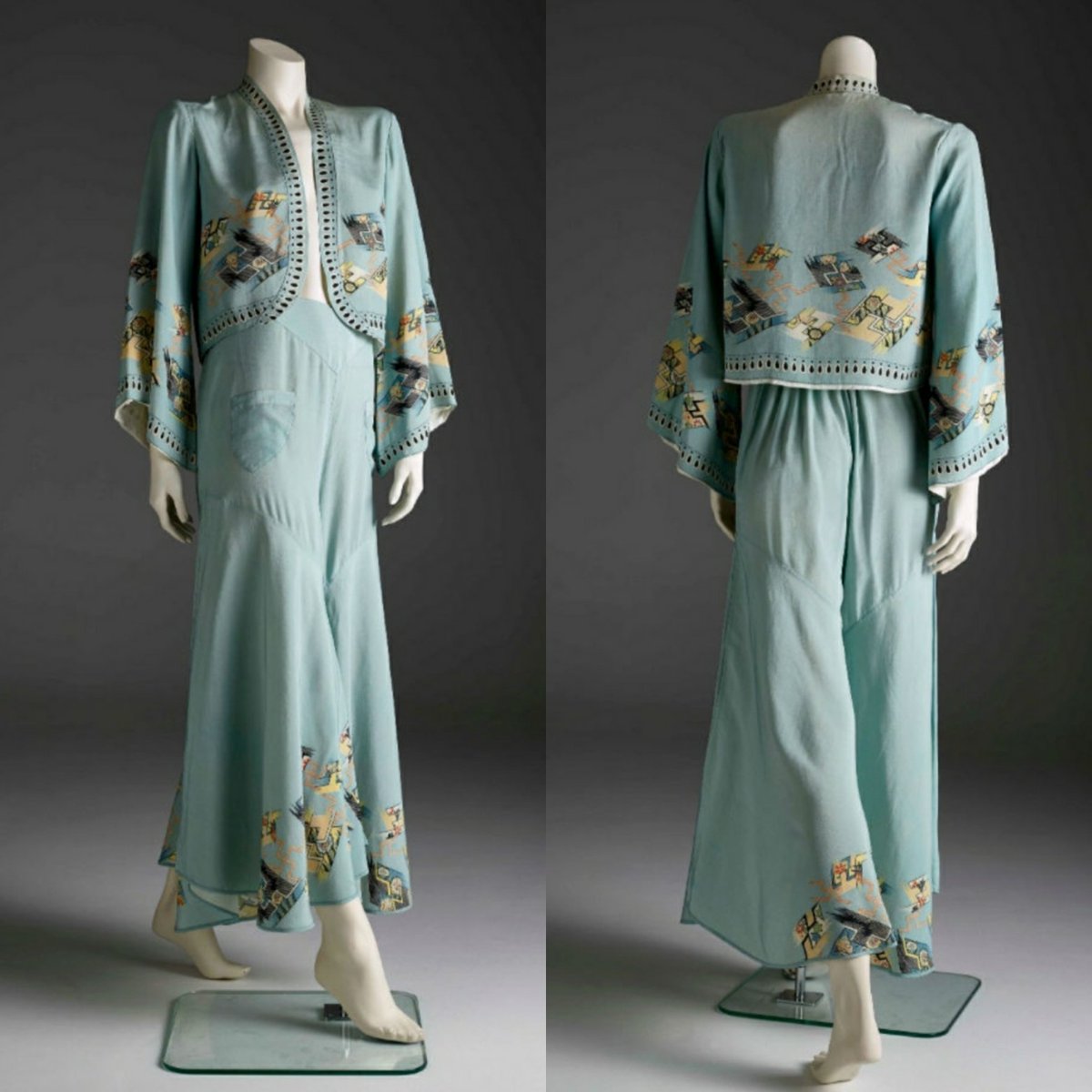
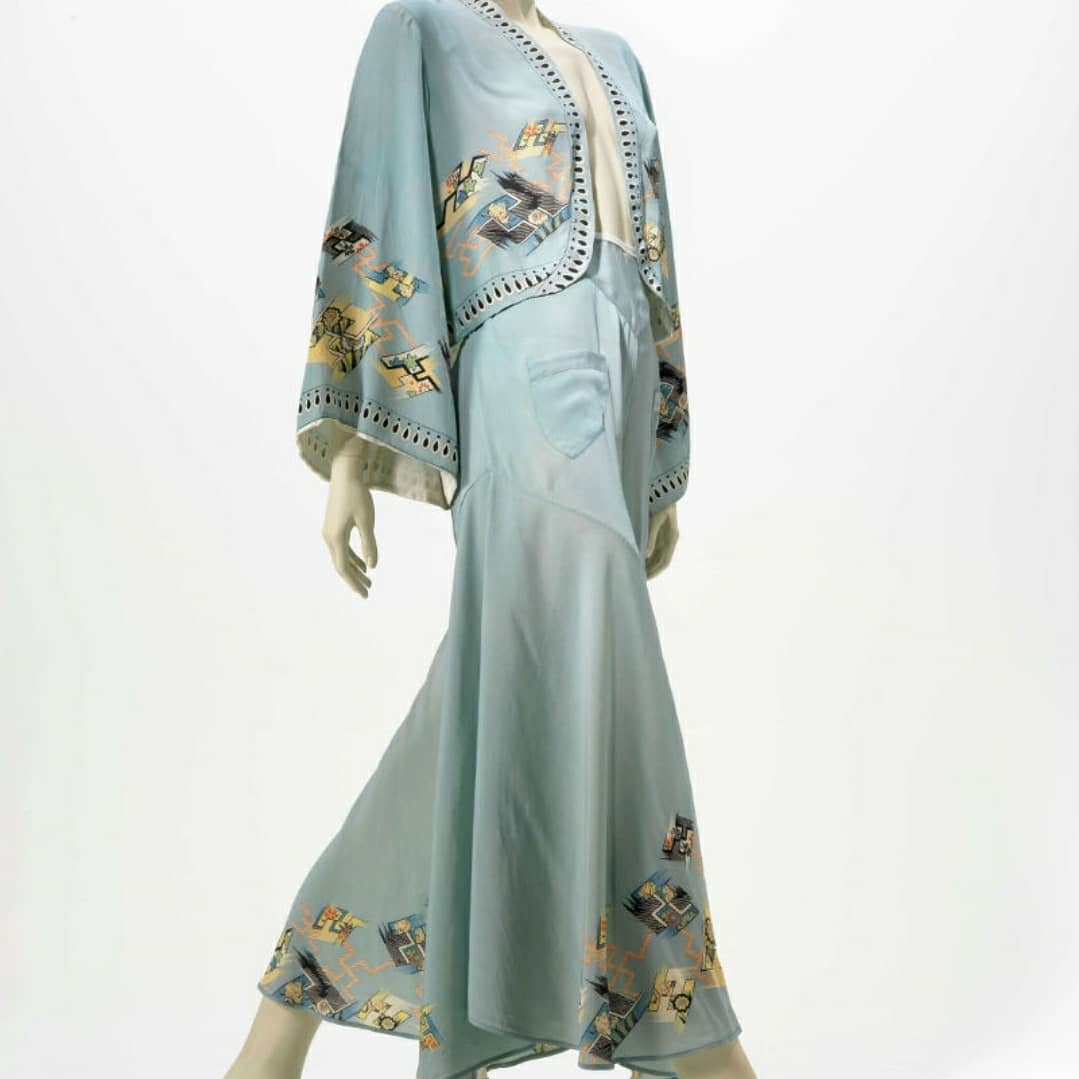
Popping to the beach in this glorious weather? You may need some beach pyjamas, like this glamorous 1930s ensemble, pale blue and lined with cream silk, with an Art Deco and Japanese inspired screen embroidered pattern.
This pyjama set is an example of high fashion, and 1/2
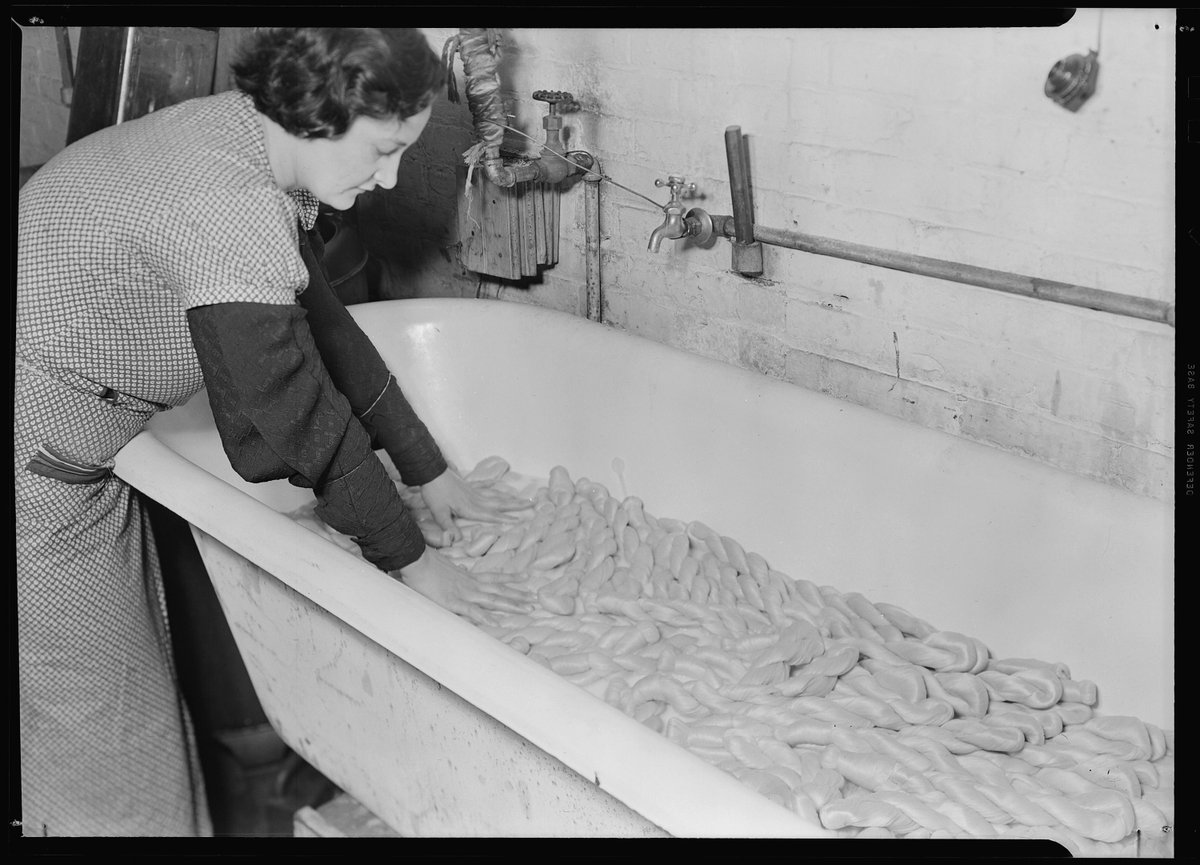
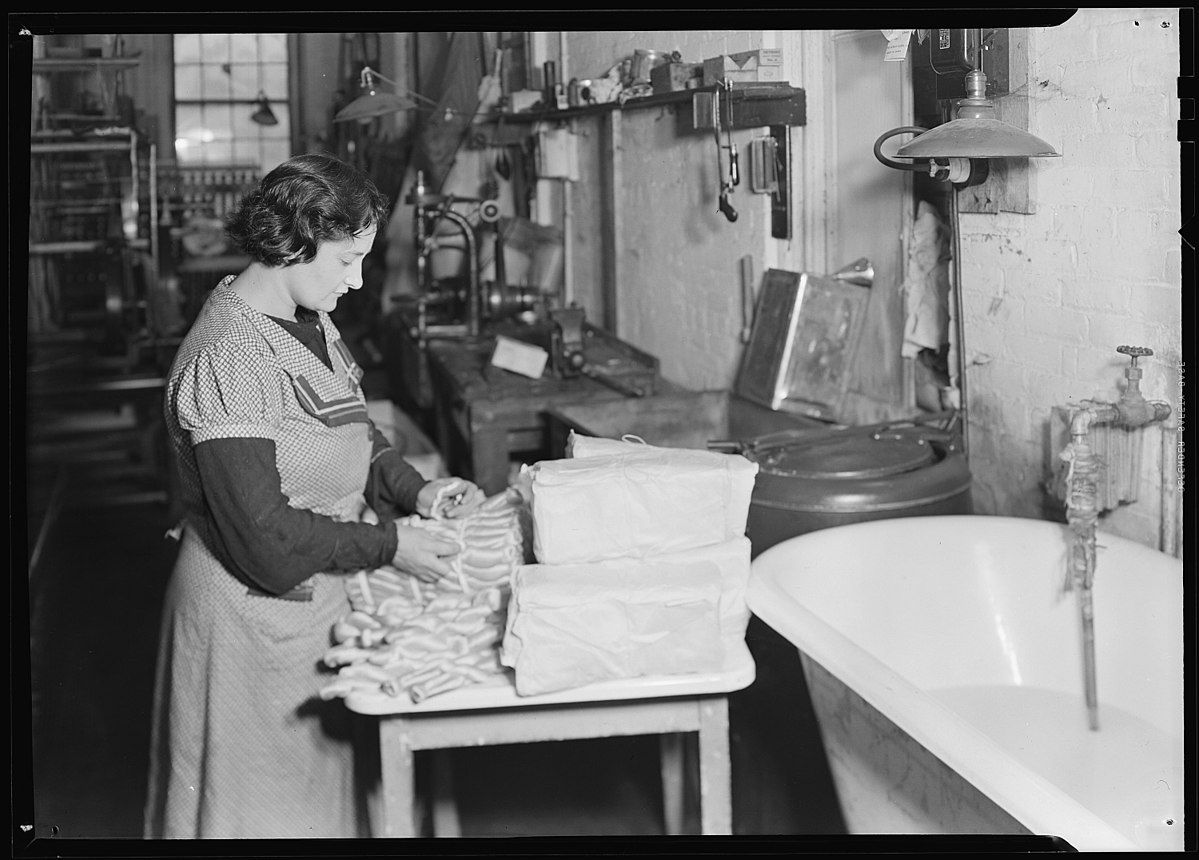
In answer to yesterday's post (2nd photo) the tub showed silk skeins soaking in a solution of boiled water to remove the natural gum that. This 1st photo is the precursor to the 2nd. The silk is untied prior to soaking.
// Lewis Hine, 1937, Public domain, via Wikimedia Commons
The Paterson Silk Strike of 1913 marked a pivitol point in the labor movement. Today we recognize the hardships and achievements of the American worker. https://t.co/hkJrIU0X66
#LaborDay#SomeplaceNotAnyplace
Did you read Silk Part 1: Japanese Production and Women's Work on the blog? Explore the crossing of East and West in the silk industry. https://t.co/9l0xVWpcTG
// Photographic glass-plate; ca. 1910, University of Victoria Libraries, No restrictions, via Wikimedia Commons
The Japanese women here gather cocoons and feed silkworms. Silk was Japan's largest export in the early 20th century and Japan was the world's leading producer of raw silk at the time.
// ca. 1910, University of Victoria Libraries from Victoria, Canada, No restrictions
In Japan, women comprised the majority of the labor force in the textile industry in the early 20th century. In this photo, Japanese women remove silkworm eggs from the sheets of paper where they were laid, preparatory for hatching in 1911.
// F. H. King, 1911, Public domain
Japan dominated the raw silk market in the early 20th century. Here young, Japanese girls feed silk works on bamboo trays by spreading fresh mulberry leaves.
// 1911, Unknown photographer, Unknown photographer, Public domain, via Wikimedia Commons
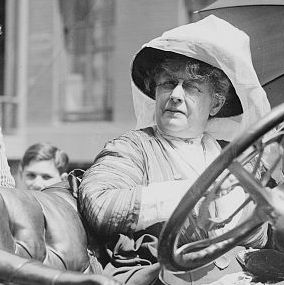
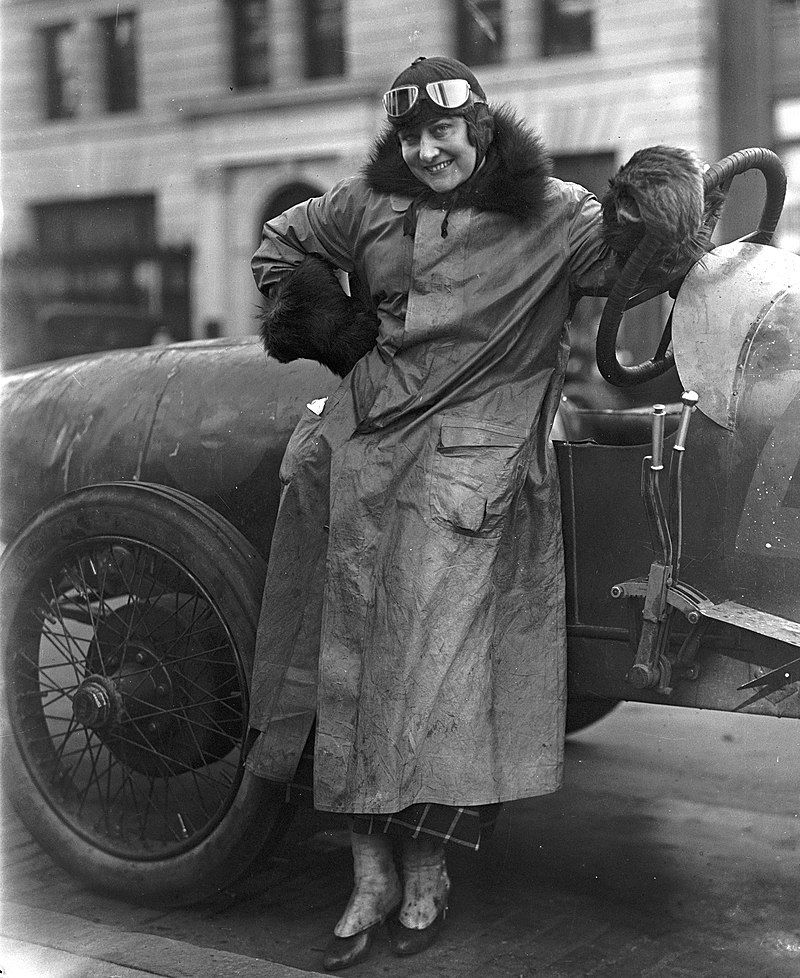
New Post on the Blog! Motoring Ensembles: Headgear, Gloves, and Car Coats in 1907-1919 https://t.co/sr9QZcUY7L
// Eleanor Blevins, 1915, Harris & Ewing, photographer, Public domain, via Wikimedia Commons; 1910, Photograph. https://t.co/GGwc9WW40N.
#fashionhistory
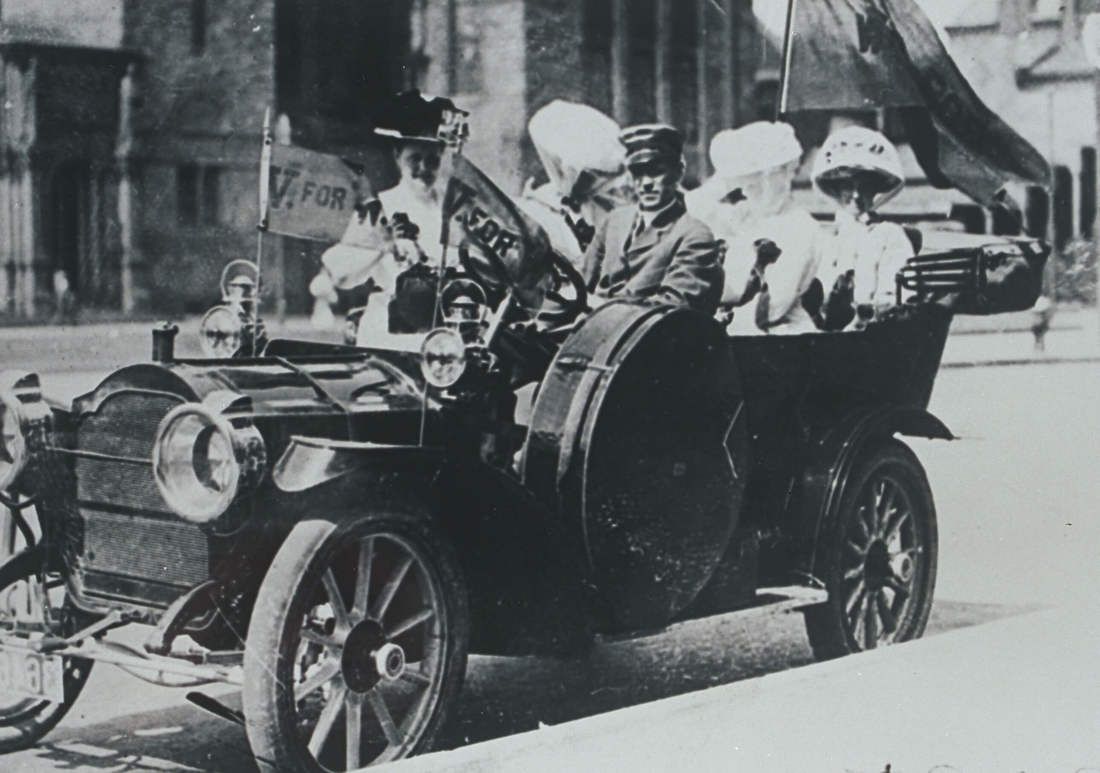
Suffragists riding with that practical and stylish motoring headgear in 1910. Hats tied under the chin and some with a front veil.
//Suffragists in a car in Copley Square in Boston in 1910, Unknown author, Public domain, via Wikimedia Commons
#fashionhistory#historyoffashion
Joan Newton Cuneo, a race car driver, is changing a tire here. Her car coat is cut in the stylish silhouette of the time, but her sleeves also have added room for maneuvering the wheel of the car (and changing a tire) comfortably.
// 1908, Unknown author, Public domain
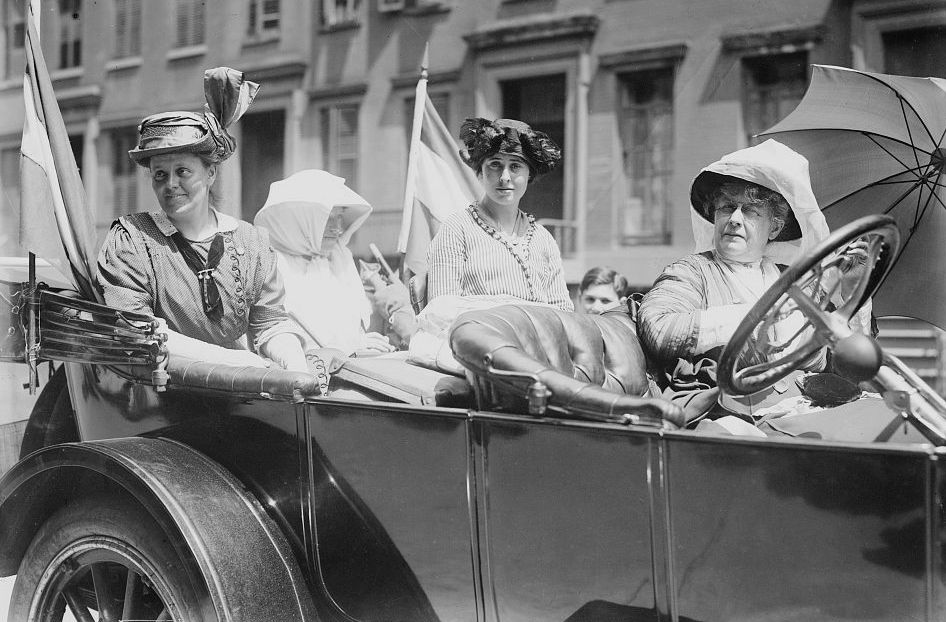
This photo shows (left to right) Susan Fitzgerald, Emma Bugby, Maggie Murphy, and Harriot Blatch in a suffrage parade in NYC. Notice the motoring veils of Bubgy and Blatch. These were stylish and practical.
// ca. 1910-1913, Bain News Service, Public domain, via Wikimedia Commons
Follow https://t.co/XKxE8AJZ0G to read February's post, Mary Eliza Church Terrell: A Stylish Figure of Equality and Civil Rights, in honor of Black History Month last month and an accomplished Forward Femme!
// March 18, 1926, Harris & Ewing photo studio, Public domain