Hay una moda instalada en IT y sobretodo en los devs que es no prender camara, no hablar en las dailys o que el lider de proyecto le saque las palabras a cuenta gotas, no presentar ni hablar en las demos, y asi puedo seguir con muchas cosas más
Muchachos ya no estamos en la epoca dorada que te pagaban 5k por existir y ocupar un puesto
Hoy mas que nunca tenes que animarte a hablar, presentar proyectos, animarte a liderar las dailys o retro, mostrar como solucionaste "x" cosa
Quizás te sirva poco y nada para tu laburo actual, pero te va a servir cuando emprendas y tengas que hacerle un pitch o una demo a un cliente
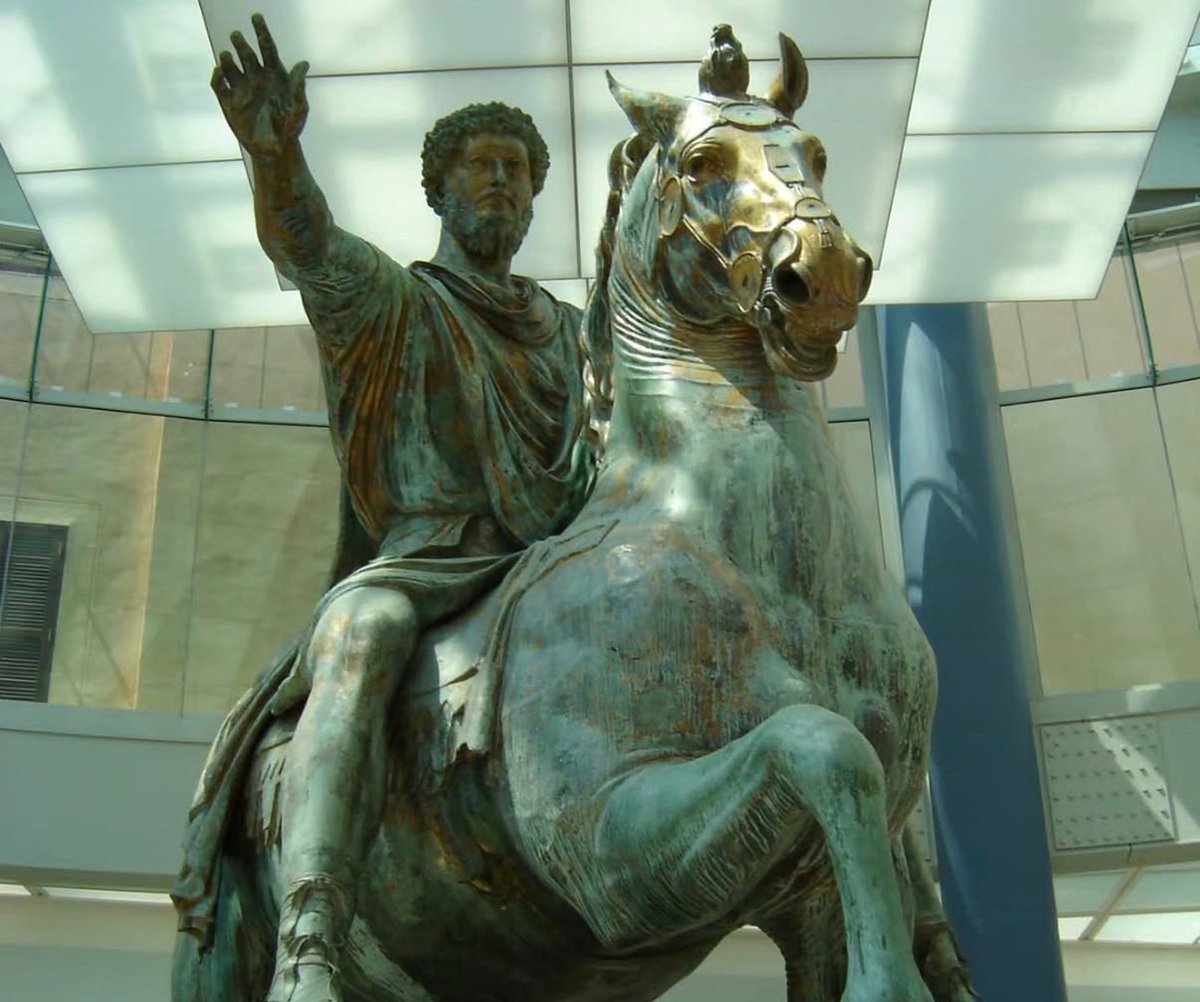
I love that the only monumental bronze equestrian statue from ancient Rome to survive is one of Marcus Aurelius—a man who had little concern for being remembered forever.
The statue of Marcus Aurelius was likely created around 176 CE, following his military campaigns against Germanic tribes.
Ancient Rome was once home to numerous monumental equestrian statues. Late Roman accounts mention 22 of these massive “great horses,” yet the statue of Marcus Aurelius is the only one that has survived intact.
Its preservation was largely due to a historical misunderstanding. During the Middle Ages, people mistakenly believed the statue portrayed Constantine, the first Roman emperor to embrace Christianity. Because of this mistaken identity, it was spared while countless other ancient bronze statues were melted down and their valuable metal repurposed.
That makes the statue’s survival particularly ironic. In Meditations, Marcus Aurelius often wrote about how fleeting fame, reputation, and human memory truly are. He believed that, with enough time, both those who are remembered and those who remember them will eventually disappear.
Why did Tolkien call death a gift?
In The Silmarillion, he writes death is an exclusive gift given to mankind by God. All other creatures envy this gift, including the immortal elves:
Mankind alone, through death, is granted union with the divine.
Tolkien's point is that immortality in a fallen world is not a blessing, nor man's actual purpose. To live forever in a world marred by corruption, vice, and decay is to be trapped with no escape.
Death, then, is not a tragic ending, but a release — a return of creation to its creator. The humility of mortal man leads to a glory far greater than immortality.
In other words, man was made for something greater than earthly pleasure. Death is the preparation for eternity.
Today we tend to see this backwards. We treat death as the ultimate evil, and endless life as the ultimate good, no matter the cost. We try to preserve life indefinitely, and in doing so, lose sight of what life is actually for.
Tolkien's final insight is simple:
A man who refuses to die for anything will one day find he has nothing worth living for.
A world that fears death above all else will never reach the highest good, for life truly begins when you discover a love greater than life itself.
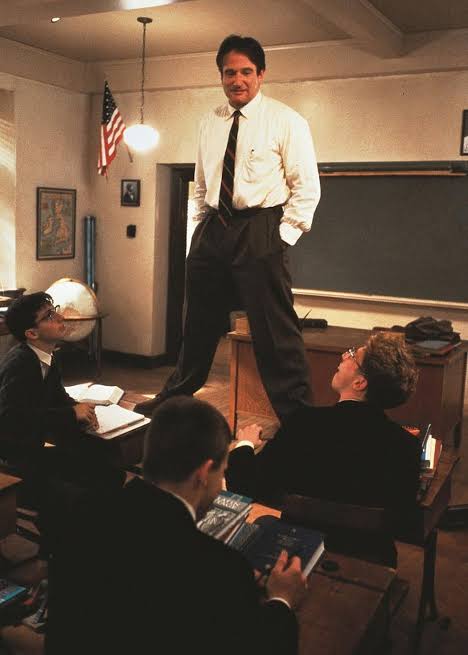
Dijo una vez Robin Williams en La sociedad de los poetas muertos: “Les contaré un secreto: no leemos y escribimos poesía porque es bonita. Leemos y escribimos poesía porque pertenecemos a la raza humana, y la raza humana está llena de pasión. La medicina, el derecho, el comercio y la ingeniería son nobles y necesarias para la vida, pero la poesía, la belleza, el romanticismo y el amor son lo que nos mantiene vivos. No estamos aquí solo para sobrevivir, sino para sentir, para soñar, para dejar una huella en este mundo”.
Real Luxuries in Life
1. Living 10 minutes from work
2. Living 5 minutes from the gym
3. Having quiet neighbors
4. Having money left at the end of the month and investing it
5. Peace at home
6. Drinking coffee without rushing
7. Sleeping with a clear conscience
8. Laughing with people who truly get you
9. Traveling every year
10. Waking up naturally without an alarm
11. Enjoying a home-cooked meal with loved ones
12. Having time to read a book in one sitting
13. Finding joy in simple daily routines
14. Having a pet that greets you happily at the door
These are the things that actually feel rich.
Atenas, 2004. Kilómetro 35 del maratón olímpico.
El brasileño Vanderlei Cordeiro de Lima corría solo, con una ventaja clara y el oro al alcance. Faltaban poco más de siete kilómetros para la meta y su zancada era firme, medida, paciente. No celebraba. No aceleraba de más. Solo corría.
Entonces ocurrió lo impensable.
Desde la multitud, un hombre irrumpió en el recorrido. Era un sacerdote irlandés con antecedentes de trastornos mentales. Sin advertencia, agarró a Vanderlei, lo empujó y lo sacó del trazado, rompiendo su ritmo y su concentración ante millones de espectadores.
En segundos, la carrera cambió para siempre.
Vanderlei se liberó, volvió al asfalto y siguió corriendo. Pero el daño ya estaba hecho. El italiano Stefano Baldini y el estadounidense Meb Keflezighi lo superaron. El brasileño llegó tercero. Medalla de bronce.
Pudo haberse detenido.
Pudo haberse quejado.
Pudo haber abandonado.
No lo hizo.
Cruzó la meta sonriendo y saludando al público, levantando los brazos como si hubiera ganado algo más grande que el oro. Y, en cierto modo, así fue.
Días después, el Comité Olímpico Internacional tomó una decisión excepcional: otorgarle la Medalla Pierre de Coubertin, el mayor reconocimiento al espíritu deportivo en el olimpismo.
Desde su creación, solo 21 atletas la han recibido.
Vanderlei es el único sudamericano en la historia.
No se la dieron por ganar.
Se la dieron por seguir.
Por no dejar que la injusticia lo convirtiera en resentimiento.
Por demostrar que, incluso cuando el deporte falla, la dignidad puede permanecer intacta.
Atenas no lo recuerda como el campeón del maratón.
Lo recuerda como algo más raro y más difícil de sostener:
Un atleta que perdió el oro,
pero defendió el espíritu olímpico cuando más fácil era romperlo.
@yongfook@koomai Not many breakfast options. Last time I visited everything opened up around 10am so if you're leaving early convenience stores works very well.