As cyberattacks become more frequent in the financial sector, the measurement of risk is important. A 'bug bounty' programme could be an effective strategy to search for vulnerabilities.
@hans_gersbach@mip_ethz@KOFETH_en@ETH, @fikripitsuwan@Cornell
https://t.co/i2wGFU5TKb
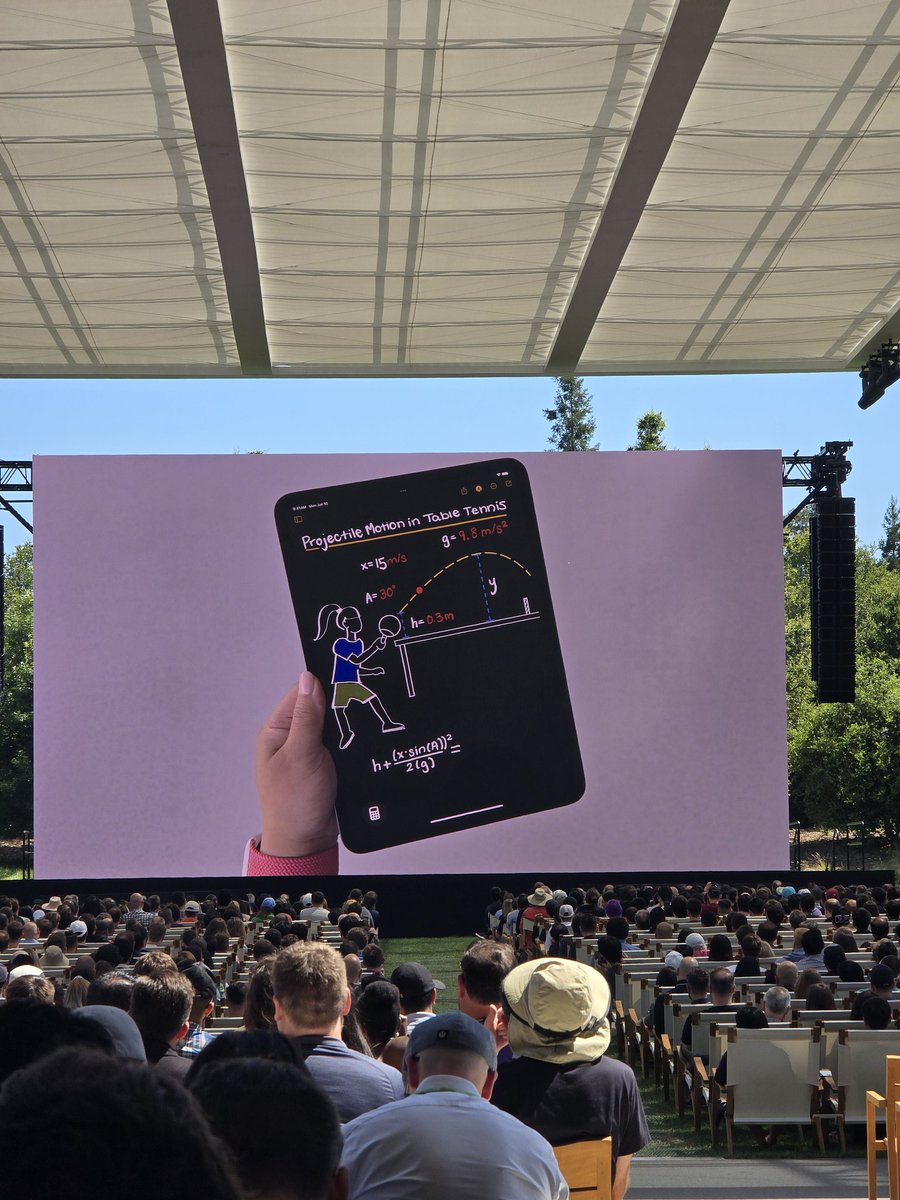
Ok you know what? That's sick
Math Notes = write down a math problem with Apple pencil and the app solved it immediately
They're not calling it AI (they haven't said it once yet) but that's powerful
After 8 years of research and teaching at different institutions, we've compiled a comprehensive guide to this emerging field.
Special thanks to all the institutions and colleagues who have supported us throughout this journey.
…
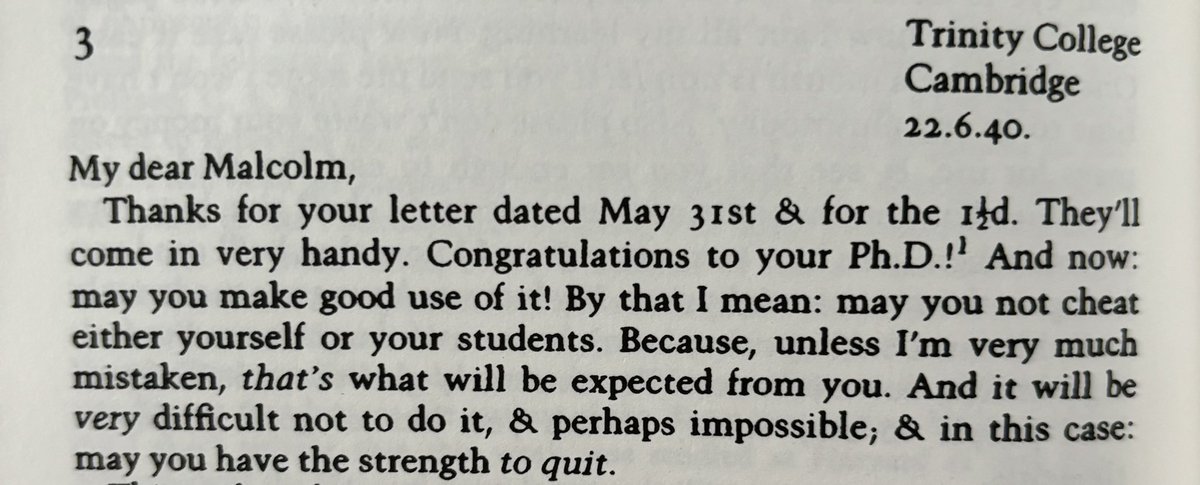
Because, unless I'm very much mistaken, that's what will be expected from you. And it will be very difficult not to do it, & perhaps impossible; & in this case: may you have the strength to quit.”
2/2
#AcademicTwitter#EconTwitter#PhD
In 1940, Wittgenstein wrote to Norman Malcolm, who had just received his PhD from Harvard: “Congratulations to your Ph.D.! And now: may you make good use of it! By that I mean: may you not cheat either yourself or your students.
…
1/2
#AcademicTwitter#EconTwitter#PhD
"We are Liverpool. We went through harder things together. And you went through harder things before me. And let's make a strength of it. That would be really cool. Let's squeeze everything out of this season and have another thing to smile about when we look back in the future."
I always keep this in mind when writing an exam: "A good exam squeezes out of you every little drop of what you didn't know you knew."
(I came across this during my college years and have since forgotten its source. A Google search attributes it to Nathan Keyes.)
For people who are teaching formal theory/ political economy, or might be interested in learning the content, I've posted all the lecture notes from the graduate course I taught at @RochesterPolSci online. It's a topics course on dynamic models in PE. https://t.co/9wQ0j8AHS8
Our paper with @hans_gersbach and @fikripitsuwan on economic design of bug bounty is online. We develop a contest model with an arbitrary number of agents who decide whether to engage in a costly search for bugs or not. Search costs are assumed to be a private information.