UN SOLO ARCHIVO CLAUDE.md ESTÁ CAMBIANDO CÓMO LA GENTE USA AGENTES DE CÓDIGO.
y el concepto es ridículamente simple.
un agente de codificación sin instrucciones toma por defecto el promedio de todo lo que ha visto.
ese promedio es mediocre.
se detiene antes de tiempo. inventa librerías. pide permiso para cosas que debería hacer solo.
CLAUDE.md lo cambia todo.
se carga en el contexto del modelo antes de leer tu solicitud. actúa como un contrato permanente que anula ese comportamiento por defecto.
es la diferencia entre contratar a un desarrollador sin instrucciones… y uno con las especificaciones pegadas en la pared.
mismo agente. resultado completamente diferente.
y lo mejor: funciona con Claude Code, Cursor, Codex CLI, Gemini CLI.
un solo archivo. enlazado con symlinks. editas una vez, todos los agentes se actualizan.
las ideas vienen de Karpathy y Garry Tan. el archivo es de código abierto. lo copias, pones tu nombre, y empiezas.
🔖 guarda esto antes de que lo necesites
The US government, citing national security authorities, has issued an export control directive to suspend all access to Fable 5 and Mythos 5 by any foreign national, whether inside or outside the United States, including foreign national Anthropic employees.
The net effect of this order is that we must abruptly disable Fable 5 and Mythos 5 for all our customers to ensure compliance.
Access to all other Claude models is not affected.
We apologize for this disruption to our customers. We believe this is a misunderstanding and are working to restore access as soon as possible.
Read our full statement: https://t.co/bwn0sximKZ
🚀 Claude-EM v2 ya está disponible con más novedades:
- El estilo del EM vive en su propio fichero.
- Las iniciativas tienen en una carpeta padre.
Workspace más limpio, actualizaciones más sencillas y 1:1s más potentes.
https://t.co/YyjCtC2GO5
We’ve shipped a security-guidance plugin for Claude Code that helps identify and fix vulnerabilities as you’re writing code.
Available for all Claude Code users. Install from the plugin marketplace (/plugins).
Claude Code tiene un nuevo plugin oficial de seguridad.
Mientras el agente escribe código, otro sistema revisa lo que está haciendo y detecta vulnerabilidades automáticamente.
Funciona en 3 capas:
1) en cada edit → busca patrones peligrosos (eval, innerHTML, exec, etc.)
2) después de cada respuesta de Claude → revisa el diff completo buscando problemas más complejos
3) en commits/push → hace una review más profunda leyendo código relacionado
También podés agregar reglas propias del repo usando archivos como:
.claude/claude-security-guidance.md
.claude/security-patterns.yaml
Por ejemplo:
“todas las rutas /admin deben validar auth”
“nunca loguear customer_id”
Si encuentra problemas, se los devuelve a Claude para que los corrija en la misma sesión.
Todo esto está construido usando hooks de Claude Code.
Anthropic dice que internamente les redujo 30-40% los comentarios de seguridad en PRs.
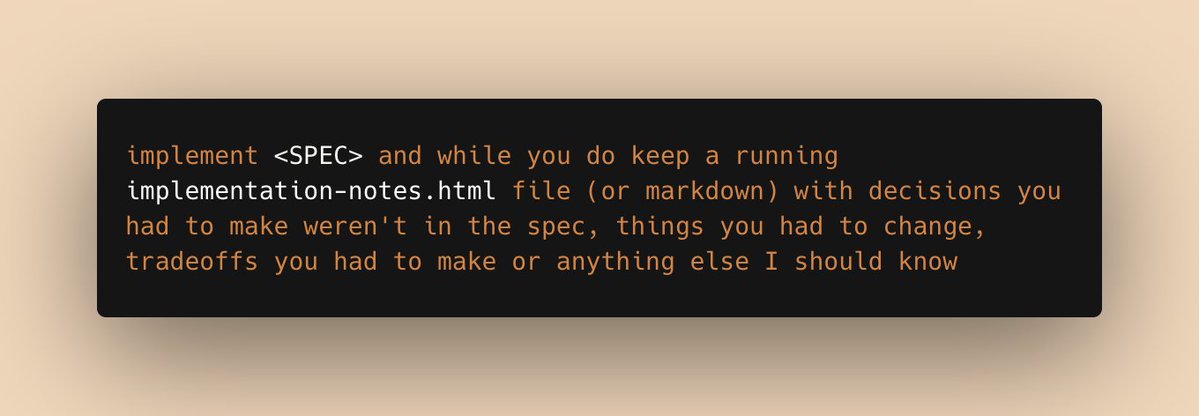
a prompt I've been using a lot recently:
implement <SPEC> and while you do, keep a running implementation-notes.html file (or markdown) with decisions you had to make weren't in the spec, things you had to change, tradeoffs you had to make or anything else I should know
Cuando entendés harness engineering, empezás a ver que gran parte de la “inteligencia” de un agente no vive solo en el modelo.
También vive en cómo organizás contexto, memoria, tools, permisos y el loop de ejecución.
Muy buen recurso para entender cómo se construyen agentes.
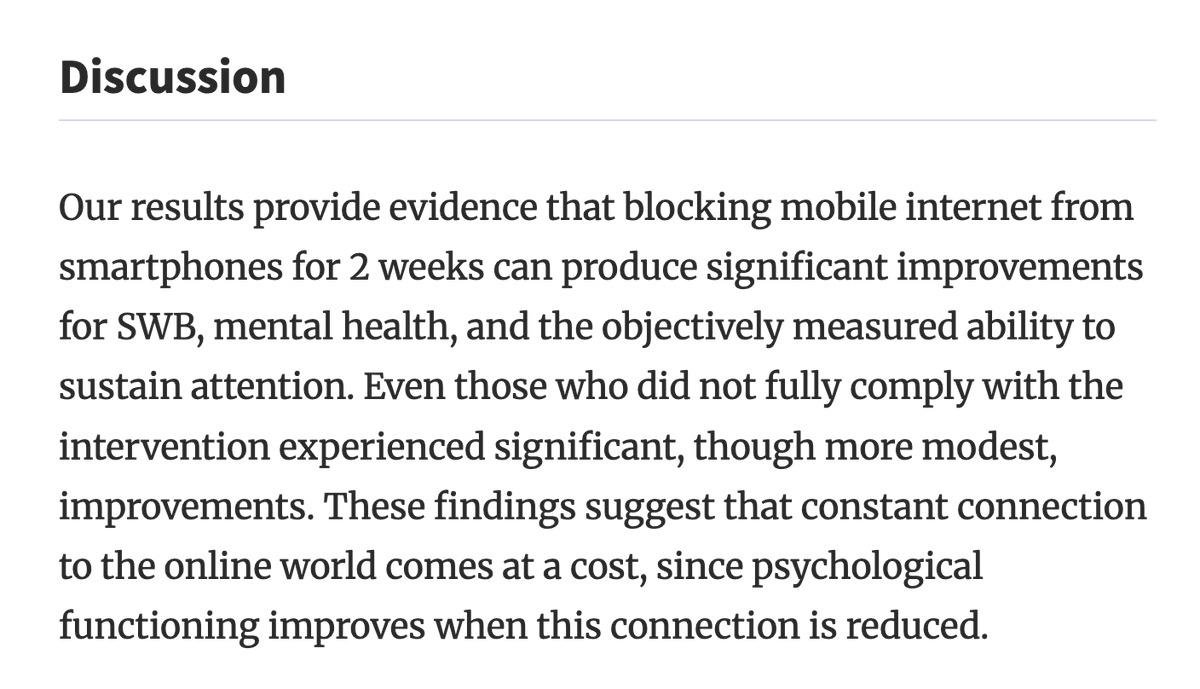
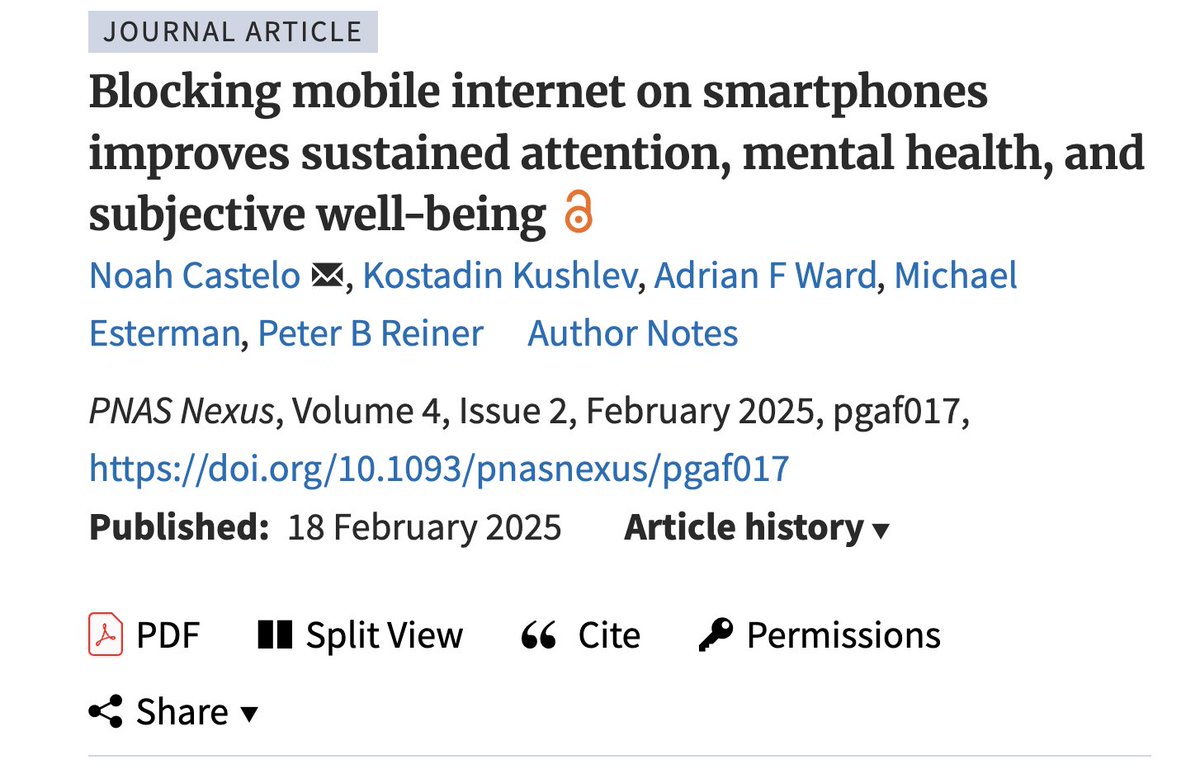
In adults, limiting smartphone functionality to texting and calls and blocking all social media and mobile internet for 2 weeks significantly improved attention, self-reported well-being and mental health. 90% of participants experienced a benefit.
you’re 22. you scroll 3 hours a day. it feels harmless
at 28 you can’t read an article without checking your phone twice per paragraph
at 32 you don’t understand why nothing you start ever finishes, you’re still dreaming of this project you wanted to start. still no time
at 40 you’ve never finished a book in a decade.
it all passed
A software engineer at Atlassian got laid off in March after 8 years. His response: a 38-minute YouTube video showing how the company's entire tech works, free for anyone to copy. That same quarter, Atlassian's revenue hit $1.79 billion, a record.
His name is Vasilios Syrakis. He worked in Sydney on Atlassian's digital plumbing: the system that handles the company's web traffic, made up of about 2,000 programs running across 13 regions of the world. Every time someone clicks on Atlassian's software, the system Syrakis worked on decides which of those servers answers. Atlassian's own engineering blog wrote about his team's work in February 2025. On Sunday, Syrakis walked through the whole architecture on YouTube, every box on the diagram.
The financial picture doesn't fit the layoff story. Atlassian's cloud business grew 29% year over year last quarter. The company has 350,000 customers, including 80% of the Fortune 500. None of that looks like a company that needs to cut a tenth of its staff to "self-fund AI investment," as the CEO put it in March.
In the six months before the layoffs, CEO Mike Cannon-Brookes sold 866,145 of his own shares for roughly $134 million. Co-founder Scott Farquhar sold exactly the same number on the same schedule. The board also approved spending $2.5 billion to buy back Atlassian stock from the market, a move that props up the share price. The shares still fell 56% this year. Investors think AI lets companies do more work with fewer employees, and Atlassian charges its customers per employee.
Sam Altman called this practice "AI washing" in February. Of the 1.2 million American jobs cut in 2025, only 55,000 blamed AI. The rest had different reasons, or none at all. The engineer who helped build Atlassian's plumbing is now teaching the internet how it works, for free, because he no longer has a paycheck to protect.
Github se acaba de f0llar al vibe coding
Acaba de publicar spec-kit y en pocos días tiene 95k estrellas y 8.3k forks
Esto no es un proyecto cualquiera. Es GitHub diciéndote cómo se programa con IA de verdad.
El problema con los agentes de IA no es el modelo
Es que le mandas una idea en texto y él interpreta lo que quiere
Spec-kit resuelve eso con 6 comandos que convierten tu idea en una especificación estructurada antes de escribir una sola línea de código
✅ /speckit.constitution → las reglas del proyecto: calidad, testing, arquitectura
✅ /speckit.specify → describes QUÉ construir, no el stack
✅ /speckit.clarify → el agente pregunta lo que no entiende antes de empezar
✅ /speckit.plan → ahora sí eliges la tecnología
✅ /speckit.tasks → lista de tareas ordenada por dependencias
✅ /speckit.implement → el agente construye
El entregable ya no es código generado a lo loco
Es una especificación viva que tu IA lee, valida y ejecuta paso a paso
Funciona con Claude Code, Cursor, Copilot, Codex, Gemini CLI y más de 25 agentes
La diferencia real es esta
Antes: "hazme una app de tareas" y rezas para que el agente no se pierda a mitad
Ahora: especificación primero, código después
El agente sabe exactamente qué construir, en qué orden y por qué
95k estrellas. 8.3k forks. Publicado por el propio GitHub. Licencia MIT.
el repo aquí 👇
New Anthropic research: Natural Language Autoencoders.
Models like Claude talk in words but think in numbers. The numbers—called activations—encode Claude’s thoughts, but not in a language we can read.
Here, we train Claude to translate its activations into human-readable text.
Usage limits are up, effective today we're:
1) Doubling Claude Code's 5-hour limits for Pro, Max, Team and seat-based Enterprise plans
2) Removing peak hours limit reduction on Claude Code for Pro and Max plans
3) Substantially raising our API rate limits for Opus models
We’ve agreed to a partnership with @SpaceX that will substantially increase our compute capacity.
This, along with our other recent compute deals, means that we’ve been able to increase our usage limits for Claude Code and the Claude API.