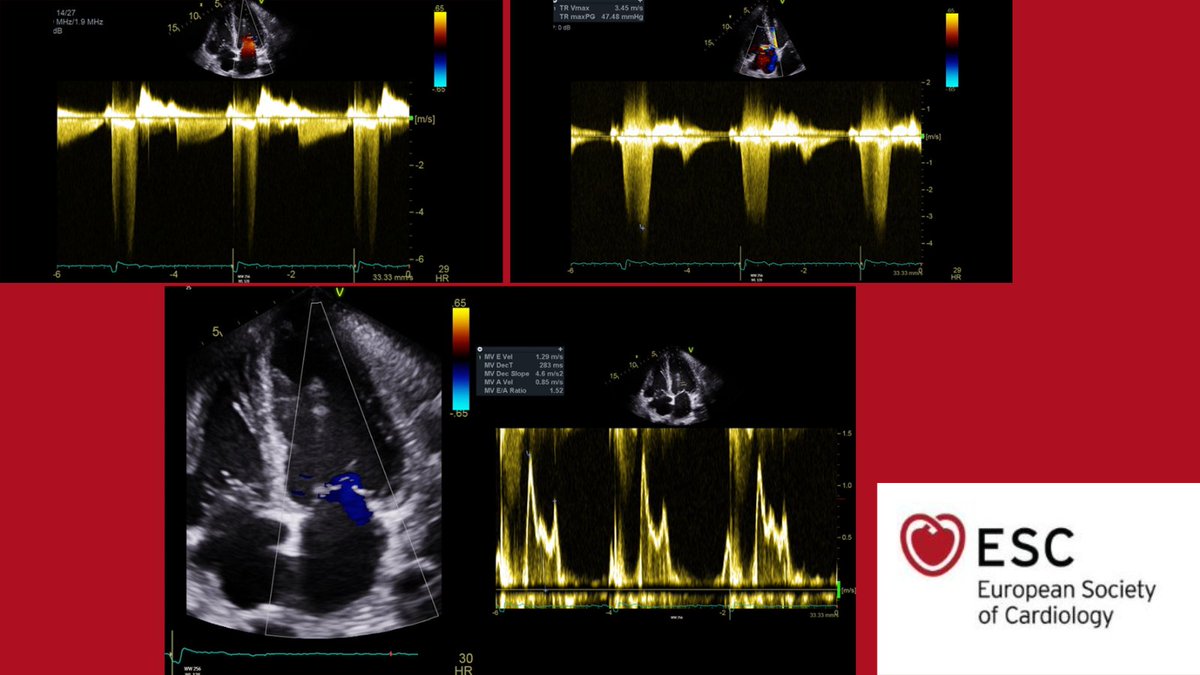
@ParrasJorge2@nat_echo Wow! I’ve never seen it before. It looks to me like a mid-telesystolic closure of on cusp during valsalva. What’s the clinica scenario and what’s the diagnosis? Any other finding? Thank you
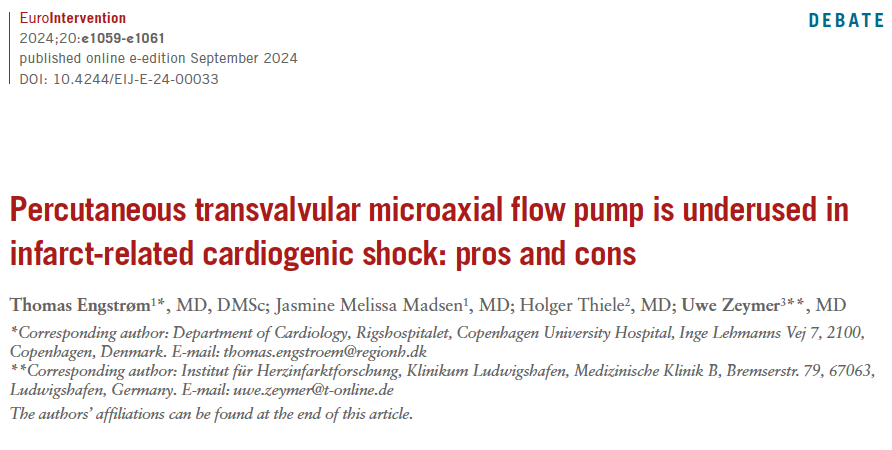
This debate explores the pros and cons of using percutaneous transvalvular microaxial flow pumps for patients with infarct-related cardiogenic shock. While the DanGer Shock trial showed a significant reduction in mortality using these pumps, concerns remain around complications such as bleeding and vascular issues. #cardiogenicshock #EAPCI https://t.co/VXuUXlqrWa
@engstr_thomas @JasmineMMadsen @thiele_holger
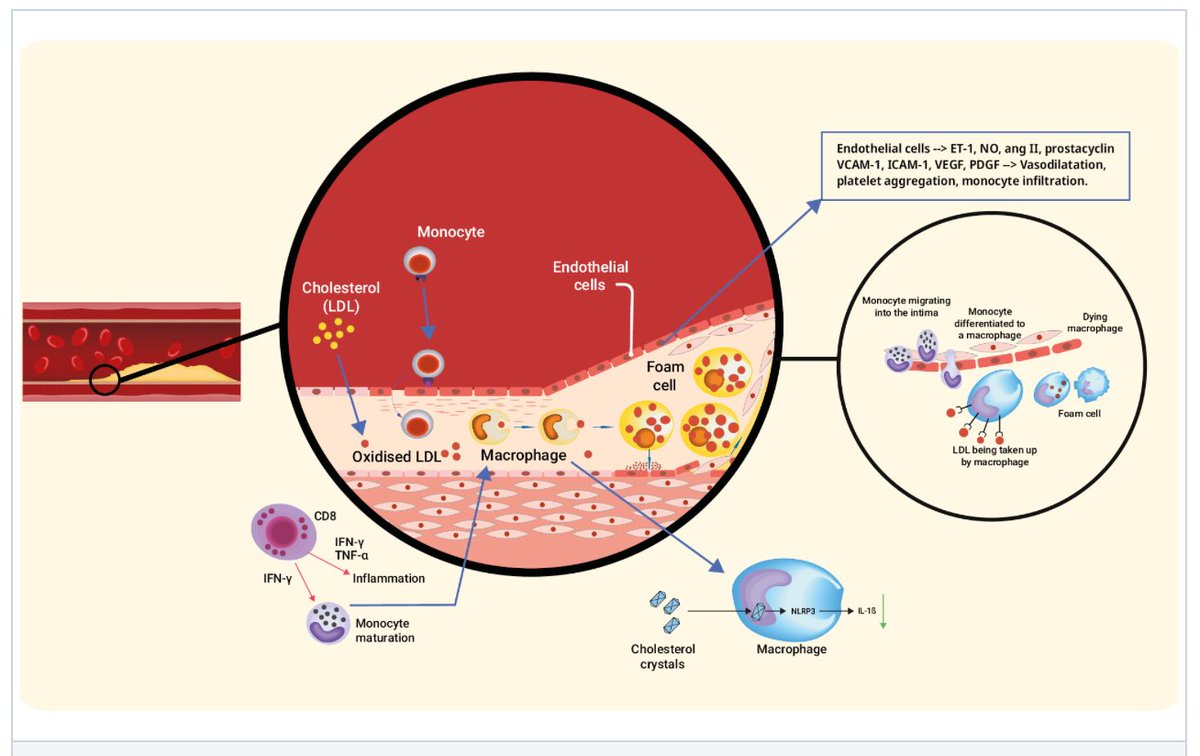
Targeting inflammation in atherosclerosis: overview, strategy and directions
This review by @ron_wasman, @ItaloPorto2 et al. explores inflammation mechanisms in atherosclerosis, potential biomarkers, therapeutic options and future advancements. #eapci https://t.co/lXu0qZWDZQ
As interventional cardiologist, I really like stenting. And as researcher, I have been long dreaming around the “vulnerable plaque”. But stenting nonobstructive VPs is a different story. Do we have enough evidence? A #EHJ comment on the #PREVENT trial:
https://t.co/bZ3rnFnIlM
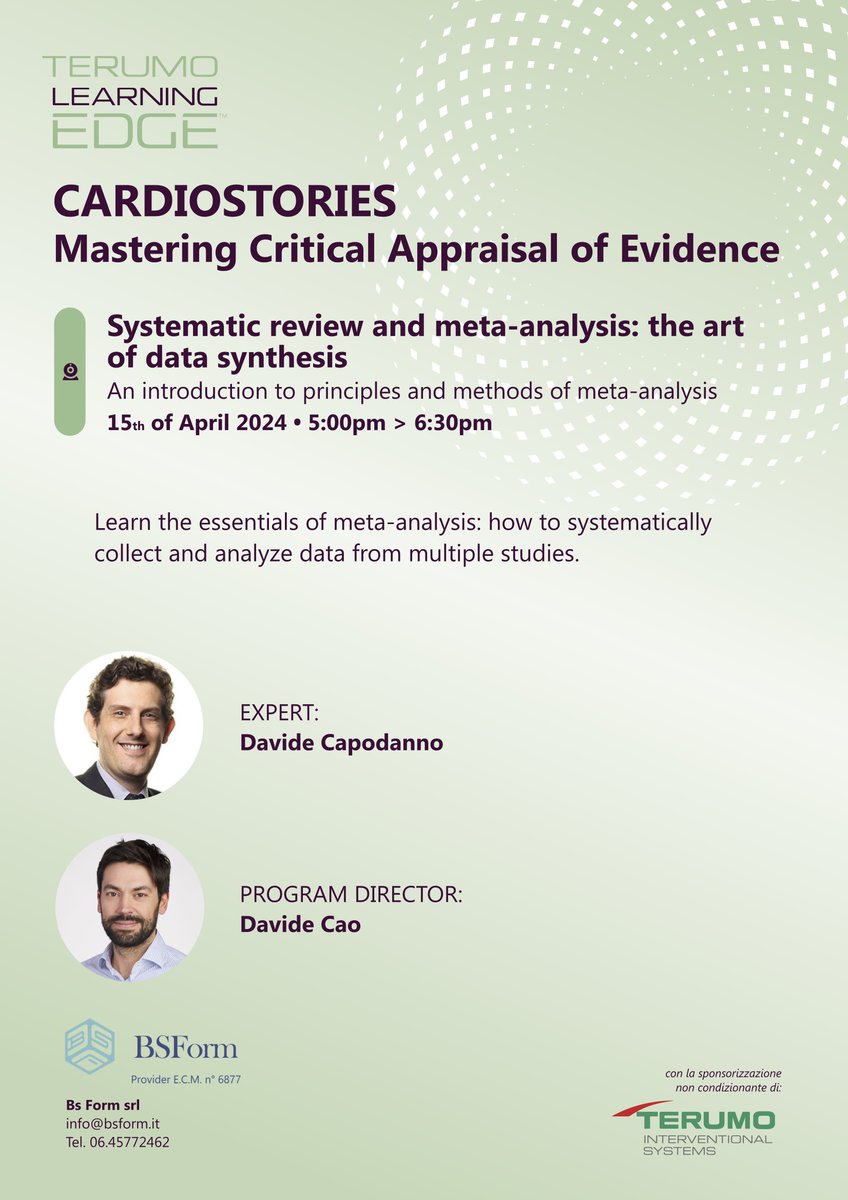
How to read (and do) a systematic review and meta-analysis? Learn more with our guest expert @DFCapodanno.
🗓️ 15th April at 17:00 CEST
👉 Free registration — link in the comments
Don't miss out! #CardioStories
The FAST II study, a prospective multicentre investigation, evaluated the diagnostic accuracy of 3D quantitative coronary angiography (3D-QCA)-based vessel FFR (vFFR) against the standard pressure wire-based FFR (≤0.80). The study demonstrated a strong correlation between vFFR and wire-based FFR, with vFFR showing excellent diagnostic accuracy in identifying lesions with FFR ≤0.80. The findings suggest that 3D-QCA-based vFFR could be a viable alternative to traditional FFR measurements, potentially overcoming limitations related to procedural complexity, time, and patient discomfort associated with pressure wire advancements and the use of hyperemic agents.#EIJBestOf. https://t.co/RimS1knpJh
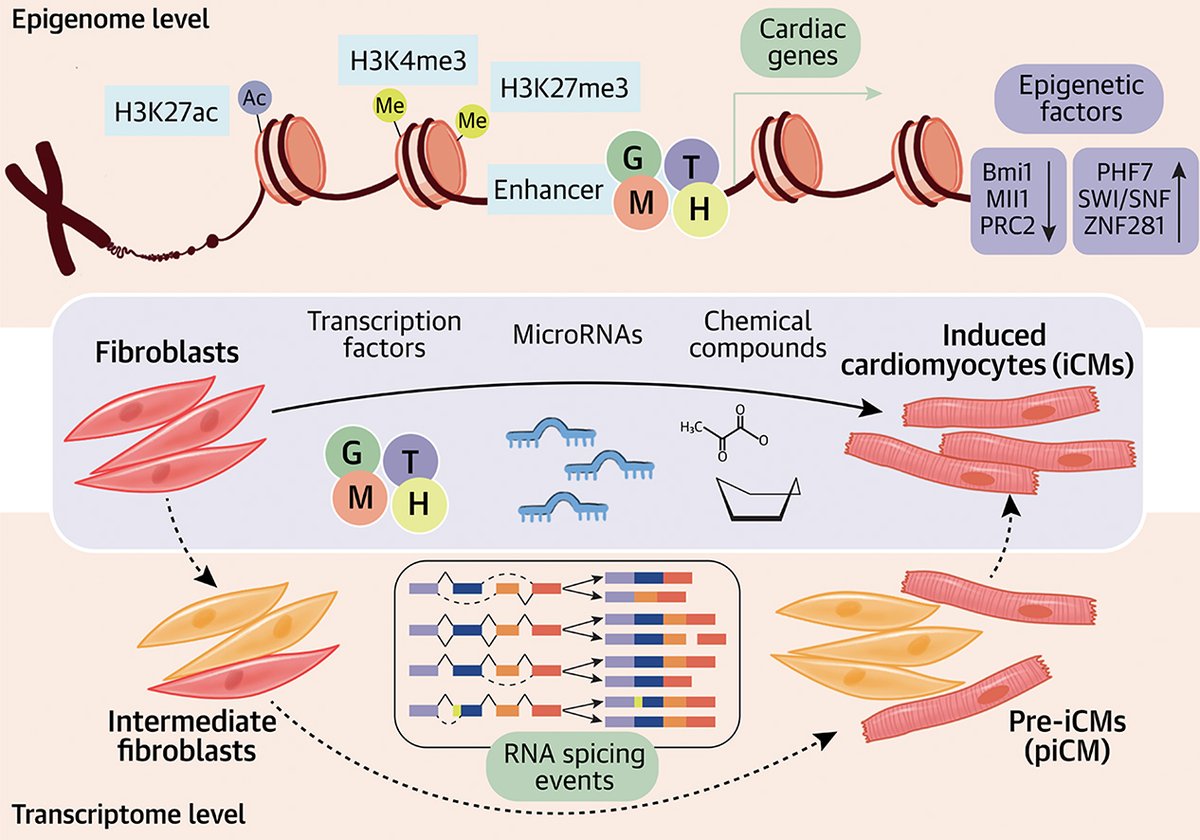
#JACCBTS state-of-the-art review by Dr. Qiaozi Wang, et al discusses recent progress of fibroblast reprogramming in cardiac repair & proposed potential future directions to accelerate translation into clinical practice. https://t.co/DLdtLalLRf
@UNCPathology#ACCVascular#CVD
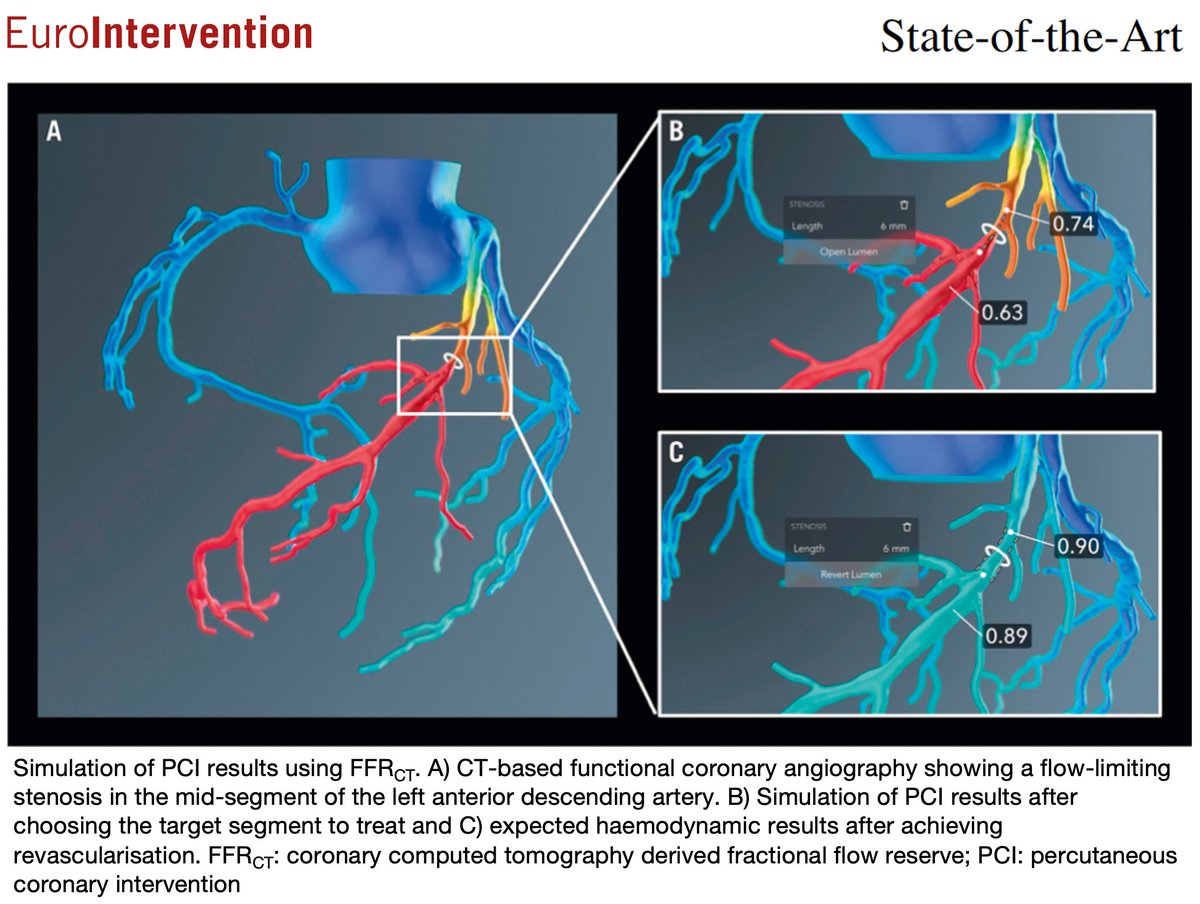
This review aims to summarize the progress in functional coronary angiography, highlight its clinical benefits for patient management, and underscore the potential for further developments in this rapidly evolving area of cardiology. https://t.co/p8KVKrbHvo
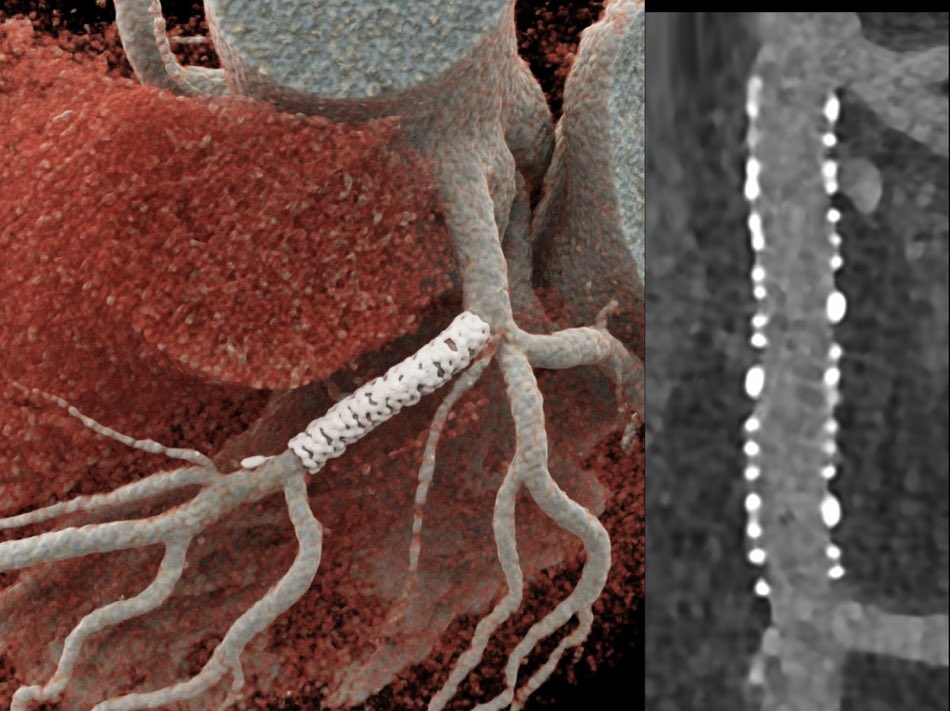
Current state of the art CCTA is next level. I wish these machines and post-processing software were more accessible and not cost-prohibitive. At this resolution level, CCTA appears to be better than an invasive coronary angiogram.
Originally shared by @FCademartiri
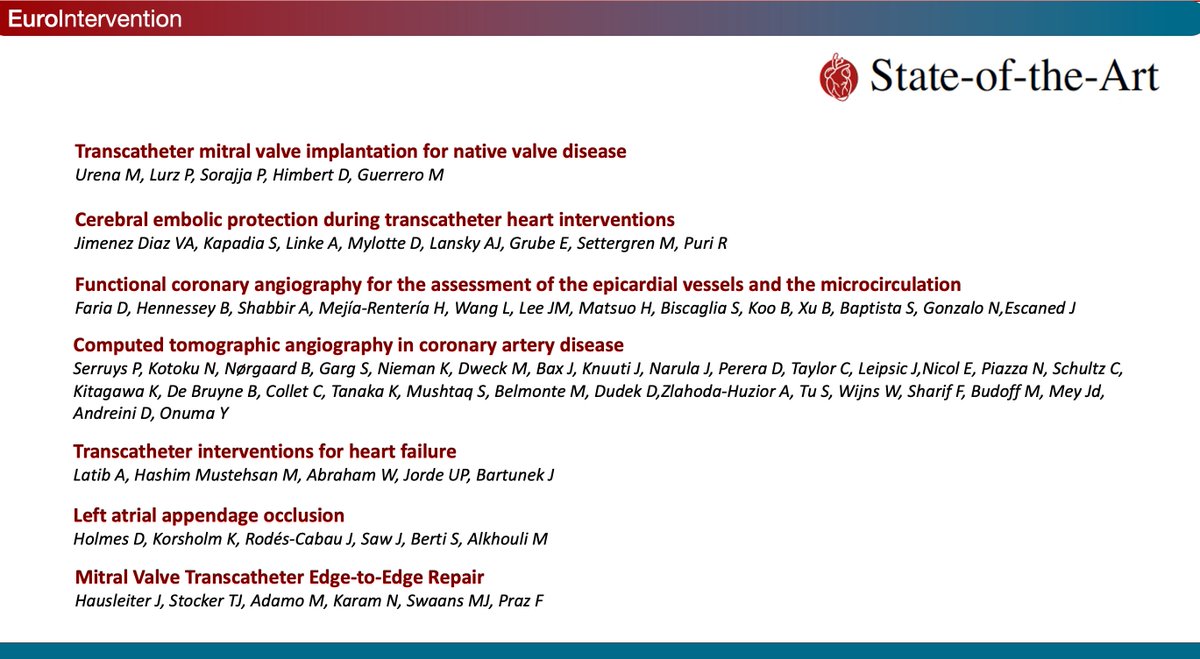
Discover our collection of 2023 State-of-the-Art publications!
High-level insights on general topics of interventional interest, written by top-class international experts. #EAPCI#EIJBESTOF
https://t.co/0EmRU4Xe3d
@VizentinVanessa I get the feeling. Have a long distance call with your dear to warm up your heart. You know your journey is worth it. Big solidarity hug to you! 🙌