For nearly 20 years, our teams have worked to understand #AFib through the biology of the #atrial substrate. What began as a hypothesis around atrial fibrosis is becoming increasingly clear.
The question may no longer be simply: PVI versus substrate ablation?
The more important question is: Which AF patient has a modifiable atrial substrate, where is it, and can we reliably eliminate it?
DECAAF I established that atrial fibrosis matters and strongly predicts ablation outcome.
DECAAF II then tested MRI-guided fibrosis ablation in persistent AF. The overall trial was neutral, but the mechanistic lesson was important: identifying fibrosis alone was not enough. Intended ablation did not always translate into durable scar, and benefit appeared related to both disease extent and effective substrate coverage.
IDEAL-AF and COAST-AF now add another piece.
IDEAL-AF selected only patients with meaningful low-voltage substrate for randomization. When that substrate was specifically targeted with clear electrical endpoints, outcomes improved substantially over PVI alone.
COAST-AF tells a similar story. The overall trial was negative, but among patients who actually had low-voltage areas, substrate ablation significantly improved outcomes. Patients without demonstrable substrate did not appear to benefit.
These studies may therefore be defining the same biology from different directions:
No significant atrial substrate → PVI may be enough.
A demonstrable, modifiable atrial myopathy → PVI alone may be inadequate.
Advanced, diffuse disease → simply adding more ablation may not overcome the biology.
The next phase of AF ablation should move beyond “more ablation” toward precision substrate therapy: identify the AF fibrosis/myopathy phenotype, select the right patient, define the abnormal tissue accurately, and ensure that it is truly modified or isolated.
The future is not empiric substrate ablation. It is targeting the AF substrate in the right patient, at the right stage of disease.
@chris_sohns@PrashSanders@peterkistler3@S_NarayanMD@Phiso_de@netta_doc@TinaBaykaner@DrRoderickTung@Ed_Gerst@shivkumarmd@Siddmann@gautamsand@drjohnm@TulaneTriad
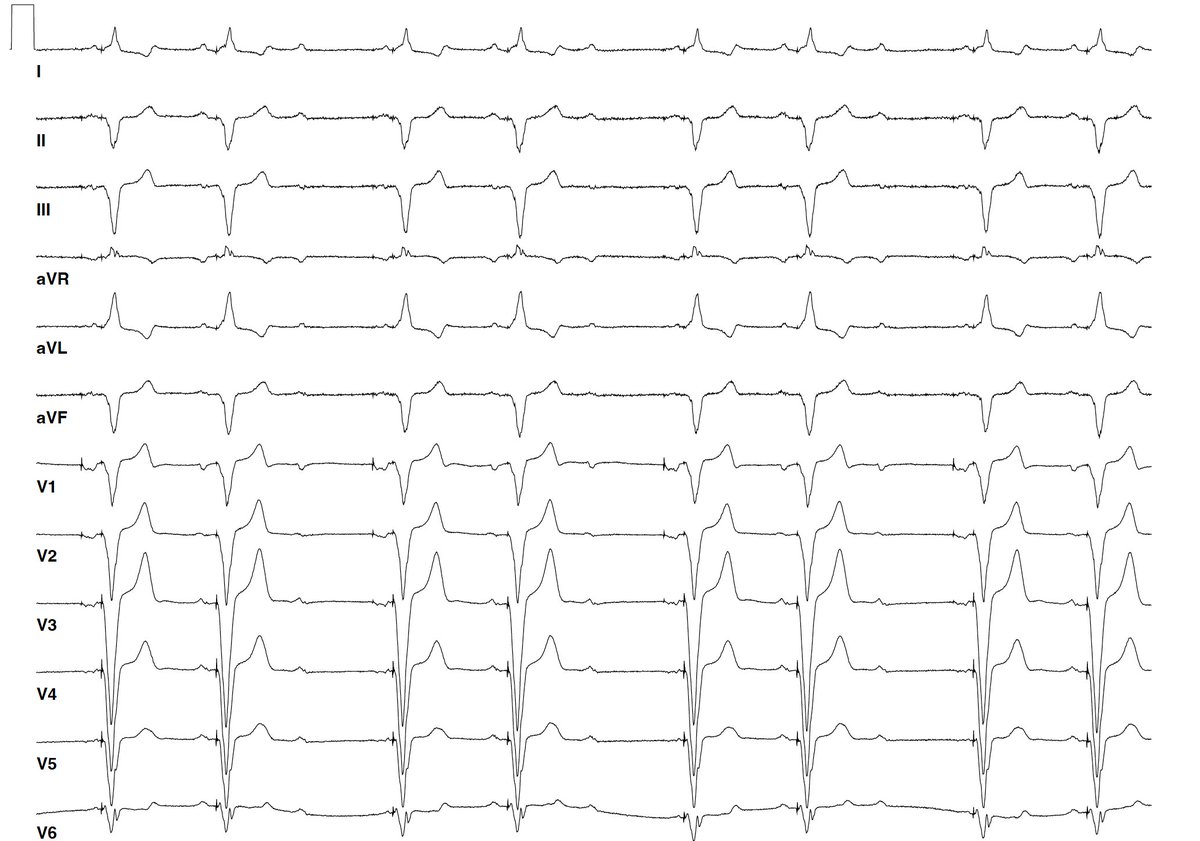
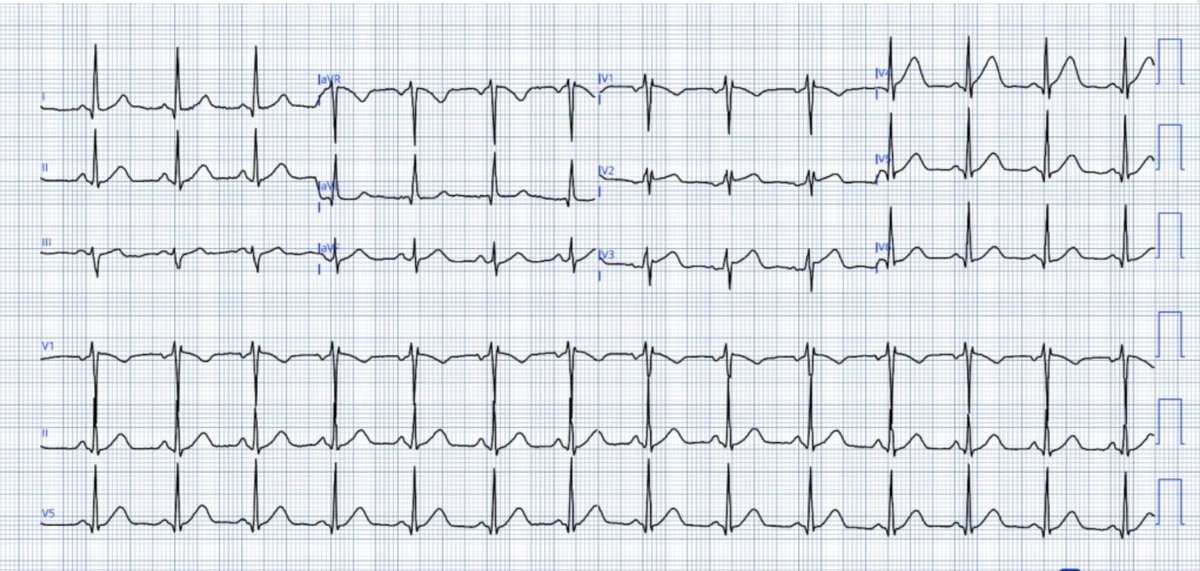
A 50-year-old with a normal ECG and troponin – Safe or Sorry? –so many learning points on this one, including lots of discussion on takotsubo. Is this takotsubo?
https://t.co/3MBsegTrps
@PMcardioApp@willyhfrick@TheECGMedic
I have the best boss in the world in Dr. Saini and best EP colleagues to work with. We were so humbled and honored to learn from Electrophysiology Giant Dr. Kenneth Ellenbogen for morning lecture and Grand Rounds. #Jacksonville#Florida
Pre-Simposio de Abbott en LAHRS 2026!
Únete a nosotros en este exclusivo Pre-Congreso de Abbott/LAHRS para conocer las tecnologías que están transformando la práctica clínica.
Nov 18th - 2:30PM
Registration: https://t.co/ppB6DyLuA5
Congratulations to Dr. Naoaki Hashimoto.
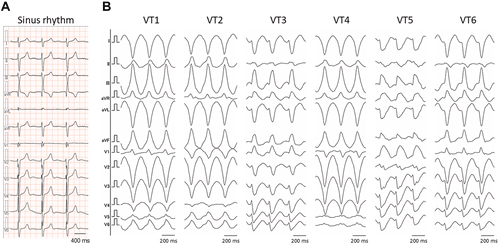
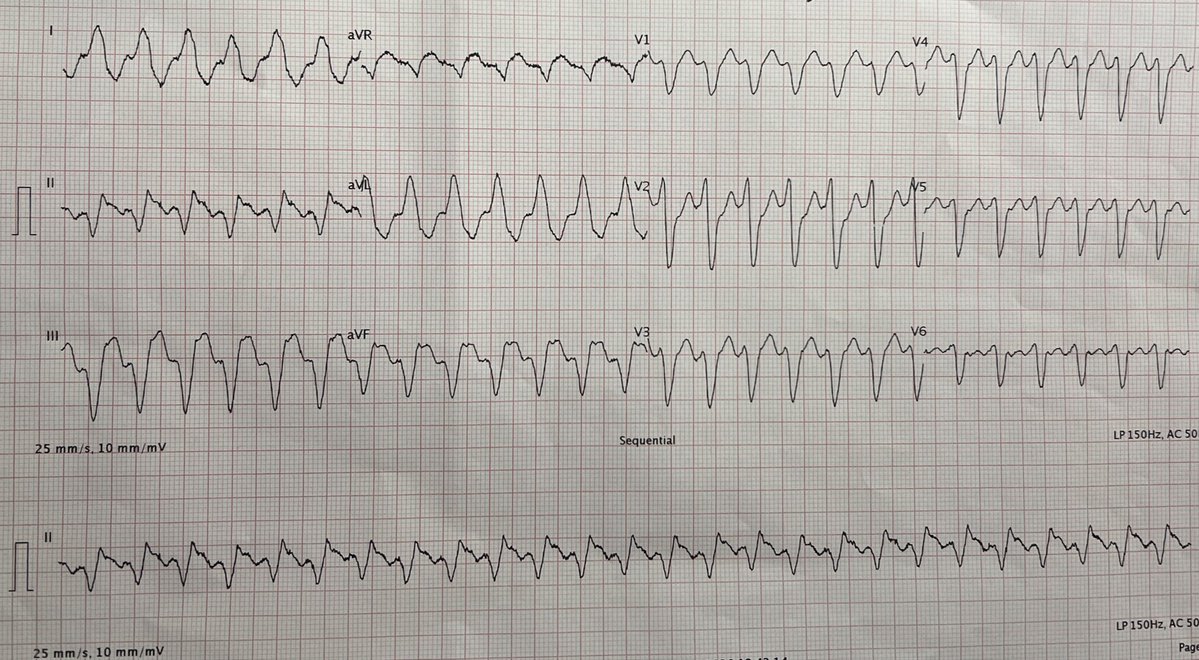
A Novel Bundle Branch Re-Entrant Ventricular Tachycardia Using a Septal Purkinje Network as the Retrograde Limb
JACC Clinical EP (Free Access)
https://t.co/FxkpVek20I
This is a new type A BBRVT.
Somewhere online there is a free tool that makes your next cardiology topic click. They live on many sites, from many creators.
We brought 92 tools into one interactive flipbook: https://t.co/mWCBlx7BRL. For students, housestaff, APPs, attendings & anyone interested in #MedEd.